Understanding the Role of Inflammation in Endometriosis
Endometriosis is a complex condition often characterized by chronic inflammation. Understanding the underlying inflammatory mechanisms can help patients manage their symptoms more effectively. This section explores the relationship between inflammation and endometriosis, providing insights into the latest research and treatment approaches.
Chronic inflammation is a hallmark of endometriosis, contributing to pain, fatigue, and other debilitating symptoms. By addressing the inflammatory processes at the cellular and molecular levels, healthcare providers can develop more targeted therapies to alleviate the burden of this condition. Patients can also benefit from learning about anti-inflammatory lifestyle changes and complementary therapies to support their overall well-being.
Navigating the Emotional Challenges of Endometriosis
Endometriosis not only affects physical health but also takes a significant toll on mental and emotional well-being. This section focuses on the psychosocial aspects of living with endometriosis, offering strategies and resources to help patients and their loved ones cope with the emotional impact of the condition.
Dealing with chronic pain, fatigue, and the unpredictability of endometriosis can be mentally and emotionally draining. Patients may experience anxiety, depression, and social isolation. By addressing the emotional needs of individuals with endometriosis, healthcare providers can help them develop healthy coping mechanisms, access support networks, and maintain a positive outlook during their journey.
Advancements in Endometriosis Diagnosis and Imaging
Early and accurate diagnosis is crucial for the effective management of endometriosis. This section explores the latest developments in diagnostic techniques, including advanced imaging technologies, that can improve the identification and monitoring of endometriosis lesions.
Traditional methods of endometriosis diagnosis, such as laparoscopy, may not always provide a complete picture of the condition. Emerging imaging techniques, including magnetic resonance imaging (MRI) and transvaginal ultrasound, offer more comprehensive and non-invasive approaches to detecting and characterizing endometriosis. By understanding these advancements, patients can work with their healthcare providers to ensure timely and accurate diagnosis, leading to more personalized treatment plans.
Optimizing Surgical Interventions for Endometriosis
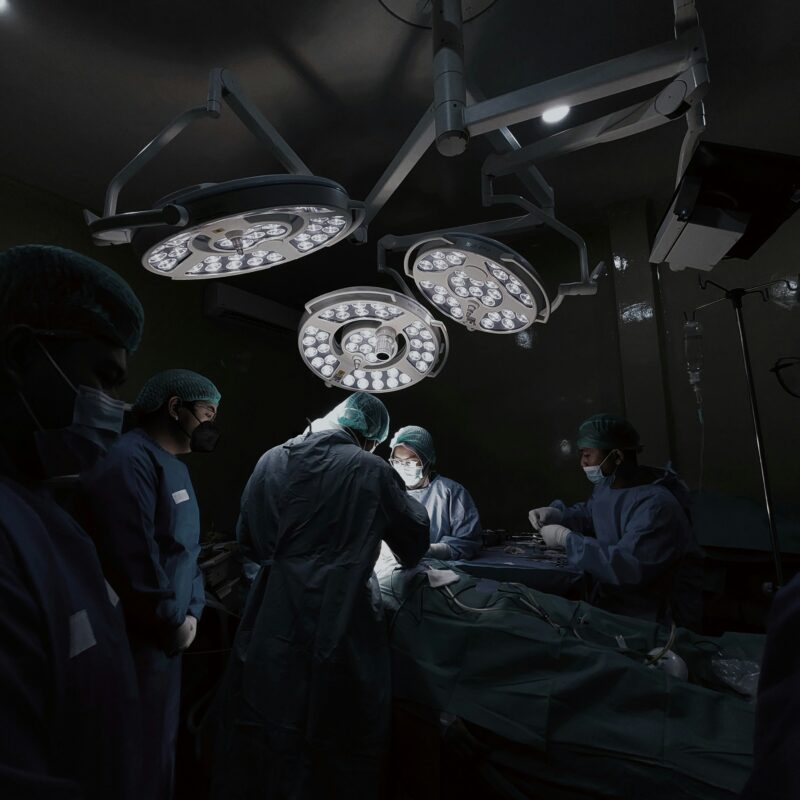
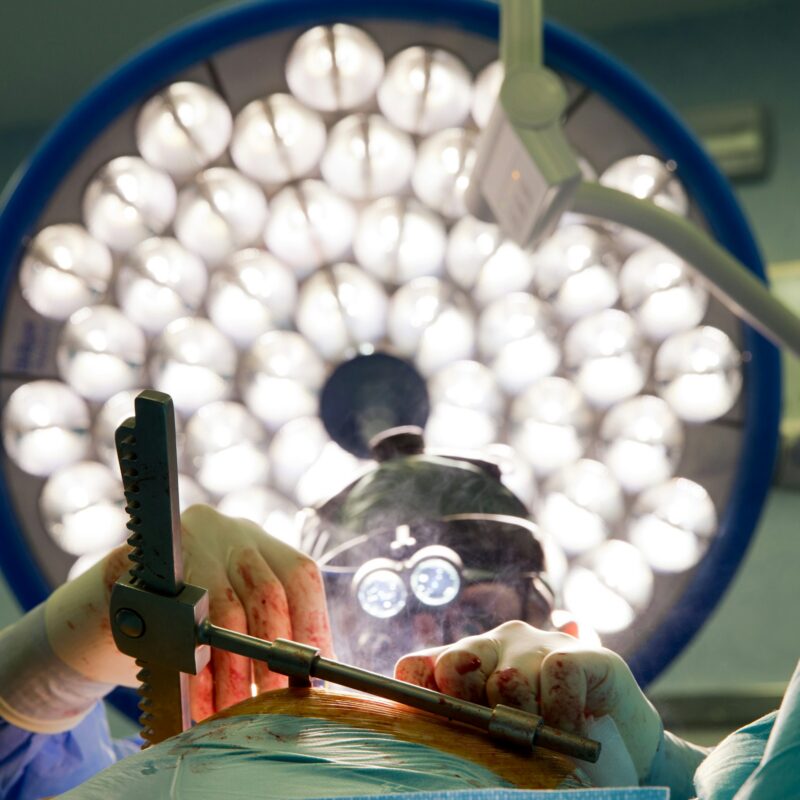
For many individuals with endometriosis, surgical treatment may be necessary to manage their symptoms and improve their quality of life. This section explores the latest developments in endometriosis surgery, highlighting the importance of skilled surgical techniques and personalized care.
Surgical interventions for endometriosis, such as laparoscopic excision or ablation, can be highly effective in reducing pain and improving overall health outcomes. However, the success of these procedures is heavily dependent on the expertise of the surgeon and the unique needs of the patient. By understanding the advancements in endometriosis surgery, patients can make informed decisions and work with their healthcare team to optimize their surgical treatment and recovery.