
Navigating the complexities of adenomyosis and endometriosis presents significant challenges for many women. Understanding these two conditions is crucial as they can co-occur, compounding pain and fertility issues. This article delves into effective management strategies, including expert surgical options and fertility solutions tailored for those affected. By examining how these conditions impact pelvic anatomy and the available treatments, readers will gain insights into personalized care approaches. Additionally, we will discuss effective pain management strategies and the role of Dr. Rachael Haverland at the Endometriosis Center of Excellence.
Expert Surgical Options
Surgical interventions offer valuable solutions for women suffering from adenomyosis and endometriosis. These procedures not only alleviate pain but also consider fertility preservation. Common surgical options include laparoscopic excision surgery, which is frequently recommended due to its minimally invasive nature and lower recovery time.
- Laparoscopic Excision Surgery: This technique involves the precise removal of endometrial tissue and lesions caused by endometriosis, significantly reducing pain and improving fertility prospects.
- Hysterectomy: In severe cases, where other treatments have failed, the surgical removal of the uterus may be the appropriate option, especially for women who do not wish to retain fertility.
- Fertility-Sparing Surgery: This approach focuses on preserving reproductive function while effectively managing disease symptoms, allowing women to plan for future pregnancies.
Understanding the nuances of each surgical option helps patients make informed decisions aligned with their health goals.
Laparoscopic Excision Surgery: Precision and Outcomes
Laparoscopic excision surgery is widely regarded as the gold-standard approach for surgically managing endometriosis and co-occurring adenomyosis. Surgeons use small incisions and specialized instruments to precisely excise endometrial lesions while minimizing damage to surrounding healthy tissue. This precision contributes to significantly lower recurrence rates compared to ablation-based techniques. Patients typically experience reduced postoperative pain, shorter hospital stays, and faster returns to daily activity. The procedure also allows for real-time staging of disease severity, informing subsequent treatment planning.
Hysterectomy: Indications and Considerations
Hysterectomy remains an option for women with severe, refractory adenomyosis or endometriosis who have completed their family planning. The procedure eliminates adenomyosis by removing the uterus, though endometriotic lesions elsewhere in the pelvis must still be fully excised to prevent symptom recurrence. Surgeons carefully weigh the patient’s age, symptom burden, and reproductive goals before recommending this approach. Minimally invasive robotic or laparoscopic hysterectomy techniques are preferred to reduce recovery time and surgical complications. A thorough preoperative consultation ensures patients understand the permanence of the procedure and its implications for hormonal health.
Fertility-Sparing Surgical Approaches
For women who wish to conceive, fertility-sparing surgery represents a carefully balanced approach to disease management. Surgeons prioritize the removal of symptomatic lesions while preserving the uterus, ovaries, and fallopian tubes wherever clinically possible. Adhesiolysis, the surgical separation of scar tissue adhesions, may also be performed to restore normal pelvic anatomy and improve reproductive outcomes. Postoperative care is coordinated with reproductive endocrinologists to optimize the timing of conception attempts following recovery. This integrated approach reflects the commitment to addressing both disease control and the patient’s long-term fertility aspirations.
Fertility Solutions
Women diagnosed with adenomyosis and endometriosis often seek effective strategies for preserving fertility. Various solutions are available, tailored to individual needs based on the severity of the conditions and personal preferences.
- Fertility-Sparing Procedures: Techniques such as resection of endometriotic lesions can help preserve ovarian function and uterine integrity, increasing chances of conception.
- Assisted Reproductive Technologies: Methods like in vitro fertilization (IVF) can be considered when natural conception proves difficult, providing additional pathways to parenthood.
- Preoperative Ovarian Stimulation: Preparing the ovaries through stimulation prior to surgery can optimize hormone levels and enhance recovery outcomes post-treatment.
By considering these options, women can bolster their chances of successfully conceiving while managing their conditions.
Understanding the Impact of Disease on Reproductive Function
Both adenomyosis and endometriosis can significantly impair reproductive function through distinct but overlapping mechanisms. Adenomyosis disrupts uterine contractility and implantation environments, reducing the likelihood of successful embryo attachment. Endometriosis contributes to chronic inflammation, ovarian reserve diminishment, and mechanical obstruction of the fallopian tubes. Together, these effects create compounded barriers to natural conception that require a comprehensive fertility evaluation. Early diagnosis and prompt intervention are critical in preserving reproductive options before disease progression further limits fertility potential.
Assisted Reproductive Technologies and Their Role
Assisted reproductive technologies (ART), particularly in vitro fertilization, offer meaningful pathways to parenthood for women whose fertility has been compromised by adenomyosis and endometriosis. IVF bypasses many of the anatomical barriers these conditions create by fertilizing eggs in a controlled laboratory environment before transferring embryos directly into the uterus. Advances in embryo cryopreservation allow women to bank embryos prior to surgical treatment, safeguarding fertility options regardless of postoperative outcomes. Success rates with ART are optimized when patients undergo thorough presurgical evaluation and any significant lesions are addressed before cycles begin. Coordination between gynecologic surgeons and reproductive endocrinologists is essential to maximizing outcomes.
Preoperative and Postoperative Fertility Optimization
Strategic fertility optimization both before and after surgery can meaningfully improve conception outcomes for women with co-occurring conditions. Preoperative ovarian stimulation and egg or embryo freezing protect reproductive potential in cases where surgery may compromise ovarian reserve. Following excision surgery, the reduction in inflammation and restoration of pelvic anatomy create a more favorable uterine environment for natural conception or embryo transfer. Hormonal therapies may be used in the postoperative period to suppress residual disease activity while the body recovers. Patients benefit most from a coordinated care plan developed jointly by their surgical and reproductive medicine teams from the outset.
Effective Pain Management Strategies
Comprehensive pain management is paramount for those living with adenomyosis and endometriosis. A multidisciplinary approach offers the most effective relief methods, ensuring each patient receives personalized care.
- Medical Treatments: Hormonal therapies such as birth control pills, GnRH agonists, and pain relief medications can help control symptoms by reducing menstrual flow and minimizing discomfort.
- Non-Medical Interventions: Incorporating physical therapy, acupuncture, and relaxation techniques can enhance overall well-being and alleviate chronic pain.
- Multidisciplinary Care Approach: Collaboration among healthcare providers—including gynecologists, pain specialists, and physical therapists—can offer a holistic treatment plan addressing all aspects of patient health.
Understanding these comprehensive strategies empowers women to actively manage their pain and improve their quality of life.
Hormonal and Pharmacological Management
Hormonal therapies serve as a foundational component of medical pain management for adenomyosis and endometriosis. Combined oral contraceptives, progestins, and GnRH agonists work by suppressing the hormonal fluctuations that drive lesion activity and menstrual-associated pain. These medications can reduce the severity and frequency of flares, offering meaningful relief for many patients between or alongside surgical interventions. Nonsteroidal anti-inflammatory drugs (NSAIDs) remain a commonly used adjunct for acute pain episodes, particularly during menstruation. Treatment regimens are carefully individualized based on symptom profile, fertility intentions, and the patient’s overall medical history.
Non-Pharmacological and Integrative Therapies
Non-pharmacological approaches play an increasingly recognized role in the comprehensive management of chronic pelvic pain associated with these conditions. Pelvic floor physical therapy addresses muscular tension and dysfunction that commonly co-exist with and amplify endometriosis-related pain. Acupuncture, mindfulness-based stress reduction, and cognitive behavioral therapy have demonstrated efficacy in reducing pain perception and improving emotional resilience among affected patients. Dietary modifications, including anti-inflammatory nutritional strategies, may also contribute to symptom modulation over time. Integrating these modalities alongside medical and surgical treatments allows for a more complete and patient-centered approach to care.
Building a Multidisciplinary Care Team
Effective pain management for co-occurring adenomyosis and endometriosis rarely falls within the scope of a single provider. A well-coordinated multidisciplinary team, comprising gynecologic surgeons, pain management specialists, physical therapists, nutritionists, and mental health professionals—delivers the most comprehensive outcomes. Each team member contributes expertise that addresses a specific dimension of the patient’s pain experience, from its physiological roots to its psychological and functional impact. Regular interdisciplinary communication ensures that treatment plans are continuously refined as a patient’s condition evolves. This collaborative model reflects best practices in complex chronic pain management and is central to the philosophy at the Endometriosis Center of Excellence.
What Are Adenomyosis and Endometriosis: Definitions and Key Differences?

Adenomyosis is characterized by the infiltration of endometrial tissue into the muscular walls of the uterus, causing pain and heavy menstrual bleeding. In contrast, endometriosis involves endometrial-like tissue growing outside the uterus, leading to inflammation and scar tissue formation.
Key symptoms of both conditions include chronic pelvic pain, heavy menstrual bleeding, and fertility challenges. Despite their similarities, the locations of the abnormal tissue differentiate the two making accurate diagnosis essential.
Defining Adenomyosis and Its Pathophysiology
Adenomyosis occurs when endometrial glands and stroma invade the myometrium, the muscular layer of the uterine wall, triggering an inflammatory response and smooth muscle hypertrophy. This process leads to an enlarged, often tender uterus and is associated with heavy, prolonged menstrual bleeding and severe cramping. The condition disproportionately affects women in their thirties and forties, though it can present at any reproductive age. While the precise etiology remains an area of active research, theories include tissue injury and repair mechanisms, stem cell involvement, and hormonal dysregulation. Definitive diagnosis has historically required pathological examination of uterine tissue, though imaging advances are improving noninvasive detection.
How Do Adenomyosis and Endometriosis Affect the Uterine and Pelvic Anatomy?
Adenomyosis alters the uterine structure, thickening the muscle wall and potentially leading to a bulky uterus, while endometriosis can compromise pelvic anatomy through the formation of adhesions, impacting organs like the ovaries and fallopian tubes. These changes can contribute to significant pain and fertility issues, complicating treatment decisions. The distortion of normal pelvic architecture makes surgical planning more complex and underscores the value of advanced imaging prior to any intervention. When both conditions are present simultaneously, the combined anatomical disruption can be substantial, requiring an experienced specialist to navigate safely. A thorough preoperative assessment is essential to understanding the full extent of disease and formulating an effective surgical strategy.
Can These Conditions Occur Together and How Common Is Co-Occurrence?
Research indicates that up to 30% of women diagnosed with endometriosis may also suffer from adenomyosis. This co-occurrence can exacerbate symptoms and make treatment more complex, highlighting the importance of comprehensive diagnostic tools to identify both conditions effectively. The interplay between the two conditions often results in more severe pain, heavier bleeding, and greater fertility impairment than either condition produces in isolation. Clinicians must maintain a high index of suspicion for adenomyosis when managing patients with confirmed endometriosis, as the presence of both significantly influences surgical and medical treatment decisions. Recognizing this overlap early leads to more complete treatment planning and improved patient outcomes.
Key Symptom Differences That Guide Clinical Evaluation
While adenomyosis and endometriosis share several overlapping symptoms, subtle clinical differences can help guide a physician’s differential diagnosis. Adenomyosis is more commonly associated with a uniformly enlarged, boggy uterus and heavy menstrual bleeding, whereas endometriosis may present with more variable pain patterns, including dyspareunia and pain with bowel movements. Patients with co-occurring disease often describe a particularly high symptom burden that disproportionately affects daily functioning and quality of life. Keeping a detailed symptom diary can help clinicians differentiate the two conditions and prioritize diagnostic testing. Clear symptom documentation also improves communication between patients and their care teams, facilitating faster, more accurate diagnoses.
What Are the Symptoms and Diagnosis Methods for Coexisting Adenomyosis and Endometriosis?
Common symptoms experienced by those with both conditions include cyclical pain associated with menstruation, heavy or prolonged bleeding, and fertility challenges. Doctors utilize a combination of patient history, physical exams, imaging tests like ultrasounds or MRIs, and sometimes laparoscopic surgery to accurately diagnose these conditions.
Recognizing the Symptom Overlap
When adenomyosis and endometriosis coexist, the resulting symptom burden can be particularly severe and diagnostically complex. Patients frequently report debilitating dysmenorrhea, chronic pelvic pain that persists outside of menstruation, and significant fatigue that impairs daily functioning. The overlap in symptom presentation between the two conditions often contributes to diagnostic delays of many years, during which patients may be inadequately treated or misdiagnosed. Awareness of this symptom convergence is essential for both patients and clinicians in recognizing when a more thorough evaluation is warranted. Prompt, comprehensive assessment significantly improves the likelihood of timely and accurate diagnosis.
Imaging Techniques Used in Diagnosis
Transvaginal ultrasound and magnetic resonance imaging (MRI) are the primary noninvasive imaging modalities used to evaluate suspected adenomyosis and endometriosis. Transvaginal ultrasound offers a widely accessible and cost-effective initial assessment, particularly for identifying endometriomas and uterine structural changes consistent with adenomyosis. MRI provides superior soft tissue contrast resolution, enabling more detailed mapping of deep infiltrating endometriosis lesions and myometrial involvement. The combination of both modalities often yields the most complete preoperative picture of disease distribution and extent. Experienced radiologists and gynecologic specialists interpreting these studies are essential to ensuring diagnostic accuracy.
The Role of Laparoscopy in Confirming Diagnosis
Laparoscopy remains the definitive diagnostic standard for endometriosis and can simultaneously provide therapeutic benefit through excision of identified lesions. During the procedure, a surgeon directly visualizes the pelvic cavity, identifying endometriotic implants, adhesions, and other anatomical abnormalities that imaging may not fully capture. Tissue biopsies obtained during laparoscopy provide histological confirmation of the diagnosis, supporting accurate disease staging. When adenomyosis is also suspected, intraoperative findings combined with preoperative imaging inform a comprehensive diagnostic conclusion. Patients undergoing laparoscopy for diagnosis benefit from the involvement of an experienced excision surgeon capable of treating identified disease in the same operative setting.
Which Pelvic Pain and Fertility Challenges Indicate Combined Disease?

Pelvic pain can manifest in various ways for women with coexisting adenomyosis and endometriosis. Symptoms like prolonged or debilitating menstrual pain, pain during intercourse, and chronic pelvic discomfort may indicate the presence of both conditions. Fertility challenges can also arise due to anatomical changes, making early intervention essential for those wishing to conceive.
Characterizing Pain Patterns in Combined Disease
The pain associated with co-occurring adenomyosis and endometriosis often extends beyond typical menstrual cramping, presenting as a persistent, cyclically worsening condition that affects multiple aspects of daily life. Patients may describe deep, pressure-like pelvic pain that intensifies with menstruation but does not fully resolve between cycles. Dyspareunia, pain during or after sexual intercourse, is another hallmark symptom frequently reported in combined disease, reflecting the extent of pelvic involvement. Pain with defecation or urination during menstruation may indicate involvement of the bowel or bladder, necessitating careful evaluation. Recognizing these patterns is critical to avoiding misdiagnosis and ensuring that patients receive appropriately targeted care.
How Fertility Is Compromised by Combined Disease
The coexistence of adenomyosis and endometriosis creates multiple anatomical and biochemical obstacles to conception that require individualized management. Adenomyosis disrupts uterine receptivity and implantation by altering the endometrial environment and impairing uterine contractility. Endometriosis compounds these effects through ovarian reserve reduction, peritoneal inflammation, and the formation of adhesions that obstruct the fallopian tubes. Together, these mechanisms significantly reduce natural fertility and diminish the probability of successful embryo implantation. Early identification and treatment of both conditions are essential to maximizing a patient’s chances of achieving a successful pregnancy.
When to Seek Specialized Evaluation
Women experiencing persistent pelvic pain, unexplained infertility, or symptoms disproportionate to standard gynecological findings should seek evaluation from a specialist with expertise in endometriosis and adenomyosis. A prolonged diagnostic journey is unfortunately common with these conditions, as their symptoms often overlap with other gynecologic disorders. Referral to a dedicated center—such as the Endometriosis Center of Excellence—ensures access to physicians with the subspecialty expertise, advanced imaging capabilities, and surgical proficiency required for accurate diagnosis and optimal management. Early intervention improves both pain outcomes and fertility preservation prospects, making timely specialist referral a critical step. Patients who have already undergone treatment elsewhere without adequate symptom relief should also consider seeking a second opinion from an experienced excision specialist.
How Are Advanced Diagnostic Tools Used to Detect Both Conditions?
Advanced diagnostic tools offer vital insights into identifying adenomyosis and endometriosis. Imaging techniques such as transvaginal ultrasound and MRI provide detailed views of the pelvic organs, enabling healthcare providers to assess the extent of the disease accurately. Laparoscopy, considered the gold-standard diagnostic tool, allows direct visualization of endometrial tissue outside the uterus, confirming the diagnosis and facilitating potential treatment.
Transvaginal Ultrasound in Clinical Practice
Transvaginal ultrasound is often the first-line imaging tool employed when adenomyosis or endometriosis is clinically suspected. It provides real-time visualization of the uterus and ovaries, allowing sonographers to identify characteristic features such as myometrial cysts, asymmetric thickening of the uterine walls, and ovarian endometriomas. Advances in ultrasound technology, including the use of soft markers and systematic assessment protocols, have substantially improved the sensitivity and specificity of this modality for both conditions. Its accessibility, affordability, and lack of radiation exposure make it an attractive initial diagnostic step in the outpatient setting. However, findings should be interpreted by providers experienced in gynecologic ultrasound to ensure diagnostic accuracy.
MRI as a Comprehensive Mapping Tool
MRI is particularly valuable for characterizing deep infiltrating endometriosis—lesions that invade structures such as the bowel, bladder, and uterosacral ligaments—beyond the reach of standard ultrasound evaluation. The superior soft tissue contrast of MRI enables detailed anatomical mapping of lesion location, size, and depth of invasion, which is critical for preoperative surgical planning. For adenomyosis, MRI can quantify myometrial involvement and distinguish between focal and diffuse disease patterns with high accuracy. This information directly informs the surgical approach, reducing intraoperative surprises and supporting more complete lesion removal. MRI findings are most actionable when reviewed collaboratively by the operating surgeon and a radiologist specializing in pelvic imaging.
Laparoscopy: Diagnosis and Treatment in One Setting
Diagnostic laparoscopy offers the unique advantage of simultaneously confirming disease presence and providing surgical treatment in a single operative session. When a skilled excision surgeon performs the procedure, identified endometriotic lesions, adhesions, and anatomical distortions can be addressed immediately, reducing the need for staged interventions. Intraoperative findings are documented systematically using validated staging systems such as the American Society for Reproductive Medicine (ASRM) classification, providing a comprehensive picture of disease burden. Tissue specimens collected during the procedure undergo histopathological analysis, providing definitive diagnostic confirmation. This integrated diagnostic-therapeutic approach minimizes patient burden while maximizing the clinical information available to guide ongoing care.
How Does Laparoscopic Excision Surgery Address Pain and Fertility in Both Conditions?
Laparoscopic excision surgery is pivotal for managing adenomyosis and endometriosis. This minimally invasive approach enables surgeons to remove endometrial tissue, alleviating pain while preserving healthy ovarian tissue and enhancing fertility prospects. Positive patient outcomes have been documented, emphasizing the importance of individualized surgical planning to cater to each woman’s needs.
Mechanisms by Which Excision Reduces Pain
Laparoscopic excision surgery addresses pain by removing the pathological tissue responsible for the inflammatory cascade and nerve sensitization that underlies chronic pelvic pain in endometriosis. Unlike ablation, which destroys only the surface of lesions, excision removes the entire lesion including its deeper infiltrating components, significantly reducing the likelihood of symptom recurrence. The complete removal of peritoneal disease and adhesions restores normal pelvic anatomy, alleviating the mechanical pain contributions of tissue distortion. Postoperative pain reduction is often experienced within the first menstrual cycle following surgery and tends to be more durable than that achieved with medical management alone. Long-term data support excision as the most effective surgical strategy for achieving lasting pain relief.
Fertility Restoration Through Surgical Intervention
By correcting the anatomical distortions and inflammatory environment caused by endometriosis and adenomyosis, laparoscopic excision surgery can meaningfully restore fertility potential. Removal of endometriomas and peritoneal lesions reduces the oxidative stress and inflammation that impair egg quality and fertilization capacity. Adhesiolysis restores tubal patency, improving the natural passage of eggs from ovary to uterus. Studies have documented improved spontaneous pregnancy rates and enhanced IVF outcomes following excision surgery in appropriately selected patients. Fertility-conscious surgical planning, including ovarian reserve preservation and conservative uterine management, ensures that reproductive goals remain at the forefront of every operative decision.
Individualized Surgical Planning and Patient Outcomes
No two patients with co-occurring adenomyosis and endometriosis present identically, making individualized surgical planning essential to achieving optimal outcomes. Preoperative assessment—including detailed imaging, symptom mapping, and fertility counseling—guides the surgeon in anticipating the complexity of disease and tailoring the operative approach accordingly. Surgeons at dedicated centers integrate findings from imaging, prior operative reports, and patient-reported symptom burden into a comprehensive plan before entering the operating room. Intraoperative adaptability is equally important, as disease distribution can differ from what imaging suggests. This level of individualization is a hallmark of expert excision surgery and is directly correlated with improved patient-reported outcomes in pain, quality of life, and fertility.
What Are the Benefits of Minimally Invasive and Gold-Standard Excision Surgery?
Minimally invasive techniques like laparoscopic excision offer several benefits compared to traditional surgical approaches:
- Reduced Recovery Time: Minimally invasive surgery allows for quicker recovery and less postoperative pain.
- Lower Risk of Complications: Smaller incisions minimize potential complications associated with larger surgical procedures.
- Improved Surgical Outcomes: Higher success rates in pain reduction and fertility preservation make these techniques favorable for many patients.
By prioritizing minimally invasive options, women can experience better recovery and overall health outcomes.
Advantages Over Traditional Open Surgery
Minimally invasive laparoscopic surgery offers substantial advantages over traditional open laparotomy for the management of endometriosis and adenomyosis. Smaller incisions result in significantly less postoperative pain, reduced blood loss, and a lower risk of wound-related complications including infection and hernia formation. Hospital stays are typically shorter, and patients return to normal activities within days rather than weeks, minimizing disruption to work and personal life. The magnified laparoscopic view also provides surgeons with enhanced visualization of fine anatomical structures, supporting more precise and complete lesion removal. These combined benefits make minimally invasive surgery the preferred approach for the vast majority of patients undergoing surgical management of these conditions.
The Gold Standard: Why Excision Outperforms Ablation
Excision surgery is consistently recognized as the superior surgical technique for endometriosis management due to its thoroughness and durability of outcomes. Ablation techniques, which use heat or energy to destroy the surface of lesions, leave behind deep infiltrating tissue that continues to cause pain and disease progression. Excision, by contrast, removes the full depth of each lesion, reducing recurrence rates and providing longer-lasting symptomatic relief. Multiple peer-reviewed studies support excision’s superiority in both pain reduction and fertility outcomes when compared to ablation. Patients considering surgical management should specifically seek out surgeons with advanced excision training and a high-volume practice in endometriosis care.
Long-Term Outcomes and Quality of Life Improvements
The long-term benefits of laparoscopic excision surgery extend well beyond the immediate postoperative period, encompassing sustained improvements in pain, function, and overall quality of life. Patients who undergo complete excision by experienced surgeons consistently report higher rates of symptom resolution and lower rates of reoperation compared to those treated with ablation or medical management alone. Longitudinal data demonstrate that the positive effects of excision on daily functioning, sexual health, and emotional well-being can persist for years. These outcomes are further optimized when surgery is integrated within a comprehensive care plan that addresses hormonal management, pelvic floor rehabilitation, and ongoing monitoring. The goal of surgical intervention at the Endometriosis Center of Excellence is not merely symptomatic relief, but a meaningful and lasting improvement in every patient’s quality of life.
Who Is Dr. Rachael Haverland and What Is Her Treatment Philosophy?
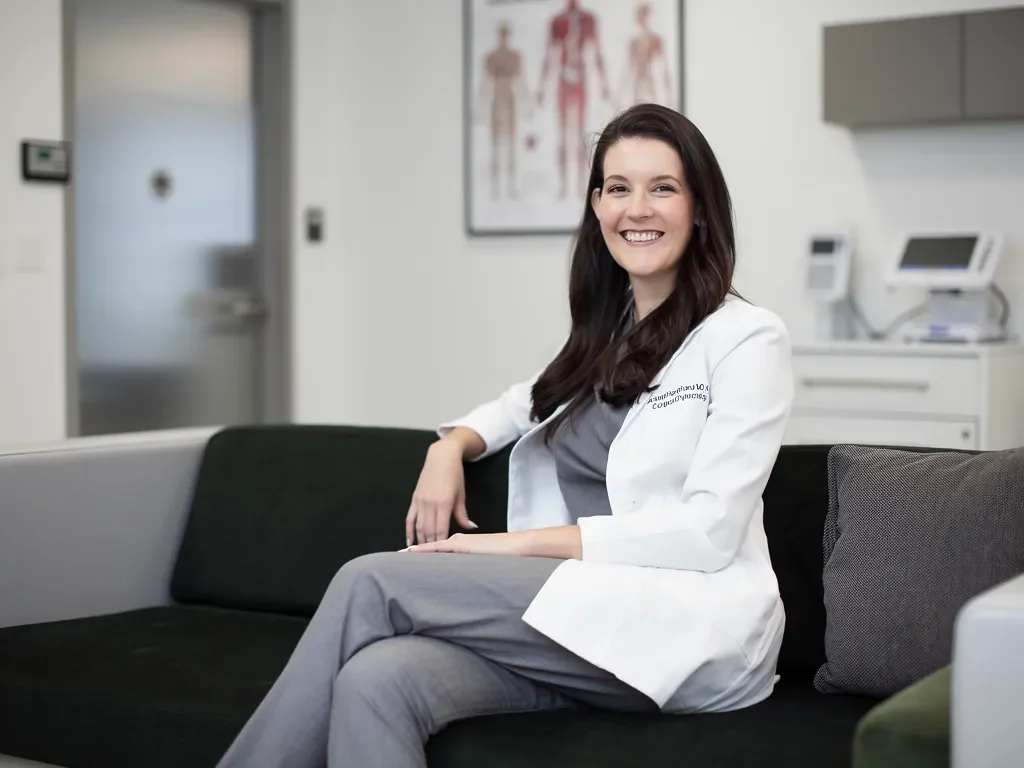
Dr. Rachael Haverland is a board-certified endometriosis specialist known for her patient-centered approach to treatment. Based at the Endometriosis Center of Excellence, she emphasizes holistic care strategies, combining advanced surgical techniques with personalized pain management, to effectively address the needs of patients living with adenomyosis and endometriosis.
Clinical Expertise and Surgical Specialization
Dr. Haverland brings a high level of subspecialty expertise to the surgical management of endometriosis and adenomyosis, having dedicated her clinical practice to mastering advanced laparoscopic excision techniques. Her training and experience encompass complex cases involving deep infiltrating endometriosis, extensive pelvic adhesions, and co-occurring adenomyosis requiring nuanced surgical judgment. She remains current with the latest evidence-based practices in excision surgery and fertility preservation, ensuring that patients receive care aligned with the most advanced standards in the field. Her commitment to ongoing education and skill refinement reflects a dedication to delivering outcomes that extend beyond symptom management to genuine disease control. Patients traveling to the Endometriosis Center of Excellence benefit directly from this level of focused expertise.
A Patient-Centered Philosophy of Care
At the core of Dr. Haverland’s practice is a deep commitment to treating the whole patient, not merely the disease. She recognizes that adenomyosis and endometriosis affect not only physical health but also emotional well-being, relationships, and quality of life in ways that demand a compassionate and attentive approach. Every patient consultation is designed to be thorough and unhurried, allowing sufficient time to understand each woman’s unique symptom history, fertility goals, and personal values before formulating a treatment plan. Dr. Haverland believes that informed, empowered patients are active partners in their care, and she prioritizes clear communication and shared decision-making throughout the treatment journey. This philosophy is embedded in the culture of the Endometriosis Center of Excellence as an institution.
Integration of Multidisciplinary Care at the Endometriosis Center of Excellence
The Endometriosis Center of Excellence, under Dr. Haverland’s guidance, operates as a comprehensive, multidisciplinary center designed to address every dimension of the patient experience. Beyond surgical expertise, the center coordinates care across specialties including reproductive endocrinology, pelvic floor physical therapy, nutritional counseling, and behavioral health support. This integrative model ensures that patients receive consistent, coordinated care regardless of which aspect of their condition is being addressed at a given time. Referral pathways within the center are streamlined to reduce delays and ensure continuity, a factor that significantly improves both the patient experience and clinical outcomes. The center’s multidisciplinary approach reflects the understanding that effective management of these complex conditions demands more than surgical skill alone.
What Are Personalized Pain Management and Fertility Preservation Strategies?
Personalized pain management strategies are essential in treating women with co-occurring adenomyosis and endometriosis effectively. A multidisciplinary approach allows for tailored treatment plans that address the specific symptoms and challenges faced by each patient. Case studies demonstrate that by combining different treatment modalities, women can significantly improve their quality of life.
Tailoring Medical Therapy to Individual Patient Profiles
Effective medical management of adenomyosis and endometriosis requires individualization that accounts for symptom severity, disease stage, comorbidities, and each patient’s reproductive goals. Hormonal regimens are selected based on whether the patient seeks immediate symptom relief, fertility preservation, or postoperative maintenance therapy. For example, progestin-based therapies may be preferred for patients who cannot tolerate estrogen, while GnRH agonists are reserved for cases requiring temporary disease suppression before surgical intervention. Pain management protocols are similarly customized, with NSAIDs, neuromodulators, and adjunct therapies combined as needed to achieve adequate relief. Regular reassessment of treatment response allows clinicians to refine these regimens over time, ensuring they remain appropriately aligned with the patient’s evolving needs.
How Do Multidisciplinary Plans Improve Quality of Life for Patients?
Multidisciplinary care models integrate various healthcare providers, from gynecologists to mental health professionals, creating holistic plans that cater to psychological and physical health needs. This team approach ensures that patients receive comprehensive care, leading to improved outcomes and enhanced quality of life. Research consistently demonstrates that patients managed within multidisciplinary frameworks report greater satisfaction with their care, higher rates of symptom improvement, and more durable outcomes than those receiving siloed treatment. The inclusion of mental health support is particularly significant, given the well-documented burden that chronic pain conditions place on emotional well-being and relationships. Structured communication among team members ensures that all providers are working from a unified, patient-specific treatment strategy.
What Is the Impact of Surgery on Fertility Outcomes in Co-Occurring Disease?
The impact of surgical intervention on fertility outcomes for women with both adenomyosis and endometriosis is profound. Data show that laparoscopic surgery can restore fertility in many patients, with specific statistics indicating significant improvements in pregnancy rates post-surgery. Understanding these benefits helps women make informed decisions about their treatment options. Complete excision of endometriotic lesions reduces the inflammatory burden on the pelvis, improving the intrauterine environment and increasing the likelihood of successful embryo implantation. Collaboration with a reproductive endocrinologist following surgery allows patients to pursue conception through natural means or ART with significantly improved baseline conditions. The combination of expert surgical management and targeted fertility support represents the current best-practice standard for women seeking to conceive in the setting of co-occurring disease.
Monitoring and Long-Term Follow-Up After Treatment
Long-term follow-up is a critical but often overlooked component of managing co-occurring adenomyosis and endometriosis. Disease recurrence is possible even after thorough surgical excision, making ongoing monitoring through clinical assessment and periodic imaging essential to early detection. Hormonal suppressive therapy may be recommended postoperatively to reduce the risk of recurrence, particularly in younger patients with a long reproductive horizon ahead. Fertility-focused patients should be monitored closely for signs of disease progression and guided on optimal conception timing relative to their surgical and medical treatment. Continuous engagement with the care team empowers patients to recognize and report new or returning symptoms promptly, supporting timely intervention when needed.
What Are Frequently Asked Questions About Managing Pain from Adenomyosis and Endometriosis?
Women often have numerous questions regarding the management of pain associated with adenomyosis and endometriosis. Clarifying these conditions’ differences, effective treatment options, and individualized care plans is essential for providing reassurance and enhancing understanding.
What Treatment Options Are Available for Women Who Want to Preserve Fertility?
Women who wish to preserve fertility have several surgical and medical options that effectively manage disease without compromising reproductive potential. Laparoscopic excision surgery remains the most recommended surgical option, as it removes pathological tissue while preserving the uterus, ovaries, and fallopian tubes. Medical therapies can provide interim symptom control and reduce disease activity between surgical interventions or while planning conception. Assisted reproductive technologies, including IVF and embryo cryopreservation, offer additional pathways for women whose fertility has been affected by disease progression or prior treatments. A consultation with a specialist at the Endometriosis Center of Excellence can help each patient understand which combination of options is most appropriate for her individual circumstances.
How Long Does Recovery Take After Laparoscopic Excision Surgery?
Recovery time following laparoscopic excision surgery varies depending on the extent of disease, the complexity of the procedure, and the individual patient’s overall health. Most patients return to light daily activities within one to two weeks, though complete recovery from more extensive procedures may take four to six weeks. Pain in the immediate postoperative period is typically well-controlled with prescribed analgesics and generally diminishes significantly within the first week. Patients are advised to avoid strenuous physical activity and intercourse during the early recovery phase to allow adequate tissue healing. A structured follow-up plan, including postoperative appointments and physical therapy referrals where appropriate, supports optimal recovery and early identification of any complications.
When Should a Patient Consider Seeking a Second Opinion?
Patients who have received a diagnosis or treatment recommendation but continue to experience significant symptoms, or who have undergone prior surgery without adequate relief, are strong candidates for a second opinion from a subspecialty excision expert. Inadequate symptom resolution following surgery is frequently attributable to incomplete lesion removal, which an experienced excision surgeon may be able to address. Women who have been offered only ablation surgery, hormonal therapy alone, or hysterectomy without a thorough prior attempt at fertility-sparing excision should seek a consultation with a specialist to evaluate all available options. A second opinion from a high-volume center ensures access to the most current evidence-based practices and the highest level of surgical expertise. The Endometriosis Center of Excellence welcomes patients seeking comprehensive evaluation, regardless of prior treatment history.
Conclusion
Effectively managing adenomyosis and endometriosis not only alleviates pain but also preserves fertility for women facing these challenges. Understanding tailored surgical solutions, fertility options, and comprehensive pain management strategies empowers individuals to make informed choices about their health. By considering expert insights and personalized care approaches, women can navigate their journey toward improved well-being. Discover how you can take the next step in managing these conditions by consulting with a specialized provider today.