
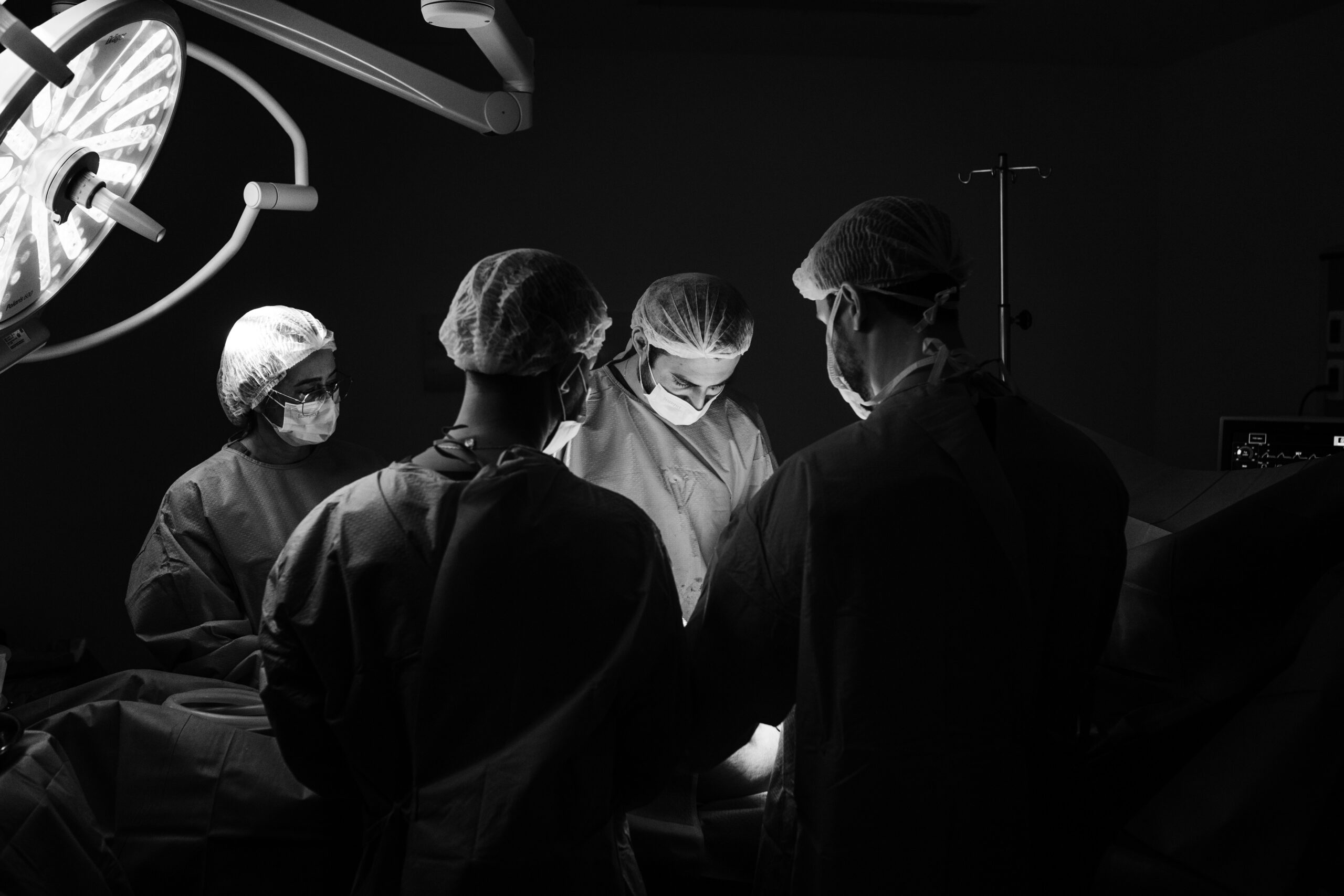
Endometriosis surgery can be an important treatment option for patients with pelvic pain, painful periods, painful intercourse, bowel or bladder symptoms, and fertility concerns. Two common surgical approaches are excision and ablation. While both are used to treat endometriosis lesions, they work in different ways and may lead to different long-term outcomes.
Excision surgery removes endometriosis lesions from the tissue, while ablation destroys the surface of lesions using heat, laser, or another energy source. Understanding the difference between these techniques can help patients ask better questions, understand treatment options, and choose care that aligns with their symptoms, fertility goals, and long-term health needs.
What Is Excision Surgery for Endometriosis?
Excision surgery is a minimally invasive surgical technique used to remove endometriosis lesions as completely and safely as possible. It is often performed laparoscopically through small incisions using a camera and specialized instruments. The goal is to cut out visible disease while preserving healthy tissue.
Excision Removes the Lesion From the Tissue
During excision, the surgeon carefully cuts around and removes endometriosis lesions. This approach can be especially important for deep infiltrating endometriosis because disease may extend below the surface. Removing the full lesion may reduce the chance of leaving active tissue behind.
Excision Can Address Deep Disease
Endometriosis can affect sensitive areas such as the pelvic ligaments, ovaries, bowel, bladder, or tissue near nerves. Excision allows the surgeon to treat lesions with attention to depth, location, and surrounding anatomy. This is one reason excision is often preferred for complex or severe endometriosis.
Surgical Expertise Matters
Excision requires advanced understanding of pelvic anatomy and endometriosis behavior. A fellowship-trained specialist may be better equipped to identify subtle lesions, manage deep disease, and protect surrounding organs. Surgeon experience can influence pain relief, fertility outcomes, and long-term symptom control.
What Is Ablation Surgery for Endometriosis?

Ablation is another surgical approach used to treat endometriosis. Instead of removing the lesion, ablation destroys tissue on the surface using heat, laser, or energy. It is often performed laparoscopically and may involve a shorter recovery for some patients.
Ablation Treats the Surface of Lesions
Ablation can destroy visible endometriosis tissue on the surface. This may provide symptom relief for some patients, especially when lesions are superficial. However, if disease extends deeper below the surface, ablation may not fully treat the lesion.
Ablation May Have a Faster Initial Recovery
Because ablation may involve less cutting of tissue, some patients experience a shorter early recovery period. However, recovery time should not be the only factor in choosing a procedure. Long-term pain relief, recurrence risk, fertility goals, and disease depth should also be considered.
Symptoms May Return if Tissue Remains
One limitation of ablation is that deeper endometriosis tissue may remain active after the surface is destroyed. If tissue is not fully treated, symptoms may return over time. Patients should ask their surgeon whether ablation is appropriate for their disease pattern and whether excision would be more complete.
Excision vs. Ablation for Pain Relief
Pain relief is one of the main reasons patients consider surgery for endometriosis. Both excision and ablation may reduce symptoms, but they may not offer the same durability. The right choice depends on disease location, severity, prior treatments, and surgical expertise. Read more in How Excision Surgery Boosts Quality of Life in Teens.
Excision May Provide More Complete Treatment
Excision may provide more complete treatment because it removes lesions instead of only treating their surface. This can be especially helpful when endometriosis is deep, recurring, or located near sensitive pelvic structures. Removing visible disease may lead to stronger and longer-lasting symptom improvement for many patients.
Ablation May Provide Temporary Relief
Ablation may reduce pain when lesions are superficial, but its benefits may be less durable if deeper disease remains. Some patients may feel better at first, then experience symptom recurrence later. This is why patients should discuss the expected long-term outcomes of ablation before choosing it.
Pain Is Often Multifactorial
Endometriosis pain may involve inflammation, adhesions, nerve irritation, pelvic floor dysfunction, and central sensitization. Surgery can treat visible lesions, but some patients may also need pelvic floor therapy, pain management, hormonal treatment, or supportive care. A complete plan often works better than surgery alone.
Fertility Considerations With Excision and Ablation

Endometriosis can affect fertility through inflammation, adhesions, ovarian endometriomas, distorted pelvic anatomy, and changes in reproductive function. Surgery may be considered when fertility is a concern, but technique and surgeon experience matter.
Excision May Support Pelvic Anatomy
By removing lesions and releasing adhesions when appropriate, excision may help restore more normal pelvic anatomy. This can be important for patients trying to conceive, especially when endometriosis affects the ovaries, tubes, or surrounding pelvic structures. Fertility goals should be discussed before surgery. You may also find Why Excision Surgery is the Gold Standard for Endometriosis helpful.
Ablation May Not Address Deeper Fertility Barriers
Ablation may treat surface disease but may not fully remove deep lesions or adhesions that affect fertility. If reproductive goals are a priority, patients should ask whether ablation is likely to address the specific factors affecting conception. In some cases, excision may be more appropriate.
Fertility Planning Should Be Personalized
Not every patient needs the same fertility strategy. Age, ovarian reserve, disease severity, prior surgeries, partner factors, and treatment history all affect planning. Some patients may benefit from surgical treatment, while others may need coordinated care with a fertility specialist.
Risks and Recovery After Surgery
Both excision and ablation carry surgical risks. These may include bleeding, infection, anesthesia-related complications, pain, scar tissue, or injury to nearby organs. The risk profile depends on disease extent, surgical technique, and patient health.
Excision May Require a Longer Recovery
Because excision removes tissue and may involve complex dissection, recovery may take longer than ablation in some cases. Patients may need several weeks to return to normal routines, especially after extensive surgery. The benefit is that excision may offer more complete treatment when performed by an experienced specialist. You may also find Excision Surgery vs Ablation: Which Is Safer for Endometriosis helpful.
Ablation May Have a Shorter Recovery
Ablation may allow a faster early recovery for some patients because it can be less extensive. However, a shorter recovery does not always mean better long-term results. Patients should weigh recovery time against recurrence risk and the likelihood of symptom relief.
Follow-Up Care Is Important
After either procedure, follow-up care helps monitor healing, manage symptoms, and plan long-term treatment. Patients should report worsening pain, fever, heavy bleeding, infection signs, or symptoms that return. Ongoing care may include medication, pelvic floor therapy, fertility planning, or additional evaluation.
Choosing the Right Surgical Approach
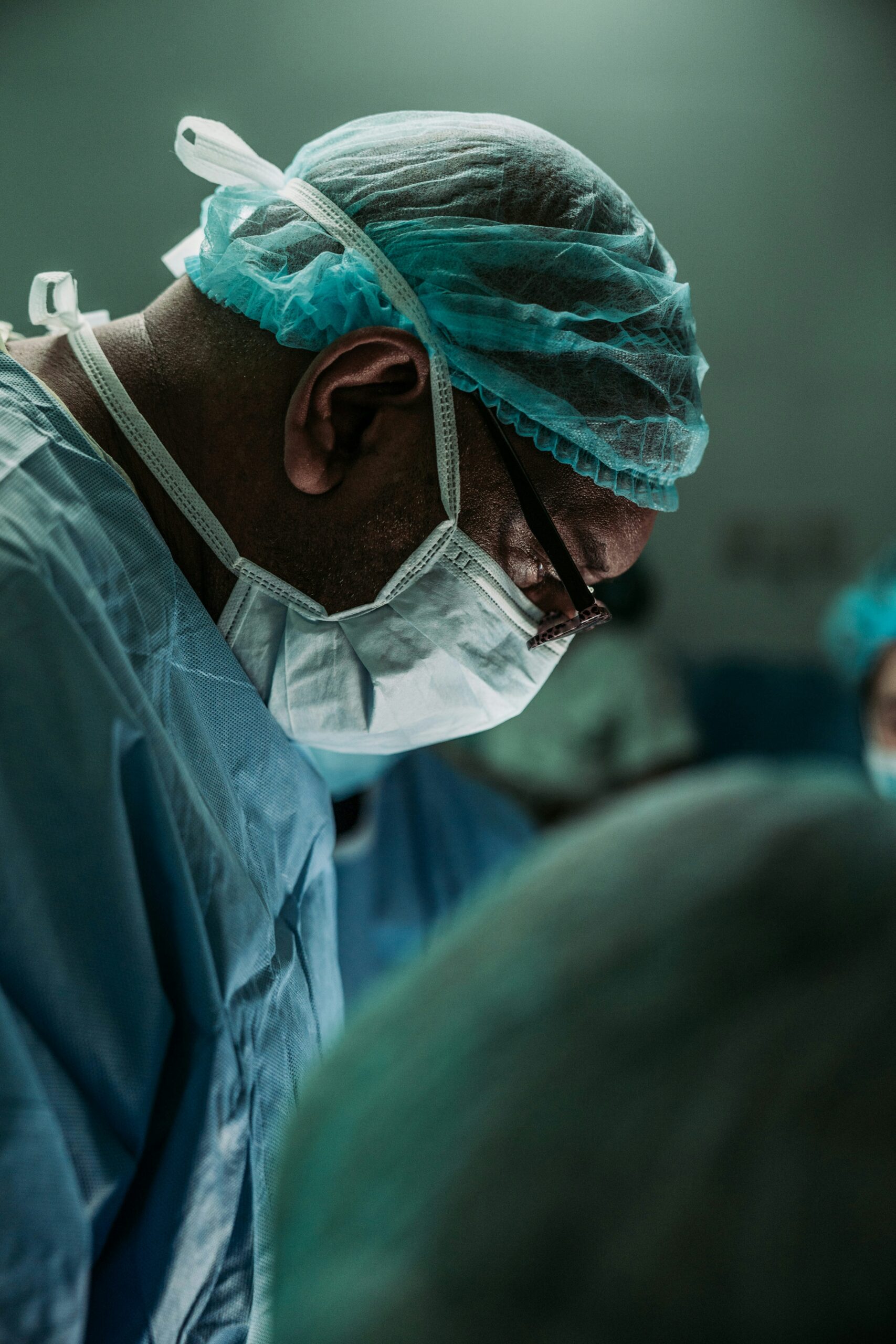
Choosing between excision and ablation should be based on the patient’s symptoms, fertility goals, disease pattern, surgical history, and the surgeon’s experience. A personalized consultation can help patients understand which option is most appropriate.
Ask About the Surgeon’s Technique
Patients should ask whether the surgeon performs excision, ablation, or both. It is also helpful to ask how they manage deep infiltrating endometriosis, bowel or bladder involvement, adhesions, and ovarian endometriomas. Clear answers can help patients feel more confident in the care plan.
Ask About Long-Term Outcomes
Patients should ask about expected pain relief, recurrence risk, recovery time, fertility impact, and whether additional therapies may be needed. Understanding the long-term plan is just as important as understanding the surgery itself.
Dr. Rachael Haverland Provides Specialized Endometriosis Care
Dr. Rachael Haverland provides specialized evaluation and treatment planning for patients with suspected or confirmed endometriosis. Care may include symptom review, imaging guidance, fertility-focused counseling, minimally invasive surgery, and multidisciplinary support. A personalized approach can help patients choose the surgical option that best supports pain relief, reproductive goals, and long-term quality of life.
Frequently Asked Questions
What can I expect during the recovery period after endometriosis surgery?
Recovery after endometriosis surgery varies by procedure. Generally, after excision surgery, patients may require several weeks to return to normal activities due to the extensive tissue removal involved, while ablation typically allows for a shorter, less painful recovery. Patients should follow their surgeon’s postoperative instructions precisely and monitor for signs of complications such as infection or increasing pain. Regular follow-up appointments are crucial to ensure proper healing and to address any ongoing symptoms or concerns.
How can I choose the right surgeon for my endometriosis surgery?
Choosing the right surgeon involves several key considerations. Look for a gynecologist or surgeon specially trained in endometriosis treatment, preferably with experience in both excision and ablation techniques. Reviews and testimonials from previous patients can provide insight into their effectiveness and care quality. Additionally, don’t hesitate to ask potential surgeons about their specific experiences, outcomes, and approaches to managing complex cases, as well as their facility’s support system for ongoing care.
Will I need additional treatments after my endometriosis surgery?
Many patients may require additional treatments following surgery, depending on their individual circumstances and the extent of their endometriosis. Post-surgical care can include hormonal therapy to manage symptoms or reduce the risk of recurrence. Pelvic floor therapy might also be beneficial, especially if pain persists. Discussing a comprehensive follow-up plan with your surgeon after surgery is essential to address potential ongoing issues and improve long-term outcomes.
Can endometriosis return after surgery?
Yes, endometriosis can recur after surgery, as complete eradication is challenging due to its potential to involve deeper pelvic structures. The recurrence risk depends on the type of surgery performed, thoroughness of lesion removal, and individual patient factors, including hormonal influences and lifestyle. Regular monitoring and follow-up care are important to catch any returning symptoms early and manage them effectively, whether through further surgery or other therapies.
How should I prepare for my consultation about endometriosis surgery?
Preparing for your consultation can enhance the effectiveness of your visit. Bring a list of your symptoms, previous treatments, and any related medical history or surgeries. Prepare specific questions about the surgical options, potential risks, recovery expectations, and fertility implications. Being knowledgeable about your options and clear about your goals can facilitate a focused discussion and help guide you towards the best treatment plan tailored to your needs.
What lifestyle changes can support my recovery from endometriosis surgery?
Post-surgery, certain lifestyle changes can foster recovery and long-term health. Prioritize a balanced diet rich in fruits, vegetables, lean proteins, and whole grains to support overall health and reduce inflammation. Staying hydrated, maintaining a regular exercise routine, and managing stress through relaxation practices can also promote healing. Additionally, keeping in touch with your healthcare team for ongoing guidance and addressing any recurring symptoms early is crucial for your recovery journey.
Is there a connection between endometriosis and other health issues?
Endometriosis can be linked to several other health conditions, including infertility, ovarian cysts, and chronic pelvic pain. Some studies suggest that conditions like fibromyalgia and autoimmune disorders may co-occur with endometriosis, potentially complicating treatment and management. Understanding these associations can be critical for comprehensive care. Consulting with specialists familiar with these interconnected issues can lead to better management of both endometriosis and any coexisting conditions, ensuring a holistic approach to your health. If you have questions about your own symptoms, you can schedule an appointment with our endometriosis specialists.
Conclusion
Choosing between excision and ablation for endometriosis treatment can significantly impact long-term health and well-being. Excision surgery is generally associated with higher success rates for pain relief and improved fertility outcomes, making it a preferred choice for many patients. As you navigate your options, consulting with a specialized surgeon will ensure you make an informed decision tailored to your needs. Take the next step towards relief by scheduling a consultation with our expert team today.