
The Endometriosis Center of Excellence is a surgical practice at 8140 Walnut Hill Lane in Dallas that finds and removes endometriosis, including disease on the bowel, bladder, ureters, nerves, and diaphragm. Two fellowship-trained, board-certified surgeons lead your care: Dr. Rachael Haverland and Dr. Katherine Smith.
Two Excision Surgeons, One Dallas Practice
The Facts Behind the Practice
Six things that are specific to this practice, not to endometriosis care in general.
Board Certified Surgeons
Both of our surgeons are board certified by the American Board of Obstetrics and Gynecology (ABOG).
ABOG Focused Practice
Both hold a focused practice designation in minimally invasive surgery, earned through an added board review.
Fellowship Trained Team
Dr. Haverland completed her fellowship at Mayo Clinic; Dr. Smith completed hers at Cleveland Clinic Florida.
Surgical Video Review
Dr. Haverland is verified by iCareBetter, a program that reviews surgical video for endometriosis excision skill.
Every Lesion Tested
Every piece of endometriosis we remove goes to pathology, so the diagnosis is confirmed, not assumed.
One Dallas Office
Visit us at 8140 Walnut Hill Lane, Suite 106, in Dallas, or call (214) 281-4460 today.
Your Surgeons
You will meet the surgeon who operates on you. Both hold board certification and a focused practice designation under their own names.
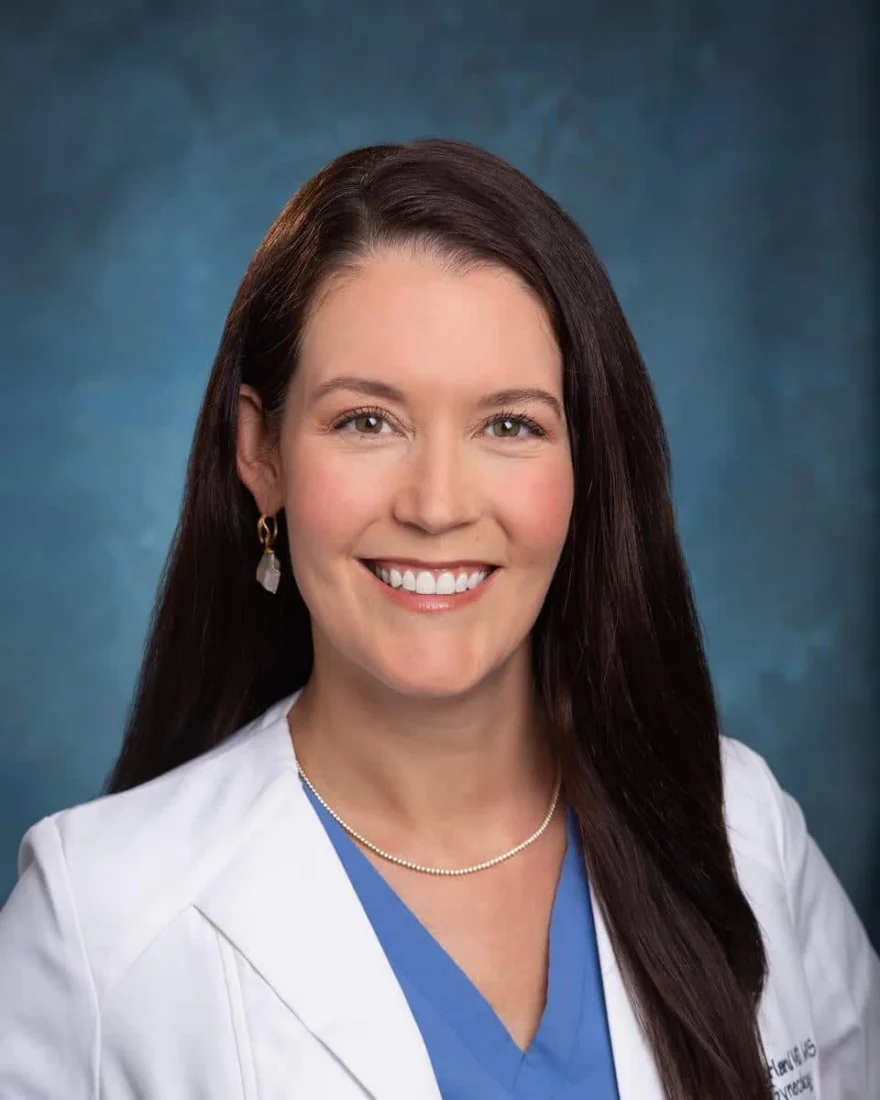
Dr. Rachael Haverland
Endometriosis Excision Surgeon
Fellowship-trained at Mayo Clinic under endometriosis surgery pioneers. She removes endometriosis from the bowel, bladder, nerves, and diaphragm, and holds Master Surgeon status at DFW hospitals.
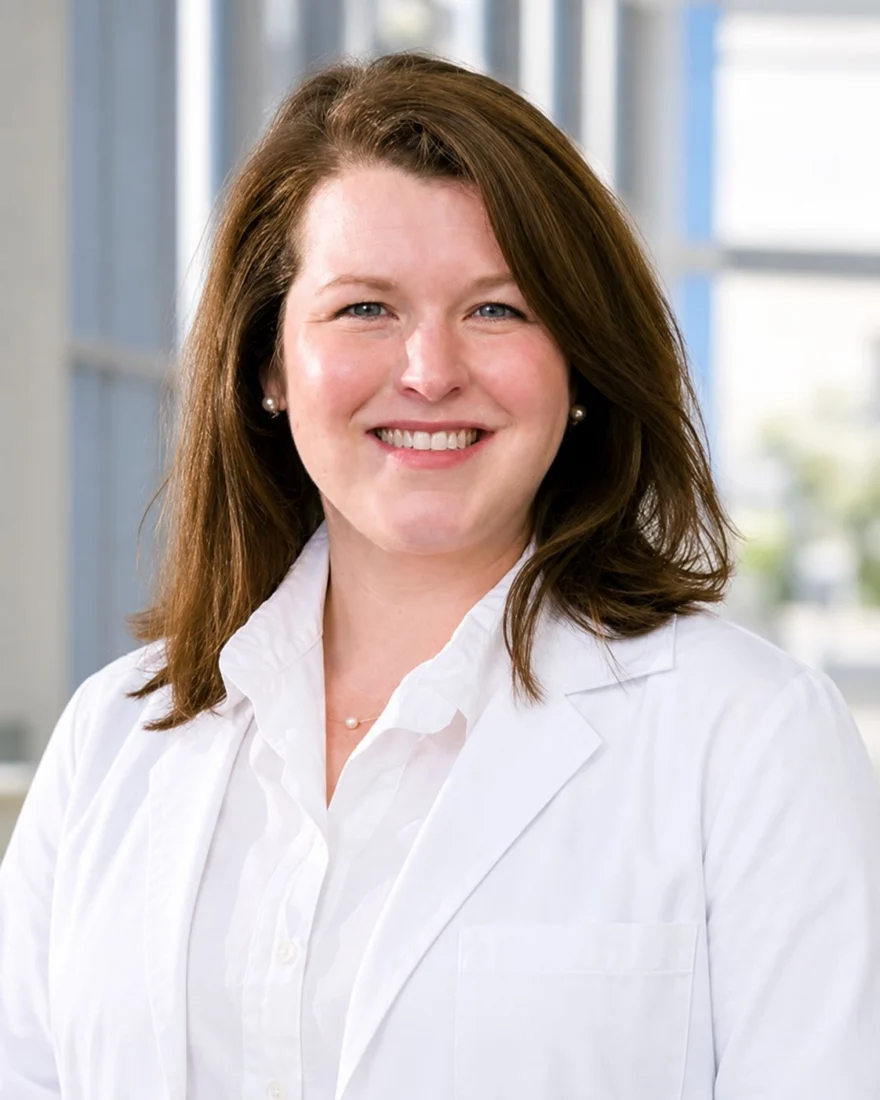
Dr. Katherine Smith
Minimally Invasive Gynecologic Surgeon
Fellowship-trained at Cleveland Clinic Florida. She excises deep endometriosis on the bowel, bladder, and ureters, and also treats adenomyosis, fibroids, ovarian cysts, and abnormal uterine bleeding.
How the Practice Came Together
Dr. Rachael Haverland trained in minimally invasive endometriosis surgery at Mayo Clinic, then built this Dallas practice around one decision: cut endometriosis out rather than burn its surface, and surround each patient with the specialists that disease on the bowel, bladder, or pelvic floor calls for.
Dr. Katherine Smith has now joined her, bringing fellowship training from Cleveland Clinic Florida and a second surgeon for complex cases. The approach stays the same: listen first, excise completely, and coordinate everything that surgery alone cannot fix.
Common Symptoms
Endometriosis is not technically classified as an autoimmune disease however it may cause an imbalanced immune response as it can be linked to many auto-immune diseases.
Pelvic Pain
Inflammation and lesions from endometriosis outside the uterus cause common pelvic pain.
Painful Intercourse
Endometrial growths affect pelvic tissues, making intercourse painful.
Fatigue
Chronic pain and inflammation from endometriosis often lead to persistent fatigue.
Bowel or Urinary Problems
Lesions on the bowel or bladder cause digestive issues and urinary discomfort.
Bleeding or Spotting Between Periods
Endometriosis may lead to abnormal bleeding or spotting between menstrual cycles.
Bloating, Nausea, or Vomiting
Inflammation can result in bloating, nausea, or vomiting due to endometriosis.
Featured Headlines
Endometriosis Insights

Why Standard Ultrasounds Can Miss Endometriosis
Why Standard Ultrasounds Can Miss Endometriosis
Read More
Flare-Up or Healing? Pain Fluctuations After Surgery
Flare-Up or Healing? Pain Fluctuations After Surgery
Read More
The “Endo Belly” After Excision: Why Post-Surgery Swelling Happens and How to Soothe It
The “Endo Belly” After Excision: Why Post-Surgery Swelling Happens and How to Soothe It
Read More
Tight Pelvic Floor With Endometriosis? Stretches to Try
Tight Pelvic Floor With Endometriosis? Stretches to Try
Read More
How to Advocate for Yourself When You Suspect Complex Endometriosis
How to Advocate for Yourself When You Suspect Complex Endometriosis
Read MoreCall (214) 281-4460
or request an appointment online