
Bowel Endometriosis Surgery
Specialist Evaluation, Surgical Options and Recovery
Endometriosis Center of Excellence in Dallas evaluates and treats endometriosis that involves the bowel, most often the rectum and sigmoid colon. Our two surgeons, Dr. Rachael Haverland and Dr. Katherine Smith, are board certified and hold the ABOG Focused Practice Designation in Minimally Invasive Gynecologic Surgery. Both perform minimally invasive excision of deep endometriosis, including disease on the bowel, and plan bowel surgery with a colorectal surgeon when it is needed.
A consultation is a sensible next step if you have a bowel endometriosis diagnosis, imaging that shows a nodule near the rectum, or bowel symptoms that flare with your cycle and have not improved with treatment.

Bowel endometriosis does not always need surgery. Some patients with mild or stable symptoms do well with hormonal treatment and regular follow-up. Surgery is more often discussed when pain or bowel symptoms continue despite medical treatment, when hormones are not suitable or not wanted, when the bowel is narrowed, or when disease may be affecting fertility or nearby organs such as the ureters.
Painful bowel movements, bloating, constipation or diarrhea that flare around your period can also come from irritable bowel syndrome, and the two conditions can occur together.
At a consultation, your surgeon reviews your symptoms, prior treatment, imaging and goals, then explains whether surgery, medical treatment or a combination is the better fit for you.

Many patients can receive a clinical diagnosis of endometriosis from their history, a pelvic exam and imaging, without surgery. For bowel disease, specialist imaging also helps map where the disease sits and how deep it goes. Imaging can miss small or superficial disease, so a normal scan does not always rule endometriosis out. New or heavy rectal bleeding should be checked promptly, because it has many possible causes.
Your history, including bowel, bladder and pain symptoms that change with your cycle.
A pelvic exam, with your consent, to check for tender areas or nodules.
Specialist ultrasound or MRI to estimate the size, depth and location of disease.
Colonoscopy in some cases, to examine the bowel lining and check for other causes.
How deep the disease goes into the bowel wall matters, but it is only one of several factors in how bowel endometriosis is treated. Your surgeon weighs what imaging shows, what is found during surgery and what matters most to you, including how you balance more complete removal against the risk of complications.
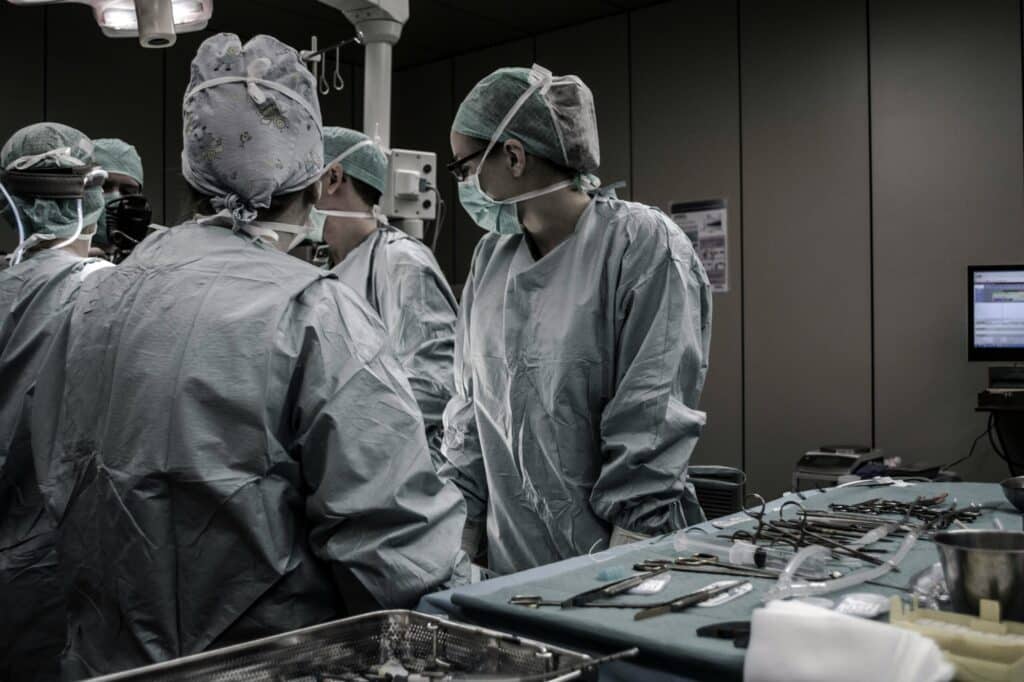
For many patients with symptomatic bowel endometriosis, excision improves pain, bowel symptoms and quality of life, and it may help some patients who are trying to conceive. Results vary, and no surgery can promise complete removal of disease or permanent relief.
Possible risks include bleeding, infection, injury to the bowel, bladder, ureters, nerves or blood vessels, conversion to open surgery, blood clots and anesthesia complications. Bowel surgery adds specific risks: a leak where the bowel was repaired or joined, a fistula (an abnormal connection, for example between the rectum and vagina), narrowing at the join, and changes in bowel or bladder function such as urgency, frequency or difficulty emptying. Some patients need a temporary stoma, which is closed in a later operation. Risk generally rises with more extensive surgery and with disease low in the rectum.
Surgery also has limits. Pain can continue when it comes from other sources, such as adenomyosis, pelvic floor muscle tension or nerve sensitization. Endometriosis can recur, and some patients need hormonal treatment, pelvic floor physical therapy, pain management or further surgery afterward. Your surgeon reviews how these risks and limitations apply to you before you decide.
Recovery depends on the technique used. After a shave, many patients go home sooner and return to normal activity faster than after a disc excision or segmental resection, which usually means a longer hospital stay and a more gradual return to eating. Bowel habits can take weeks to months to settle, and some changes may last longer.
Your surgeon gives you a plan for diet, activity, medicines and follow-up. Call our office during business hours at (214) 281-4460 with routine questions, such as mild nausea, constipation, expected soreness, or when you can drive, exercise or return to work. Symptoms that may signal a complication need emergency care, as described below.

Go to the nearest emergency room or call 911 if you have any of these symptoms after bowel surgery. Do not leave a voicemail or wait for office hours.
A bowel leak most often shows up in the first days to weeks after surgery, so take new pain or fever seriously even after you are home. If you have a stoma, your team also explains its specific warning signs before you leave the hospital.
Bowel surgery is planned in stages, so you understand your options and the right specialists are involved before you decide.
Your symptoms, prior treatment and goals are reviewed with your surgeon.
Ultrasound or MRI maps the disease near the bowel.
Colorectal surgery and other specialists join when needed.
Disease is excised and tissue is sent to a pathologist.
Endometriosis Center of Excellence, at 8140 Walnut Hill Lane, Suite 106, Dallas, TX 75231, is the surgical practice of Dr. Rachael Haverland and Dr. Katherine Smith. Both are board certified by ABOG and hold its Focused Practice Designation in Minimally Invasive Gynecologic Surgery. For bowel disease they coordinate with colorectal surgery, and with urology, fertility specialists, pelvic floor physical therapy and pain management when needed.

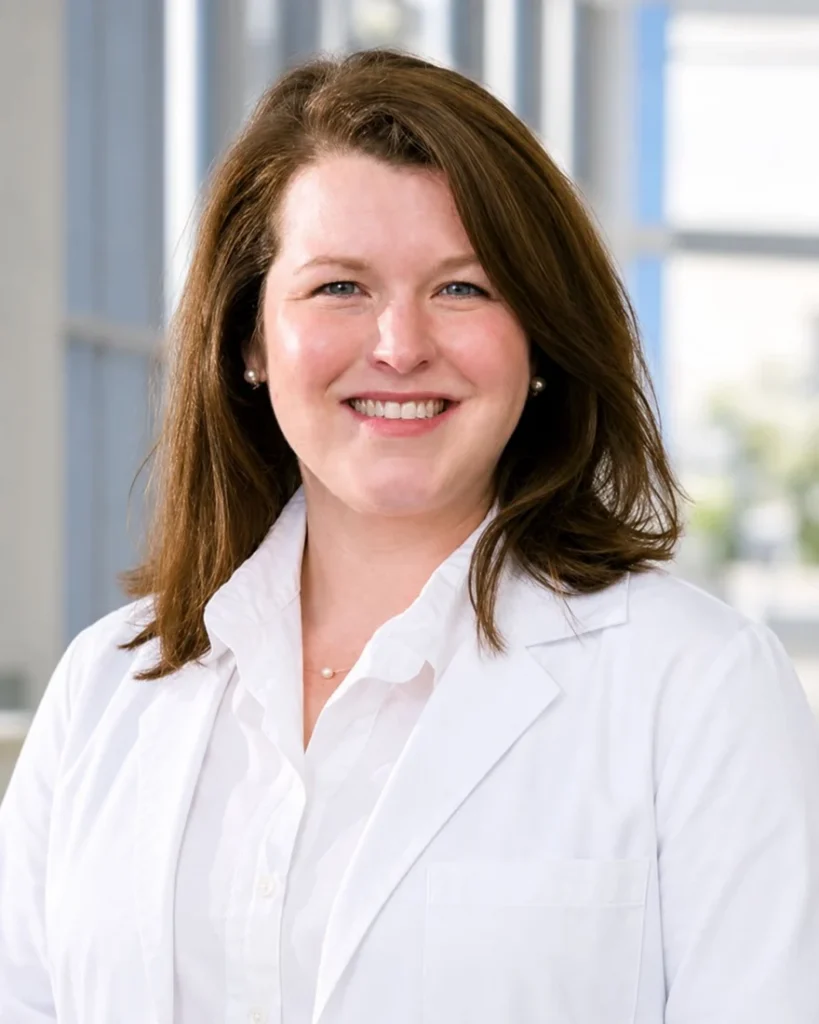
Dr. Rachael Haverland
Dr. Katherine Smith
Not always. If symptoms are mild or controlled with hormonal treatment, monitoring may be reasonable. Surgery is more often discussed when pain or bowel symptoms persist despite treatment, when the bowel is narrowed, or when disease affects fertility or other organs. You and your surgeon make this decision together after reviewing your symptoms, imaging and goals.
It is major surgery that needs careful planning. A shave is generally less extensive than a disc excision or segmental resection. Risks include bleeding, infection, injury to nearby organs, a leak or fistula where the bowel is repaired, changes in bowel or bladder function, and sometimes a temporary stoma. Your surgeon explains your individual risks before you decide.
Not necessarily. Many nodules can be treated with a shave or disc excision. A resection is more often considered when disease is larger, narrows the bowel, involves several nodules, or cannot be removed safely another way. Imaging helps predict the likely technique, but findings during surgery can change the plan, and your surgeon discusses that possibility with you beforehand.
It is usually performed by an endometriosis excision surgeon, with a colorectal surgeon involved when the bowel wall needs to be opened or a segment removed. Dr. Haverland and Dr. Smith coordinate with colorectal surgery when needed, and you will know your planned team before surgery day.
A shave removes the nodule from the bowel wall layer by layer, usually without opening the bowel. A disc excision removes a full-thickness disc of wall containing the nodule and closes the opening. A segmental resection removes a section of bowel and joins the ends. More extensive techniques may remove disease more completely but carry a higher risk of complications.
Most patients do not. A temporary stoma is sometimes created after a disc excision or a resection low in the rectum, to protect the join while it heals. It is usually closed in a later, smaller operation. Your surgeon tells you before surgery whether a stoma is possible in your case.
It depends on the technique and how much was removed. Recovery after a shave is usually shorter than after a disc excision or resection, and bowel habits can take weeks to months to settle. Your surgeon gives you a plan for diet, activity and follow-up. Severe pain, fever, heavy bleeding or vomiting after surgery need emergency care.
If you have bowel symptoms that follow your cycle, a bowel endometriosis diagnosis or imaging that shows a nodule, a consultation can help you understand your options. Book online or call the office, and bring your symptom notes, imaging reports and records of any prior surgery or treatment.