

Bloating, abdominal pain, constipation, diarrhea, and changing bowel habits are commonly associated with irritable bowel syndrome. For some patients, an IBS diagnosis explains their symptoms and leads to effective management. For others, it may explain only part of the problem.
Questions may arise when bowel symptoms continue despite treatment or occur alongside painful periods, deep pelvic pain, pain during sex, or urinary concerns. These patterns do not prove that IBS was misdiagnosed, but they may suggest that evaluation by an experienced endometriosis specialist could help determine whether endometriosis, pelvic floor dysfunction, or another gastrointestinal condition should also be considered.
The answer is not always IBS or bowel endometriosis. Both conditions may occur together, and endometriosis may contribute to digestive symptoms without directly involving the bowel wall. A careful evaluation considers the complete symptom pattern rather than relying on one sign or test.
Severe abdominal pain, persistent vomiting, fever, significant rectal bleeding, abdominal swelling, or an inability to pass stool or gas requires prompt medical attention.
An IBS Diagnosis May Be Correct Without Explaining Everything

IBS is a recognized digestive disorder involving repeated abdominal pain and changes in bowel movements, which may include constipation, diarrhea, or both. Diagnosis usually involves reviewing the symptom pattern, medical and family history, and physical examination. Testing may be recommended in some cases to investigate other possible conditions.
Receiving an IBS diagnosis does not mean symptoms are imaginary or unimportant. IBS may significantly affect eating, work, sleep, travel, exercise, and everyday routines.
At the same time, patients do not have to assume that every future digestive or pelvic symptom belongs to that diagnosis.
What IBS May Help Explain
IBS commonly involves abdominal pain associated with bowel movements and changes in stool frequency or consistency. Symptoms may include:
-
Constipation
-
Diarrhea
-
Alternating constipation and diarrhea
-
Abdominal cramping
-
Bloating or distension
-
A feeling that a bowel movement is incomplete
Constipation
Diarrhea
Alternating constipation and diarrhea
Abdominal cramping
Bloating or distension
A feeling that a bowel movement is incomplete
Some patients notice that symptoms change with particular foods, stress, travel, illness, sleep disruption, or other factors. The pattern may also change over time.
These symptoms can overlap with endometriosis and several other gastrointestinal or pelvic conditions. The presence of bloating or constipation alone cannot identify the underlying cause.
Why Certain Symptoms May Deserve Another Look
A patient may want to revisit the current explanation when bowel symptoms occur alongside concerns that the IBS treatment plan does not fully address.
Examples may include:
-
Deep pelvic pain in addition to abdominal discomfort
-
Bowel movements that are consistently painful
-
Rectal pressure or sharp pain during defecation
-
Digestive symptoms that noticeably worsen around menstruation
-
Period pain that interferes with normal activity
-
Deep pain during or after sex
-
Bladder symptoms occurring with bowel and pelvic pain
-
Symptoms that continue despite meaningful improvement in stool frequency or consistency
-
A previous history of endometriosis or pelvic surgery
Deep pelvic pain in addition to abdominal discomfort
Bowel movements that are consistently painful
Rectal pressure or sharp pain during defecation
Digestive symptoms that noticeably worsen around menstruation
Period pain that interferes with normal activity
Deep pain during or after sex
Bladder symptoms occurring with bowel and pelvic pain
Symptoms that continue despite meaningful improvement in stool frequency or consistency
A previous history of endometriosis or pelvic surgery
None of these symptoms confirms bowel endometriosis. Their importance lies in showing that a digestive diagnosis may not account for the entire experience.
A patient who tells a clinician only about constipation may receive a different evaluation from one who explains that constipation occurs with severe period pain, painful intercourse, and rectal pressure. Both descriptions may be accurate, but the second provides a broader clinical picture.
IBS and Endometriosis May Occur Together
IBS and endometriosis should not always be treated as competing diagnoses. Research has found an association between the conditions, which means some patients may meet diagnostic criteria for IBS while also having endometriosis. The available evidence does not show that one diagnosis automatically causes the other or that every patient with endometriosis has IBS.
This possibility can change how treatment response is interpreted.
Dietary adjustments or IBS medication may improve gas, stool consistency, or abdominal cramping while deep pelvic pain continues. Hormonal treatment may reduce menstrual pain without resolving constipation or food-related bloating.
Partial improvement does not necessarily prove that the original diagnosis was wrong. It may indicate that the treatment addressed one contributor while another still requires attention.
Look at the Pattern Rather Than One “Tell-Tale” Sign

Patients are often told that IBS symptoms are associated with food and stress, while endometriosis symptoms are associated with menstruation. Although these patterns can provide useful information, the distinction is rarely that simple.
Food, stress, bowel movements, pelvic muscle tension, hormonal changes, and the menstrual cycle may all influence how symptoms are experienced.
Menstrual Timing Provides Context, Not Confirmation
Bowel symptoms that predictably worsen before or during menstruation may encourage a clinician to consider endometriosis, particularly when they occur with pelvic pain, painful periods, or pain during sex.
Useful details may include whether constipation, diarrhea, bloating, rectal pressure, or painful bowel movements change:
-
During the days before menstruation
-
On the heaviest days of a period
-
Around ovulation
-
At other predictable points in the cycle
-
During the entire month, with an additional menstrual flare
During the days before menstruation
On the heaviest days of a period
Around ovulation
At other predictable points in the cycle
During the entire month, with an additional menstrual flare
However, symptoms that worsen during menstruation are not unique to endometriosis. Studies have found that gastrointestinal symptoms in patients with IBS can also vary during the menstrual cycle. Menstrual timing should therefore be considered one part of the history rather than proof of a particular diagnosis.
The reverse is also important: endometriosis-related symptoms do not have to disappear when a period ends. Some patients may experience discomfort throughout the month, especially when pain has been present for a long time or when several conditions contribute.
Pelvic Symptoms May Complete the Picture
Patients seeking gastrointestinal care may not realize that menstrual, sexual, urinary, or fertility concerns could be relevant to bowel symptoms.
It may be helpful to mention:
-
Period pain that limits work, school, sleep, or normal activity
-
Pain deep in the pelvis during or after sex
-
Pelvic pressure or heaviness
-
Pain that spreads into the back, hip, buttock, or upper leg
-
Urinary urgency, frequency, or discomfort
-
Pain during pelvic examinations
-
Difficulty becoming pregnant
-
A close family history of endometriosis
-
Previous ovarian cysts or pelvic procedures
Period pain that limits work, school, sleep, or normal activity
Pain deep in the pelvis during or after sex
Pelvic pressure or heaviness
Pain that spreads into the back, hip, buttock, or upper leg
Urinary urgency, frequency, or discomfort
Pain during pelvic examinations
Difficulty becoming pregnant
A close family history of endometriosis
Previous ovarian cysts or pelvic procedures
These concerns do not necessarily point to bowel-wall endometriosis. They may indicate that a gynecologic or pelvic evaluation could add useful information to the gastrointestinal assessment.
Symptoms May Not Follow a Perfect Cycle
Some patients postpone discussing endometriosis because their symptoms are not strictly cyclical. They may experience bloating most days, constipation throughout the month, or pain that no longer follows a clear menstrual pattern.
The absence of a predictable cycle does not establish or exclude endometriosis.
Persistent symptoms may reflect several possible factors, such as IBS, endometriosis, adhesions, pelvic floor muscle tension, chronic constipation, heightened pain sensitivity, or another gastrointestinal condition. The purpose of evaluation is to consider these possibilities rather than forcing the symptoms into one category.
Treatment Response Can Offer Clues Without Making the Diagnosis

How symptoms respond to treatment can provide useful information, but it should not be used as a stand-alone diagnostic test. Improvement after an IBS treatment does not prove that endometriosis is absent. Limited improvement does not prove that bowel endometriosis is present. The most helpful approach is often to identify exactly what changed.
Notice What Improved and What Remained
Instead of reporting that a treatment “worked” or “did not work,” patients may benefit from separating the response into individual symptoms.
For example:
-
Did constipation improve while bowel movements remained painful?
-
Did bloating decrease while deep pelvic pressure continued?
-
Did abdominal cramping improve while period pain remained disabling?
-
Did medication regulate bowel movements without changing pain during sex?
-
Did avoiding a particular food help daily symptoms but not menstrual flares?
-
Did hormonal treatment improve period-related pain while food-related symptoms continued?
Did constipation improve while bowel movements remained painful?
Did bloating decrease while deep pelvic pressure continued?
Did abdominal cramping improve while period pain remained disabling?
Did medication regulate bowel movements without changing pain during sex?
Did avoiding a particular food help daily symptoms but not menstrual flares?
Did hormonal treatment improve period-related pain while food-related symptoms continued?
These details may help clinicians determine whether more than one process is affecting the patient.
They can also prevent a useful treatment from being dismissed simply because it did not resolve every symptom.
Diet Should Not Be Used as a Diagnostic Test
Food can influence digestive symptoms in many conditions. A patient may feel worse after certain meals whether the underlying issue is IBS, endometriosis, constipation, pelvic floor dysfunction, or a combination of concerns.
Feeling better after removing a particular food does not confirm IBS. Similarly, failing to improve after dietary restriction does not establish bowel endometriosis.
Repeatedly eliminating foods without guidance may also make eating more stressful and could create nutritional concerns. Patients who are making substantial dietary changes may benefit from working with a qualified clinician or dietitian who understands gastrointestinal symptoms and the broader medical history.
The objective should be to identify a sustainable approach that supports nutrition and symptom management, not to use food restriction as proof of a diagnosis.
Track Function, Not Only Pain Scores
A symptom record may help patients show patterns that are difficult to remember during an appointment. It does not need to be elaborate.
Useful information may include:
-
Menstrual cycle dates
-
Stool frequency and consistency
-
Pain before, during, or after bowel movements
-
Bloating or abdominal swelling
-
Food-related changes
-
Stress or sleep changes
-
Pelvic, bladder, or sexual symptoms
-
Medications and dietary changes attempted
-
Which symptoms improved or remained
-
Missed work, interrupted sleep, or reduced activity
Menstrual cycle dates
Stool frequency and consistency
Pain before, during, or after bowel movements
Bloating or abdominal swelling
Food-related changes
Stress or sleep changes
Pelvic, bladder, or sexual symptoms We cover this further in Can Endometriosis Affect the Bladder.
Medications and dietary changes attempted
Which symptoms improved or remained
Missed work, interrupted sleep, or reduced activity
A pain score alone may not show the full impact. A patient who rates pain as a six but cannot sit through a workday or avoids eating before leaving home may be experiencing significant disruption.
ESHRE notes that symptom diaries may complement history-taking and help patients communicate their experiences, although they cannot diagnose endometriosis on their own.
Different Evaluations Answer Different Questions
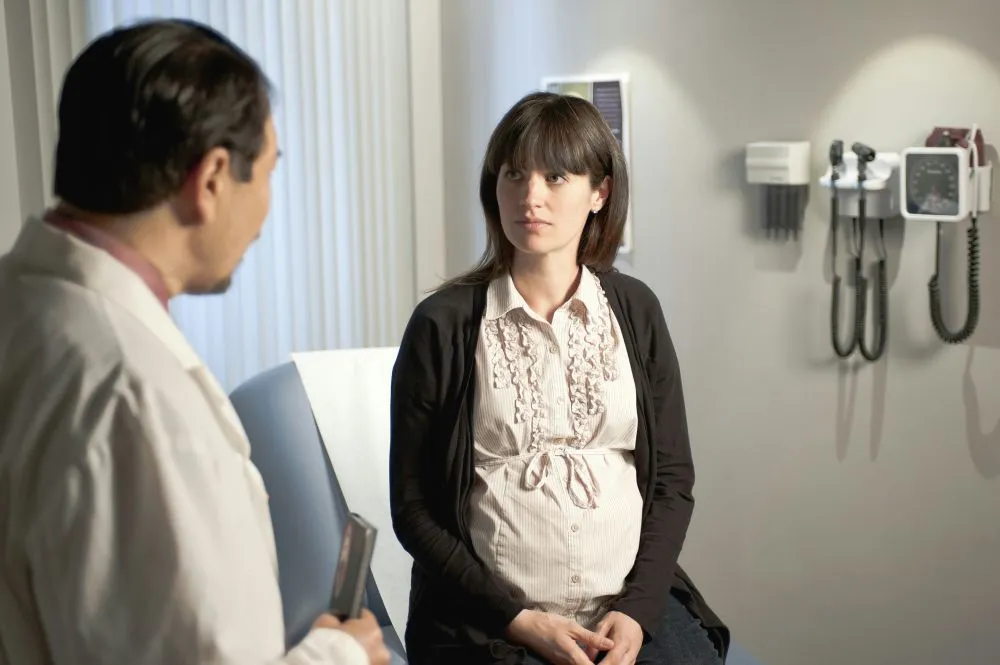
IBS and endometriosis are evaluated differently because they involve different areas of medicine. A gastrointestinal assessment may help identify patterns consistent with IBS and investigate other digestive conditions. An endometriosis-focused assessment considers pelvic, menstrual, sexual, urinary, and reproductive symptoms alongside bowel concerns. Read more in Understanding Endometriosis vs IBS Symptoms: Key Differences.
Some patients may benefit from both perspectives.
Gastrointestinal Evaluation Looks Beyond IBS
During a gastrointestinal evaluation, a clinician may review:
-
The location and timing of abdominal pain
-
Stool consistency and frequency
-
Whether pain changes after a bowel movement
-
Food-related symptoms
-
Medications and supplements
-
Family history
-
Previous infections or illnesses
-
Rectal bleeding, anemia, weight changes, or other concerning signs
The location and timing of abdominal pain
Stool consistency and frequency
Whether pain changes after a bowel movement
Food-related symptoms
Medications and supplements
Family history
Previous infections or illnesses
Rectal bleeding, anemia, weight changes, or other concerning signs
IBS is commonly diagnosed by identifying a characteristic symptom pattern. Depending on the history, clinicians may also order blood tests, stool studies, colonoscopy, or other investigations to evaluate possible alternative causes. Not every patient requires the same testing. We cover this further in IBS or Endo Belly? Key Differences Explained.
The purpose of a test matters. A colonoscopy recommended to investigate bleeding or inflammatory bowel disease answers a different question from imaging used to assess suspected deep endometriosis.
Why a Normal Colonoscopy May Not Settle the Endometriosis Question
A colonoscopy examines the inner surface of the large intestine. This can be useful for identifying conditions affecting the bowel lining and for investigating symptoms such as rectal bleeding or a significant change in bowel habits.
Bowel endometriosis, however, often begins on the outer surface of the bowel or within deeper layers rather than the inner lining viewed during colonoscopy. Understanding how bowel endometriosis is treated can provide additional context when direct bowel involvement is suspected. Studies of colorectal endometriosis have found that involvement of the bowel’s innermost layer is relatively uncommon. As a result, colonoscopy findings may appear normal even when endometriosis is present on or within other layers of the bowel.
This does not make colonoscopy unnecessary when a gastroenterologist recommends it. The procedure may still help identify or exclude other gastrointestinal concerns.
It simply means that a normal colonoscopy does not necessarily answer every question about possible pelvic or bowel endometriosis.
What an Endometriosis-Focused Evaluation May Include
An endometriosis evaluation commonly begins with a detailed history. The specialist may ask about periods, bowel and bladder function, sexual pain, previous treatment, fertility plans, and how symptoms affect everyday life.
Depending on the patient’s circumstances, the evaluation may also include:
-
An abdominal or pelvic examination
-
Review of previous operative and pathology reports
-
Review of prior ultrasound or MRI images
-
Transvaginal ultrasound
-
Specialist imaging when deep disease is suspected
-
Discussion of medical management
-
Discussion of whether surgical evaluation is appropriate
An abdominal or pelvic examination
Review of previous operative and pathology reports
Review of prior ultrasound or MRI images
Transvaginal ultrasound
Specialist imaging when deep disease is suspected
Discussion of medical management
Discussion of whether surgical evaluation is appropriate
NICE recommends transvaginal ultrasound during the evaluation of suspected endometriosis, including when a pelvic examination is normal. The guidance also states that normal examination or ultrasound findings should not automatically exclude endometriosis. Patients with suspected deep disease involving the bowel, bladder, or ureters may be referred to a specialist endometriosis service.Ultrasound and MRI may help identify deep endometriosis and assist with treatment planning, but negative imaging cannot exclude every form of the disease.
ESHRE similarly advises that imaging results should be interpreted with an understanding that superficial disease may not be visible.
Ask What May Be Contributing to the Symptoms

The phrase “bowel endometriosis” is sometimes used broadly to describe digestive symptoms in a patient with endometriosis. Clinically, however, digestive concerns do not always mean that lesions have grown into the bowel wall. Several contributors may need to be considered.
Digestive Symptoms Do Not Always Mean Direct Bowel Involvement
A patient with endometriosis may experience constipation, bloating, diarrhea, rectal pressure, or painful bowel movements for several possible reasons.
Depending on the individual, clinicians may consider:
-
Endometriosis on or within the bowel
-
Endometriosis in nearby pelvic tissue
-
Adhesions that limit normal movement between organs
-
IBS
-
Chronic constipation
-
Pelvic floor dysfunction
-
Another gastrointestinal condition
-
More than one of these factors at the same time
Endometriosis on or within the bowel
Endometriosis in nearby pelvic tissue
Adhesions that limit normal movement between organs
IBS
Chronic constipation
Pelvic floor dysfunction
Another gastrointestinal condition
More than one of these factors at the same time
Symptoms alone may not distinguish between these possibilities. Even imaging may not identify every contributor.
This is why it may be more useful to ask, “What could be contributing to these bowel symptoms?” rather than assuming that all digestive discomfort must come from either IBS or a visible bowel lesion.
Pelvic Floor Dysfunction May Resemble a Bowel Disorder
The pelvic floor muscles support the pelvic organs and help coordinate bowel movements. These muscles normally need to relax appropriately during defecation.
When they remain tight or do not coordinate effectively, patients may experience:
-
Straining even when the stool is not hard
-
Difficulty beginning a bowel movement
-
A feeling of incomplete emptying
-
Rectal or pelvic pressure
-
Pain during or after defecation
-
A sensation of blockage
-
The need to change position to empty the bowel
Straining even when the stool is not hard
Difficulty beginning a bowel movement
A feeling of incomplete emptying
Rectal or pelvic pressure
Pain during or after defecation
A sensation of blockage
The need to change position to empty the bowel
Pelvic floor physical therapy may be considered when a muscular or coordination problem is identified. However, physical therapy cannot diagnose or remove endometriosis lesions, and symptoms such as rectal bleeding, severe constipation, marked swelling, or cyclical bowel pain still require medical evaluation.
More Than One Contributor May Need Care
When symptoms have several sources, one treatment may not reasonably be expected to address all of them. An individualized plan might include:
-
Gastrointestinal treatment for IBS or another bowel condition
-
Medication for constipation or diarrhea
-
Pelvic floor physical therapy when muscle dysfunction is present
-
Medical management for selected endometriosis symptoms
-
Support for chronic pain
-
Nutritional guidance
-
Endometriosis surgery when appropriate after specialist evaluation
-
Coordination with gastroenterology or colorectal surgery
Gastrointestinal treatment for IBS or another bowel condition
Medication for constipation or diarrhea
Pelvic floor physical therapy when muscle dysfunction is present
Medical management for selected endometriosis symptoms
Support for chronic pain
Nutritional guidance
Endometriosis surgery when appropriate after specialist evaluation
Coordination with gastroenterology or colorectal surgery
Surgery should not be viewed as the automatic next step whenever IBS treatment provides incomplete relief. The decision may depend on symptoms, imaging, organ function, previous treatment, fertility priorities, likely benefits, and surgical risks.
Likewise, patients with confirmed endometriosis should not assume that surgery will resolve every digestive symptom when IBS, pelvic floor dysfunction, or another gastrointestinal condition may also be present.
Prepare for a More Productive Evaluation
Patients do not need to determine the correct diagnosis before seeking care. Their role is to describe the full experience as accurately as possible and provide relevant records.
A well-prepared consultation may help the clinician see connections that were less visible when bowel, menstrual, and pelvic symptoms were discussed separately.
Bring the History That Connects the Symptoms
Useful records may include:
-
A menstrual and bowel symptom diary
-
Gastroenterology consultation notes
-
Blood and stool test results
-
Colonoscopy reports
-
Ultrasound and MRI reports
-
Original imaging files when available
-
Previous operative reports
-
Surgical photographs
-
Pathology results
-
A list of medications and supplements
-
Dietary approaches attempted
-
Pelvic floor physical therapy records
-
Fertility or urinary evaluations
A menstrual and bowel symptom diary
Gastroenterology consultation notes
Blood and stool test results
Colonoscopy reports
Ultrasound and MRI reports
Original imaging files when available
Previous operative reports
Surgical photographs
Pathology results
A list of medications and supplements
Dietary approaches attempted
Pelvic floor physical therapy records
Fertility or urinary evaluations
Patients may also want to write a brief timeline showing when the symptoms began, which diagnoses were given, what treatments were tried, and how each treatment affected the symptoms.
This can be more informative than presenting only a current list of complaints.
Questions to Ask a Gastroenterologist
Patients may consider asking:
-
Does IBS account for all of my symptoms?
-
Are there other gastrointestinal conditions that should be considered?
-
What is the purpose of each recommended test?
-
Would a colonoscopy answer questions about my symptoms?
-
Could pelvic floor dysfunction affect bowel emptying?
-
Do my menstrual or pelvic symptoms suggest that gynecologic evaluation may be useful?
-
Should my gastroenterology and gynecology teams share records?
Does IBS account for all of my symptoms?
Are there other gastrointestinal conditions that should be considered?
What is the purpose of each recommended test?
Would a colonoscopy answer questions about my symptoms?
Could pelvic floor dysfunction affect bowel emptying?
Do my menstrual or pelvic symptoms suggest that gynecologic evaluation may be useful?
Should my gastroenterology and gynecology teams share records?
The goal is not to ask the gastroenterologist to diagnose endometriosis. It is to understand which concerns the gastrointestinal evaluation can address and whether another perspective may be helpful.
Questions to Ask an Endometriosis Specialist
Useful questions may include:
-
Could endometriosis contribute to bowel symptoms without growing into the bowel wall?
-
Do my symptoms suggest that specialist ultrasound or MRI may be useful?
-
Could IBS or another digestive disorder also be present?
-
Would reviewing my original imaging change the assessment?
-
Could pelvic floor dysfunction contribute to these symptoms?
-
Which non-surgical options may be appropriate?
-
What would be the purpose of surgery in my case?
-
When might gastroenterology or colorectal consultation be considered?
Could endometriosis contribute to bowel symptoms without growing into the bowel wall?
Do my symptoms suggest that specialist ultrasound or MRI may be useful?
Could IBS or another digestive disorder also be present?
Would reviewing my original imaging change the assessment?
Could pelvic floor dysfunction contribute to these symptoms?
Which non-surgical options may be appropriate?
What would be the purpose of surgery in my case?
When might gastroenterology or colorectal consultation be considered?
A careful consultation should clarify what is known, what remains uncertain, and which next steps may provide useful information.
Frequently Asked Questions
Can a patient have IBS and bowel endometriosis at the same time?
Yes, the conditions may coexist. Research has found that IBS is reported more frequently among patients with endometriosis than among comparison groups, although the reasons for this association are still being studied.
Having both conditions may mean that treatment needs to address different symptom sources. Improvement in one area does not necessarily mean every symptom will resolve.
Do bowel endometriosis symptoms have to occur only during a period?
No. Symptoms may become more noticeable before or during menstruation, but they can also occur at other times. A menstrual pattern can provide useful information, especially when bowel pain occurs with disabling period pain or other pelvic symptoms. However, IBS symptoms may also change during the menstrual cycle, and endometriosis-related symptoms can become persistent. Timing should be considered alongside the entire history.
Can endometriosis cause bowel symptoms without growing into the bowel?
Digestive symptoms may occur in patients with endometriosis even when direct bowel-wall involvement has not been identified. Possible contributors may include disease near the bowel, adhesions, pelvic floor dysfunction, constipation, IBS, or other gastrointestinal conditions. Evaluation is needed to determine which explanation or combination of explanations is most likely for an individual patient.
Does a normal colonoscopy rule out bowel endometriosis?
Not necessarily. Colonoscopy evaluates the inner surface of the bowel, while endometriosis frequently affects the outer surface or deeper bowel-wall layers.
A normal colonoscopy may therefore be reassuring regarding some gastrointestinal conditions without excluding endometriosis. The test may still be important when recommended to investigate bleeding, inflammatory bowel disease, polyps, or another bowel concern.
Should a patient see a gastroenterologist or an endometriosis specialist?
The most appropriate starting point depends on the symptoms and medical history. Patients with changes in bowel habits, bleeding, unexplained weight loss, or other gastrointestinal concerns may need gastroenterology evaluation.
Patients with bowel symptoms occurring alongside severe menstrual pain, deep pain during sex, pelvic pressure, fertility concerns, or a history of endometriosis may benefit from an endometriosis-focused evaluation. Some patients may need both specialties. Collaborative care can be more useful than requiring one clinician to explain every symptom.
A Diagnosis Should Account for the Whole Pattern
Persistent bowel symptoms do not always fit neatly into one category. An IBS diagnosis may be accurate but incomplete. Endometriosis may contribute to digestive concerns without directly involving the bowel wall. IBS and endometriosis may also occur together, while pelvic floor dysfunction or another gastrointestinal condition may add another layer.
Further evaluation should not begin with the assumption that one diagnosis must be discarded. It should ask whether the current explanation accounts for the full symptom pattern and whether another source of pain or bowel dysfunction deserves attention.
The timing of symptoms, associated pelvic concerns, response to previous treatment, imaging findings, and functional impact can all contribute useful information. No single symptom, diet, colonoscopy, ultrasound, or MRI can answer every question by itself.
At the Endometriosis Center of Excellence, bowel concerns are considered alongside menstrual patterns, pelvic and bladder symptoms, previous testing, fertility goals, prior treatment, and possible overlapping conditions. Dr. Rachael Haverland is a board-certified gynecologist who completed fellowship training in minimally invasive gynecologic surgery at Mayo Clinic. When appropriate, care may also involve pelvic floor, gastrointestinal, colorectal, or other specialist support.
Patients whose bowel symptoms remain unexplained or incompletely managed may schedule a consultation to discuss whether an endometriosis-focused evaluation could provide additional clarity.
This article provides general educational information and should not replace individualized medical advice, diagnosis, or treatment.