

Endometriosis and irritable bowel syndrome (IBS) frequently present with similar digestive and pelvic discomforts, often leading to delayed or incorrect diagnoses. Grasping the nuances of endometriosis versus IBS symptoms empowers women to identify the root cause of their distress and seek specialized care, such as that offered at EndoExcellence Center. This guide clarifies each condition, highlights overlapping signs, and navigates you through distinctive pain patterns, diagnostic approaches, and treatment strategies to ensure an accurate diagnosis and effective relief.
You will discover:
- The nature of endometriosis and its hallmark symptoms
- How IBS typically manifests and its common triggers
- The reasons behind the frequent confusion between these conditions
- Key indicators that distinguish pelvic pain from bowel symptoms
- The diagnostic methods specialists employ to differentiate them
- Treatment pathways tailored for endometriosis, IBS, or both
- Practical strategies for managing coexisting endometriosis and IBS
Understanding Endometriosis and Its Characteristic Symptoms
Endometriosis is a chronic inflammatory condition where tissue similar to the uterine lining grows outside the uterus, leading to cyclical pain and scarring. This misplaced tissue reacts to hormonal fluctuations, resulting in persistent discomfort and potential complications, including infertility.
How Endometriosis Can Impact Your Body Beyond Pelvic Pain
Endometriosis often extends beyond the pelvic region, affecting nearby organs and overall systemic health. Lesions can attach to the bladder, bowel, and lower back, causing: You may also find Can Endometriosis Affect the Bladder helpful.
- Persistent fatigue stemming from systemic inflammation
- Painful urination when lesions involve the bladder wall
- Dyschezia (painful bowel movements) that intensifies during menstruation
These manifestations outside the pelvis can signal more advanced disease and emphasize the importance of expert evaluation.
What Are the Specific Bowel Symptoms Associated with Endometriosis?
Bowel involvement is observed in up to 90 percent of endometriosis cases, with implants on the colon or rectum triggering:
- Cyclical bloating that becomes most pronounced around your period
- Constipation or alternating diarrhea, often linked to lesion-induced spasms
- Rectal bleeding or mucous discharge that coincides with menstrual cycles
When endometrial implants infiltrate the bowel wall, pain during bowel movements and hormonal shifts in the menstrual cycle can become significantly more intense.
Which Endometriosis Symptoms Overlap with IBS?
Symptoms common to both conditions can hinder timely diagnosis. A comparison of overlapping signs reveals:
Endometriosis can mimic IBS by causing fluctuating bowel habits and diffuse discomfort, yet the cyclical nature of the pain remains a crucial distinguishing factor.
Understanding Irritable Bowel Syndrome (IBS) and Its Typical Symptoms

Irritable bowel syndrome is a functional gastrointestinal disorder characterized by altered bowel habits and abdominal discomfort without any underlying structural abnormalities. The interplay between the gut and brain, along with heightened gut sensitivity, shapes its symptom profile.
What Are the Common Triggers and Symptom Patterns of IBS?
IBS symptoms often arise after identifiable triggers, including: You may also find Endometriosis Symptoms: Managing Digestive Issues helpful.
- Dietary Factors: Foods high in FODMAPs and fatty meals can provoke gas and pain.
- Stress and Anxiety: Emotional distress can heighten gut sensitivity.
- Hormonal Fluctuations: Some women notice their symptoms worsen around their menstrual cycle.
These triggers can exacerbate IBS-related cramping, bloating, and irregular bowel patterns, typically without the deep pelvic pain characteristic of endometriosis. We cover this further in IBS or Bowel Endometriosis? Why Symptoms May Overlap.
How Do IBS Symptoms Differ Across Subtypes Like IBS-C and IBS-D?
Understanding these subtype distinctions helps guide targeted dietary and pharmacological strategies to support bowel regularity and pain relief.
Why Is Endometriosis Frequently Mistaken for IBS?
The similar presentation of bloating, bowel irregularities, and abdominal pain significantly contributes to the diagnostic confusion between endometriosis and IBS.
What Shared Symptoms Lead to Diagnostic Confusion?
Both conditions can manifest with:
- Abdominal distension
- Changes in stool consistency
- Pain that can vary in intensity
However, endometriosis pain often feels deeper and is linked to hormonal cycles, whereas IBS discomfort is frequently associated with food intake and emotional stress.
How Prevalent Is Misdiagnosis Between Endometriosis and IBS?
Misdiagnosis rates remain high, with up to 30 percent of women initially treated for IBS eventually receiving an endometriosis diagnosis. Diagnostic delays typically range from 7 to 10 years, highlighting the critical need for specialist assessment.
What Are the Key Symptom Differences to Recognize?
Distinguishing features include:
- Cyclical Pelvic Pain – Peaks during menstruation in endometriosis
- Superficial Cramping – Often related to bowel movements in IBS
- Dyspareunia and Dysmenorrhea – Hallmarks of endometriosis, typically absent in IBS
Identifying these contrasts early can prompt a referral for gynecologic evaluation rather than solely a gastrointestinal workup.
How Can You Differentiate Between Endometriosis and IBS Symptoms?
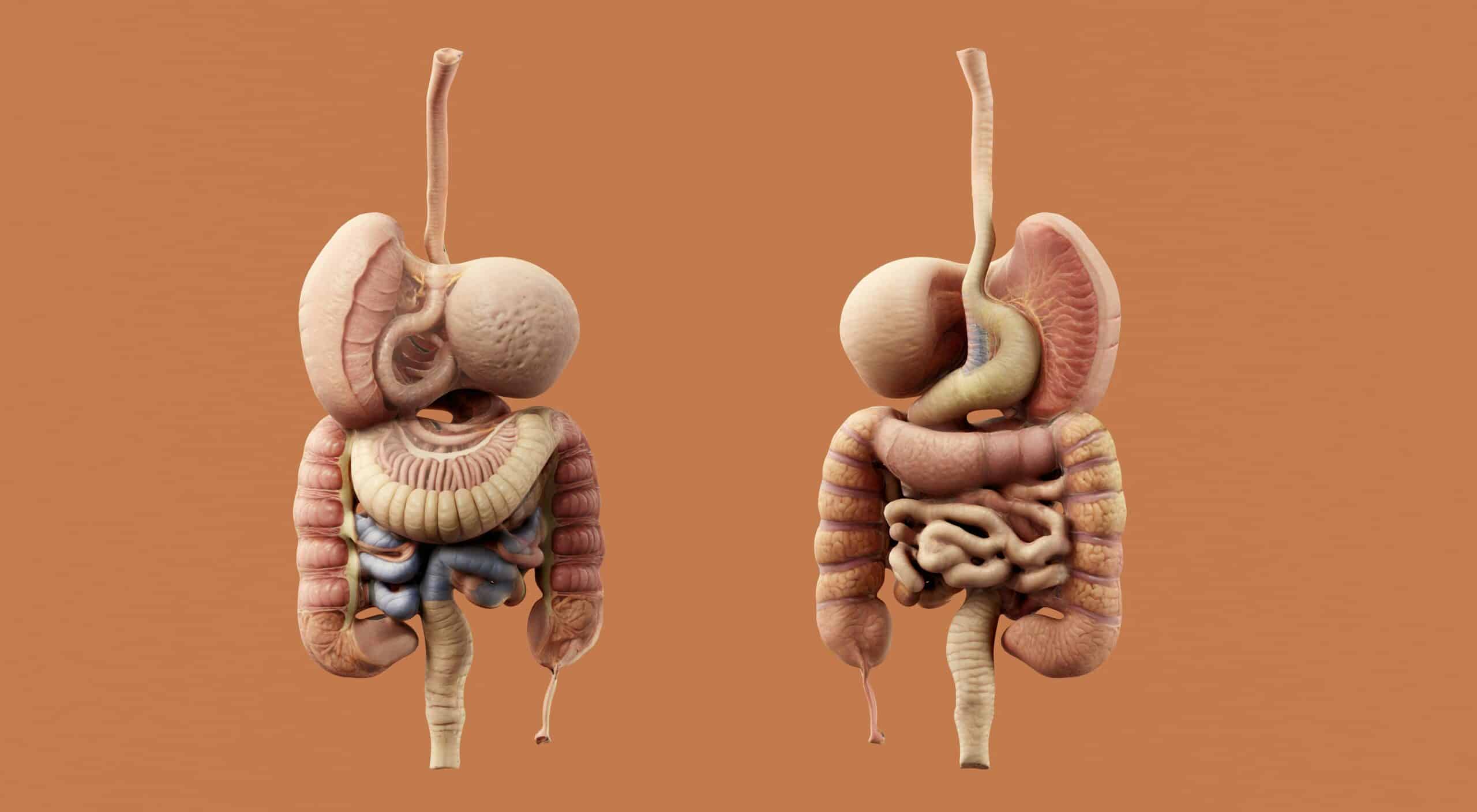
Accurate differentiation hinges on careful attention to pain patterns, timing, and associated symptoms. You may also find The link between Endometriosis and Gastrointestinal Symptoms helpful.
What Are the Distinctive Pain Patterns in Endometriosis vs. IBS?
Endometriosis typically causes:
- Deep, persistent pelvic pain
- Pain that radiates to the back or thighs
- Peak discomfort during ovulation and menstruation
IBS pain is often characterized by:
- Sharp, cramp-like sensations
- Relief experienced after a bowel movement
- Variable daily intensity not tied to the menstrual cycle
How Does the Cyclical Nature of Endometriosis Symptoms Aid Diagnosis?
Endometriosis lesions respond to estrogen and progesterone, leading to symptom flares:
- Premenstrual Bloating – Tissues swell and become inflamed
- Peak Menstrual Pain – Caused by lesion bleeding and spasms
- Postmenstrual Relief – A decline in lesion activity
Tracking symptom diaries that highlight cyclical peaks can guide clinicians toward considering laparoscopy over solely relying on GI testing.
What Digestive Symptoms Are Unique to Each Condition?
Beyond pain patterns, bowel findings can also differ:
- Endometriosis – Rectal bleeding during menses, mucous discharge
- IBS – Loose stools during periods of stress, hard stools with low fiber intake
These characteristic signs can enrich the differential diagnosis process.
How Do Hormonal and Inflammatory Factors Influence Symptoms?
Endometriosis involves chronic inflammation and hormonal interactions that:
- Stimulate prostaglandin release, intensifying cramping
- Promote adhesions that restrict organ movement
- Drive neurogenic inflammation, amplifying pain signals
In contrast, IBS is primarily driven by motility changes and gut-brain signaling without significant systemic inflammation.
What Diagnostic Methods Are Used to Distinguish Endometriosis from IBS?

Clinicians utilize a combination of noninvasive tests and specialized procedures to confirm or rule out each condition.
How Do Specialists Diagnose Endometriosis?
Confirmatory methods include:
- Pelvic Ultrasound – Can detect larger cysts (endometriomas)
- Magnetic Resonance Imaging (MRI) – Helps map deep infiltrating lesions
- Laparoscopy – Allows for direct visualization and removal of implants for histological analysis
These steps ensure precise identification of lesion locations and guide targeted treatment planning.
What Tests Confirm or Rule Out IBS?
IBS diagnosis typically relies on:
- Rome IV Criteria – Symptom-based diagnostic guidelines
- Colonoscopy – Used to exclude inflammatory bowel disease
- Stool Studies – Help rule out infections and malabsorption issues
A thorough structural evaluation is essential to differentiate functional IBS from structural pelvic pathology.
When Should You Seek Specialist Evaluation for an Accurate Diagnosis?
You should seek gynecologic consultation if you experience:
- Severe cyclical pelvic pain that doesn’t improve with standard IBS therapies
- Bowel symptoms that are directly linked to menstrual phases
- Painful intercourse or unexplained infertility
Early referral to a center specializing in endometriosis can significantly reduce diagnostic delays and accelerate the path to relief.
How Do Diagnostic Challenges Impact Treatment Decisions?
An accurate diagnosis is crucial for effective therapy:
- Endometriosis management typically involves hormonal suppression or surgical excision
- IBS treatment focuses on dietary modifications, stress management, and gut-specific medications
Misclassification can lead to prolonged suffering and ineffective treatments.
What Are the Treatment Options for Endometriosis and IBS?
Tailoring treatment to each condition, or both when they coexist, optimizes patient outcomes.
What Specialized Treatments Does Endometriosis Require?
Effective endometriosis care includes:
- Laparoscopic Excision – Surgical removal of implants and adhesions
- Hormonal Therapy – Such as GnRH agonists or progestins to suppress lesion growth
- Pain Management – Utilizing NSAIDs and neuromodulators to reduce inflammation
Leading centers integrate multidisciplinary support to address fertility preservation and enhance overall quality of life.
How Is IBS Managed Through Diet and Lifestyle Changes?
IBS relief is often achieved through:
- Low-FODMAP Diet – Limiting fermentable carbohydrates that can trigger gas
- Stress Reduction Techniques – Including biofeedback and cognitive behavioral therapy
- Probiotics and Fiber – To help restore healthy gut microbiota and improve motility
Personalized nutrition plans and mind-body strategies support long-term symptom management.
Can Treatments Overlap When Both Conditions Coexist?
When patients manage both endometriosis and IBS:
- Hormonal therapies may help alleviate cyclical bloating associated with implant inflammation
- Dietary adjustments can reduce bowel irritation that might exacerbate pelvic pain
- Coordinated care between gynecologists and gastroenterologists can enhance overall symptom relief
Collaborative management strategies maximize benefits and minimize treatment burdens.
How Can Patients Navigate Living with Endometriosis and IBS?
Combining self-care strategies with professional support empowers women to effectively manage coexisting conditions.
What Are Common Challenges When Both Conditions Occur Together?
Patients often encounter:
- Intensified bloating and pain flares
- Frustration with delayed or incomplete diagnoses
- Psychological distress stemming from chronic symptoms
Addressing emotional well-being alongside physical treatment promotes greater resilience.
Where Can Patients Find Expert Care and Support Resources?
Specialized centers like EndoExcellence Center provide:
- Comprehensive diagnostic pathways conveniently located together
- Multidisciplinary teams including gynecologists and registered dietitians
- Educational programs and supportive patient communities
Accessing expert care early fosters trust and accelerates symptom control. Learn how our surgeons approach endometriosis excision surgery.
How Do Patient Stories Illustrate the Diagnostic Journey?
Anonymized case studies reveal that women misdiagnosed with IBS for years often find significant symptom relief and improved fertility outcomes after surgical confirmation of endometriosis. These narratives underscore the importance of accurate evaluation and specialized treatment. To discuss your situation with a specialist, schedule an appointment at our center.
While endometriosis and IBS share many symptoms, a careful examination of pain patterns, timing, and associated findings can reveal their key differences. Seeking evaluation from endometriosis specialists ensures a proper diagnosis, targeted therapy, and a clearer path toward improved well-being. If you suspect your symptoms extend beyond functional bowel issues, consult a multidisciplinary team experienced in both pelvic and gastrointestinal health. Read more in IBS or Endo Belly? Key Differences Explained.