Endometriosis is a complex condition that affects millions of women worldwide, often leading to significant challenges in fertility. This comprehensive guide aims to provide an in-depth understanding of endometriosis and its impact on reproductive health. Readers will learn about the mechanisms by which endometriosis affects fertility, the diagnostic approaches available, and the various treatment options that can help manage the condition. Many women face the emotional and physical toll of endometriosis, particularly when it comes to conceiving. This guide will explore the latest research and expert insights, including the role of specialized care in improving outcomes. Key sections will cover the diagnosis of endometriosis, treatment options, fertility considerations, and the expected outcomes for women seeking to conceive.
Comprehensive Guide on Endometriosis and Fertility
Endometriosis is a medical condition characterized by the presence of endometrial-like tissue outside the uterus, which can lead to chronic pain and fertility issues. The condition affects approximately 10% of women of reproductive age, making it a significant concern for those trying to conceive. Understanding the relationship between endometriosis and fertility is crucial for effective management and treatment. This guide will delve into the various aspects of endometriosis, including its symptoms, diagnosis, and treatment options, providing a holistic view of how it impacts women’s reproductive health.
1. Understanding Endometriosis and Its Impact on Fertility
Endometriosis occurs when tissue similar to the lining of the uterus grows outside the uterus, often on the ovaries, fallopian tubes, and pelvic lining. This abnormal growth can cause inflammation, scar tissue, and adhesions, which may interfere with the normal functioning of the reproductive organs. The mechanisms by which endometriosis affects fertility include disrupted ovulation, altered hormonal balance, and impaired implantation of embryos. Studies indicate that women with endometriosis may experience infertility rates as high as 30-50%, highlighting the importance of early diagnosis and intervention.
Delving deeper into the complexities, studies reveal that advanced endometriosis can significantly reduce IVF success through various biological mechanisms.
Endometriosis & IVF Success: Mechanisms & Outcomes
Advanced endometriosis is associated with a reduction of IVF success. Surgical damage to the ovarian reserve following the excision of endometriomas has been claimed as a critical factor in the explanation of this detrimental effect. However, it is generally inferred that other mechanisms might also hamper IVF success in affected women. They include diminished responsiveness to ovarian stimulation, altered steroidogenesis, a decline in oocyte quality, reduced fertilization and embryo development, and impaired implantation.
Endometriosis and IVF treatment outcomes: unpacking the process, L Li Piani, 2023
How Does the Stage and Location of Endometriosis Affect Fertility?
The severity of endometriosis can influence fertility, but stage alone does not always predict a patient’s symptoms or chances of conception. Some women with minimal endometriosis experience significant pain or fertility challenges, while others with advanced disease may have fewer symptoms. Fertility is often affected most when endometriosis involves the ovaries, fallopian tubes, pelvic sidewalls, or areas where scar tissue and adhesions can distort reproductive anatomy.
Endometriosis is commonly classified into stages I through IV, ranging from minimal disease to severe disease with extensive adhesions or ovarian endometriomas. However, fertility planning should not rely on staging alone. A complete evaluation should consider age, ovarian reserve, fallopian tube function, sperm parameters, prior surgeries, pain severity, and the patient’s reproductive goals.
For women actively trying to conceive, the location of disease is especially important. Endometriomas may affect ovarian reserve, adhesions may interfere with egg pickup by the fallopian tube, and deep infiltrating endometriosis may require advanced surgical planning. This is why individualized treatment is essential rather than using a one-size-fits-all approach.
2. Diagnosis of Endometriosis
Diagnosing endometriosis typically involves a combination of clinical evaluation, imaging tests, and sometimes surgical procedures. The following methods are commonly used:
- Clinical Examination: A healthcare provider may perform a pelvic exam to check for abnormalities.
- Imaging Tests: Ultrasound and MRI can help visualize endometrial tissue outside the uterus.
- Laparoscopy: This minimally invasive surgical procedure allows for direct visualization and biopsy of endometrial lesions.
Accurate diagnosis is essential for developing an effective treatment plan and addressing fertility concerns.
Can Endometriosis Be Diagnosed Without Surgery?
Historically, laparoscopy was considered the definitive way to diagnose endometriosis. Today, many clinicians use a combination of symptoms, pelvic examination, ultrasound, MRI, and response to treatment to identify suspected endometriosis and begin care earlier. ACOG describes endometriosis as tissue similar to the uterine lining growing outside the uterus and notes that diagnosis may involve symptoms, exam findings, imaging, and sometimes surgery.
This shift matters because many women experience years of symptoms before receiving a diagnosis. Earlier clinical recognition may help patients access pain management, fertility counseling, and specialist referral sooner. Imaging can be especially helpful for detecting ovarian endometriomas and some forms of deep infiltrating endometriosis, although superficial disease may still be difficult to see without surgery.
Surgery may still be recommended when symptoms are severe, imaging suggests advanced disease, fertility is affected, or prior treatments have not helped. In these cases, laparoscopy can both confirm the diagnosis and treat visible disease during the same procedure. Read more in Endometriosis and Fertility: Understanding Key Symptoms.
Treatment Options for Endometriosis
There are several treatment options available for managing endometriosis, which can help alleviate symptoms and improve fertility outcomes. These options include: For more detail, see our article Understanding Endometriosis Symptoms and Teen Fertility.
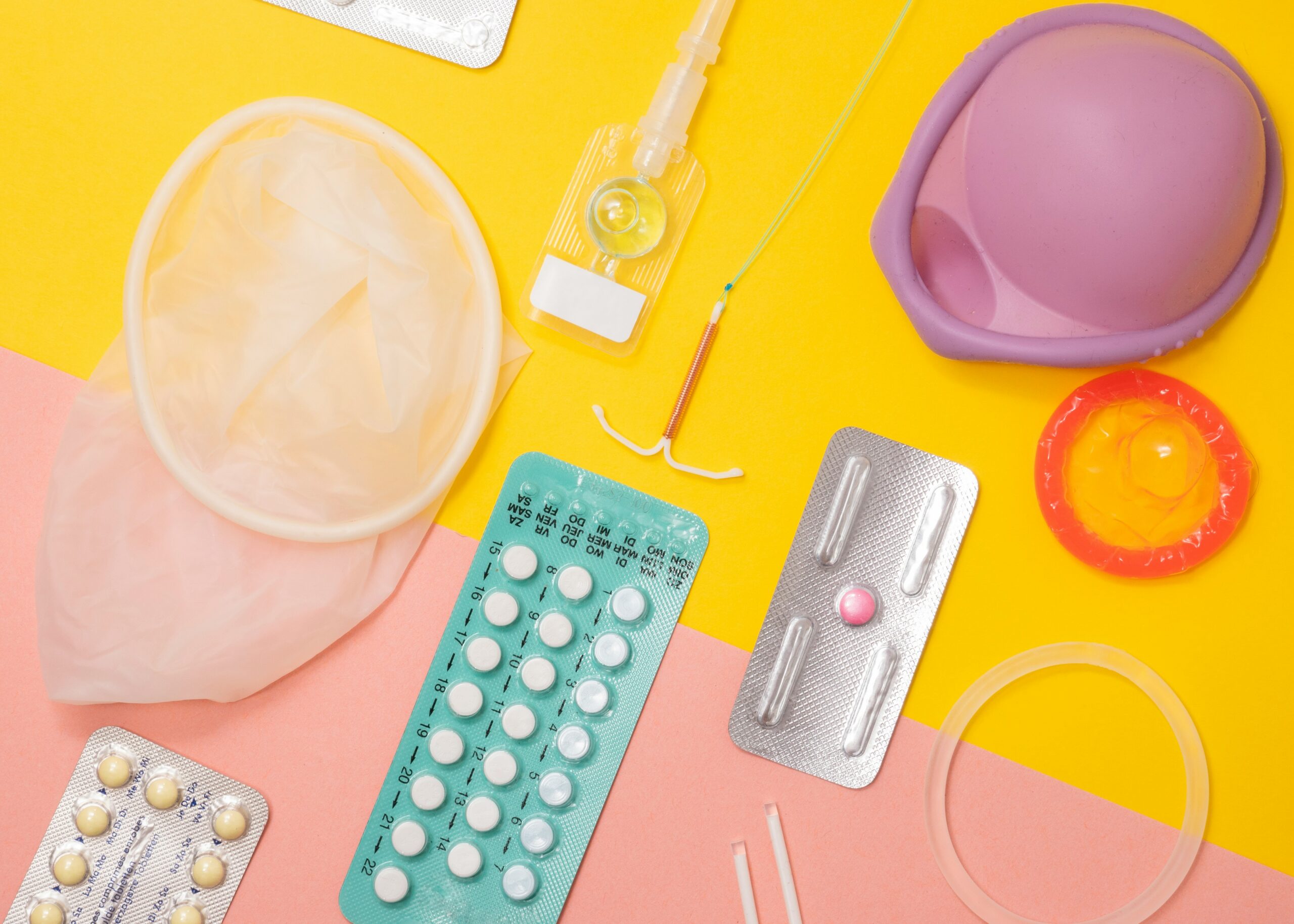
- Medical Treatments: Hormonal therapies, such as birth control pills and GnRH agonists, can help reduce the growth of endometrial tissue and alleviate pain.
- Surgical Interventions: Laparoscopic surgery can remove endometrial lesions and adhesions, potentially improving fertility.
- Lifestyle Modifications: Dietary changes, exercise, and stress management techniques can support overall health and well-being.
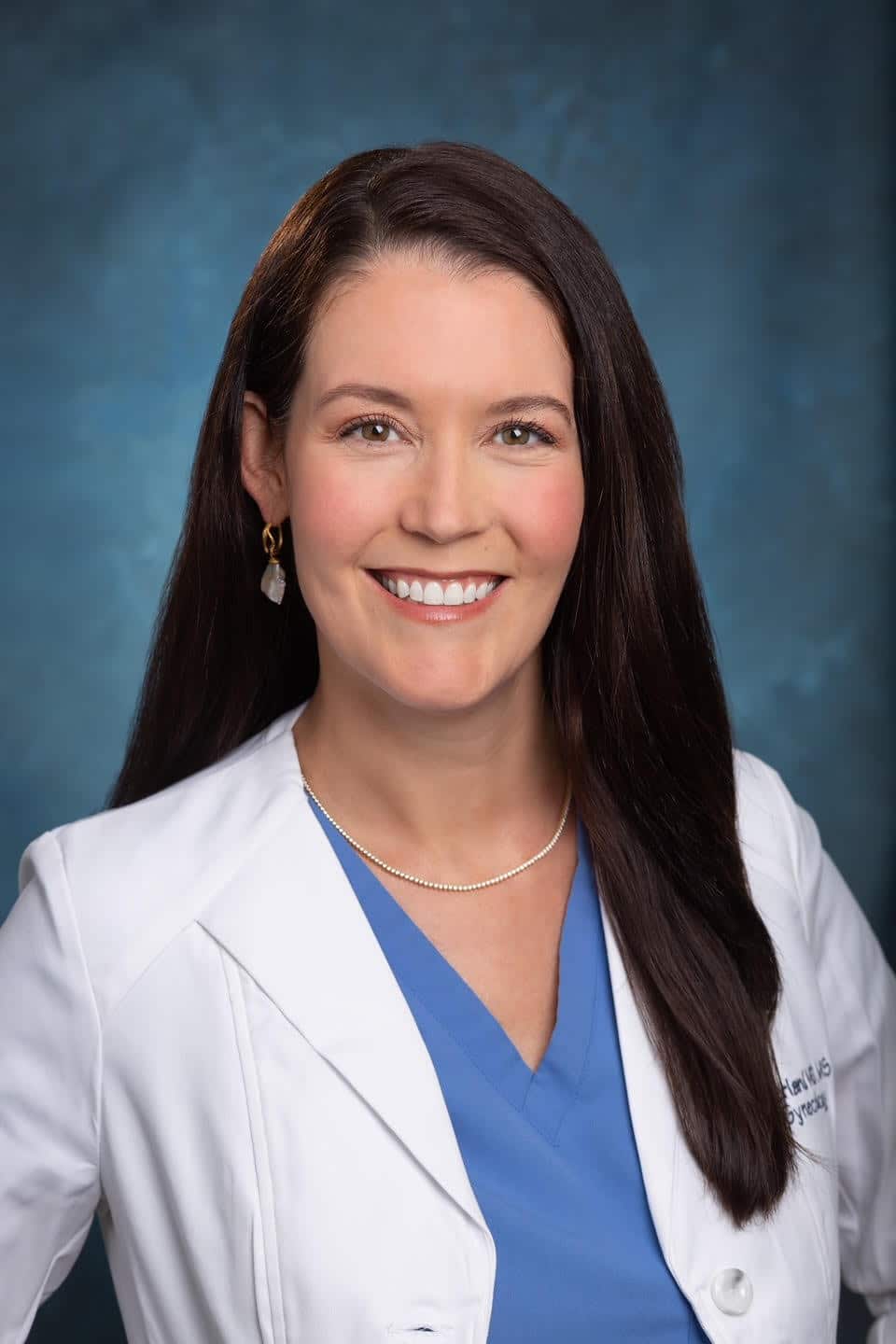
The Endometriosis Center of Excellence, led by Dr. Rachael Haverland, specializes in comprehensive care for women suffering from endometriosis, particularly addressing fertility challenges. Dr. Haverland’s expertise in complex endometriosis care ensures that patients receive personalized treatment plans tailored to their specific needs.
How Does Minimally Invasive Laparoscopic Surgery Improve Fertility?
Minimally invasive laparoscopic surgery is a key treatment option for women with endometriosis. This technique allows for the precise removal of endometrial tissue while minimizing recovery time and complications. Studies have shown that laparoscopic surgery can significantly improve fertility rates by restoring normal pelvic anatomy and function. Women who undergo this procedure often report reduced pain and improved chances of conception.
What Are the Benefits of Gold-Standard Excision Surgery for Endometriosis?
Gold-standard excision surgery involves the complete removal of endometrial lesions and is considered one of the most effective treatments for endometriosis. This approach not only alleviates symptoms but also addresses the underlying causes of infertility. Research indicates that excision surgery can lead to higher pregnancy rates compared to other treatment methods, making it a preferred option for women seeking to conceive.
Medical Management vs. Surgical Management: Which Is Best When Trying to Conceive?
The best treatment depends on whether the primary goal is pain relief, fertility, or both. Medical therapy can reduce pain and suppress endometriosis activity, but many hormonal treatments prevent ovulation while they are being used. For women who are actively trying to conceive, this creates an important distinction: medical therapy may help symptoms, but it usually does not directly increase the chance of pregnancy during treatment.
Surgical management may be considered when endometriosis is distorting pelvic anatomy, causing endometriomas, contributing to severe pain, or interfering with fertility. Laparoscopic excision can remove visible disease and adhesions, potentially improving pelvic function. ESHRE’s endometriosis guideline notes that both surgical treatment and medically assisted reproduction may be appropriate for infertility related to endometriosis, depending on the patient’s clinical situation.
For some patients, proceeding directly to assisted reproductive technology may be more appropriate than surgery, particularly when age, diminished ovarian reserve, male factor infertility, or prior surgical history reduces the benefit of another operation. A fertility-focused consultation helps determine whether surgery, IVF, fertility preservation, or a combined plan is the most strategic next step. You may also find Understand Endometriosis Infertility Symptoms – Key Insights helpful.
Fertility Considerations
Endometriosis can significantly impact a woman’s ability to conceive, but various fertility treatments can help. Understanding the implications of endometriosis on fertility is crucial for women planning to start a family. Assisted reproductive technologies (ART), such as in vitro fertilization (IVF), may be recommended for women with severe endometriosis. Additionally, fertility preservation options, such as egg freezing, can provide women with more choices regarding family planning. We cover this further in Understanding How Endometriosis Symptoms Impact Fertility.
Despite these challenges, recent studies offer encouraging news regarding IVF success rates for women with moderate-to-severe endometriosis.
Moderate-to-Severe Endometriosis & IVF Live Birth Rates
impact of moderate-to-severe endometriosis on cLBR among women undergoing IVF. These data are reassuring for the counselling of infertile women with endometriosis before IVF.
Impact of moderate-to-severe endometriosis on IVF cumulative live birth rate: a retrospective matched cohort study, L Miquel, 2023
When Should Women with Endometriosis Seek Fertility Help?
Women with known or suspected endometriosis should consider earlier fertility evaluation than patients without risk factors. A general rule is to seek fertility care after 12 months of trying to conceive if under age 35, or after 6 months if age 35 or older. However, women with endometriosis, severe pelvic pain, known endometriomas, prior ovarian surgery, irregular cycles, or suspected tubal disease may benefit from evaluation sooner.
An early fertility workup may include ovarian reserve testing, ovulation assessment, semen analysis, pelvic ultrasound, and evaluation of fallopian tube patency. These tests help identify whether endometriosis is the only fertility factor or whether other contributors are present.
Seeking help early does not always mean starting IVF immediately. It means creating a clear timeline and avoiding delays that may reduce future options, especially for women with advancing reproductive age or reduced ovarian reserve.
How Are Personalized Treatment Plans Developed for Women with Endometriosis and Fertility Concerns?
Personalized treatment plans for women with endometriosis and fertility concerns are developed through a multidisciplinary approach. This involves collaboration among fertility specialists, gynecologists, and other healthcare providers to create a comprehensive care plan. Factors such as the severity of endometriosis, age, and individual health conditions are considered to tailor treatments effectively.
What Is the Role of Multidisciplinary Planning in Complex Endometriosis Care?
Multidisciplinary planning is essential in managing complex cases of endometriosis. By bringing together specialists from various fields, patients receive holistic care that addresses both the physical and emotional aspects of the condition. This collaborative approach can lead to improved treatment outcomes and a better quality of life for women suffering from endometriosis.
Why Fertility Preservation May Be Discussed Before Endometriosis Surgery
Fertility preservation may be an important consideration for women with endometriosis, especially those with ovarian endometriomas, low ovarian reserve, bilateral ovarian disease, or a history of prior ovarian surgery. Egg freezing or embryo freezing may be discussed before surgery when there is concern that ovarian reserve could decline after treatment.
This does not mean every patient with endometriosis needs fertility preservation. Instead, it means reproductive goals should be addressed before major treatment decisions are made. For women who are not ready to conceive but may want pregnancy in the future, fertility preservation can provide additional options.
A fertility preservation discussion may include AMH testing, antral follicle count, age-related fertility expectations, surgical risks, and whether egg or embryo freezing is appropriate before excision. This planning is particularly important when endometriosis care involves both pain relief and long-term reproductive goals.
How Does Dr. Rachael Haverland’s Expertise Enhance Treatment Outcomes?
Dr. Rachael Haverland, a fellowship-trained specialist in complex endometriosis care, plays a pivotal role in enhancing treatment outcomes for her patients. Her extensive experience and commitment to patient-centered care ensure that women receive the most effective and compassionate treatment available. Dr. Haverland’s approach focuses on understanding each patient’s unique situation, leading to better management of endometriosis and improved fertility prospects.
How Does Endometriosis Affect Ovarian Reserve?
Ovarian reserve refers to the number and potential responsiveness of eggs remaining in the ovaries. Endometriosis can affect ovarian reserve, particularly when ovarian endometriomas are present or when a patient has had previous ovarian surgery. Inflammation, cyst formation, and surgical removal of endometriomas may all influence ovarian tissue and response to fertility medications.
Testing may include anti-Müllerian hormone, commonly called AMH, antral follicle count on ultrasound, and baseline hormone testing. These results do not predict natural conception perfectly, but they help guide treatment planning and urgency.
For women with endometriomas, the decision to remove a cyst before fertility treatment must be individualized. Surgery may improve pain, access to follicles, or anatomy in some cases, but it can also reduce ovarian reserve if healthy ovarian tissue is affected. This is why endometrioma treatment should be planned carefully by a surgeon experienced in fertility-preserving endometriosis care.
How Is Pelvic Pain Managed in Patients with Endometriosis to Support Fertility?

Pelvic pain is a common symptom of endometriosis that can significantly affect a woman’s quality of life and fertility. Effective pain management strategies are crucial for supporting overall reproductive health. These strategies may include:
- Medications: Nonsteroidal anti-inflammatory drugs (NSAIDs) can help alleviate pain and discomfort.
- Surgical Options: Surgical interventions can remove endometrial lesions and reduce pain.
- Lifestyle Modifications: Incorporating regular exercise and stress-reduction techniques can also help manage pain.
What Medical and Surgical Options Alleviate Pelvic Pain Effectively?
Several medical and surgical options are available to alleviate pelvic pain associated with endometriosis. Hormonal therapies can help reduce the growth of endometrial tissue, while surgical options, such as laparoscopic excision, can remove painful lesions. Combining these approaches often yields the best results in managing pain and improving fertility.
How Does Pain Management Influence Fertility and Quality of Life?
Effective pain management is essential for improving both fertility and quality of life in women with endometriosis. By alleviating pain, women can engage more fully in their daily activities and pursue family planning options without the burden of chronic discomfort. This holistic approach to care emphasizes the importance of addressing both physical and emotional well-being.
What Are the Fertility Outcomes and Success Rates After Endometriosis Surgery?
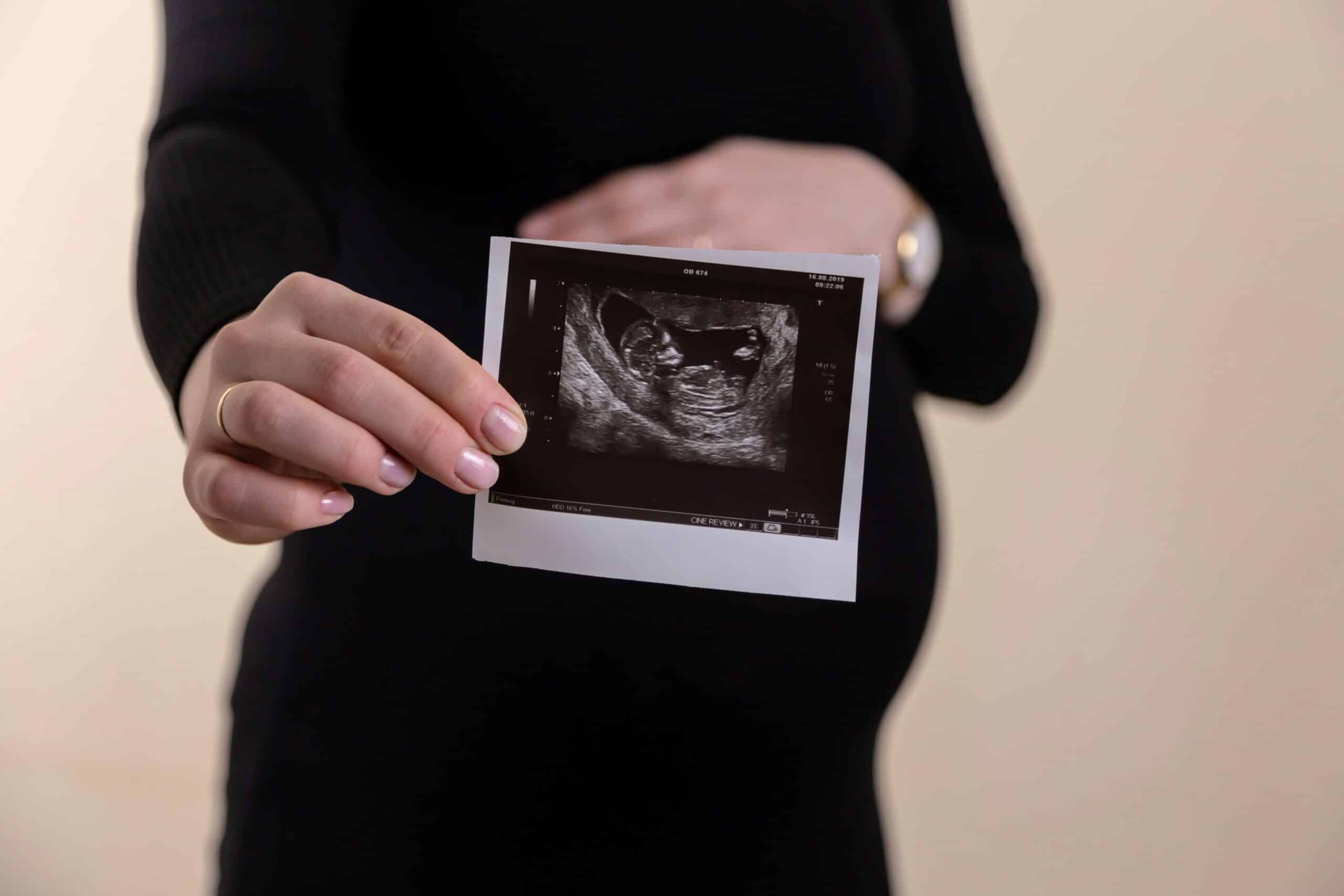
Fertility outcomes after endometriosis surgery can vary based on several factors, including the severity of the condition and the type of surgical intervention performed. Research indicates that women who undergo laparoscopic excision or gold-standard excision surgery often experience improved pregnancy rates. Follow-up care and monitoring are crucial for optimizing fertility outcomes post-surgery.
Further research supports the efficacy of surgical interventions, showing that specific procedures like ovarian cystectomy do not negatively affect IVF outcomes.
Ovarian Cystectomy & IVF: Pregnancy & Live Birth Rates
Ovarian cystectomy did not negatively impact the pregnancy rate or the live birth rate compared to controls.
Fertility after ovarian cystectomy: how does surgery affect IVF/ICSI outcomes?, 2019
What Do Recent Studies Reveal About Post-Surgical Fertility?
Recent studies have shown promising results regarding post-surgical fertility in women with endometriosis. Many women report successful pregnancies following surgical intervention, particularly when the surgery is performed by experienced specialists. Ongoing research continues to explore the long-term effects of surgery on fertility and the best practices for patient care.
Is IVF Always Necessary for Endometriosis-Related Infertility?
IVF is not always necessary for women with endometriosis. Some patients conceive naturally after diagnosis, lifestyle optimization, or surgical treatment. Others may benefit from ovulation induction, intrauterine insemination, or IVF depending on the severity of disease and other fertility factors.
For mild endometriosis, fertility specialists may consider a period of timed intercourse or intrauterine insemination if the fallopian tubes are open and sperm parameters are normal. For moderate-to-severe endometriosis, significant adhesions, tubal damage, low ovarian reserve, or prolonged infertility, IVF may offer a more efficient path.
The key question is not whether IVF is “better” in every case, but which approach gives the patient the best chance of pregnancy within a safe and reasonable timeline. ASRM notes that treatment decisions for endometriosis-associated infertility are complex and do not have simple universal answers.
How Soon Can Patients Try to Conceive After Endometriosis Surgery?
The timeline for trying to conceive after endometriosis surgery depends on the extent of surgery, recovery, age, ovarian reserve, and whether assisted reproduction is planned. Some patients may be advised to begin trying naturally after they have healed and their surgeon confirms it is safe. Others may be referred directly to a fertility specialist to avoid unnecessary delays.
Many clinicians consider the months after successful excision surgery an important reproductive window, especially if pelvic anatomy has been restored. However, this window should be managed strategically. If pregnancy does not occur within a defined timeframe, fertility treatment may be recommended.
Patients should ask their care team for a specific post-surgical fertility plan. That plan may include when to resume intercourse, whether ovulation tracking is recommended, when to repeat fertility testing, and when to move from natural conception attempts to IUI or IVF. For more detail, see our article Signs of Infertility in Endometriosis You Should Know.
How Can Patients Schedule a Consultation for Specialized Endometriosis and Fertility Care?

Scheduling a consultation for specialized endometriosis and fertility care is an important step for women seeking support. Patients can expect a thorough evaluation of their medical history, diagnostic tests, and a discussion of treatment options tailored to their needs.
What Should Patients Expect During Their Initial Evaluation?
During the initial evaluation, patients will undergo a comprehensive review of their medical history, including any symptoms related to endometriosis. Diagnostic tests, suchs as imaging studies, may be performed to assess the extent of the condition. This thorough approach ensures that patients receive personalized treatment plans that address their specific concerns.
Questions to Ask an Endometriosis Fertility Specialist
Patients often feel more prepared when they arrive at a consultation with specific questions. Helpful questions include:
- What type and stage of endometriosis do you suspect or see on imaging?
- Are my ovaries, fallopian tubes, or bowel involved?
- Should I have ovarian reserve testing before treatment?
- Would surgery improve my fertility outlook, or should I consider IVF first?
- What are the risks of surgery to ovarian reserve?
- How long should I try naturally after treatment before moving to fertility care?
- Should I consider egg freezing or embryo freezing?
- Do I need a multidisciplinary surgical team?
- How will pain be managed while preserving fertility options?
- What signs would suggest recurrence after treatment?
These questions help patients move from general information to a personalized plan based on their symptoms, fertility goals, and medical history. We cover this further in How Endometriosis Impacts Fertility: Key Signs to Notice.
How to Prepare for a Consultation with Dr. Rachael Haverland?
Preparing for a consultation with Dr. Rachael Haverland involves gathering relevant medical records, a list of current medications, and any questions or concerns about endometriosis and fertility. This preparation helps facilitate a productive discussion and ensures that patients receive the most effective care possible.
Frequently Asked Questions
Can endometriosis affect egg quality?
Endometriosis may affect egg quality through inflammation, oxidative stress, altered follicular environment, and changes in ovarian function. This is especially relevant in women with ovarian endometriomas or advanced disease. However, egg quality is also strongly influenced by age, ovarian reserve, genetics, and overall reproductive health. A fertility specialist can help determine whether IVF, fertility preservation, or surgical treatment is appropriate.
Can I get pregnant naturally with endometriosis?
Yes, many women with endometriosis can become pregnant naturally, especially when disease is mild, fallopian tubes are open, ovulation is regular, and no major male factor infertility is present. However, endometriosis can reduce the likelihood of conception in some patients, so early evaluation is recommended if pregnancy does not occur within an appropriate timeframe.
Is it better to remove endometriosis before IVF?
Not always. Surgery before IVF may be helpful when endometriosis causes severe pain, large endometriomas, distorted anatomy, or difficulty accessing follicles during egg retrieval. However, surgery can also affect ovarian reserve, especially when ovarian endometriomas are removed. The decision should be individualized based on age, AMH, antral follicle count, symptoms, prior surgeries, and IVF goals.
Does pregnancy cure endometriosis?
Pregnancy does not cure endometriosis. Some patients experience temporary symptom improvement during pregnancy because menstrual cycles pause and hormonal patterns change. However, symptoms may return after childbirth or after menstrual cycles resume. Endometriosis should be treated as a chronic condition that may require long-term care.
Can endometriosis increase miscarriage risk?
Some studies suggest endometriosis may be associated with a higher risk of miscarriage or certain pregnancy complications, but many women with endometriosis have healthy pregnancies. Risk depends on disease severity, age, other fertility factors, and overall health. Patients with known endometriosis should receive individualized prenatal care once pregnant.
What lifestyle changes can help manage endometriosis symptoms?
Making specific lifestyle changes can significantly help manage endometriosis symptoms. Incorporating a balanced diet rich in anti-inflammatory foods, such as fruits, vegetables, and whole grains, can reduce inflammation. Regular exercise is also beneficial, as it can help alleviate pain and improve overall well-being. Additionally, stress management techniques like yoga, meditation, or mindfulness can support emotional health, which is crucial for women dealing with chronic conditions like endometriosis. These holistic approaches can complement medical treatments and enhance quality of life.
Are there any natural remedies for endometriosis pain relief?
Some women find relief from endometriosis pain through natural remedies. Herbal supplements such as ginger, turmeric, and evening primrose oil may help reduce inflammation and alleviate discomfort. Acupuncture is another alternative therapy that some studies suggest can help manage pain and improve overall well-being. However, it’s essential to consult with a healthcare provider before starting any natural remedies, as they can interact with conventional treatments and may not be suitable for everyone.
How does endometriosis affect pregnancy and childbirth?
Endometriosis can impact pregnancy and childbirth in various ways. Women with endometriosis may face challenges conceiving due to factors like altered hormonal balance and anatomical changes. However, many women with endometriosis can still have successful pregnancies. During pregnancy, some may experience a reduction in symptoms, while others may face complications such as preterm labor or placental issues. It’s crucial for women with endometriosis to receive specialized prenatal care to monitor their health and the health of their baby throughout the pregnancy.
What role does nutrition play in managing endometriosis?
Nutrition plays a vital role in managing endometriosis symptoms and overall health. A diet rich in omega-3 fatty acids, antioxidants, and fiber can help reduce inflammation and support hormonal balance. Foods like fatty fish, nuts, seeds, and leafy greens are beneficial. Conversely, some women may find that reducing red meat, processed foods, and high-sugar items can alleviate symptoms. Consulting with a nutritionist who specializes in endometriosis can provide personalized dietary recommendations to support symptom management and improve quality of life.
What are the emotional impacts of living with endometriosis?
Living with endometriosis can have significant emotional impacts, including anxiety, depression, and feelings of isolation. The chronic pain and fertility challenges associated with the condition can lead to stress and affect relationships. Support groups and counseling can be beneficial for women coping with these emotional challenges. Engaging with others who understand the condition can provide comfort and validation, while professional therapy can help develop coping strategies and improve mental health.
How can partners support someone with endometriosis?
Partners can play a crucial role in supporting someone with endometriosis by being understanding and empathetic. Open communication about symptoms and feelings is essential, as it fosters a supportive environment. Encouraging the partner to seek medical help and accompanying them to appointments can also be beneficial. Additionally, participating in activities that promote relaxation and stress relief, such as yoga or meditation together, can strengthen the relationship and provide emotional support during challenging times.
Conclusion
Understanding endometriosis and its impact on fertility is crucial for women facing reproductive challenges. By exploring effective diagnosis and treatment options, individuals can take proactive steps toward managing their condition and improving their chances of conception. Seeking specialized care, such as that offered by Dr. Rachael Haverland, can provide personalized support tailored to individual needs. Take the first step towards better reproductive health by scheduling a consultation today.