
A diagnosis of endometriosis often brings questions about fertility. For some women, these concerns arise right away. For others, they develop gradually over time. When combined with the physical and emotional impact of the condition, thinking about future family planning can feel overwhelming.
There is reason for reassurance. Fertility preservation has advanced significantly, and many women are able to take proactive steps to protect their reproductive options. With the right guidance and timing, it is possible to move forward with treatment while keeping future goals in focus.
At centers dedicated to advanced endometriosis care, fertility preservation is not treated as a separate issue. It is carefully integrated into a broader plan that supports both current health and long term fertility.
What Is Fertility Preservation?
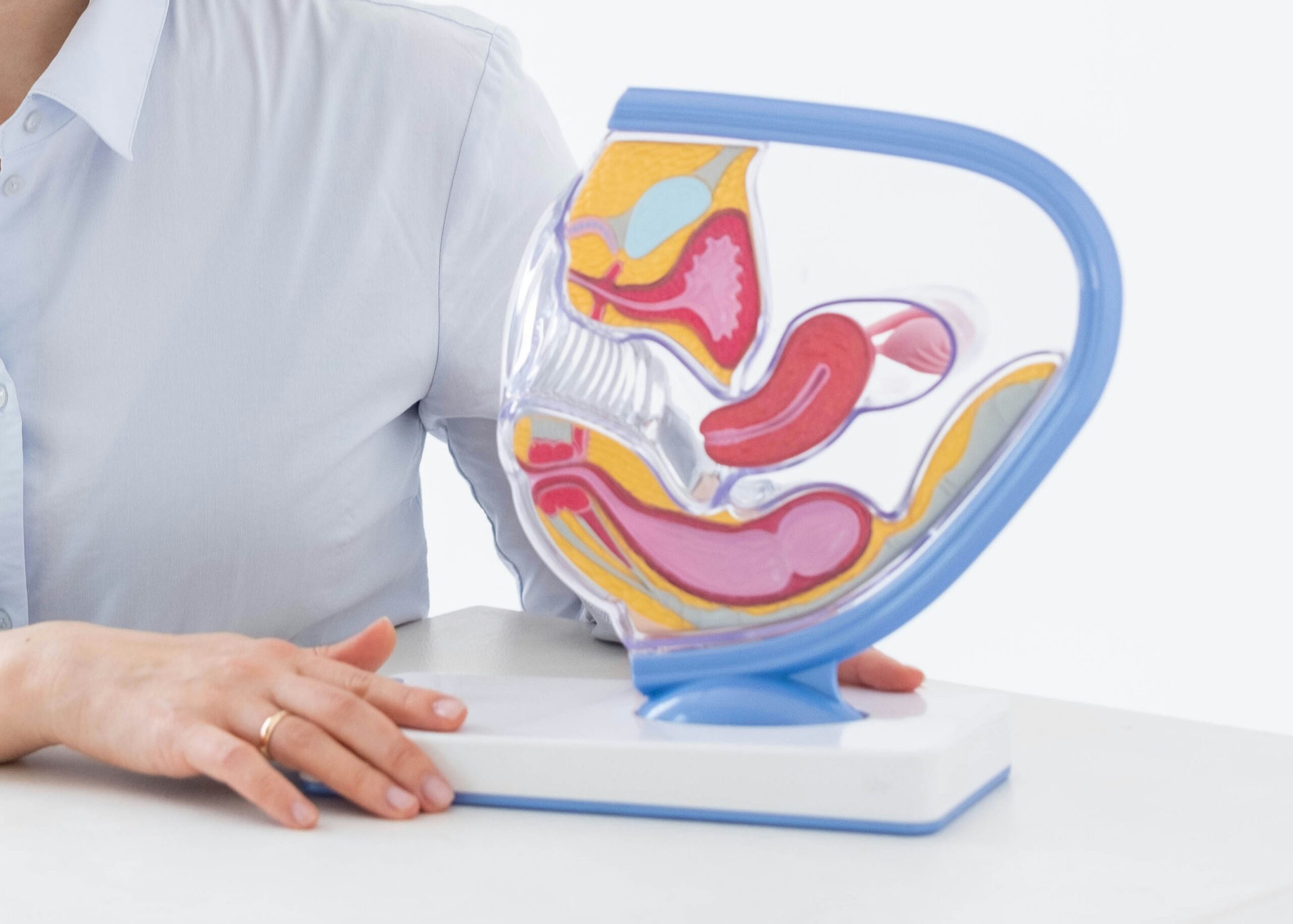
Fertility preservation refers to medical techniques that help safeguard a woman’s ability to have children later in life. These approaches focus on preserving eggs, embryos, or ovarian tissue before fertility may be affected by disease progression or treatment.
For women with endometriosis, this can be an important part of care planning. The condition may gradually affect ovarian reserve, and certain treatments, especially repeated ovarian surgeries, can also influence fertility.
Planning ahead does not mean committing to pregnancy now. Instead, it provides flexibility. It allows women to prioritize treatment while maintaining the option to build a family in the future.
How Endometriosis Can Affect Fertility
Endometriosis can affect fertility in several ways, although the experience is different for each individual. Inflammation linked to the condition may influence egg quality or disrupt the environment needed for fertilization. Scar tissue and adhesions can change pelvic anatomy, making it more difficult for the egg and sperm to meet naturally. When the ovaries are involved, cysts or previous surgical treatment may reduce the number of available eggs.
Treatment itself also plays a role. Surgery can be essential for managing symptoms and improving quality of life, but it requires careful planning to preserve healthy ovarian tissue.
Understanding these factors helps guide better decision making. With early evaluation and specialized care, many of these challenges can be addressed in a proactive and balanced way.
Fertility Preservation Options
There is no single approach that suits every patient. Fertility preservation strategies are chosen based on individual health, timing, and personal goals. The following options are commonly considered.
Egg Freezing (Oocyte Cryopreservation)
Egg freezing is one of the most widely used methods. It involves stimulating the ovaries to produce multiple eggs, retrieving them through a minimally invasive procedure, and freezing them for future use. This option is often well suited for women who are not ready to pursue pregnancy but want to preserve their current fertility potential.
Embryo Freezing
Embryo freezing follows a similar process, with the additional step of fertilizing the eggs before storage. For women who have a partner or who choose to use donor sperm, this method offers a well established pathway to future pregnancy, with consistent clinical outcomes.
Ovarian Tissue Freezing
In certain situations, ovarian tissue may be preserved instead of eggs. This involves removing and freezing a portion of ovarian tissue, which can later be reimplanted. This option may be considered when time is limited or when standard ovarian stimulation is not appropriate. While still evolving, it offers meaningful potential in selected cases.
In Vitro Fertilization (IVF) as Part of the Plan
IVF is often associated with infertility treatment, but it also plays an important role in fertility preservation planning. It can be used alongside egg or embryo freezing and later serves as a pathway to pregnancy. For women with endometriosis, IVF is frequently part of a coordinated care strategy that aligns preservation efforts with overall treatment planning.
Fertility Preservation in Endometriosis: Oocyte & Embryo Cryopreservation
Oocyte or embryo cryopreservation represents a viable fertility preservation strategy for endometriosis patients who face high risk of recurrence or potential bilateral ovarian damage, for example those undergoing repeated ovarian surgery.
Fertility preservation in women with endometriosis, NC Llarena, 2019 We cover this further in Discover How Endometriosis Impacts Fertility in Women Today.
The Importance of Specialized Care

Fertility preservation in the setting of endometriosis requires more than a standard approach. Because the condition can affect multiple aspects of reproductive health, decisions are best made with input from specialists who understand both the disease and its long term implications.
A multidisciplinary model brings together expertise in endometriosis surgery, reproductive medicine, and patient support. This allows for a more complete evaluation and a treatment plan that is carefully coordinated rather than fragmented.
At dedicated centers, this collaboration helps ensure that fertility preservation is timed appropriately, integrated with treatment, and aligned with each patient’s goals. It also provides a consistent point of guidance, which can make the process feel more manageable.
Role of Advanced Endometriosis Treatment in Fertility
Managing endometriosis effectively is an important part of protecting fertility. Treatment is not only focused on symptom relief, but also on preserving reproductive function and improving future outcomes.
Minimally Invasive Laparoscopic Surgery
Minimally invasive laparoscopy allows surgeons to treat endometriosis with precision while minimizing disruption to surrounding tissue. Smaller incisions and targeted techniques support faster recovery and reduce the risk of additional scar tissue. This approach is especially important when the ovaries are involved, as preserving healthy tissue plays a key role in maintaining ovarian reserve.
Gold Standard Excision Surgery
Excision surgery focuses on the complete removal of endometriosis lesions while preserving normal anatomy as much as possible. When performed by experienced specialists, this method can reduce inflammation, improve pelvic function, and support better fertility outcomes. It also helps lower the likelihood of recurrence compared to less comprehensive approaches. For many patients, careful surgical management forms the foundation upon which fertility preservation strategies are built.
Personalized Fertility Preservation Planning
Every woman’s situation is different, which is why fertility preservation plans are individualized rather than standardized.Several factors guide decision making, including age, ovarian reserve, the extent of endometriosis, and personal family planning goals. Timing is also an important consideration, particularly when coordinating fertility preservation with surgery or other treatments.
A personalized plan may involve one or more preservation methods, along with a clear timeline for when each step should take place. It also includes ongoing evaluation, so that decisions can be adjusted as needed. This level of planning helps ensure that treatment remains aligned with both immediate health needs and long term reproductive goals.
What to Expect from the Process
Understanding the process can make fertility preservation feel more approachable. While each plan is different, most follow a similar sequence. The process typically begins with a consultation, where medical history, prior treatments, and reproductive goals are reviewed. This is followed by testing to assess ovarian reserve and overall reproductive health.
If egg or embryo freezing is recommended, the next step involves ovarian stimulation and retrieval. Surgical procedures, when needed, are carefully timed to support both treatment and preservation goals. Recovery varies depending on the procedure. Many minimally invasive treatments allow for a relatively quick return to daily activities, while more complex interventions may require additional time.
Emotional support is also an important part of care. Having access to guidance and clear information throughout the process can help reduce uncertainty and support confident decision making.
This clinical approach aligns with current literature that emphasises structured, multidisciplinary care for effective management of endometriosis and adenomyosis.
Multidisciplinary Approach for Endometriosis Treatment
The management of endometriosis and adenomyosis requires a complex, multidisciplinary approach. Some centres have established multidisciplinary teams (MDT) and regular meetings to review cases.
… and conduct of multidisciplinary team meetings for those providing endometriosis and adenomyosis care-a Delphi consensus of the European Endometriosis …, DR Kalaitzopoulos, 2024
Supporting Your Fertility Journey
Medical treatment is only one part of fertility care. Overall well being can also influence how patients experience treatment and recovery.
Simple lifestyle measures can provide additional support. A balanced diet, regular physical activity, and maintaining a healthy weight contribute to general reproductive health. Managing stress through counseling, mindfulness, or support groups can also make a meaningful difference.
Emotional support is especially important. Fertility decisions can feel complex, and having access to guidance and reassurance helps patients stay engaged and confident throughout their care.
When Should You Consider Fertility Preservation?
Fertility preservation is not necessary for every patient, but there are certain situations where it may be worth discussing early. You may consider a consultation if you have been diagnosed with endometriosis and are not planning pregnancy in the near future. It is also relevant before undergoing ovarian surgery, particularly if there is a risk to ovarian reserve. Women who have concerns about declining fertility or who wish to keep future options open may also benefit from early evaluation. Starting the conversation early allows for more flexibility and a wider range of choices. Even if no immediate action is taken, having a clear understanding of your options can be valuable. You may also find Key Endometriosis Fertility Preservation Options Explained helpful.
Take the Next Step
If you are considering fertility preservation, speaking with a specialist can help you move forward with clarity. At the Endometriosis Center of Excellence, care is designed to bring together advanced surgical expertise and fertility planning in a coordinated way. Each patient receives a personalized approach that reflects both medical needs and future goals.
A consultation provides the opportunity to review your history, understand your fertility potential, and explore the options that are most appropriate for you. From there, a clear and supportive plan can be developed to guide your next steps.
Frequently Asked Questions
What lifestyle changes can support fertility in women with endometriosis?
Lifestyle changes can complement medical care, though they do not replace it. Maintaining a balanced diet, engaging in regular moderate exercise, and managing stress can support overall reproductive health. It is also helpful to discuss factors such as sleep, alcohol use, and smoking with your care team, as these can influence both fertility and recovery.
How does age affect fertility preservation outcomes?
Age is one of the most important factors in fertility preservation. Younger women generally have a higher number and better quality of eggs, which can improve future success rates. Early evaluation allows for more options and can help guide the timing of preservation.
Are there risks associated with fertility preservation techniques?
As with any medical procedure, there are potential risks. Ovarian stimulation may lead to temporary side effects, and in rare cases, complications such as ovarian hyperstimulation syndrome can occur. Surgical procedures carry standard risks such as infection or bleeding. These risks are carefully managed through individualized protocols and experienced care.
Will fertility preservation guarantee a future pregnancy?
Fertility preservation increases the chances of future pregnancy, but it does not guarantee it. Success depends on several factors, including age at the time of preservation, the number of eggs or embryos stored, and overall reproductive health. A specialist can help provide realistic expectations based on your individual profile.
How do I know which fertility preservation option is right for me?
The most appropriate option depends on your medical history, ovarian reserve, treatment plan, and personal goals. A consultation with a specialist allows for a thorough evaluation and helps determine which approach aligns best with your situation.
What happens during an initial fertility preservation consultation?
The consultation typically includes a review of your medical and surgical history, discussion of your reproductive goals, and testing to assess ovarian reserve. Based on this information, your care team will outline suitable options and recommend a personalized plan.
Can fertility preservation be done before or after endometriosis surgery?
In many cases, fertility preservation can be coordinated either before or after surgery, depending on individual circumstances. Timing is an important consideration and is best determined through a collaborative plan between surgical and fertility specialists.
Conclusion
Fertility preservation offers women with endometriosis a proactive way to protect their reproductive future. With advances in both surgical care and reproductive medicine, it is possible to address the condition while preserving meaningful options for family building. Read more in Fertility Preservation Options for Endometriosis Care.
The most effective approach is one that is personalized, carefully timed, and supported by experienced specialists. By combining expert treatment with thoughtful planning, women can move forward with greater confidence and clarity.
If you are considering your options, an early consultation can provide valuable insight and help you take the next step with a clear and supportive plan.