
Persistent pelvic pain and other symptoms associated with endometriosis can be difficult to interpret, especially in the early stages of the condition. Endometriosis affects a significant proportion of individuals of reproductive age, yet diagnosis is often delayed due to variability in symptoms and limitations of non-invasive testing.
A pelvic exam is typically one of the first clinical steps in evaluating suspected endometriosis. While it cannot confirm the condition on its own, it may reveal physical findings such as tenderness, reduced uterine mobility, or nodularity that raise suspicion and guide further investigation.
In this guide, we explain what a pelvic exam can and cannot detect, how it fits alongside imaging techniques such as ultrasound and MRI, and when laparoscopy may be required for confirmation. Understanding this process can help patients make informed decisions and seek appropriate specialist care.
What Can a Pelvic Exam Reveal About Endometriosis?
A pelvic exam is an important initial step in evaluating symptoms that may be related to endometriosis. During the examination, clinicians assess the uterus, ovaries, and surrounding structures for signs that may indicate underlying disease.
Findings that may raise suspicion include areas of tenderness, reduced mobility of the uterus, and thickening along supporting ligaments. These changes can reflect inflammation or adhesions associated with more advanced forms of endometriosis.
However, a pelvic exam cannot directly visualize endometriosis lesions and may not detect early or superficial disease. For this reason, findings from the exam are typically used to guide further evaluation rather than establish a diagnosis on their own.
What Physical Signs During a Pelvic Exam Suggest Endometriosis?
During a pelvic exam, certain findings may increase clinical suspicion of endometriosis:
- Tenderness along the uterosacral ligaments
- Reduced uterine mobility, sometimes described as a “fixed” uterus
- Pain in the posterior pelvic region, particularly during palpation
- Fullness or masses in the adnexal region, which may require imaging for clarification
These findings are not specific to endometriosis but, when considered alongside symptoms, can help guide further diagnostic steps.
How Are Uterosacral Ligament Nodularity and Adhesions Identified?
Through palpation of the uterosacral ligaments during a bimanual exam, nodularity can be felt as firm thickening or distinct “rope-like” bands. Adhesions become apparent when gentle movement of the uterus sideways is met with resistance or causes pain. By carefully tracing the path of the ligament from the cervix toward the sacrum, clinicians can distinguish abnormal thickening from the normal texture of the ligament and identify areas where adhesions may be forming.
Recognizing these ligament changes helps refine the suspected anatomical spread of deep infiltrating endometriosis and guides precise ultrasound or laparoscopic mapping.
What Is the Role of Bimanual and Speculum Exams in Diagnosis?
Bimanual and speculum exams work together to assess both structural abnormalities and surface lesions. The speculum exam allows visualization of the vaginal walls and cervix for any signs of endometriosis implants or subtle bluish discoloration, while the bimanual exam evaluates the uterus’s mobility, ovarian tenderness, and the presence of any adnexal masses through the use of two hands. Together, these techniques:
- Pinpoint areas of localized tenderness or nodular lesions
- Assess the uterus’s position and how freely it moves in relation to the pelvic sidewalls
- Reveal adnexal masses that could indicate endometriomas
Combining these approaches ensures a comprehensive physical assessment and helps determine if further imaging is necessary. We cover this further in Comprehensive Guide: Endometriosis Assessment Best Practices.
How Accurate Is the Pelvic Exam for Diagnosing Endometriosis?
The accuracy of a pelvic exam in detecting endometriosis is limited. While it may identify signs suggestive of moderate to advanced disease, it is less reliable for detecting early or superficial lesions.
The usefulness of the exam depends on several factors, including the extent of disease and the experience of the clinician. Because of these limitations, pelvic exam findings are typically combined with imaging studies and clinical history to improve diagnostic accuracy.
A normal pelvic exam does not rule out endometriosis, particularly in individuals with persistent symptoms.
How Does Transvaginal Ultrasound Complement Pelvic Exam in Endometriosis Diagnosis?

Transvaginal ultrasound (TVS) is commonly used alongside a pelvic exam to further evaluate symptoms suggestive of endometriosis. While a pelvic exam can identify areas of tenderness or reduced mobility, TVS provides direct visualization of pelvic structures, helping to clarify findings that cannot be assessed through touch alone.
This imaging method uses sound waves to examine the uterus, ovaries, and surrounding tissues. It is particularly useful for identifying ovarian cysts and may detect features suggestive of deeper disease, depending on the technique used and the experience of the operator.
When combined with pelvic exam findings, TVS can:
- Evaluate adnexal masses that may have been detected during examination
- Identify ovarian cysts consistent with endometriomas
- Assess areas where deep endometriosis may be suspected, such as near the uterosacral ligaments
Although TVS adds valuable information, it does not detect all forms of endometriosis and is typically part of a broader diagnostic approach.
What Are Endometriomas and How Are They Identified on Ultrasound?
Endometriomas are ovarian cysts associated with endometriosis and are formed when endometrial-like tissue grows within the ovary. On transvaginal ultrasound, they often appear as cystic structures with a relatively uniform internal pattern, sometimes described as having a “ground-glass” appearance.
Identifying these cysts supports clinical suspicion of endometriosis, particularly when correlated with symptoms and pelvic exam findings. Detection of endometriomas may also influence treatment planning, especially when considering surgical management and preservation of ovarian function.
How Do Specialized Ultrasound Techniques Improve Detection?
Structured ultrasound approaches used in specialized centers can improve the evaluation of suspected endometriosis. These methods involve a systematic assessment of multiple pelvic compartments, including the ovaries, ligaments, and areas behind the uterus.
Such protocols can enhance the detection of deep infiltrating disease, particularly when performed by clinicians with expertise in endometriosis imaging. However, even with advanced techniques, ultrasound may not identify all lesions, especially superficial implants.
What Should Patients Expect During a Transvaginal Ultrasound?
A transvaginal ultrasound is a routine procedure that is generally well tolerated. During the exam:
- A slim ultrasound probe is gently inserted into the vagina
- The patient lies comfortably, usually with knees bent
- The sonographer moves the probe to visualize different pelvic structures
Some individuals may experience mild pressure or discomfort, particularly in areas that are already sensitive.
Preparation may include:
- Following specific instructions regarding bladder fullness, depending on the exam
- Wearing comfortable clothing
- Informing the provider about pain sensitivity or prior experiences
Clear communication during the procedure helps ensure a more comfortable experience and improves the quality of the assessment.
How Does Ultrasound Compare to a Pelvic Exam?
Transvaginal ultrasound generally provides more detailed structural information than a pelvic exam, particularly for identifying ovarian cysts and assessing deeper pelvic structures. However, both methods serve complementary roles.
- Pelvic exam helps identify areas of tenderness and mobility changes
- Ultrasound provides visual confirmation of structural abnormalities
Using both together improves overall evaluation and helps determine whether further testing, such as MRI or laparoscopy, is needed.
When Is Laparoscopy Used to Confirm Endometriosis?
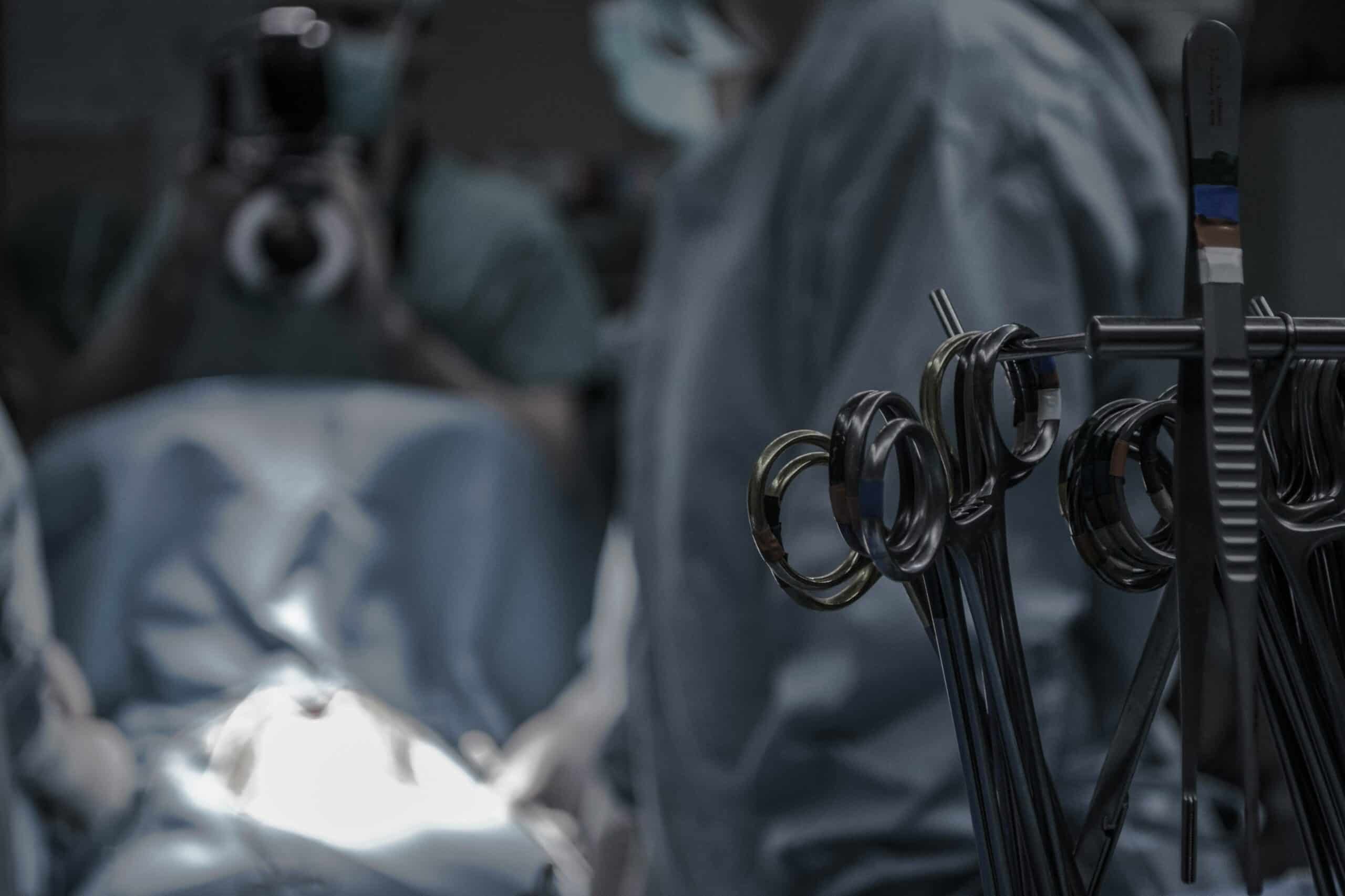
Laparoscopy is considered the most definitive method for diagnosing endometriosis, particularly when non-invasive evaluations do not provide clear answers. This minimally invasive surgical procedure allows direct visualization of the pelvic cavity and is often used when symptoms persist despite inconclusive findings from pelvic exams or imaging. For more detail, see our article Discover How to Diagnose Endometriosis Symptoms Effectively.
In addition to diagnosis, laparoscopy may also be performed when treatment is being considered, as it allows surgeons to identify and manage endometriosis during the same procedure.
What Is Diagnostic Laparoscopy?
Diagnostic laparoscopy involves inserting a thin camera through a small incision in the abdomen to examine the pelvic organs. This enables the surgeon to assess the presence, location, and extent of endometriosis.
During the procedure, clinicians may:
- Identify visible lesions, adhesions, or areas of inflammation
- Document the distribution and severity of disease
- Obtain tissue samples for laboratory analysis
Endometriosis lesions can vary in appearance and may include dark, red, or fibrotic areas, depending on disease stage and activity.
Why Is Histological Confirmation Important?
While visual findings during laparoscopy can strongly suggest endometriosis, tissue sampling provides additional confirmation. Histological analysis identifies endometrial-like glands and stroma outside the uterus, helping distinguish endometriosis from other conditions such as scar tissue or benign growths.
This step supports accurate diagnosis and helps guide appropriate treatment planning.
What Is the “See and Treat” Approach?
In many cases, laparoscopy is used not only to diagnose but also to treat endometriosis during the same procedure. This is often referred to as a “see and treat” approach. For more detail, see our article How to Diagnose Endometriosis in Teenagers Effectively.
During the procedure, surgeons may remove or excise visible endometriosis lesions. This approach can:
- Reduce the need for multiple procedures
- Address symptoms more efficiently
- Allow treatment to be guided by direct visualization of disease
The extent and type of treatment depend on individual factors, including disease location, severity, and patient goals.
What Are the Risks and Recovery Considerations?
Laparoscopy is generally safe, but as with any surgical procedure, there are potential risks. These may include:
- Infection or bleeding
- Injury to surrounding organs, such as the bowel or bladder
- Reactions to anesthesia
Recovery varies between individuals, but most patients can expect:
- Mild discomfort in the first few days
- Gradual return to normal activities within one to two weeks
- Full recovery over several weeks, depending on the extent of the procedure
Patients are typically advised to follow post-operative instructions and attend follow-up appointments to monitor recovery and discuss ongoing care.
Common Symptoms and Corresponding Physical Exam Findings
These findings are not specific to endometriosis but can help guide further evaluation when considered alongside a patient’s symptoms.
How Does the Pelvic Exam Fit Into the Non-Invasive Diagnostic Pathway?
A pelvic exam is typically one of the first steps in evaluating suspected endometriosis. It provides initial clinical information that helps determine whether further testing is needed. We cover this further in Discover How Pelvic Ultrasound Helps Diagnose Endometriosis.
When combined with imaging methods such as transvaginal ultrasound or MRI, it contributes to a more comprehensive, non-invasive assessment. This combined approach can:
- Help identify patterns that warrant further investigation
- Support timely referral to specialists when findings are consistent
- Guide symptom management while additional evaluation is ongoing
However, a pelvic exam has limitations. It may not detect early or superficial disease, and normal findings do not exclude endometriosis. Persistent symptoms should always be evaluated further, even if the initial exam is inconclusive.
How Can Patients Prepare for a Pelvic Exam?
Preparation can help make the exam more comfortable and improve communication with your healthcare provider. Consider the following:
- Share any prior experiences with pelvic exams and your level of discomfort
- Prepare a clear summary of symptoms, including timing, severity, and triggers
- Mention any pain during menstruation, intercourse, or bowel movements
- Schedule the appointment at a time when symptoms are present, if possible
Open communication during the exam is important. Let your provider know if you experience pain at any point so the examination can be adjusted accordingly.
Understanding what to expect and actively participating in the process can help reduce anxiety and ensure that the findings are used effectively to guide next steps in care. Read more in How to Diagnose Endometriosis Accurately and Effectively.
What Other Conditions Can Mimic Endometriosis During a Pelvic Exam?

Several pelvic conditions can present with signs and symptoms that overlap with endometriosis, making accurate diagnosis more complex. A pelvic exam alone cannot reliably distinguish between these conditions, so further evaluation is often required.
Common conditions that may produce similar findings include:
- Uterine fibroids: These benign growths can cause an enlarged or irregular uterus and localized tenderness. Unlike endometriosis, fibroids are typically felt as firm, well-defined masses rather than diffuse nodularity.
- Pelvic inflammatory disease (PID): This infection-related condition often presents with generalized pelvic tenderness and pain during cervical movement. It is usually associated with signs of inflammation rather than fixed structures or adhesions.
- Ovarian cysts: Functional cysts may be palpable as adnexal masses and can cause discomfort. However, they often change in size over time and require imaging for accurate characterization.
Because these conditions can present similarly, clinicians typically use imaging techniques such as ultrasound or MRI to further evaluate findings. In cases where the diagnosis remains uncertain or symptoms persist, diagnostic laparoscopy may be considered to provide definitive clarification.
A structured approach that combines clinical examination with appropriate imaging helps ensure that alternative conditions are carefully considered and that patients receive an accurate diagnosis and appropriate care.
Frequently Asked Questions
What lifestyle changes can help manage endometriosis symptoms?
Lifestyle adjustments may help reduce the severity of symptoms for some individuals. Regular physical activity, including low-impact exercise such as walking or yoga, can support overall well-being and may help manage pelvic discomfort.
Dietary patterns that emphasize whole foods, including fruits, vegetables, and sources of omega-3 fatty acids, may also be beneficial. In addition, stress management strategies such as mindfulness or relaxation techniques can support symptom control.
These approaches are typically used alongside medical care, and patients should consult a healthcare provider to develop an individualized plan.
Are there alternative therapies for endometriosis?
Some individuals explore complementary therapies in addition to standard medical treatment. Approaches such as acupuncture have been studied for pain management, with mixed but sometimes positive results.
Certain supplements, including those with anti-inflammatory properties, are also commonly used. However, evidence varies, and some therapies may interact with prescribed treatments.
It is important to discuss any alternative therapies with a qualified healthcare provider before starting them.
How can I advocate for myself during medical appointments?
Effective communication plays an important role in managing endometriosis. Patients may benefit from preparing for appointments by documenting symptoms, including their timing, severity, and impact on daily life.
Asking questions, requesting clarification, and discussing treatment preferences can help ensure that care decisions are aligned with individual needs. If concerns are not adequately addressed, seeking a second opinion or consulting a specialist in endometriosis may be appropriate.
What role does hormonal therapy play in treatment?
Hormonal therapy is commonly used to manage symptoms of endometriosis. These treatments work by suppressing or modifying hormonal cycles, which may reduce the activity of endometrial-like tissue and help control pain.
Options may include oral contraceptives, progestin-based therapies, or other medications that affect hormone levels. The choice of treatment depends on symptom severity, treatment goals, and individual tolerance.
Patients should discuss potential benefits and side effects with their healthcare provider.
What should I do if I suspect I have endometriosis?
If you experience persistent pelvic pain, painful periods, or other symptoms suggestive of endometriosis, it is advisable to seek evaluation from a healthcare provider.
Preparing for the visit by tracking symptoms and their impact can help guide the assessment. Initial evaluation may include a pelvic exam and imaging studies, with referral to a specialist if needed.
Early assessment can help clarify the cause of symptoms and guide appropriate management.
How can support groups help individuals with endometriosis?
Support groups can provide emotional and practical support for individuals living with endometriosis. Connecting with others who have similar experiences may help reduce feelings of isolation and provide insight into coping strategies.
Many groups also offer educational resources and opportunities to learn from healthcare professionals. Participation in a supportive community can complement medical care and improve overall well-being.
Conclusion
Pelvic exams play a valuable role in the initial evaluation of symptoms that may be related to endometriosis. While they cannot confirm the condition on their own, they provide important clinical information that helps guide further investigation.
A comprehensive diagnostic approach often includes a combination of physical examination, imaging techniques such as ultrasound or MRI, and, when necessary, laparoscopic evaluation. This stepwise process improves diagnostic accuracy and supports more effective treatment planning.
Individuals experiencing ongoing pelvic pain or related symptoms should consider consulting a clinician with experience in endometriosis care. Early and appropriate evaluation can help clarify the diagnosis and support better long-term outcomes. If you have questions about your own symptoms, you can schedule an appointment with our endometriosis specialists.