

Abdominal bloating, cramping, constipation, diarrhea, and pelvic discomfort are symptoms that many people associate with digestive disorders such as Irritable Bowel Syndrome (IBS). However, these same symptoms can also occur in individuals with endometriosis, making it difficult to determine the true cause of ongoing discomfort. Because both conditions affect the abdomen and pelvis, patients are frequently misdiagnosed or spend years searching for answers before receiving appropriate treatment. Understanding the differences between IBS and endometriosis is essential for obtaining an accurate diagnosis and choosing the right treatment approach. While IBS primarily affects bowel function, endometriosis is a chronic inflammatory condition that can involve the reproductive organs and surrounding tissues, often causing gastrointestinal symptoms as well. Recognizing how these conditions differ can help patients seek timely specialist care and improve their quality of life.
Understanding IBS and Endometriosis
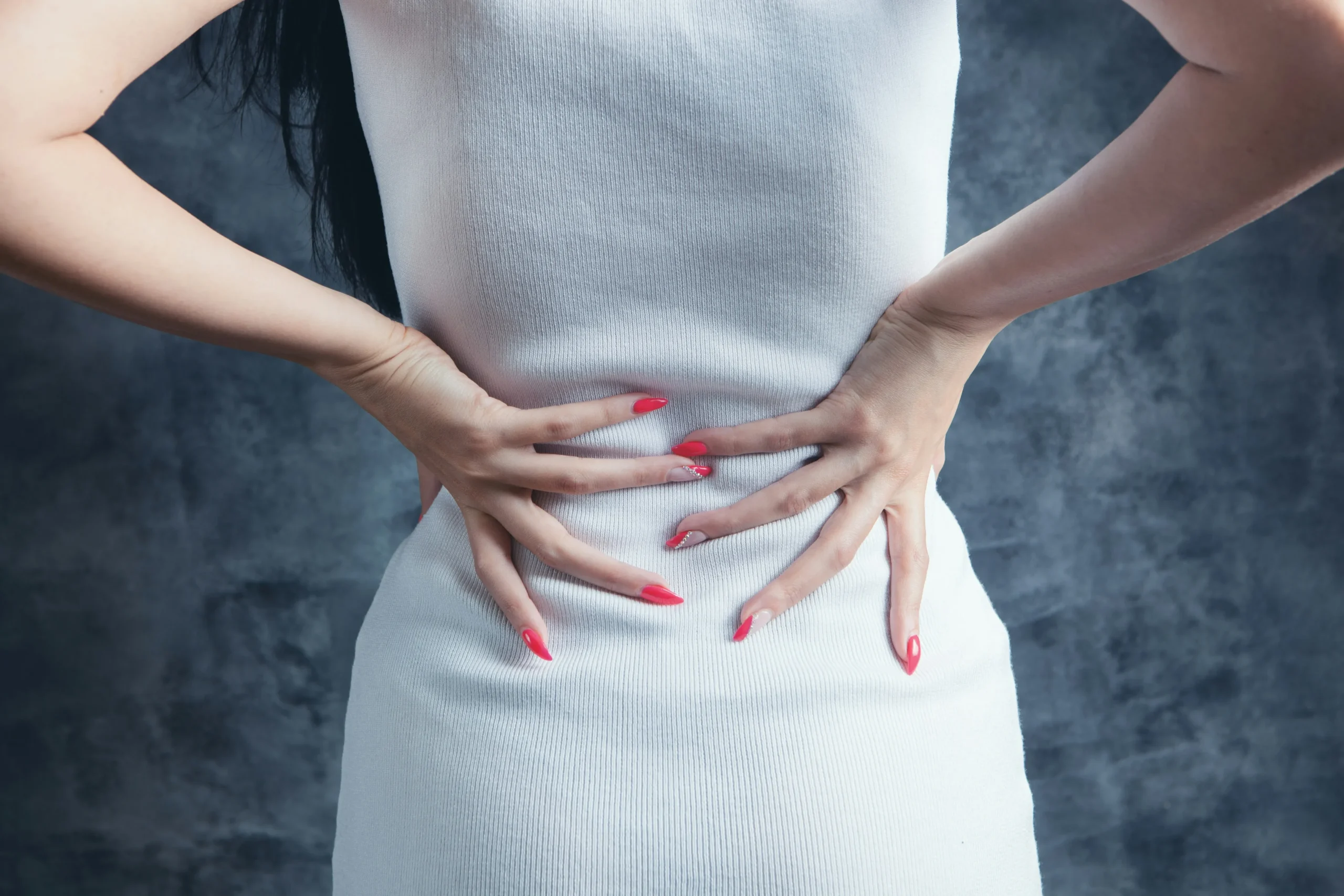 Although IBS and endometriosis can produce similar digestive symptoms, they are two distinct medical conditions with different underlying causes. Knowing how each condition develops helps explain why they require different diagnostic methods and treatment strategies.
What Is Irritable Bowel Syndrome (IBS)?
Irritable Bowel Syndrome is a functional gastrointestinal disorder that affects how the digestive tract works. Unlike inflammatory bowel diseases, IBS does not cause structural damage to the intestines, but it can lead to recurring abdominal discomfort and changes in bowel habits that significantly impact daily life.
Many people with IBS experience periods when symptoms worsen after eating certain foods, during stressful situations, or following hormonal changes. Common complaints include bloating, abdominal cramping, constipation, diarrhea, or alternating bowel habits.
Because IBS symptoms can fluctuate over time and often overlap with other conditions, healthcare providers typically diagnose it based on symptom patterns while ruling out other potential causes.
What Is Endo Belly?
“Endo belly” is a term commonly used by people with endometriosis to describe episodes of significant abdominal bloating, pressure, and swelling that occur during symptom flare-ups. Learning how to relieve endo belly and associated pelvic discomfort can help patients better understand available symptom-management approaches. Unlike IBS-related bloating, endo belly is often linked to inflammation caused by endometriosis lesions growing outside the uterus.
These episodes may appear suddenly, become painful, and fluctuate throughout the day. Many patients notice that the bloating becomes worse during menstruation or alongside other endometriosis symptoms such as pelvic pain and painful bowel movements.
Although bloating is one of its most recognizable features, endo belly is only one aspect of endometriosis. The condition itself can affect multiple organs within the pelvis and often requires specialized evaluation for accurate diagnosis.
Comparing the Symptoms of IBS and Endometriosis
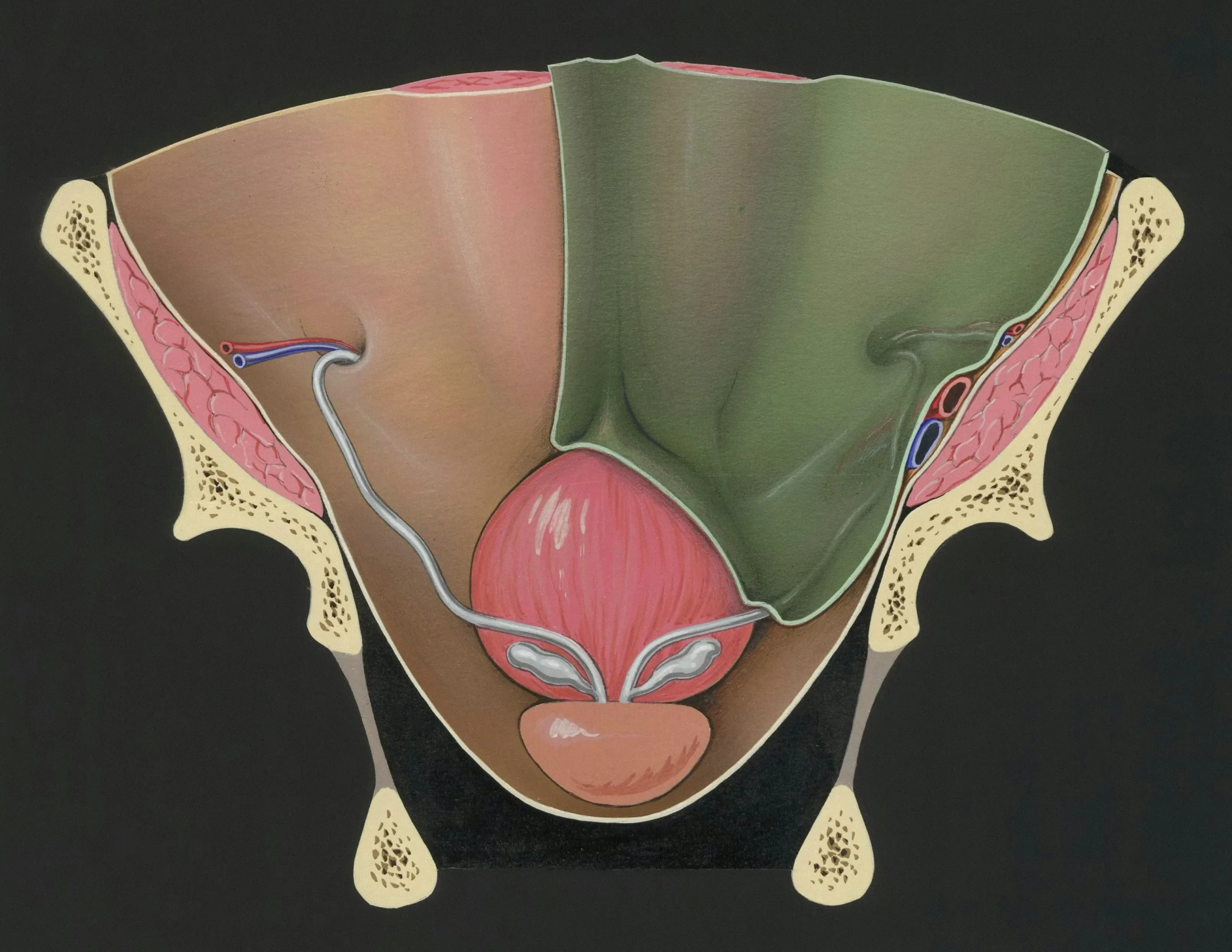 Because IBS and endometriosis share several gastrointestinal symptoms, distinguishing between them can be difficult without a thorough medical evaluation. Paying attention to symptom timing, triggers, and associated pelvic symptoms often provides important diagnostic clues.
Digestive Symptoms That Both Conditions Share
Many patients experience bloating, abdominal pain, constipation, diarrhea, or alternating bowel habits regardless of whether the underlying cause is IBS or endometriosis. These overlapping symptoms frequently contribute to delayed diagnosis, particularly when pelvic symptoms are mild or overlooked.
Digestive discomfort may interfere with work, exercise, sleep, and social activities, making both conditions equally disruptive to everyday life. However, understanding the complete pattern of symptoms helps healthcare providers identify the most likely cause.
Several symptoms commonly occur in both IBS and endometriosis.
Before assuming digestive symptoms are related to IBS alone, it is important to consider whether other pelvic symptoms are also present.
- Abdominal bloating
- Cramping or abdominal pain
- Constipation
- Diarrhea
- Gas and abdominal pressure
- Changes in bowel habits
Although these symptoms overlap, they should always be evaluated alongside menstrual history, pelvic pain, and other associated concerns.
Symptoms More Commonly Associated With Endometriosis
Unlike IBS, endometriosis often produces symptoms that extend beyond the digestive system. Pelvic pain is typically more severe and frequently follows the menstrual cycle, although some patients experience chronic discomfort throughout the month.
Pain during intercourse, painful urination, heavy menstrual bleeding, and fertility challenges are more closely associated with endometriosis than IBS.Some patients also experience severe pain during bowel movements, particularly during menstruation, because bowel endometriosis can affect tissues surrounding the bowel and contribute to gastrointestinal symptoms.
Recognizing these additional symptoms helps distinguish endometriosis from gastrointestinal disorders and supports earlier referral to a specialist.
How Doctors Differentiate IBS From Endometriosis
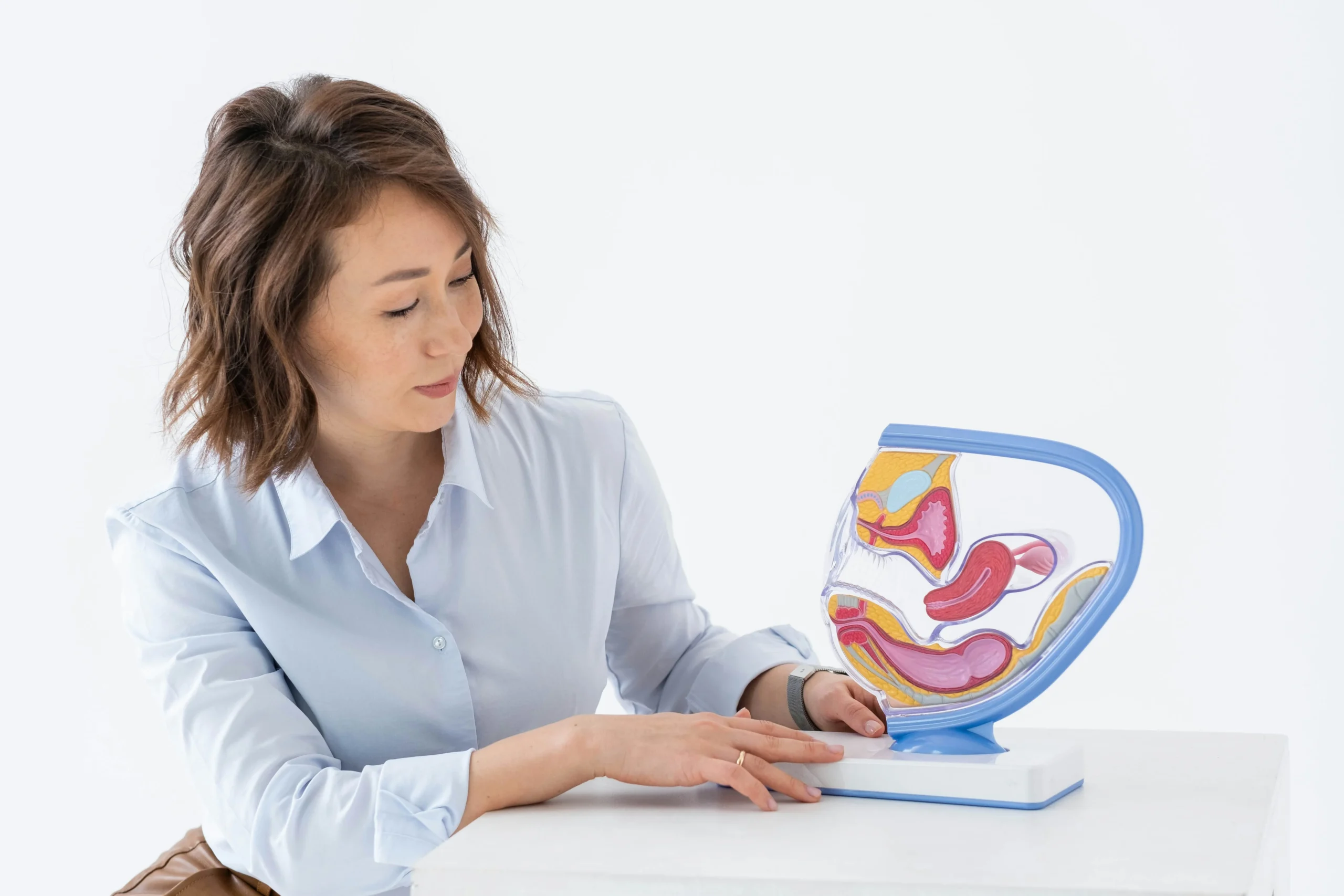 An accurate diagnosis is essential because IBS and endometriosis require very different treatment approaches. While both conditions can coexist, identifying the primary cause of symptoms helps patients receive more effective and personalized care.
Medical History and Symptom Patterns
The diagnostic process begins with a detailed discussion of symptom history. Healthcare providers evaluate when symptoms began, whether they follow the menstrual cycle, how bowel habits have changed, and what factors trigger symptom flare-ups.
Patients with IBS often report symptoms that worsen after eating certain foods or during periods of stress. In contrast, endometriosis symptoms commonly intensify before or during menstruation and may be accompanied by significant pelvic pain or painful intercourse.
Understanding these symptom patterns helps narrow the possible causes and guides decisions about further testing.
Imaging Studies and Diagnostic Evaluation
When endometriosis is suspected, imaging studies such as ultrasound or MRI may help identify ovarian cysts or deep infiltrating disease. Although imaging can provide valuable information, it may not detect every form of endometriosis.
For patients with persistent symptoms, minimally invasive laparoscopy remains the most reliable method for confirming endometriosis. This procedure allows specialists to directly examine the pelvic cavity and identify lesions that may not appear on imaging studies.
A combination of medical history, physical examination, imaging, and specialized evaluation provides the most accurate diagnosis while helping patients avoid unnecessary delays in treatment.
Treatment Options for IBS and Endometriosis

Although IBS and endometriosis can produce similar symptoms, treatment focuses on addressing the underlying condition rather than simply relieving bloating or abdominal discomfort. An accurate diagnosis helps healthcare providers develop a personalized treatment plan that targets the root cause of symptoms and improves long-term quality of life.
Managing Irritable Bowel Syndrome
IBS treatment is primarily centered on controlling symptoms and identifying factors that trigger flare-ups. Since symptoms vary from one person to another, treatment often combines dietary modifications, lifestyle changes, and medications based on individual needs.
Many patients find that keeping a food diary helps identify foods that worsen bloating, cramping, or bowel changes. Healthcare providers may also recommend stress management techniques, as emotional stress can influence digestive function through the gut-brain connection.
A personalized IBS management plan may include:
Finding the right combination of therapies often requires ongoing adjustments, but many patients achieve meaningful symptom improvement with a comprehensive approach.
- Dietary modifications, including a low-FODMAP diet when appropriate
- Regular physical activity
- Stress reduction techniques
- Medications to relieve constipation, diarrhea, or abdominal cramping
- Probiotics when recommended by a healthcare provider
Because IBS symptoms fluctuate over time, regular follow-up helps ensure treatment continues to meet the patient’s changing needs.
Treatment for Endometriosis and Endo Belly
Treatment for endometriosis focuses on reducing inflammation, relieving pain, and improving overall pelvic health. Depending on symptom severity, recommendations may include hormonal therapy, pain management, or surgical treatment.
For patients with persistent symptoms or advanced disease, minimally invasive laparoscopic excision surgery is considered one of the most effective treatment options. Unlike treatments that only suppress symptoms, excision surgery removes endometriosis lesions while preserving healthy surrounding tissue whenever possible.
Following treatment, many patients experience improvements in pelvic pain, digestive symptoms, bloating, and overall quality of life. Continued follow-up care helps monitor recovery and manage any future symptoms that may develop.
When Should You See an Endometriosis Specialist?
 Digestive symptoms that persist despite treatment for IBS should not be ignored, particularly when they occur alongside pelvic pain or menstrual symptoms. Consulting a specialist can help identify whether endometriosis or another pelvic condition is contributing to ongoing discomfort.
Signs Your Symptoms May Be More Than IBS
Many women are initially diagnosed with IBS before later discovering that endometriosis is responsible for some or all of their symptoms. While the two conditions can occur together, certain warning signs suggest that further evaluation is appropriate.
Symptoms that deserve specialized assessment include:
Recognizing these patterns early can shorten the time to diagnosis and help patients receive more targeted treatment.
- Pelvic pain that worsens during menstruation
- Severe bloating that follows the menstrual cycle
- Pain during intercourse
- Painful bowel movements during periods
- Heavy or irregular menstrual bleeding
- Ongoing digestive symptoms despite IBS treatment
If these symptoms continue affecting daily life, consulting an endometriosis specialist can provide valuable answers and expand available treatment options.
Why Specialized Evaluation Is Important
Endometriosis is frequently misunderstood because its symptoms overlap with several gastrointestinal and gynecological conditions. Specialists experienced in diagnosing complex pelvic pain understand the subtle differences that distinguish endometriosis from IBS and other disorders.
Comprehensive evaluation may include a detailed symptom review, pelvic examination, imaging studies, and discussion of whether minimally invasive surgery is appropriate. This individualized approach allows patients to receive accurate diagnoses and treatment recommendations based on their specific health needs rather than relying solely on symptom management.
Early evaluation not only improves symptom control but may also reduce the long-term impact of chronic inflammation and improve overall quality of life.
Frequently Asked Questions
Can You Have Both IBS and Endometriosis?
Yes. Some patients have both conditions at the same time. Because their symptoms often overlap, a comprehensive evaluation is important to determine how much each condition contributes to digestive discomfort and pelvic pain.
Does Endo Belly Only Occur During Menstruation?
Not always. While many patients experience worsening bloating around their menstrual cycle, endo belly can also occur at other times depending on inflammation, disease severity, and individual symptom patterns.
How Can I Tell If My Bloating Is Caused by Endometriosis?
Bloating associated with endometriosis is often accompanied by pelvic pain, painful periods, pain during bowel movements, or discomfort during intercourse. Symptoms that consistently follow the menstrual cycle may indicate endometriosis rather than IBS.
Is Laparoscopy Necessary to Diagnose Endometriosis?
Laparoscopy remains the most reliable method for confirming endometriosis. However, healthcare providers often begin with a detailed medical history, physical examination, and imaging studies before determining whether surgery is appropriate.
Conclusion
IBS and endometriosis share many digestive symptoms, making it understandable why the two conditions are often confused. However, recognizing the differences in symptom patterns, pelvic pain, menstrual changes, and treatment responses is essential for obtaining an accurate diagnosis. While IBS primarily affects bowel function, endometriosis is a chronic inflammatory condition that can involve multiple pelvic organs and frequently causes gastrointestinal symptoms alongside reproductive health concerns. Understanding these distinctions empowers patients to seek appropriate care and avoid unnecessary delays in treatment.
If you are experiencing persistent bloating, pelvic pain, digestive symptoms, or discomfort that worsens with your menstrual cycle, the Endometriosis Center of Excellence offers comprehensive evaluation and personalized treatment for complex endometriosis. Schedule a consultation to receive expert guidance, identify the underlying cause of your symptoms, and take the next step toward lasting relief and improved quality of life.