
Are You Still in Pain After Endometriosis Surgery?
Second Opinions and Repeat Excision
Pain can continue or return after endometriosis surgery, and a second opinion can help find out why. At Endometriosis Center of Excellence in Dallas, board-certified surgeons Dr. Rachael Haverland and Dr. Katherine Smith review your symptoms, your history, your past operative and pathology reports and any imaging. Repeat surgery is one possible option, and other treatments may fit your situation better.
For women who still have pain after endometriosis surgery, or whose pain has returned, and who want a specialist evaluation before deciding on next steps.
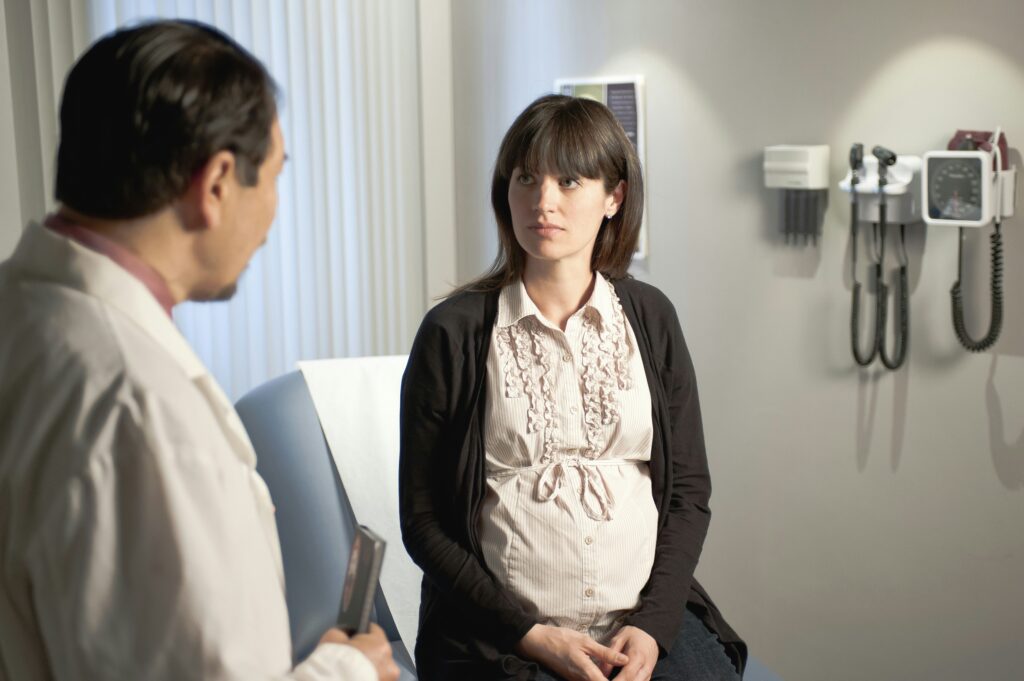
Many women expect surgery to be the turning point and feel discouraged when pain continues, or returns months or years later. If that is where you are, you may also worry that no one will take your symptoms seriously this time.
Persistent pain after surgery is a common reason patients seek a second opinion, and it does not mean you did something wrong. Endometriosis is a complex, long-term condition, and pain after surgery can have several causes that may overlap. A second opinion focuses on what is driving your pain now, so that the next step fits that cause.

Your surgeon reviews your history in detail: your symptoms before and after your last surgery, the treatments you have tried since, and what matters most to you now, including any fertility plans. A pelvic exam may be recommended, and you can discuss it and decide at the visit. Imaging such as ultrasound or MRI may also be part of the evaluation.
Your past records fill in what memory cannot. Together with your history and exam, they help point toward the likely causes of your pain and the options worth weighing.

Residual endometriosis is disease that remained after an earlier operation. It may not have been recognized, it may have been in an area that was hard to reach safely, or the surgical plan may have been limited for reasons such as fertility goals or the need for another specialist. Recurrent endometriosis means new lesions developed after treatment. The two can be hard to tell apart, and some patients have both.
Symptoms alone cannot show whether pain comes from incomplete removal or a true recurrence of endometriosis. Pain can come back for other reasons, and some lesions cause few symptoms. Past operative and pathology reports, an exam and imaging help build the picture, although imaging can miss small or superficial disease. Sometimes only another surgery with tissue examination can answer the question, which is one reason that decision is made carefully.

Pain after surgery rarely has one single explanation. Endometriosis may have remained or returned, and other sources of pain can add to it or exist on their own. The table compares what each one means and what can help tell them apart.
| What may be happening | What it means | What can help sort it out |
|---|---|---|
| Residual endometriosis | Disease that remained after an earlier operation | Past operative and pathology reports, an exam, imaging and your symptom timeline |
| Recurrent endometriosis | New lesions that developed after treatment | The timing and pattern of returning pain and imaging; sometimes only surgery can tell |
| Pelvic floor muscle problems | Muscles that stay tight or in spasm after long-term pain | A pelvic floor exam and often a physical therapy evaluation |
| Pain sensitization | A nervous system that has become more sensitive, so pain is felt more strongly and more widely | Your pain pattern, other pain conditions and how you respond to treatment |
| Nerve-related pain | Irritation or injury of pelvic or abdominal wall nerves, sometimes near past incisions | Burning, shooting or pinpoint pain on exam and, at times, a referral |
| Other conditions | Adhesions, adenomyosis, bladder pain syndrome or irritable bowel syndrome | Your history, an exam, imaging and, when needed, a specialist referral |
Several of these can be present at the same time. Identifying each one matters because each responds to different treatment, and surgery addresses only some of them.
Ask each hospital or surgery center for the full operative report, which is more detailed than the discharge summary. Each record below answers a different question about your past care. If records are slow to arrive, you can still book your visit and bring what you have.

Your surgeon's written account of what was seen, where it was, and what was removed or treated.

What the pathologist found in the tissue that was sent, which helps show what was actually removed.
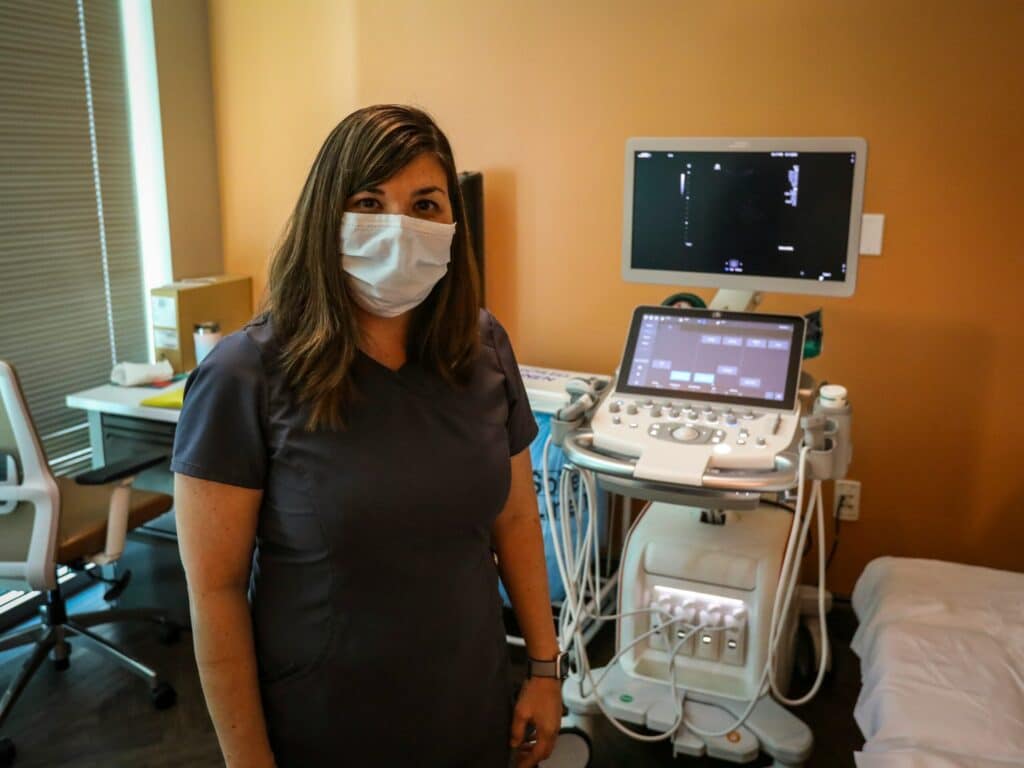
Ultrasound or MRI reports from before and after surgery, plus the image discs if you can get them.

When pain eased, when it came back, and how it compares with the pain you had before surgery.
Many patients with persistent pain improve without another operation, and nonsurgical care is often part of the plan even when surgery is considered.
Hormonal medicines can suppress endometriosis activity and may reduce pain from residual or recurrent disease, although symptoms often return when they are stopped and side effects vary from person to person. Pelvic floor physical therapy can help when tight or overactive muscles keep pain going. Nerve-directed medicines, pain management care and treatment of bladder or bowel conditions may help when those are part of the picture.
When these treatments may help, our surgeons coordinate with pelvic floor physical therapists, pain management and other specialists so that the plan addresses each source of pain.
Repeat surgery is not automatically recommended for persistent pain. Your surgeon may discuss it when your history, exam or imaging suggest that endometriosis remains or has returned, when disease may be affecting the bowel, bladder or ureters, when nonsurgical treatment has not given enough relief or is not a good fit, or when fertility planning makes surgery reasonable.
If the evaluation points elsewhere, the plan may focus on medicine, pelvic floor physical therapy, pain management or care for another condition. You can take the time you need to weigh the options and decide what fits your goals.

Repeat excision can reduce pain for some patients when endometriosis is found and removed, and tissue sent to a pathologist can clarify what was present. It is also a bigger decision than a first operation, so the possible benefits need to be weighed against the risks.
Scar tissue from earlier surgery can make a repeat operation longer and more complex. Risks include bleeding, infection, injury to the bowel, bladder, ureters or blood vessels, conversion to open surgery and anesthesia risks. When disease involves the bowel, risks can include a leak or fistula and, in some cases, a temporary stoma. When needed, our surgeons plan these operations with colorectal surgery or urology.
Surgery also has limits. It does not treat pain that comes from pelvic floor muscles, sensitization or nerve irritation. Endometriosis can recur after any surgery, and some patients still need medical treatment, physical therapy or further procedures afterward.
Long-standing or returning pain is different from new symptoms in the days and weeks after an operation. If you had surgery recently, know which symptoms need urgent care.
Go to the emergency room or call 911 for severe or worsening abdominal pain, a fever of 100.4°F (38°C) or higher with chills, heavy bleeding, vomiting with inability to keep fluids down, chest pain or shortness of breath, calf pain or leg swelling, inability to pass urine, or wound redness that is spreading or draining pus.
Call our office during business hours with questions about mild nausea, constipation, expected soreness, activity or medicines. Do not leave a voicemail about emergency symptoms. For chronic pain months after surgery, schedule a second-opinion visit.
These steps run from your first call to a decision you make with your surgeon. Nothing in this process commits you to another surgery or to any one treatment.
Tell us you had surgery before and want a second opinion.
Ask past hospitals and surgeons for operative and pathology reports.
Review your history, records, exam findings and goals together.
Weigh the options together, and take the time you need.
Endometriosis Center of Excellence is the Dallas surgical practice of Dr. Rachael Haverland and Dr. Katherine Smith, at 8140 Walnut Hill Lane, Suite 106, Dallas, TX 75231. Both are board certified by ABOG and hold its Focused Practice Designation in Minimally Invasive Gynecologic Surgery. Tissue removed at surgery is sent to a pathologist for examination, and a second opinion here starts with a careful review of what was found before.


Dr. Rachael Haverland
Dr. Katherine Smith
It can. Endometriosis is a long-term condition, and new lesions can develop after any treatment, including excision. Pain after surgery may also come from disease that remained, or from other causes such as pelvic floor muscle tension or nerve-related pain. Symptoms alone cannot confirm a recurrence, so a careful evaluation helps tell these apart.
The first step is a review of your operative report, pathology results, symptoms and any imaging, along with an exam if you agree to one. Repeat surgery is one option, although it is not automatic. Hormonal medicine, pelvic floor physical therapy or pain management may fit better, depending on the cause.
Pain after surgery can have several causes. Some endometriosis may have remained, or new disease may have grown. Pelvic floor muscle problems, a more sensitive nervous system, nerve irritation, adhesions, adenomyosis, or bladder and bowel conditions can also cause pain, and several can overlap.
A second opinion makes sense if pain continues after surgery, if your pain has returned, or if you feel unsure about a recommended plan. Endometriosis care depends a great deal on the surgeon's training and approach, and asking for another view is a normal part of care.
Bring the full operative report from each past surgery and the pathology reports. Add ultrasound or MRI reports and image discs if you have them. Include a list of treatments you have tried since surgery. Add a simple timeline of when your pain eased and when it returned.
Not necessarily. Repeat surgery may be considered when there is reason to think endometriosis remains or has returned and surgery fits your goals. Other options include hormonal medicine, pelvic floor physical therapy, pain management or care for another cause of pain. Your surgeon explains the benefits, risks and limits of each so you can decide.
In the days and weeks after an operation, go to the emergency room or call 911 for severe or worsening abdominal pain, a fever of 100.4°F (38°C) or higher with chills, heavy bleeding, vomiting that keeps you from holding down fluids, chest pain, shortness of breath, leg swelling or inability to pass urine. Do not wait for an office callback with these symptoms.
Bring the records you have, even if your file is not complete. Call our Dallas office or request an appointment online to have your pain evaluated by surgeons who focus on endometriosis. The goal is a clearer picture of what may be causing your pain and which options fit your goals.