
Laparoscopy for Endometriosis
Diagnostic and Operative Laparoscopy in Dallas
Laparoscopy is a minimally invasive surgery that lets a surgeon look directly inside the pelvis and, when planned in advance, treat endometriosis during the same operation. Many patients can start treatment without surgery. At Endometriosis Center of Excellence in Dallas, Dr. Rachael Haverland and Dr. Katherine Smith, both board-certified minimally invasive gynecologic surgeons, help you decide whether laparoscopy fits your symptoms and goals.
For patients whose doctor has suggested laparoscopy, whose pain continues despite treatment, or whose scans looked normal while symptoms persist.
Laparoscopy is one option among several. Current guidance, including the 2022 ESHRE endometriosis guideline, supports starting treatment based on a clinical diagnosis from your symptoms, a pelvic exam and imaging, without first confirming the disease surgically. Hormonal medicines, pain management and pelvic floor physical therapy help many patients.
Your surgeon may discuss laparoscopy when:
Nonsurgical care may be a reasonable choice if your symptoms are controlled, you prefer to avoid surgery, or the risks of an operation outweigh the expected benefit. We talk through these options with you before any surgery is scheduled.
Transvaginal ultrasound and MRI are often the first tests. In experienced hands they can identify endometriomas and many deep nodules, which can support a diagnosis and help plan surgery. They are less reliable for superficial lesions and thin adhesions, so a normal scan does not rule out endometriosis. Laparoscopy gives a direct view of the pelvis, and any tissue removed is sent to a pathologist for examination.
| Test | What it can show | What it can miss | Role in diagnosis |
|---|---|---|---|
| Transvaginal ultrasound | Endometriomas and many deep nodules, depending on the examiner's expertise | Superficial lesions and thin adhesions | Can support a clinical diagnosis and guide treatment |
| MRI | Deep disease near the bowel, bladder or ureters, and endometriomas | Superficial lesions and thin adhesions | Can support a diagnosis and map disease before surgery |
| Laparoscopy with pathology | A direct, magnified view of pelvic surfaces, with tissue sent for examination | Very small or atypical lesions, or disease outside the areas examined | Allows visual diagnosis and treatment; pathology examines the tissue |
Both are done under general anesthesia through a few small incisions in the abdomen, using a thin camera called a laparoscope. Our surgeons use laparoscopic and, when appropriate, robotic-assisted techniques.
Diagnostic laparoscopy means the surgeon examines the pelvis and may take small tissue samples. It is usually shorter, and many patients go home the same day.
Operative laparoscopy means the surgeon also treats what is found, for example by excising endometriosis, removing an endometrioma or freeing adhesions. When disease involves the bowel, bladder or ureters, the operation can be longer, may involve other specialists and usually needs a longer recovery.
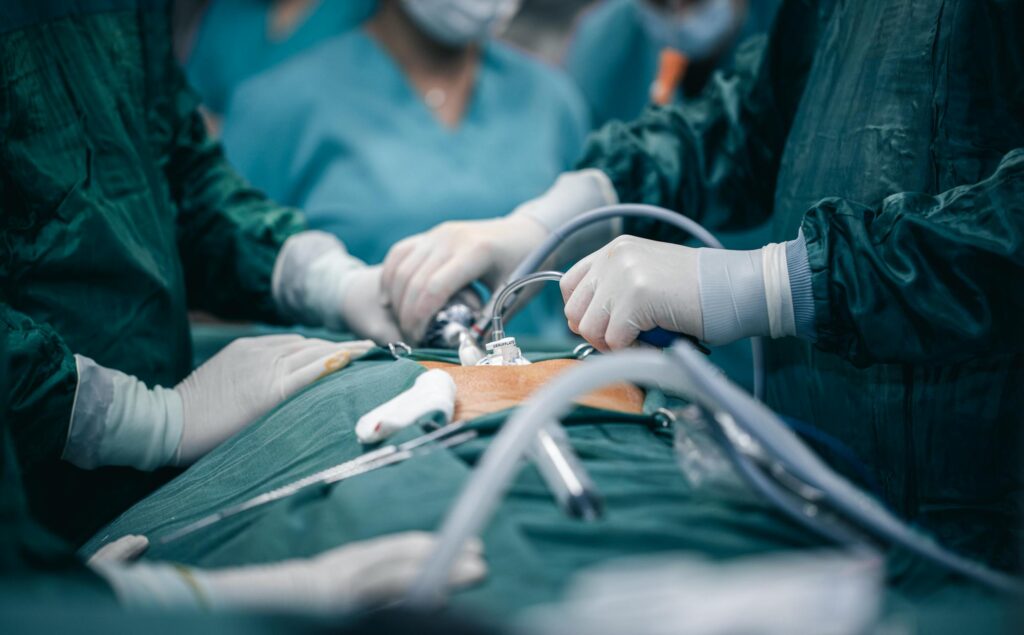
When laparoscopy is planned well, diagnosis and treatment can often happen in the same operation, which may avoid a second surgery. Before surgery, your surgeon reviews your symptoms and imaging, explains what may be found and what could be removed, and asks for your informed consent to each part of the plan.
If findings are more extensive than expected, such as unplanned bowel or urinary tract involvement, the safest choice may be to stop and schedule a second procedure with the right team. Questions worth asking before surgery:
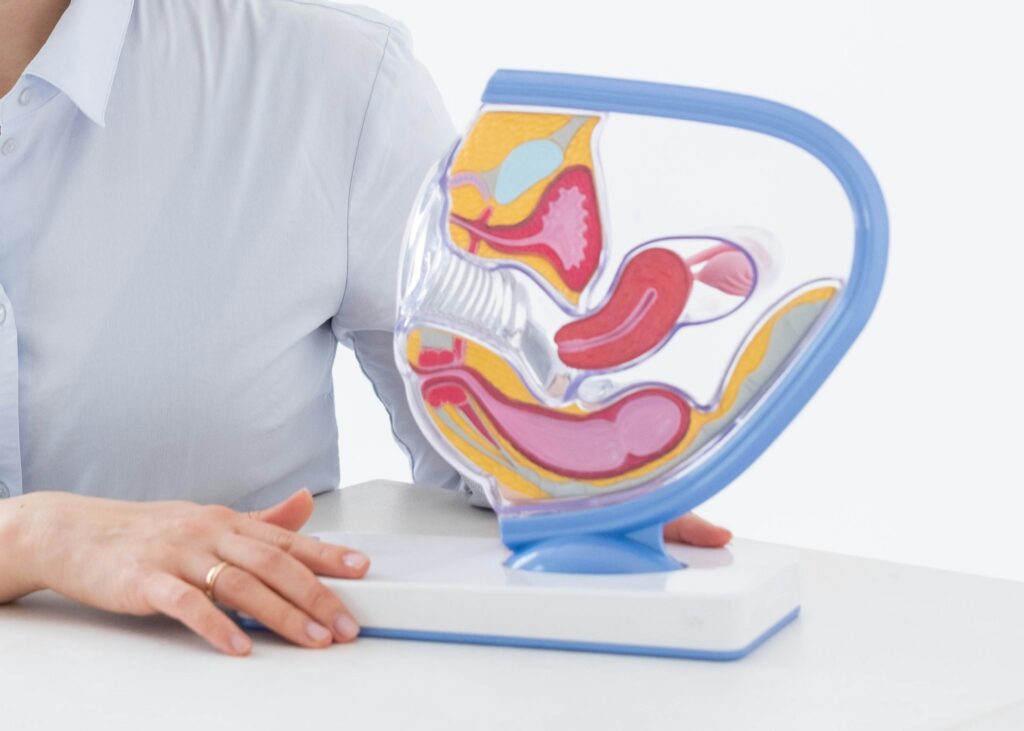
Your surgeon's team will give you written instructions. You may need lab tests or imaging beforehand, along with specific rules about eating, drinking and which medicines to stop or continue. Follow them closely, and call our office if anything is unclear.
Arrange a ride home and help at home for the first few days of recovery, and pack loose, comfortable clothing.

Laparoscopy can give a clearer answer about what is causing your symptoms, and excision of endometriosis can reduce pain for many patients. Any tissue removed is sent to a pathologist for examination. Results vary, and surgery cannot promise that every lesion is removed or that pain will not return.
Risks are uncommon but real. They include bleeding, infection, blood clots, reactions to anesthesia, injury to the bowel, bladder, ureters or blood vessels and, occasionally, conversion to open surgery. When disease on the bowel is treated, there is also a risk of leak or fistula, and some patients need a temporary stoma.
Limitations include pain from other causes, such as adenomyosis, pelvic floor muscle dysfunction or nerve sensitization, which surgery may not relieve. Endometriosis can recur, and some patients need medical treatment, physical therapy or further surgery afterward. Your surgeon reviews your own risks and expected benefits before you consent.
Recovery depends on what was done. After a diagnostic laparoscopy, many patients return to light activity within days. After extensive excision, especially involving the bowel, bladder or ureters, recovery often takes several weeks and may include a hospital stay. Your surgeon gives you a plan for activity, work and follow-up.
Soreness at the incisions, bloating and shoulder discomfort from the gas used during surgery are common in the first days.
Go to the emergency room or call 911 for severe or worsening abdominal pain, a fever of 100.4°F (38°C) or higher with chills, heavy bleeding, vomiting that keeps you from holding down fluids, chest pain or shortness of breath, calf pain or leg swelling, inability to pass urine, or spreading redness or pus at an incision.
Call our office during business hours for mild nausea, constipation, expected soreness, or questions about activity, bathing, driving or your medicines.
Planning happens before surgery is scheduled, so you understand why laparoscopy is recommended, what it aims to do and what other options exist.
Your surgeon reviews your symptoms, history, exam findings and prior imaging.
Additional ultrasound or MRI may be ordered to map deeper disease.
You discuss goals, alternatives, risks and the surgical plan before agreeing.
A follow-up visit reviews healing, pathology findings and next treatment steps.
Endometriosis Center of Excellence is a two-surgeon practice at 8140 Walnut Hill Lane, Suite 106, Dallas, TX 75231. Dr. Rachael Haverland and Dr. Katherine Smith are both board certified by the American Board of Obstetrics and Gynecology (ABOG) and hold its Focused Practice Designation in Minimally Invasive Gynecologic Surgery.

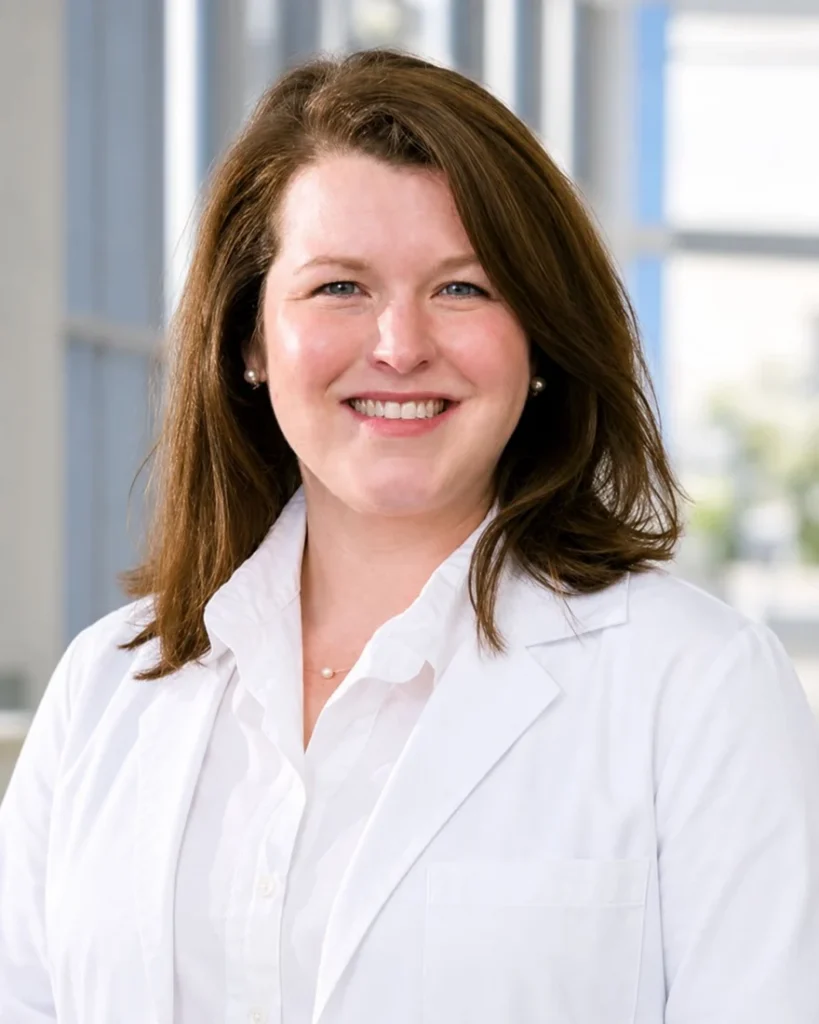
Dr. Rachael Haverland
Dr. Katherine Smith
Laparoscopy uses small incisions and general anesthesia. A short diagnostic procedure is less involved than extensive excision of deep disease, which can take several hours and may require a hospital stay. Both are real operations with real risks, which your surgeon reviews with you before you consent.
No. Current guidance supports a clinical diagnosis based on your symptoms, a pelvic exam and imaging such as ultrasound or MRI, and treatment can begin without surgery. Laparoscopy with tissue examination remains useful when imaging is normal but symptoms persist, or when surgical treatment is already planned.
It depends on what was done and the kind of work you do. Recovery after a diagnostic laparoscopy is usually shorter than after extensive excision. Your surgeon gives you a plan for returning to work and activity. Ask before surgery so you can arrange time off and help at home.
You are asleep during surgery. Afterward, incision soreness, bloating and shoulder discomfort from the gas are common, and your care team gives you a plan to manage pain at home. Severe or worsening abdominal pain is not expected; go to the emergency room or call 911 if it happens.
Often, if it was planned and you consented beforehand. Your surgeon discusses what may be removed and how deeper disease would be handled. If findings are more extensive than expected, a second planned procedure with other specialists may be safer.
Risks include bleeding, infection, blood clots, reactions to anesthesia, injury to the bowel, bladder, ureters or blood vessels and, occasionally, conversion to open surgery. Risks are higher when deep disease is treated. Your surgeon explains your own risks before surgery.
A consultation helps you understand whether laparoscopy, medical treatment or another approach fits your symptoms and goals. Call (214) 281-4460 or book online to meet with Dr. Haverland or Dr. Smith.