
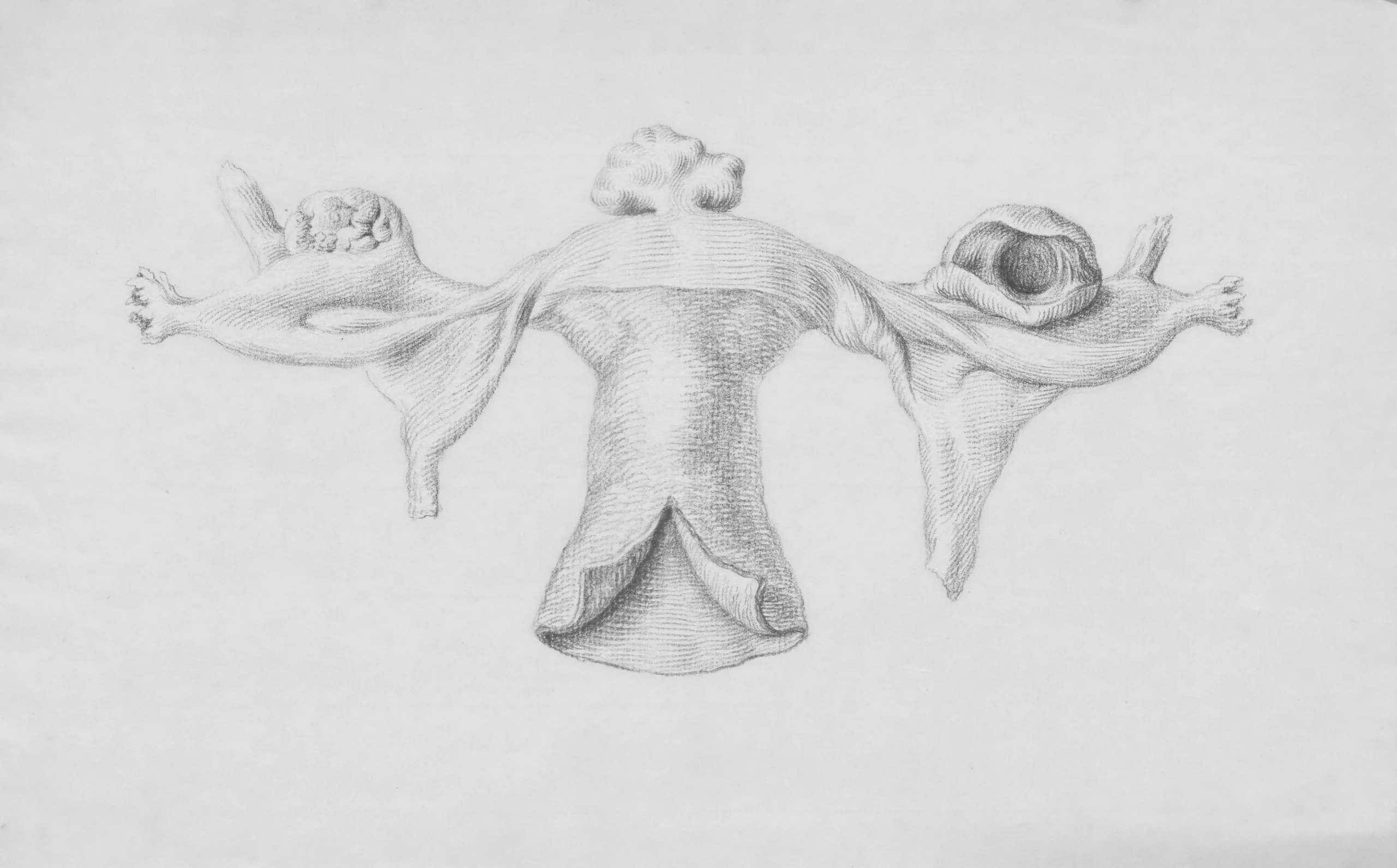
Endometriosis is a chronic inflammatory condition that affects millions of women and can significantly impact pelvic health, fertility, and quality of life. Although the disease is commonly classified into four stages, the stage of endometriosis does not always reflect how much pain a patient experiences. Some women with minimal disease have severe symptoms, while others with advanced endometriosis may experience relatively mild discomfort. Understanding how endometriosis is staged, how symptoms can change over time, and which treatment options are available helps patients make informed decisions about their care. Early diagnosis and individualized treatment play an important role in reducing pain, preserving reproductive health, and preventing disease progression. By learning how each stage is defined, patients can better understand their condition and work with a specialist to develop a treatment plan that supports their long-term health goals.
Understanding the Four Stages of Endometriosis
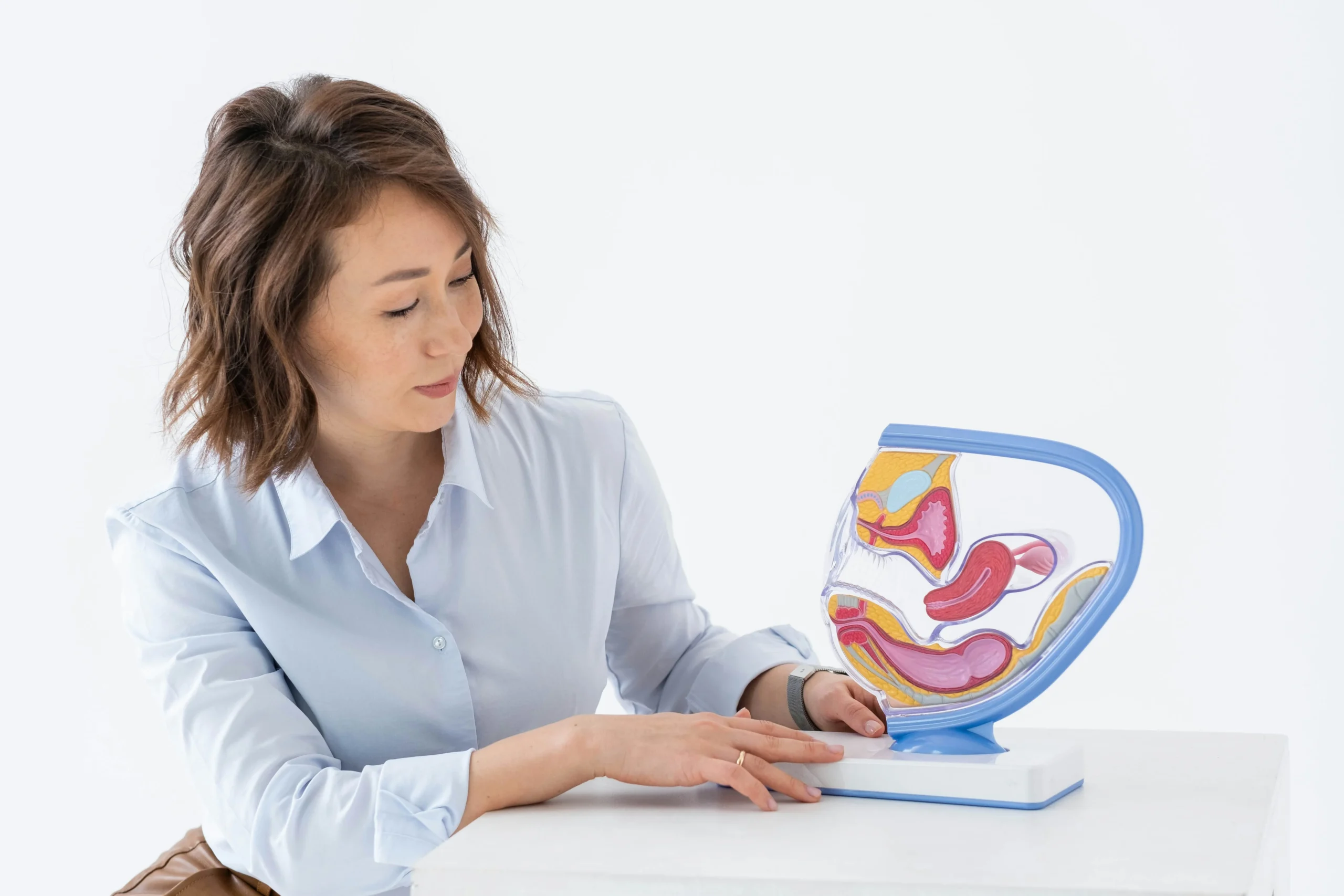
Endometriosis is commonly classified using the revised American Society for Reproductive Medicine (rASRM) staging system. The stages are based on the number, depth, and location of endometriosis lesions, as well as the presence of scar tissue and ovarian involvement.
While staging helps describe how far the disease has progressed anatomically, it does not determine how much pain a patient will experience or predict fertility outcomes.
Stage I and Stage II Endometriosis
Stage I, or minimal endometriosis, involves a small number of superficial lesions with little or no scar tissue. Patients may experience mild symptoms, but some women report significant pelvic pain despite limited disease.
Stage II, known as mild endometriosis, includes deeper lesions and a greater number of implants within the pelvis. Although disease progression is more noticeable, symptom severity still varies considerably between individuals.
Many women in these early stages continue to experience chronic pelvic pain, painful menstrual periods, or discomfort during intercourse. Evaluation remains important even when imaging appears relatively normal.
Stage III and Stage IV Endometriosis
Moderate and severe endometriosis involve more extensive disease. Stage III often includes deeper implants, ovarian endometriomas, and adhesions that can affect normal pelvic anatomy.
Stage IV is the most advanced stage and is characterized by widespread lesions, dense scar tissue, and significant involvement of surrounding pelvic organs. Depending on the extent of disease, structures such as the ovaries, bowel, bladder, or pelvic lining may be affected.
Although advanced stages are more likely to create anatomical changes, symptom severity still differs from patient to patient. Some women experience debilitating pain, while others primarily seek medical care because of fertility concerns.
How Endometriosis Affects Pain Across All Stages
 One of the biggest misconceptions about endometriosis is that more advanced disease always causes more pain. Research and clinical experience have shown that pain severity often has little correlation with disease stage.
Instead, pain is influenced by factors such as inflammation, nerve involvement, lesion location, and the body’s individual response to chronic irritation.
Why Mild Endometriosis Can Cause Severe Pain
Even a small number of endometriosis lesions can produce significant discomfort if they develop near sensitive nerves or highly inflamed tissues. The inflammatory response triggered by endometriosis may amplify pain signals, making symptoms feel much worse than the visible extent of disease suggests.
Some patients with Stage I or Stage II endometriosis report symptoms that interfere with work, exercise, sleep, and daily activities despite having relatively limited disease during surgery.
Treatment decisions should therefore focus on the patient’s symptoms and overall health rather than staging alone.
Common Pain Symptoms at Every Stage
Although symptoms vary, certain patterns are commonly associated with endometriosis regardless of disease stage. Recognizing these warning signs can encourage earlier evaluation and treatment.
Patients frequently describe symptoms that gradually worsen over time or become more noticeable around menstruation.
Common symptoms include:
- Severe menstrual cramps
- Chronic pelvic pain
- Pain during intercourse
- Painful bowel movements or urination
- Lower back pain during menstruation
- Fatigue associated with chronic pelvic pain
Understanding these symptoms helps patients recognize when ongoing discomfort may require specialized medical evaluation. The presence of these symptoms does not necessarily indicate advanced disease, and individualized assessment remains essential.
How Endometriosis Is Diagnosed and Evaluated
Because symptoms vary widely and often resemble other pelvic conditions, diagnosing endometriosis can be challenging. Many patients experience years of symptoms before receiving an accurate diagnosis.
A comprehensive evaluation helps specialists identify the underlying cause of pelvic pain while determining the most appropriate treatment plan for each patient.
Medical History, Examination, and Imaging
The diagnostic process usually begins with a detailed review of symptoms, menstrual history, fertility concerns, and previous treatments. During the physical examination, healthcare providers evaluate areas of tenderness and assess for abnormalities that may suggest endometriosis.
Imaging studies such as transvaginal ultrasound and MRI can provide valuable information about ovarian endometriomas and deep infiltrating disease. However, imaging cannot detect every endometriosis lesion, particularly smaller superficial implants.
These evaluations help guide treatment planning while determining whether additional testing is necessary.
Laparoscopy and Disease Staging
For many patients, minimally invasive laparoscopy remains the most reliable method for diagnosing endometriosis. During this procedure, the surgeon directly examines the pelvic cavity, identifies endometriosis lesions, and evaluates the extent of disease.
Laparoscopy also allows specialists to accurately stage endometriosis by assessing lesion size, depth, location, and the presence of adhesions or ovarian involvement.
An accurate diagnosis provides the information needed to develop a personalized treatment strategy that addresses both symptom relief and long-term reproductive health.
Endometriosis Treatment Options for Every Stage

Treatment for endometriosis is highly individualized and should be based on a patient’s symptoms, reproductive goals, age, and overall health rather than disease stage alone. While staging provides valuable information about the extent of the disease, symptom severity and quality of life remain the most important factors when developing a treatment plan.
Early intervention can help reduce chronic pain, preserve fertility, and improve long-term outcomes for many patients.
Non-Surgical Treatment Approaches
For patients with mild symptoms or those who are not immediate candidates for surgery, conservative treatment may provide meaningful relief. Hormonal therapies are commonly used to suppress the hormonal stimulation of endometriosis tissue, while pain management strategies help reduce inflammation and improve daily comfort.
Lifestyle modifications may also complement medical treatment. Regular exercise, balanced nutrition, stress management, and adequate sleep can help some patients better manage symptom flare-ups alongside professional medical care.
A comprehensive non-surgical treatment plan may include:
- Hormonal therapy to help manage disease activity
- Anti-inflammatory medications for symptom relief
- Pelvic floor physical therapy
- Lifestyle and nutritional guidance
- Regular follow-up evaluations to monitor symptoms
Every treatment plan is customized according to the patient’s symptoms and long-term health goals.
Although conservative treatments can improve quality of life, they may not remove existing endometriosis lesions, making ongoing evaluation important.
Minimally Invasive Excision Surgery
For patients with persistent pain, fertility concerns, or advanced disease, laparoscopic excision surgery is considered one of the most effective treatment options. Unlike procedures that destroy the surface of lesions, excision surgery removes endometriosis tissue while preserving as much healthy surrounding tissue as possible.
This minimally invasive approach allows surgeons to restore pelvic anatomy, remove scar tissue, and reduce inflammation that contributes to chronic pain. Many patients also experience shorter recovery times and less postoperative discomfort compared to traditional open surgery.
Treatment recommendations are always based on individual findings rather than disease stage alone, ensuring patients receive care tailored to their unique circumstances.
Why Specialized Endometriosis Care Matters
 Because endometriosis affects every patient differently, successful treatment often requires more than simply assigning a disease stage. Comprehensive evaluation by specialists experienced in endometriosis allows for individualized care that addresses pain, fertility, and overall quality of life.
A patient-centered approach helps ensure that treatment decisions are guided by symptoms, future goals, and disease characteristics rather than relying solely on staging classifications.
The Value of Personalized Treatment Planning
No two patients experience endometriosis in exactly the same way. Some women seek treatment because of debilitating pelvic pain, while others are primarily concerned about fertility or chronic fatigue.
Personalized treatment planning begins with understanding each patient’s symptoms, lifestyle, reproductive goals, and previous treatments. Specialists use this information to recommend the most appropriate combination of medical therapy, minimally invasive surgery, rehabilitation, and long-term follow-up.
This individualized approach allows patients to receive treatment that reflects their specific needs instead of following a standardized pathway.
Improving Quality of Life Beyond Pain Relief
Although reducing pelvic pain is one of the primary goals of treatment, comprehensive care also focuses on helping patients regain normal daily function and improve their overall well-being.
Successful treatment often allows patients to return to work, participate in physical activities, enjoy healthier relationships, and pursue future family planning with greater confidence. Addressing emotional well-being alongside physical recovery is equally important, as chronic pain can significantly affect mental health and overall quality of life.
Long-term follow-up care helps patients continue managing symptoms while adapting treatment plans as their needs change over time.
Frequently Asked Questions
Does Stage IV Endometriosis Always Cause the Most Pain?
No. The severity of pain does not always match the stage of endometriosis. Some patients with Stage I disease experience severe pain, while others with Stage IV disease report relatively mild symptoms.
Can Endometriosis Progress From One Stage to Another?
Yes. Endometriosis may progress over time if left untreated, although the rate of progression varies from one patient to another. Regular evaluation helps monitor changes in symptoms and disease progression.
Is Surgery Recommended for Every Stage of Endometriosis?
Not necessarily. Treatment depends on symptom severity, fertility goals, and overall health rather than stage alone. Some patients respond well to conservative treatment, while others benefit from minimally invasive excision surgery.
Why Is Early Diagnosis Important?
Early diagnosis allows patients to begin treatment before symptoms become more severe or complications develop. Timely care may improve pain management, preserve fertility, and enhance long-term quality of life.
Conclusion
Understanding the four stages of endometriosis provides valuable insight into how the disease is classified, but staging is only one part of understanding the condition. Pain severity, fertility concerns, and the impact on daily life vary from person to person, making an individualized evaluation essential. Early diagnosis and a personalized treatment plan can help address the underlying cause of symptoms, preserve reproductive health, and improve long-term quality of life.
At the Endometriosis Center of Excellence, patients receive personalized, multidisciplinary care from a Mayo Clinic-trained specialist dedicated to the diagnosis and treatment of endometriosis. Through advanced diagnostic evaluation, minimally invasive excision surgery, fertility-focused care, pelvic floor physical therapy referrals, and collaborative treatment planning, care is tailored to each patient’s unique needs and long-term goals. If you are experiencing pelvic pain, fertility concerns, or symptoms of endometriosis, schedule a consultation to explore a personalized treatment plan focused on lasting symptom relief and improved quality of life.