
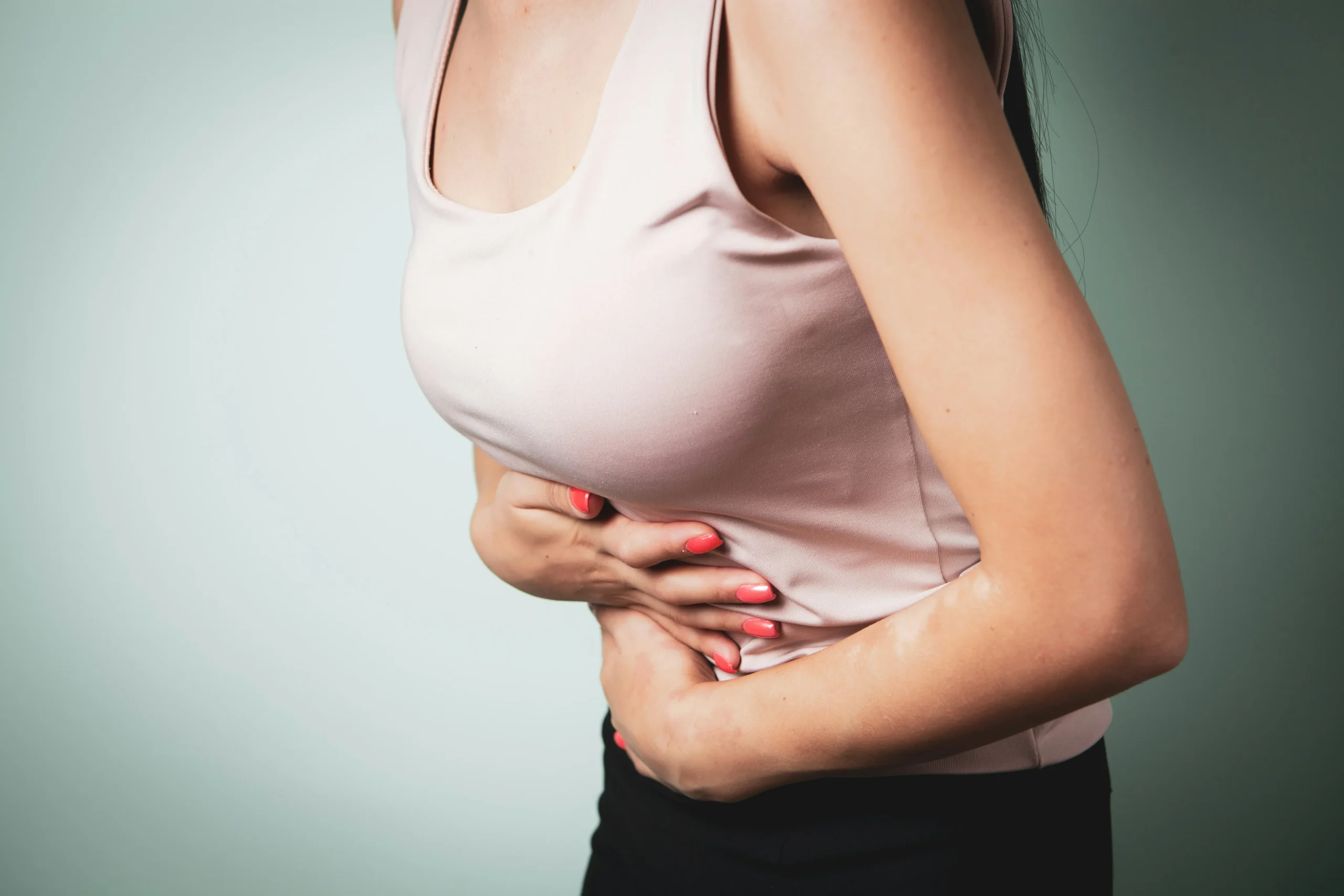
Endo belly is a term commonly used to describe the severe abdominal bloating, swelling, and pelvic discomfort that many women with endometriosis experience. Unlike occasional digestive bloating, endo belly can develop suddenly, become painful, and interfere with everyday activities, making even simple tasks uncomfortable. Although bloating is one of the most recognizable symptoms, it often occurs alongside chronic pelvic pain, fatigue, bowel changes, and inflammation caused by endometriosis. Because several factors can contribute to endo belly, effective treatment requires more than simply managing digestive symptoms. Understanding the underlying causes, recognizing common triggers, and exploring both medical and lifestyle approaches can help patients find lasting relief. With personalized care and appropriate treatment, many women experience significant improvements in comfort, mobility, and overall quality of life.
Understanding Endo Belly: Causes and Contributing Factors
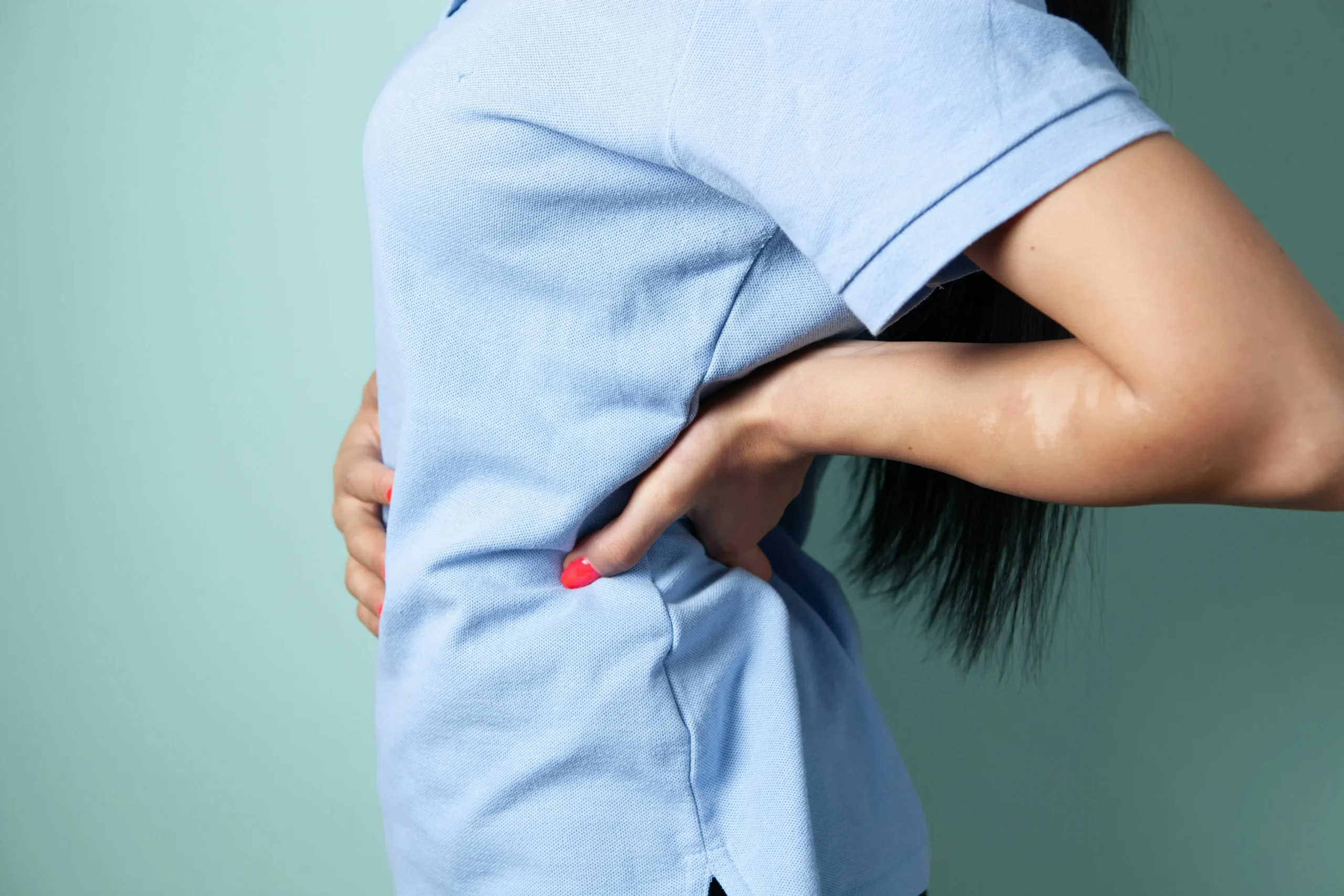
Endo belly is more than temporary bloating after eating. It is a symptom commonly associated with endometriosis and is often linked to chronic inflammation, irritation of pelvic tissues, hormonal fluctuations, and digestive changes. Understanding why it occurs is the first step toward finding the most effective treatment.
What Is Endo Belly?
Endo belly refers to episodes of significant abdominal bloating and swelling experienced by many individuals with endometriosis. The abdomen may appear noticeably enlarged and feel tight, heavy, or painful. Symptoms can last for several hours or persist for several days depending on inflammation levels and disease activity.
Many patients notice that bloating worsens around their menstrual cycle, although some experience symptoms throughout the month. The severity varies widely, with some women experiencing mild discomfort while others struggle with bloating that affects daily activities and clothing fit.
Although endo belly is common, it should not be dismissed as a normal part of menstruation. Persistent or severe bloating deserves evaluation by a healthcare provider familiar with endometriosis.
What Causes Endo Belly?
Several factors contribute to abdominal bloating in endometriosis. Chronic inflammation caused by endometriosis lesions can irritate surrounding tissues and organs, leading to swelling and discomfort. Hormonal fluctuations throughout the menstrual cycle may further increase inflammation and fluid retention.
Digestive changes also play a role. Some patients experience constipation, diarrhea, or increased sensitivity within the gastrointestinal tract, making bloating more noticeable during symptom flare-ups.
Common factors that may contribute to endo belly include:
- Chronic pelvic inflammation
- Hormonal changes during the menstrual cycle
- Irritation of nearby digestive organs
- Scar tissue and pelvic adhesions
- Gastrointestinal sensitivity associated with endometriosis
Understanding these underlying causes allows patients and healthcare providers to develop treatment plans that address the source of symptoms rather than simply managing temporary bloating. Because several factors may occur simultaneously, treatment often involves a combination of medical care and lifestyle adjustments.
Endo Belly Symptoms: What Patients Commonly Experience
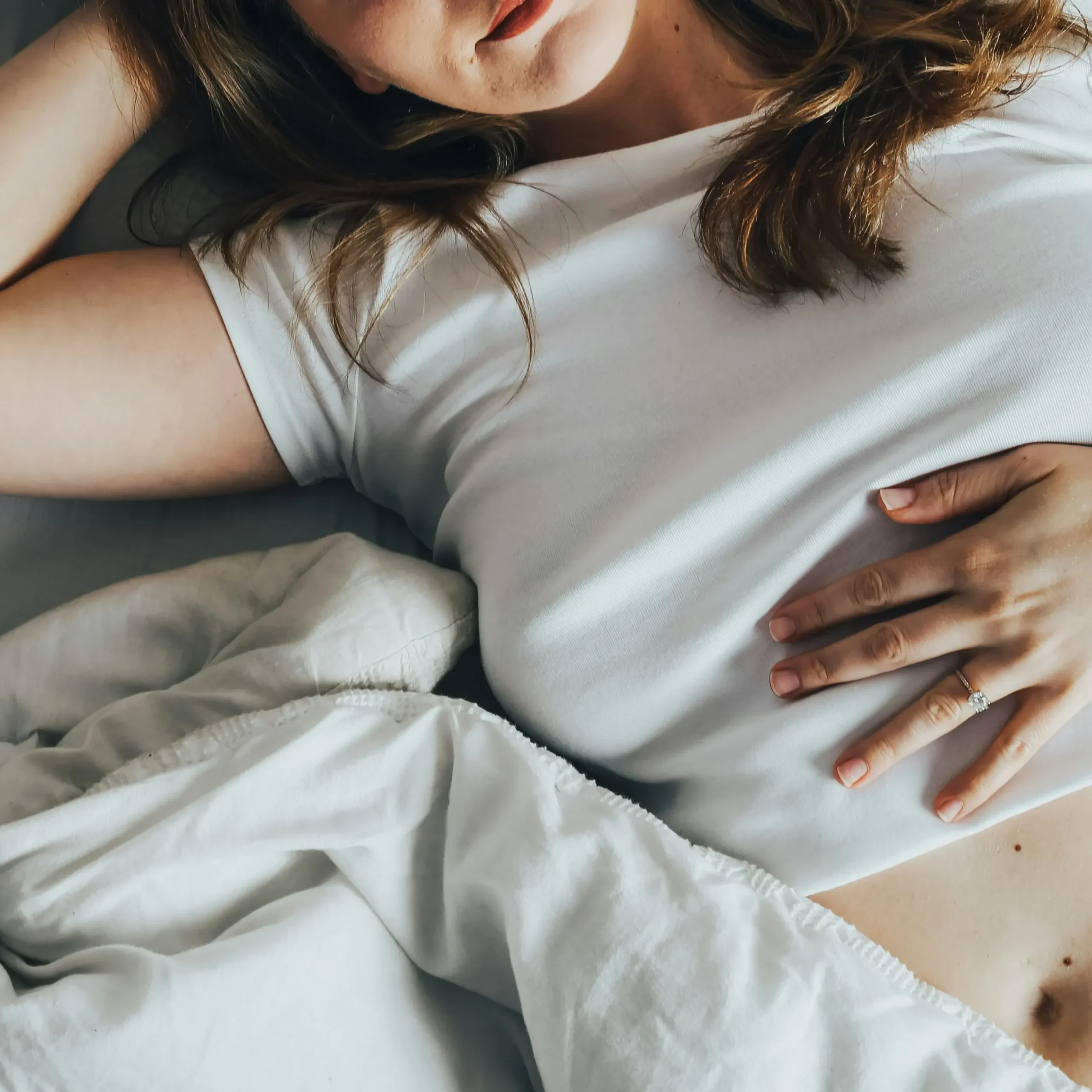
Although abdominal swelling is the defining feature of endo belly, many patients experience additional symptoms that affect both their physical comfort and quality of life. Recognizing these associated symptoms can help distinguish endo belly from other digestive conditions, including when comparing IBS and endo belly symptoms.
More Than Just Abdominal Bloating
Many women describe endo belly as a feeling of extreme pressure or fullness that extends beyond simple bloating. The abdomen may become firm, tender, and painful, making movement uncomfortable.
Pelvic pain frequently occurs alongside bloating, particularly before or during menstruation. Some patients also notice lower back pain, cramping, or discomfort that radiates into the hips or thighs.
The combination of inflammation and pelvic pain often contributes to reduced mobility and difficulty completing everyday activities.
Other Symptoms Often Seen With Endometriosis
Because endometriosis affects multiple pelvic structures, symptoms frequently extend beyond abdominal swelling. Digestive changes, fatigue, and reproductive symptoms may occur at the same time.
Patients commonly experience several symptoms during flare-ups:
- Chronic pelvic pain
- Pain during menstruation
- Pain during bowel movements
- Constipation or diarrhea
- Fatigue
- Pain during intercourse
Recognizing these patterns helps healthcare providers identify whether endometriosis may be contributing to digestive discomfort. Although these symptoms vary from patient to patient, persistent discomfort should always be evaluated by a specialist experienced in diagnosing endometriosis.
Medical Treatment Options for Endo Belly

Successfully treating endo belly begins with addressing the underlying endometriosis rather than focusing solely on bloating itself. Treatment recommendations depend on symptom severity, disease extent, and each patient’s overall health goals.
Non-Surgical Treatment Approaches
Many patients begin with conservative treatment designed to reduce inflammation and improve symptom control. Hormonal therapies may help regulate hormonal stimulation of endometriosis tissue, while medications can assist with managing pain and inflammation during flare-ups.
Lifestyle modifications often complement medical treatment. Eating balanced meals, staying hydrated, engaging in gentle physical activity, and managing stress may help reduce the frequency or severity of bloating episodes for some patients.
Treatment plans are individualized because every patient’s symptoms and triggers differ.
When Surgery May Be Recommended
For patients with persistent symptoms or more advanced endometriosis, minimally invasive laparoscopic excision surgery may be recommended. Rather than simply controlling symptoms, excision surgery removes endometriosis lesions that contribute to ongoing inflammation and pelvic pain.
By reducing disease activity and restoring normal pelvic anatomy where possible, many patients experience improvements in abdominal bloating, pelvic discomfort, and overall quality of life following surgery.
The decision to pursue surgery is based on careful evaluation of symptoms, imaging findings, previous treatments, and the patient’s personal health goals. Personalized treatment planning helps ensure patients receive the most appropriate care for their individual condition.
Lifestyle Changes to Help Relieve Endo Belly Symptoms

While medical treatment addresses the underlying cause of endometriosis, healthy lifestyle habits can help reduce bloating episodes and improve overall comfort. These strategies are most effective when combined with personalized medical care rather than used as a replacement for professional treatment.
Making gradual, sustainable changes often provides better long-term symptom management than trying multiple approaches at once.
Dietary Changes That May Reduce Bloating
Although there is no single endometriosis diet for managing pelvic pain that works for everyone, many patients notice improvements after identifying foods that trigger digestive discomfort. A balanced diet rich in whole foods may help reduce inflammation and support healthy digestion.
Keeping a food and symptom journal can make it easier to recognize patterns between meals and symptom flare-upsPatients should discuss significant dietary changes with their healthcare provider to ensure they are appropriate for their overall treatment plan.Many women benefit from simple dietary habits such as:
- Eating balanced meals throughout the day
- Limiting highly processed foods
- Including fruits, vegetables, and fiber-rich foods
- Drinking plenty of water
- Identifying personal food triggers
Small, consistent adjustments often have a greater impact than restrictive eating plans. Because food triggers vary between individuals, identifying personal patterns with guidance from a healthcare provider may help support symptom management.Exercise and Stress Management
Gentle physical activity can support digestion, improve circulation, and reduce muscle tension throughout the pelvis. While intense exercise may worsen symptoms during flare-ups for some patients, low-impact activities often help improve comfort.
Stress management is equally important because chronic stress may increase muscle tension and contribute to symptom flare-ups. Activities such as stretching, deep breathing, meditation, or yoga may help patients manage discomfort while supporting their overall well-being.
Maintaining a consistent routine that balances movement with adequate rest can contribute to better long-term symptom control.
When to See a Specialist for Endo Belly Symptoms
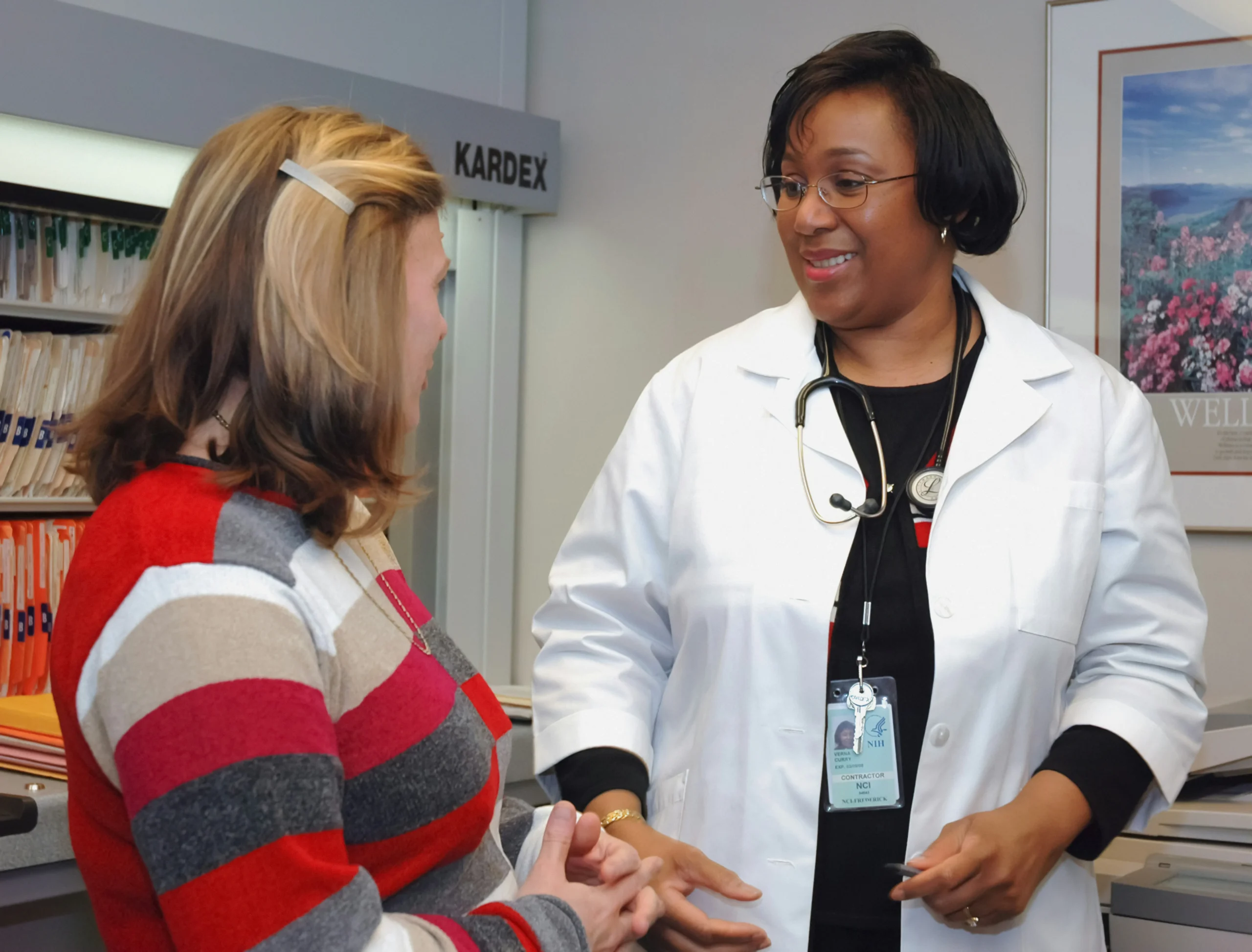
Although occasional bloating can have many causes, persistent abdominal swelling accompanied by pelvic pain or menstrual symptoms should not be ignored. Seeking evaluation from an experienced specialist can help determine whether endometriosis is contributing to your symptoms and identify the most appropriate treatment plan.
Signs Your Symptoms Need Medical Evaluation
Many women live with endo belly for years before receiving an accurate diagnosis because the symptoms are often mistaken for digestive disorders or normal menstrual discomfort.
If bloating becomes severe, occurs regularly, or interferes with everyday life, professional evaluation is recommended. Early diagnosis allows patients to begin treatment before symptoms become more difficult to manage.
Consider scheduling an evaluation if you experience:
- Persistent abdominal bloating
- Chronic pelvic pain
- Severe menstrual cramps
- Pain during bowel movements
- Digestive symptoms that worsen during menstruation
- Bloating that affects daily activities or quality of life
Recognizing these warning signs early can shorten the time to diagnosis and improve treatment outcomes. Receiving an accurate diagnosis allows treatment to focus on the underlying cause rather than only temporary symptom relief.
The Benefits of Personalized Endometriosis Care
Endometriosis affects every patient differently, making individualized care essential. Specialists evaluate symptom patterns, imaging findings, reproductive goals, and previous treatments before recommending a personalized treatment plan.
Depending on each patient’s needs, care may include medical therapy, minimally invasive excision surgery, pelvic floor physical therapy referrals, non-opioid pain management, fertility-focused care, collaborative specialist care, and long-term follow-up. This multidisciplinary approach helps address both the underlying disease and its impact on daily life, supporting long-term symptom management and quality of life.
Frequently Asked Questions
What Causes Endo Belly?
Endo belly is primarily caused by inflammation related to endometriosis. Hormonal changes, digestive disturbances, pelvic adhesions, and irritation of surrounding tissues can all contribute to abdominal bloating and swelling.
Can Endo Belly Occur Even Without Eating?
Yes. Unlike typical digestive bloating, endo belly is often related to inflammation and hormonal changes rather than food intake alone. Many patients experience symptoms even when they have not recently eaten.
Does Surgery Help Relieve Endo Belly?
For patients whose bloating is caused by endometriosis, minimally invasive excision surgery may significantly reduce inflammation, pelvic pain, and abdominal swelling by removing endometriosis lesions.
Can Lifestyle Changes Improve Endo Belly Symptoms?
Healthy dietary habits, regular low-impact exercise, stress management, and adequate hydration may help reduce bloating episodes. However, these strategies work best alongside appropriate medical evaluation and treatment.
Conclusion
Endo belly can be one of the most frustrating symptoms of endometriosis, affecting physical comfort, confidence, and daily life. While abdominal bloating is common, it often reflects the underlying inflammation and pelvic changes caused by endometriosis rather than a simple digestive problem. Understanding the causes of endo belly and combining personalized medical treatment with healthy lifestyle strategies can help patients achieve meaningful symptom relief and improve their overall quality of life.
At the Endometriosis Center of Excellence, we provide comprehensive, patient-centered care for women living with endometriosis and its many symptoms, including chronic pelvic pain and endo belly. If persistent bloating or pelvic discomfort is affecting your daily life, schedule a consultation with our experienced team to explore personalized treatment options designed to relieve symptoms, address the underlying condition, and support your long-term health.