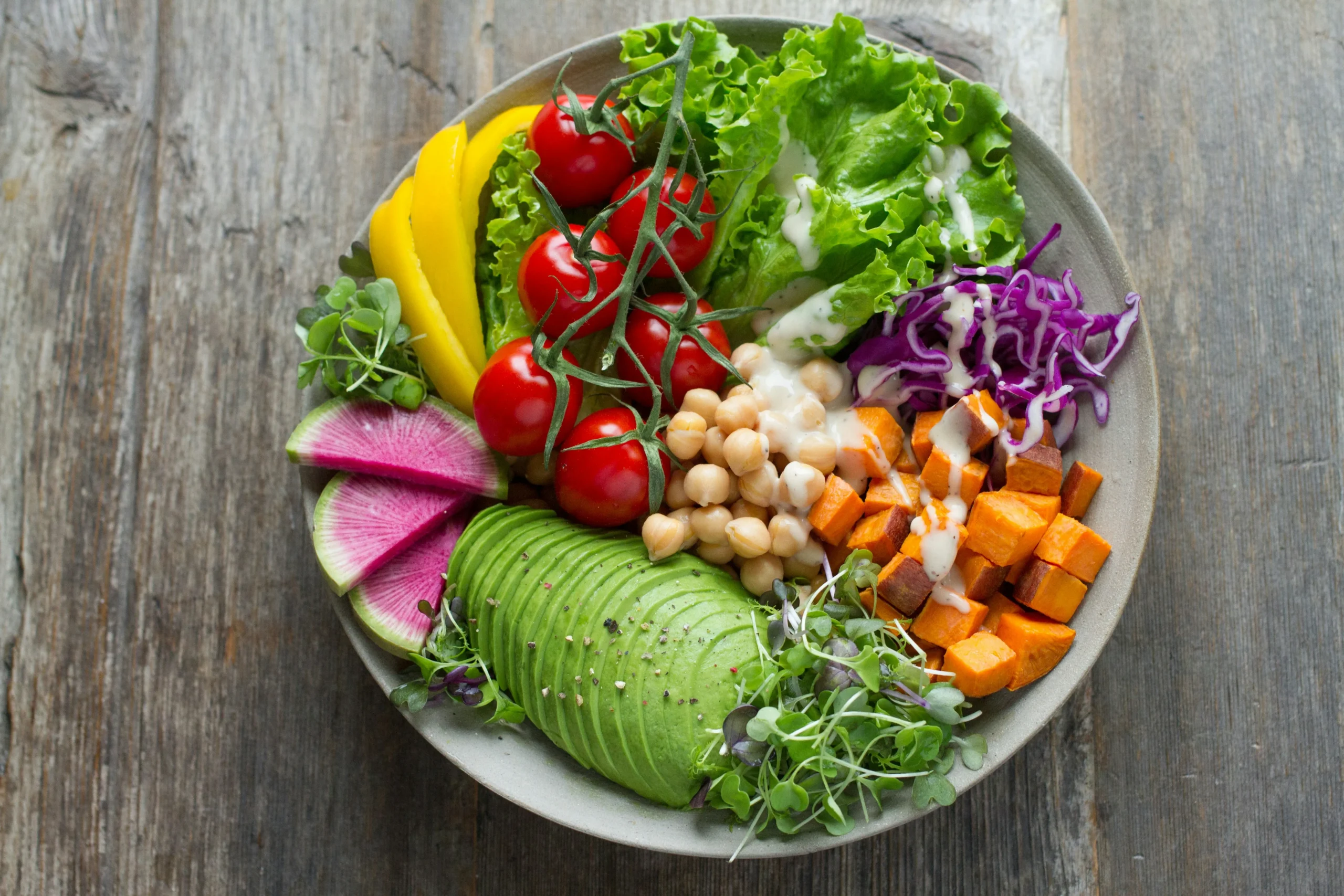
Nutrition cannot cure endometriosis, but it can play an important role in managing symptoms and supporting overall health. Many women with endometriosis experience chronic pelvic pain, inflammation, bloating, digestive discomfort, and fatigue that may be influenced by dietary habits. While every person’s triggers are different, adopting a balanced, anti-inflammatory eating pattern may help reduce symptom flare-ups and improve daily well-being. Nutrition is most effective when combined with personalized medical care, lifestyle modifications, and, when appropriate, surgical treatment. Understanding how food affects inflammation, hormone balance, and digestive health empowers patients to make informed choices that complement their treatment plan. With guidance from experienced healthcare professionals, dietary strategies can become a valuable part of long-term symptom management and recovery.
How Nutrition Affects Endometriosis Symptoms
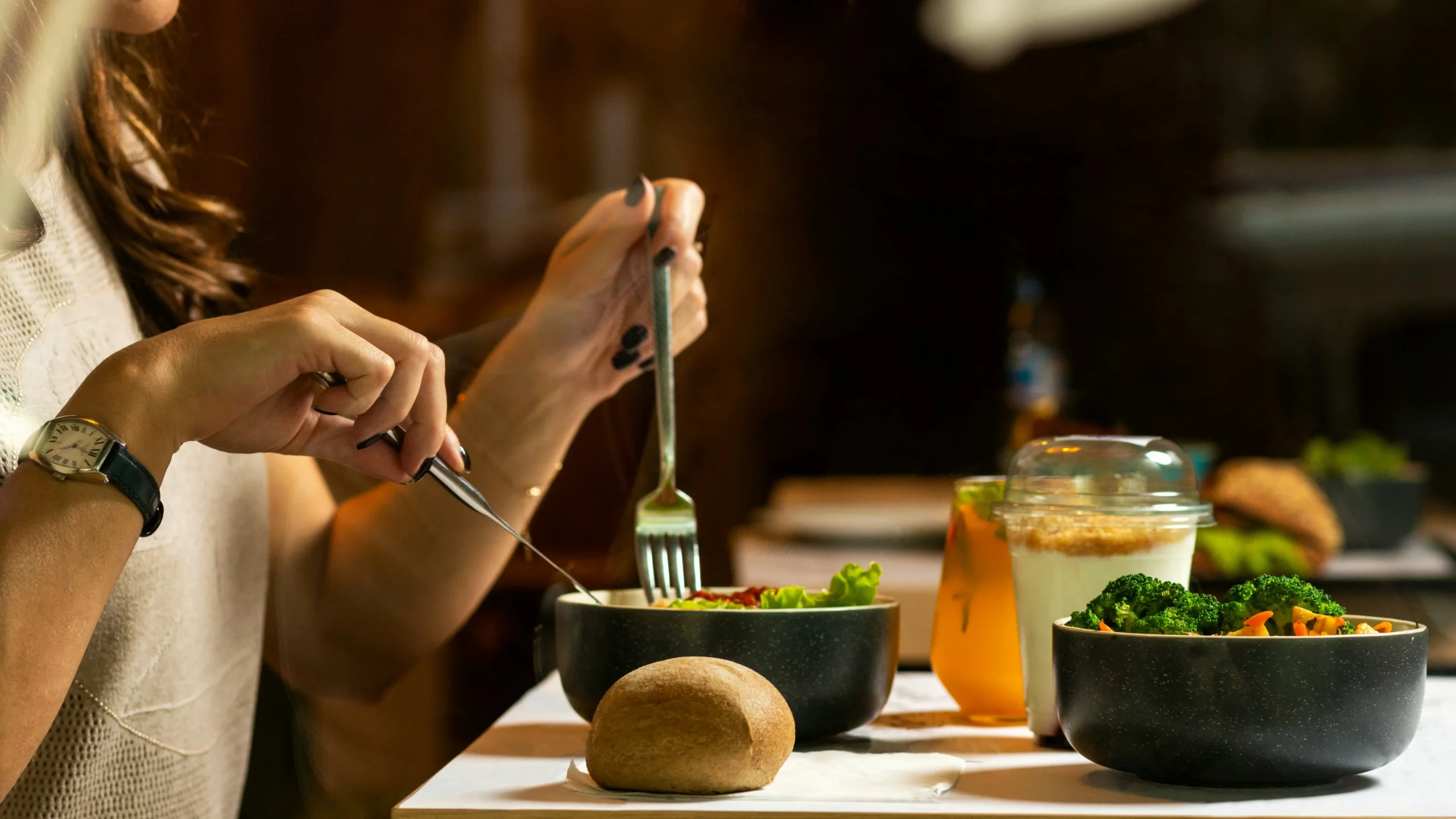
Although endometriosis is a complex inflammatory condition, lifestyle choices can influence how symptoms are experienced. Nutrition supports overall health by helping the body manage inflammation, maintain digestive function, and provide the nutrients needed for healing and hormonal balance.
A healthy eating pattern is not intended to replace medical treatment but can work alongside other therapies to improve quality of life.
How Diet Can Influence Endometriosis Symptoms
Inflammation plays a major role in many endometriosis symptoms, including pelvic pain and abdominal bloating. Certain foods may support the body’s natural anti-inflammatory processes, while others may contribute to increased inflammation in some individuals.
A nutrient-rich diet can also promote healthy digestion, stabilize energy levels, and support immune function. Although results vary from person to person, many women notice symptom improvements after making thoughtful dietary changes.
Because individual responses differ, dietary recommendations should always be personalized rather than following a one-size-fits-all approach.
The Connection Between Nutrition and Pelvic Pain
Food alone does not determine pain levels, but nutritional habits may influence factors that contribute to chronic discomfort. A balanced diet provides vitamins, minerals, healthy fats, and antioxidants that support overall health while helping the body respond more effectively to inflammation.
Patients often find that combining dietary improvements with medical treatment creates a more comprehensive symptom management strategy.
Nutrition may support symptom management by:
- Supporting the body’s natural inflammatory response
- Promoting healthy digestion
- Providing essential nutrients for tissue repair
- Supporting hormonal balance
- Helping maintain consistent energy levels
These benefits reinforce why nutrition is often included as part of a comprehensive endometriosis management plan.
Anti-Inflammatory Foods for an Endometriosis Diet
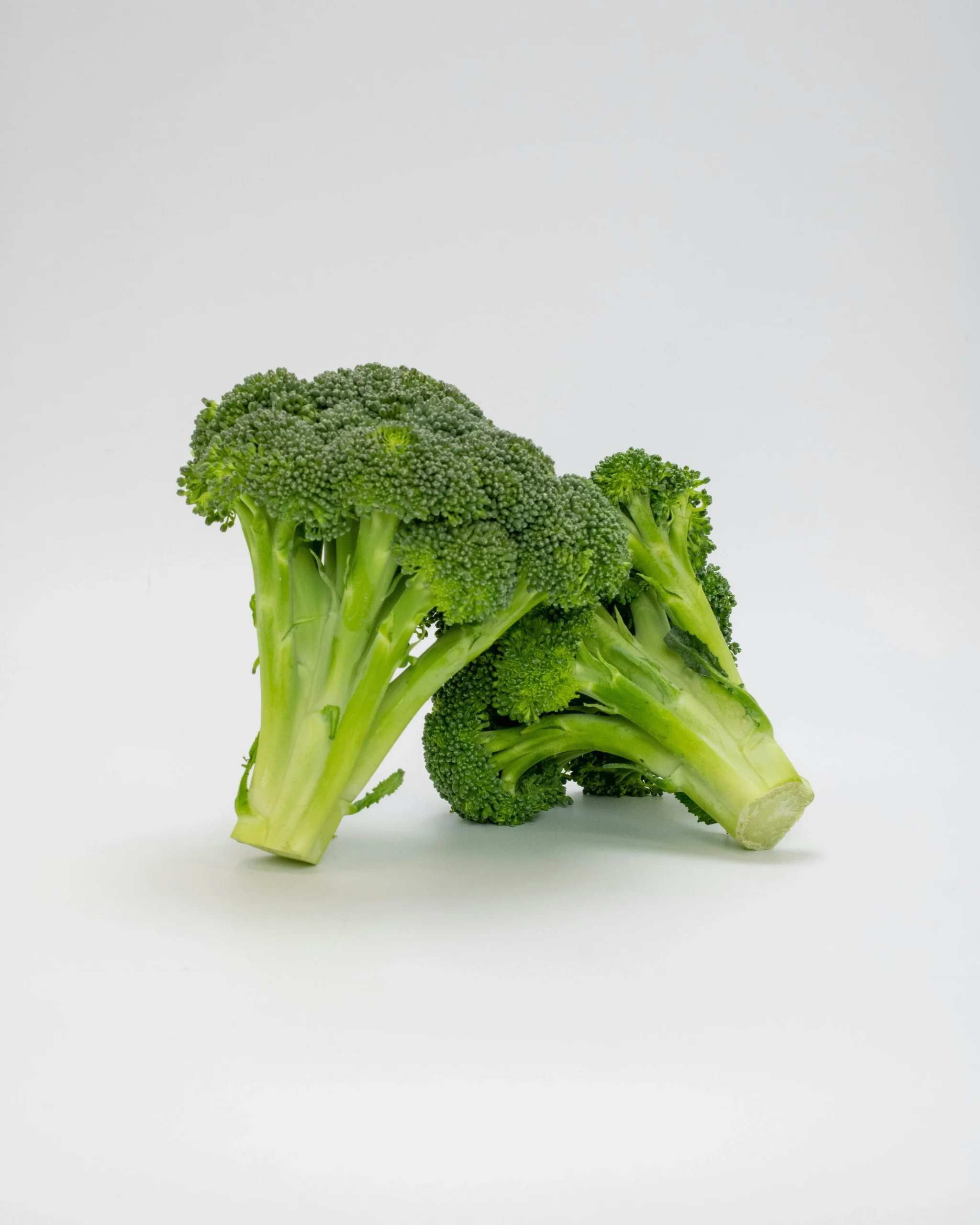
While no single food eliminates endometriosis symptoms, certain nutrient-rich foods are commonly included in anti-inflammatory eating patterns. These foods provide vitamins, minerals, antioxidants, and healthy fats that support overall health.
Building meals around whole, minimally processed ingredients may help create a balanced dietary pattern that supports long-term wellness.
Anti-Inflammatory Foods to Include
Many anti-inflammatory foods contain nutrients that support immune function and overall health while helping reduce oxidative stress within the body.
Patients are often encouraged to eat a wide variety of colorful fruits, vegetables, healthy fats, lean proteins, and fiber-rich foods as part of a balanced nutrition plan.
Foods commonly included in an anti-inflammatory diet include:
- Fatty fish rich in omega-3 fatty acids
- Leafy green vegetables
- Berries and other antioxidant-rich fruits
- Nuts and seeds
- Olive oil
- Whole grains and legumes
These foods provide valuable nutrients while supporting a balanced dietary pattern that complements medical treatment.
The Importance of Gut Health
Digestive health is closely connected to overall well-being. Many women with endometriosis experience bloating, constipation, diarrhea, or abdominal discomfort, making gut health an important consideration.
Eating adequate fiber, drinking enough water, and including probiotic-rich foods when appropriate may support a healthy digestive system. Better digestive function may also help reduce bloating and improve nutrient absorption.
Maintaining gut health is not simply about reducing digestive symptoms. It also supports overall nutrition, immune health, and long-term wellness.
Foods That May Worsen Endometriosis Symptoms

Just as some foods may support symptom management, others may contribute to inflammation or digestive discomfort for certain individuals. Identifying personal triggers can help patients make informed dietary decisions without unnecessarily restricting their diet.
Keeping a food and symptom journal is often one of the most practical ways to recognize patterns between meals and symptom flare-ups.
Common Foods That May Worsen Symptoms
Not every patient reacts to the same foods, but some individuals notice increased bloating or pelvic discomfort after eating highly processed foods or certain dietary ingredients.
Rather than eliminating foods without guidance, patients should work with their healthcare provider or a registered dietitian to determine whether specific dietary changes are appropriate.
Some commonly reported dietary triggers include:
- Highly processed foods
- Foods high in added sugars
- Excessive alcohol
- Large amounts of saturated fats
- Individual food sensitivities identified through symptom tracking
Focusing on overall dietary quality is generally more beneficial than following highly restrictive eating patterns.
Creating a Personalized Nutrition Plan
Successful dietary management depends on understanding your own symptoms rather than following generic advice. Recording meals, symptoms, menstrual cycles, and digestive changes helps identify patterns that may otherwise go unnoticed.
A personalized nutrition plan allows patients to make gradual, sustainable changes while ensuring nutritional needs continue to be met. Healthcare professionals can also recommend adjustments that support overall treatment goals, including preparation for surgery or recovery afterward.
Individualized dietary guidance provides a practical, realistic approach that supports both symptom management and long-term health.
Nutrition’s Role in Endometriosis Treatment and Surgery
Nutrition is one part of a comprehensive treatment plan for endometriosis. While healthy eating habits may help reduce inflammation and support recovery, they work best alongside appropriate medical care rather than as a replacement for treatment. Combining dietary strategies with individualized medical management gives patients the best opportunity to improve symptoms and overall well-being.
A coordinated approach allows healthcare providers to address pelvic pain, digestive symptoms, and long-term health through multiple supportive therapies.
Nutrition Before and After Surgery
Patients preparing for minimally invasive endometriosis surgery often benefit from maintaining a balanced diet that supports immune function and overall health. Eating nutrient-rich foods before surgery helps provide the body with the vitamins, minerals, and protein needed for normal healing.
Following surgery, good nutrition continues to play an important role in recovery. Adequate hydration, lean protein, fruits, vegetables, and fiber-rich foods help support tissue repair, digestive function, and energy levels during the healing process.
Although nutritional needs vary between individuals, maintaining consistent healthy eating habits can complement postoperative recovery and improve overall wellness.
Working With Healthcare Professionals
Because every patient experiences endometriosis differently, nutrition plans should be tailored to individual symptoms, dietary preferences, and treatment goals. Healthcare providers and registered dietitians can help patients develop realistic meal plans that support both symptom management and long-term health.
Professional guidance becomes especially valuable for patients with food sensitivities, digestive disorders, or nutritional deficiencies that may complicate symptom management.
Collaborating with an experienced healthcare team allows patients to make informed dietary decisions while avoiding unnecessary dietary restrictions.
Endometriosis-Friendly Meal Planning Tips
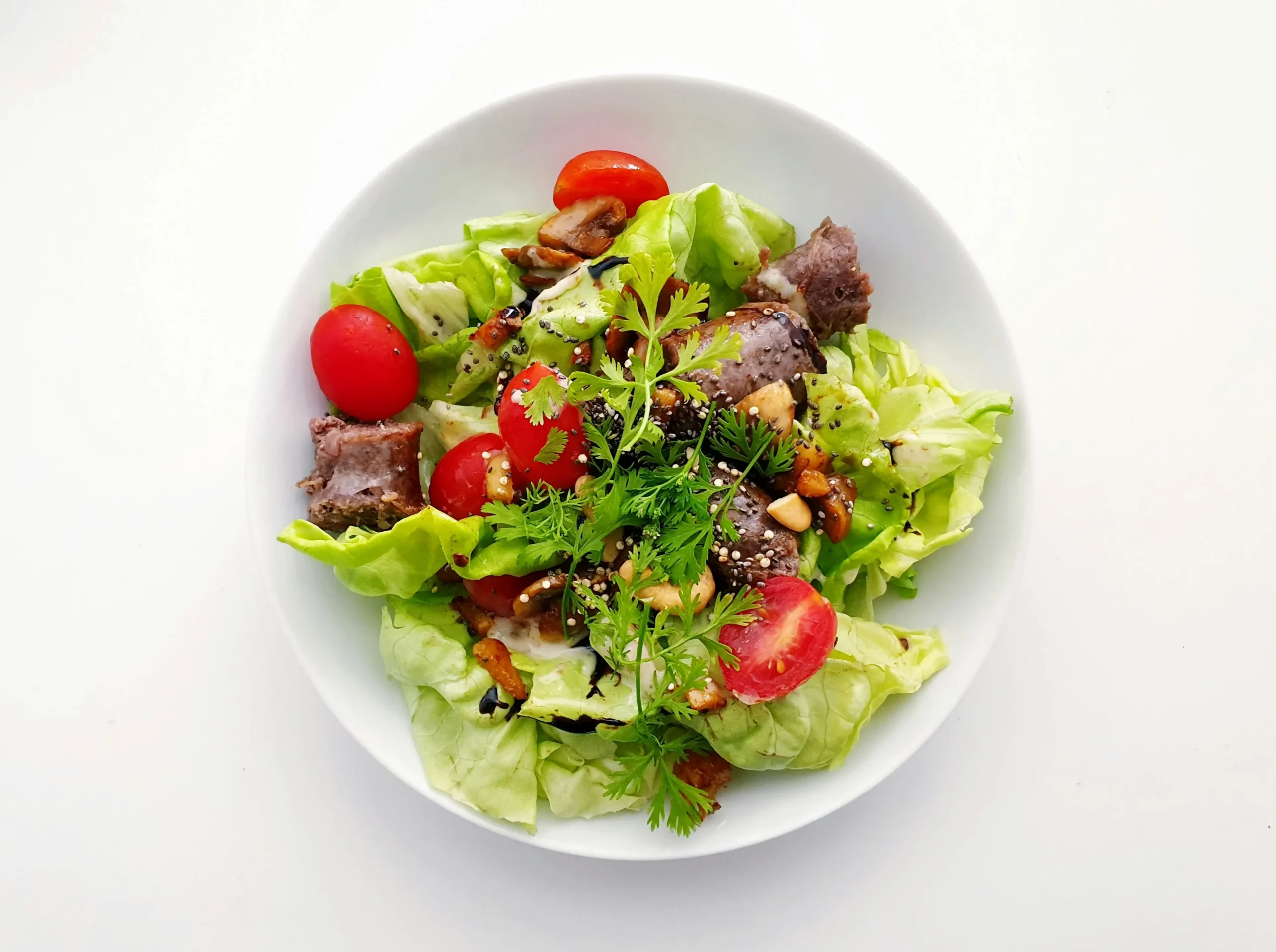
Following an endometriosis-friendly diet becomes much easier when healthy habits are incorporated into daily routines. Rather than focusing on perfection, patients often benefit from making gradual, sustainable improvements that can be maintained over time.
Small adjustments to meal planning and grocery shopping can make healthy eating more practical and reduce reliance on highly processed foods.
Simple Meal Planning Tips
Preparing meals in advance helps ensure nutritious options are readily available, even on busy days or during symptom flare-ups. Choosing balanced meals that combine lean protein, healthy fats, fiber, and colorful vegetables supports consistent nutrition throughout the week.
Simple planning strategies can also reduce stress around food choices while making it easier to maintain healthy eating habits.
Helpful meal planning habits include:
- Prepare meals in advance when possible
- Include a variety of colorful fruits and vegetables
- Choose lean proteins and healthy fats
- Keep healthy snacks readily available
- Stay hydrated throughout the day
Building healthy routines gradually often leads to more sustainable long-term success than making dramatic dietary changes all at once.
Creating Sustainable Healthy Habits
Long-term nutrition success depends on consistency rather than perfection. Patients should focus on developing eating habits that fit their lifestyle and can be maintained over time.
Instead of eliminating numerous foods immediately, gradual adjustments allow patients to identify which changes genuinely improve symptoms. Keeping expectations realistic also reduces frustration and makes healthy habits easier to sustain.
By viewing nutrition as one component of overall endometriosis care, patients can build a flexible, balanced approach that supports both physical health and quality of life.
Frequently Asked Questions About the Endometriosis Diet
Can Diet Cure Endometriosis?
No. Diet cannot cure endometriosis, but healthy nutrition may help reduce inflammation, improve digestive health, and support overall symptom management when combined with appropriate medical treatment.
Are There Specific Foods Everyone With Endometriosis Should Avoid?
Not necessarily. Food triggers vary between individuals. Keeping a food and symptom journal can help identify personal triggers while avoiding unnecessary dietary restrictions.
Can Nutrition Help Reduce Endo Belly?
For some patients, dietary changes may help reduce bloating by supporting digestive health and minimizing foods that trigger symptoms. However, persistent endo belly often requires medical evaluation because it is commonly related to underlying endometriosis.
Should I Follow a Special Diet Before Endometriosis Surgery?
Your healthcare provider may recommend specific dietary adjustments before surgery based on your overall health and planned procedure. Maintaining a balanced, nutrient-rich diet generally supports preparation and postoperative recovery.
Conclusion
Nutrition can support overall health and may help manage certain endometriosis symptoms, but it is most effective when incorporated into a comprehensive, individualized treatment plan. Healthy eating habits, identifying personal dietary triggers, supporting digestive health, and maintaining a balanced lifestyle may complement evidence-based medical care. Because every patient’s experience with endometriosis is unique, treatment should be personalized to address symptoms, fertility goals, and long-term quality of life.
At the Endometriosis Center of Excellence, our Mayo Clinic-trained specialist provides personalized, multidisciplinary care focused on identifying and treating the root cause of endometriosis. Through advanced diagnosis, minimally invasive excision surgery, fertility-focused care, pelvic floor physical therapy referrals, and collaborative treatment planning, we help patients pursue lasting symptom improvement. If chronic pelvic pain, digestive symptoms, or suspected endometriosis is affecting your quality of life, schedule a consultation to explore a personalized treatment plan tailored to your needs.