
Diet can play a meaningful role in how endometriosis affects teens, particularly by influencing inflammation, hormone balance, and overall symptom severity. While it does not replace medical treatment, the right dietary choices can help reduce pelvic pain, support energy levels, and improve day to day functioning in adolescents managing this condition.
In clinical practice, many teens experience changes in symptoms based on what they eat. Diets that emphasize anti-inflammatory, nutrient-dense foods may help regulate the body’s inflammatory response and support hormonal processes linked to endometriosis. At the same time, certain foods such as highly processed items, excess sugar, or individual trigger foods can worsen symptoms in some patients.
Understanding how diet affects endometriosis allows teens and their families to make informed, practical changes that complement medical care. This guide explains which foods can help manage symptoms, which to limit, and how to build a sustainable diet that supports long-term health.
How Diet Impacts Endometriosis in Teens

Diet influences endometriosis through several key biological processes, particularly inflammation and hormone regulation. In adolescents, these effects can directly impact symptom severity, including pelvic pain, fatigue, and digestive discomfort. Understanding how nutrition interacts with the body helps teens make targeted dietary choices that support better symptom control alongside medical care.
The Link Between Diet and Inflammation
Endometriosis is closely associated with chronic inflammation. Certain foods can either increase or reduce this inflammatory response. Diets high in processed foods, refined sugars, and unhealthy fats tend to promote inflammation, which may worsen pain and symptom flare-ups. In contrast, whole foods rich in antioxidants and healthy fats can help reduce inflammatory activity and support overall symptom management.
How Nutrition Influences Hormones and Estrogen Levels
Hormonal balance, particularly estrogen regulation, plays a central role in endometriosis. Diet can influence how the body processes and eliminates estrogen. Fiber-rich foods help support healthy digestion and may assist in removing excess estrogen from the body. Additionally, balanced nutrition supports metabolic processes that are important for maintaining stable hormone levels during adolescence.
Why Diet Matters for Symptom Management in Adolescents
For teens, diet is a practical and accessible way to support symptom control. Small, consistent dietary changes can help reduce the frequency or intensity of pain episodes and improve energy levels. Because adolescence is also a period of growth and development, maintaining a balanced and nutrient-dense diet is essential not only for managing endometriosis but also for supporting overall health.
Dietary Factors Influence Endometriosis Symptom Severity and Progression
Endometriosis is an inflammatory disease; therefore, any factors affecting immune system regulation may influence its onset, symptom severity and progression. This literature review aims to evaluate the influence of dietary factors on the risk of endometriosis development and on the severity and presentation of its clinical symptoms.
An Anti-Inflammatory Nutrition in the Prevention and Management of Endometriosis: Implications for Physical Performance and Quality of Life, 2026
Anti-Inflammatory Diet for Teen Endometriosis
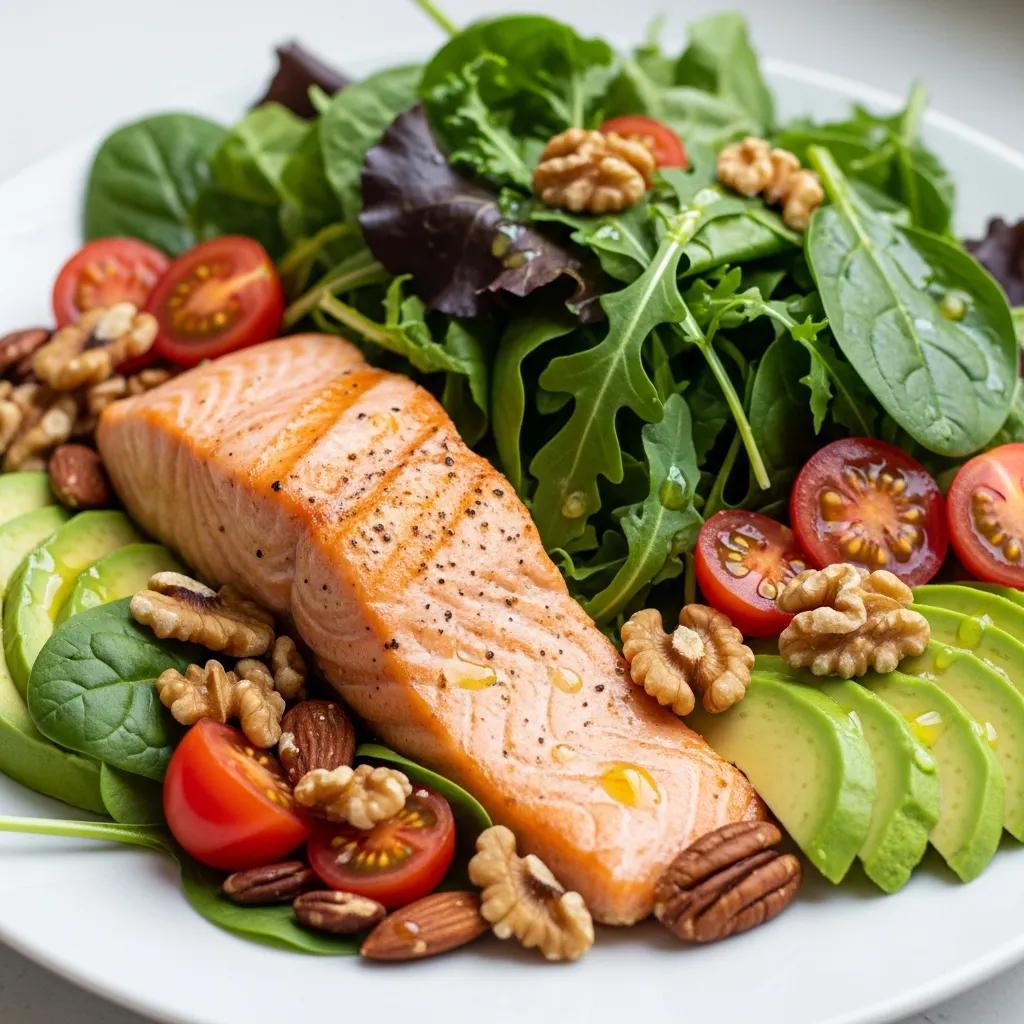
An anti-inflammatory diet is one of the most commonly recommended nutritional approaches for managing endometriosis symptoms in teens. This approach focuses on whole, minimally processed foods that help reduce inflammation and support overall health. For adolescents, the goal is not restriction but building consistent, balanced eating patterns that are sustainable and supportive of growth.
Key Principles of an Anti-Inflammatory Diet
An anti-inflammatory diet emphasizes whole foods, balanced nutrients, and reduced intake of processed items. This includes prioritizing fruits, vegetables, healthy fats, and lean proteins while limiting refined sugars and artificial additives. Consistency over time is more important than strict rules, as gradual improvements tend to produce better long-term results.
Foods That Help Reduce Inflammation
Certain foods are known to support the body’s natural anti-inflammatory processes. These include fatty fish such as salmon, plant-based fats like nuts and seeds, and a wide variety of colorful fruits and vegetables. These foods provide antioxidants and essential fatty acids that help regulate inflammatory responses.
Importance of Fiber and Gut Health
Fiber plays an important role in digestive health and hormone regulation. High-fiber foods such as whole grains, fruits, vegetables, and legumes support the gut microbiome and may help with estrogen balance. A healthy gut environment is also linked to reduced inflammation and improved overall well-being.
Role of Hydration in Symptom Control
Adequate hydration supports digestion, circulation, and overall body function. For teens with endometriosis, staying well hydrated may help reduce bloating and support metabolic processes. Water should be the primary source of hydration, with an emphasis on consistent intake throughout the day.
Best Foods for Teens With Endometriosis
Choosing the right foods can help teens manage symptoms more effectively while maintaining proper nutrition during a critical stage of growth. A balanced diet that includes a variety of nutrient-dense foods supports both symptom control and overall health.
Omega-3 Rich Foods (Fish, Nuts, Seeds)
Omega-3 fatty acids are known for their anti-inflammatory properties. Foods such as salmon, mackerel, walnuts, and flaxseeds can help reduce inflammation and may contribute to decreased pain levels over time. Including these foods regularly can support long-term symptom management.
Fruits and Vegetables High in Antioxidants
Fruits and vegetables provide essential vitamins, minerals, and antioxidants that help protect the body from oxidative stress. Berries, leafy greens, and brightly colored vegetables are particularly beneficial. These foods support immune function and may help reduce inflammation associated with endometriosis.
Whole Grains and Fiber-Rich Foods
Whole grains such as brown rice, quinoa, and oats provide sustained energy and support digestive health. Fiber-rich foods also play a role in hormone regulation, which is important for managing endometriosis symptoms. Replacing refined grains with whole grains is a practical step for improving diet quality.
Nutrient-Dense Snacks for Daily Energy
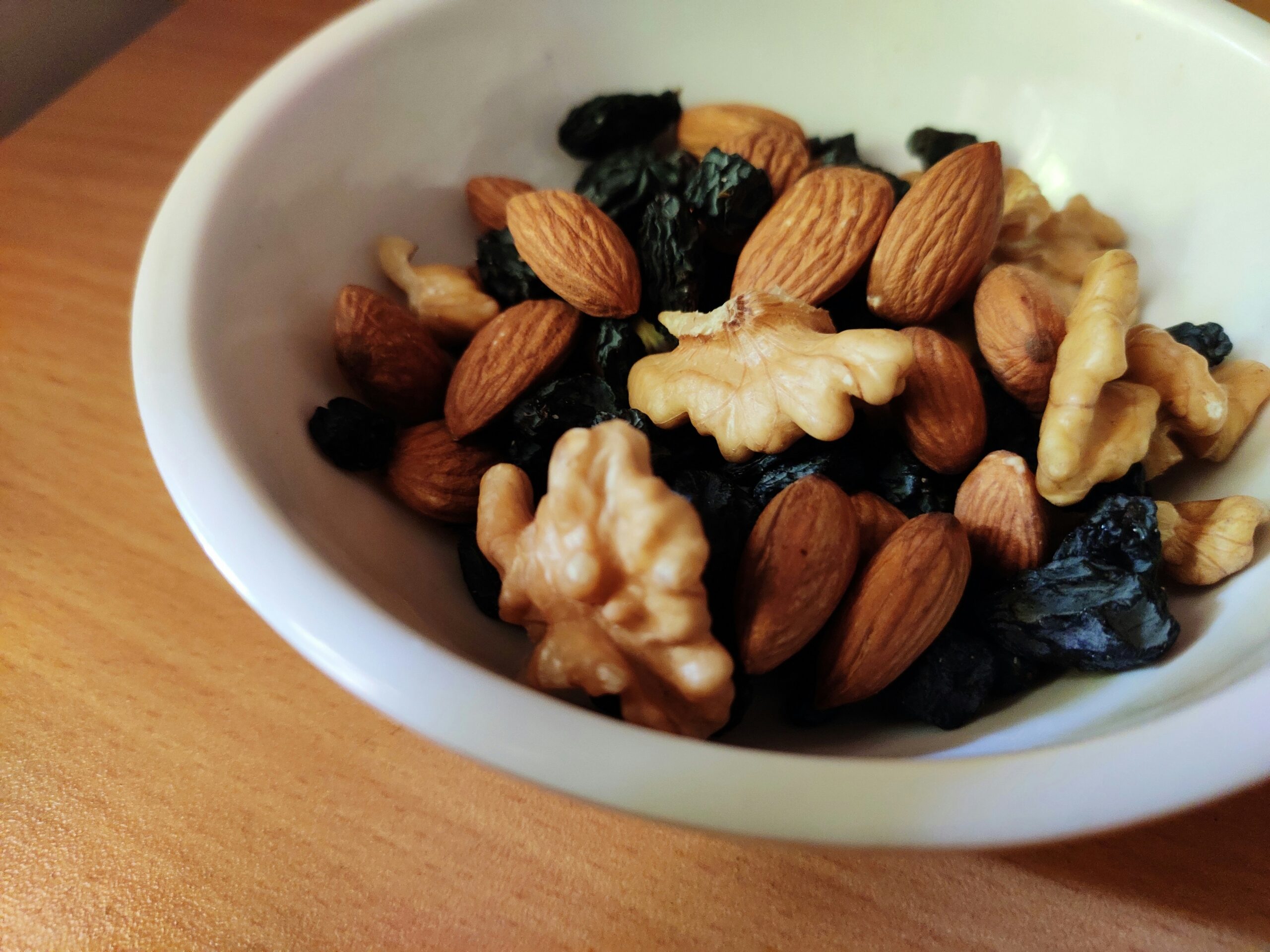
Healthy snacks can help maintain energy levels and prevent blood sugar fluctuations throughout the day. Options such as nuts, seeds, yogurt or dairy-free alternatives, and fresh fruit provide a balance of nutrients. Choosing whole food snacks over processed options supports more stable energy and overall well-being.
Foods to Avoid With Teen Endometriosis
Certain foods may worsen inflammation, disrupt hormone balance, or trigger symptoms in teens with endometriosis. While not every teen reacts the same way, identifying and limiting common dietary triggers can help reduce flare-ups and improve overall symptom control. The focus should be on awareness and moderation rather than strict elimination unless guided by a healthcare professional.
Processed Foods and Added Sugars
Highly processed foods and those high in added sugars can increase inflammation and contribute to blood sugar fluctuations. These changes may worsen pain and fatigue. Common examples include packaged snacks, fast food, sugary drinks, and desserts. Reducing intake of these foods can support more stable energy levels and better symptom management. We cover this further in Comprehensive Stress Management Techniques for Endometriosis.
Dairy and Gluten: When to Evaluate Sensitivity
Some teens report symptom improvement when reducing dairy or gluten, although this varies by individual. These foods are not universally harmful, but in certain cases they may contribute to inflammation or digestive discomfort. Any trial of reducing dairy or gluten should be done carefully and ideally with guidance from a clinician or dietitian to ensure nutritional needs are still met.
Caffeine, Alcohol, and High-Sodium Foods
Caffeine and high-sodium foods can contribute to bloating, discomfort, and in some cases increased symptom sensitivity. Alcohol is generally not recommended for adolescents and may also worsen inflammation. Limiting these items can help reduce unnecessary symptom triggers and support overall health.
Common Dietary Triggers for Flare-Ups
Trigger foods vary from person to person. Some teens may notice increased symptoms after consuming specific items such as sugary foods, processed meals, or certain dairy products. Identifying these triggers through observation and tracking can help guide more personalized dietary choices.
How Diet Affects Endometriosis Symptoms

Diet directly influences how endometriosis symptoms present and fluctuate over time. In teens, dietary patterns can impact pain levels, inflammation, digestion, and energy. Understanding these connections allows for more targeted changes that support symptom control in daily life.
Impact on Pelvic Pain and Inflammation
Foods that promote inflammation can intensify pelvic pain and discomfort. Diets high in refined sugars and unhealthy fats may contribute to increased inflammatory responses, while anti-inflammatory foods can help reduce pain over time. Consistent dietary habits are key to seeing these effects. For more detail, see our article Holistic Nutrition Approaches to Alleviate Endometriosis Pain.
How Blood Sugar and Diet Influence Pain Levels
Blood sugar fluctuations can affect energy levels and may influence how the body responds to pain. Diets that rely heavily on refined carbohydrates can lead to rapid spikes and drops in blood sugar, which may worsen fatigue and discomfort. Balanced meals that include protein, healthy fats, and complex carbohydrates help maintain more stable energy levels. We cover this further in Holistic Nutrition Tips for Relieving Endometriosis Pain.
Identifying Personal Food Triggers
Each teen may respond differently to certain foods. Keeping track of meals and symptoms can help identify patterns and potential triggers. Over time, this allows for more personalized adjustments that reduce symptom flare-ups and improve overall comfort without unnecessary dietary restrictions.
How to Build a Teen-Friendly Endometriosis Diet Plan
Creating a diet plan for teens with endometriosis should focus on balance, flexibility, and long-term sustainability. Rather than strict restrictions, the goal is to build consistent eating habits that support symptom control while meeting the nutritional needs of adolescence. A practical, structured approach makes it easier for teens to follow and maintain over time.
Simple Meal Planning Strategies
Meal planning helps reduce reliance on processed foods and supports more consistent nutrition. This can include preparing basic meals in advance, keeping healthy snacks available, and planning balanced meals that include protein, healthy fats, and complex carbohydrates. Even small steps, such as planning a few meals each week, can improve dietary consistency.
Sample One-Day Anti-Inflammatory Meal Plan
A simple daily plan can help translate dietary recommendations into practice. For example, breakfast might include oatmeal with berries and seeds, lunch could be a salad with lean protein and whole grains, and dinner may include vegetables, legumes, or fish with a whole grain. Snacks such as fruit, nuts, or yogurt alternatives can help maintain energy throughout the day.
Making Sustainable Dietary Changes
Sustainable changes are more effective than restrictive diets. Gradually introducing healthier foods and reducing processed items allows teens to adjust without feeling overwhelmed. Consistency over time is more important than perfection, and small improvements can lead to meaningful results.
Involving Teens in Food Choices
Teens are more likely to follow a diet plan when they are involved in the process. Encouraging them to choose meals, participate in grocery shopping, or help prepare food can increase engagement and independence. This collaborative approach also helps build long-term healthy habits.
Using Food Tracking to Manage Symptoms

Tracking food intake and symptoms can help teens better understand how diet affects their condition. This process provides practical insights into patterns and triggers, allowing for more personalized dietary adjustments. When used consistently, tracking can support more effective symptom management. We cover this further in Nutrition Diets for Better Endometriosis Management Strategies.
How to Keep a Food and Symptom Diary
A simple diary can include meals, snacks, hydration, and any symptoms experienced throughout the day. Notes on pain levels, energy, and digestion can provide useful context. The goal is to identify patterns over time rather than focusing on individual meals.
Identifying Patterns and Triggers
Reviewing the diary over several weeks can reveal connections between certain foods and symptom changes. This helps teens and families make informed decisions about which foods to limit or include more frequently. Patterns are often more meaningful than isolated observations.
When to Try Elimination Diets Safely
If specific triggers are suspected, a short-term elimination approach may be considered. This involves removing a potential trigger food and gradually reintroducing it to observe any changes in symptoms. Because restrictive diets can affect nutrition, this process should be done with guidance from a healthcare professional or dietitian to ensure safety and balance.
Role of Nutrition in Overall Endometriosis Care
Nutrition is one part of a broader approach to managing endometriosis in teens. While dietary changes can help reduce symptoms and support overall health, they are most effective when combined with appropriate medical care. A coordinated approach ensures that teens receive balanced, evidence-based support that addresses both physical symptoms and long-term well-being. You may also find Natural Relief for Endometriosis with Plant-Based Nutrition helpful.
How Diet Complements Medical Treatment
Diet supports medical treatment by helping manage inflammation, maintaining energy levels, and supporting the body’s response to therapy. For example, a nutrient-dense diet can help teens tolerate treatments better and maintain overall health. However, nutrition should not replace prescribed therapies and should be aligned with guidance from a healthcare provider.
Nutrition in Recovery and Long-Term Health
Good nutrition is especially important during periods of recovery and growth. Adequate intake of protein, vitamins, and minerals supports tissue repair, immune function, and overall development. Over time, consistent dietary habits can contribute to better symptom control and improved quality of life.
Importance of Professional Guidance
Because nutritional needs vary between individuals, professional guidance is often beneficial. A clinician or registered dietitian with experience in endometriosis can help create a personalized plan that accounts for symptoms, lifestyle, and medical treatment. This ensures that dietary changes are safe, effective, and appropriate for a teen’s stage of development.
When to Work With a Specialist or Dietitian
Some teens may benefit from additional support when managing diet and endometriosis. Recognizing when to involve a specialist or dietitian can help prevent nutritional gaps and ensure that dietary strategies are both safe and effective.
Signs a Teen Needs Nutritional Support
Signs that additional support may be needed include persistent fatigue, difficulty maintaining a balanced diet, noticeable weight changes, or ongoing digestive issues. Teens who are considering restrictive diets or experiencing worsening symptoms should also seek professional guidance.
Benefits of Personalized Nutrition Plans
Personalized nutrition plans are tailored to the individual’s symptoms, preferences, and medical needs. This approach allows for targeted adjustments that are more likely to improve symptom management while ensuring proper nutrition. It also helps avoid unnecessary restrictions that could impact growth and development.
Multidisciplinary Care Approach
A multidisciplinary approach brings together healthcare providers, dietitians, and other specialists to support teens with endometriosis. This coordinated model ensures that dietary strategies align with medical treatment and overall care goals. Working with a team can provide more comprehensive and consistent support throughout the treatment process.
Frequently Asked Questions
Can diet really improve endometriosis symptoms?
Diet can help manage symptoms, particularly by reducing inflammation and supporting overall health. While it does not treat the underlying condition, many teens notice improvements in pain, energy levels, and digestion when following a balanced, anti-inflammatory diet alongside medical care.
What is the best diet for teen endometriosis?
There is no single diet that works for everyone, but most guidance focuses on whole, nutrient-dense foods. This includes fruits, vegetables, whole grains, healthy fats, and lean proteins while limiting processed foods and added sugars. The best approach is one that is balanced, sustainable, and tailored to the individual.
Should teens avoid dairy or gluten?
Dairy and gluten do not affect everyone in the same way. Some teens may notice symptom improvement when reducing these foods, while others may not. Any elimination should be done carefully and ideally with professional guidance to ensure nutritional needs are met.
How long does it take to see results from dietary changes?
Dietary changes typically take several weeks to show noticeable effects. Consistency is important, as gradual improvements over time are more reliable than short-term changes. Tracking symptoms alongside dietary adjustments can help identify what is working.
Conclusion
Diet is a practical and supportive tool for managing endometriosis in teens when used alongside appropriate medical care. By focusing on anti-inflammatory, nutrient-dense foods and identifying individual triggers, teens can take an active role in improving their symptoms and overall well-being.
At the Endometriosis Center of Excellence, care plans often incorporate nutritional guidance as part of a comprehensive, multidisciplinary approach. Supporting teens with clear, evidence-based dietary strategies helps them build sustainable habits that contribute to both symptom control and long-term health.
With the right balance of medical care, nutrition, and ongoing support, teens and families can develop a structured approach that improves daily functioning and quality of life. When you are ready to talk through your options, schedule an appointment with our team.