

Certain foods can help reduce endometriosis-related pain by lowering inflammation, supporting hormone balance, and improving overall metabolic function. While diet does not treat the underlying condition, many patients experience meaningful symptom relief when they consistently include specific nutrient-dense, anti-inflammatory foods as part of their daily routine.
In clinical practice, dietary patterns that emphasize omega-3 fatty acids, antioxidants, and fiber are commonly associated with improved pain control and better overall well-being. These nutrients work through biological pathways that influence inflammation, oxidative stress, and estrogen metabolism, all of which are relevant to endometriosis symptoms. At the same time, results vary between individuals, which makes a structured and personalized approach important.
This guide outlines the best foods for endometriosis relief, explains how they work in the body, and provides practical ways to incorporate them into daily meals as part of a comprehensive, medically guided care plan.
How Food Can Help Relieve Endometriosis Symptoms

Food can influence several biological processes that are directly involved in endometriosis, particularly inflammation, hormone regulation, and pain signaling. By choosing foods that support these systems, patients may experience reduced symptom severity and improved daily functioning. While dietary changes are not a replacement for medical care, they can serve as a practical and accessible way to support symptom relief over time.
The Link Between Diet and Inflammation Reduction
Chronic inflammation is a key driver of endometriosis-related pain. Certain nutrients found in whole foods can help reduce inflammatory activity in the body. Diets rich in healthy fats, antioxidants, and minimally processed foods are associated with lower levels of inflammatory markers, which may translate into reduced pelvic pain and discomfort.
How Certain Nutrients Support Pain Relief
Specific nutrients play a role in modulating pain pathways. Omega-3 fatty acids, for example, can reduce the production of inflammatory compounds, while antioxidants help limit oxidative stress that contributes to tissue irritation. These effects may help lower pain sensitivity and improve symptom control when maintained consistently.
Why Food Choices Matter in Long-Term Symptom Control
Endometriosis is a chronic condition, which means long-term management is essential. Consistent dietary patterns can influence how symptoms fluctuate over time. Incorporating supportive foods on a regular basis helps create a more stable internal environment, which may reduce the frequency and intensity of flare-ups.
Key Nutrients That Support Endometriosis Relief
Certain nutrients are consistently associated with improved symptom management due to their role in reducing inflammation, supporting hormone balance, and maintaining overall health. Focusing on these nutrients allows for a more targeted and effective dietary approach.
Omega-3 Fatty Acids and Anti-Inflammatory Effects
Omega-3 fatty acids are among the most well-studied nutrients for inflammation reduction. They help decrease the production of pro-inflammatory compounds and support a more balanced immune response. Regular intake of omega-3-rich foods may contribute to reduced pain levels in some patients.
Antioxidants and Oxidative Stress Reduction
Oxidative stress can contribute to inflammation and tissue irritation in endometriosis. Antioxidants found in fruits, vegetables, and plant-based foods help neutralize these effects. A diet rich in antioxidants supports cellular health and may reduce the inflammatory burden associated with symptoms.
Fiber and Hormone Regulation
Fiber plays an important role in supporting digestion and helping regulate estrogen levels. High-fiber foods assist in the elimination of excess hormones from the body, which may help reduce symptom severity. This makes fiber an important component of dietary strategies for endometriosis.
Micronutrients That Support Muscle and Nerve Function
Certain vitamins and minerals contribute to muscle relaxation and proper nerve function, both of which are relevant to pain management. Nutrients such as magnesium and vitamin D are commonly associated with improved muscle function and may help reduce cramping and discomfort when levels are adequate.
Best Foods for Endometriosis Pain Relief
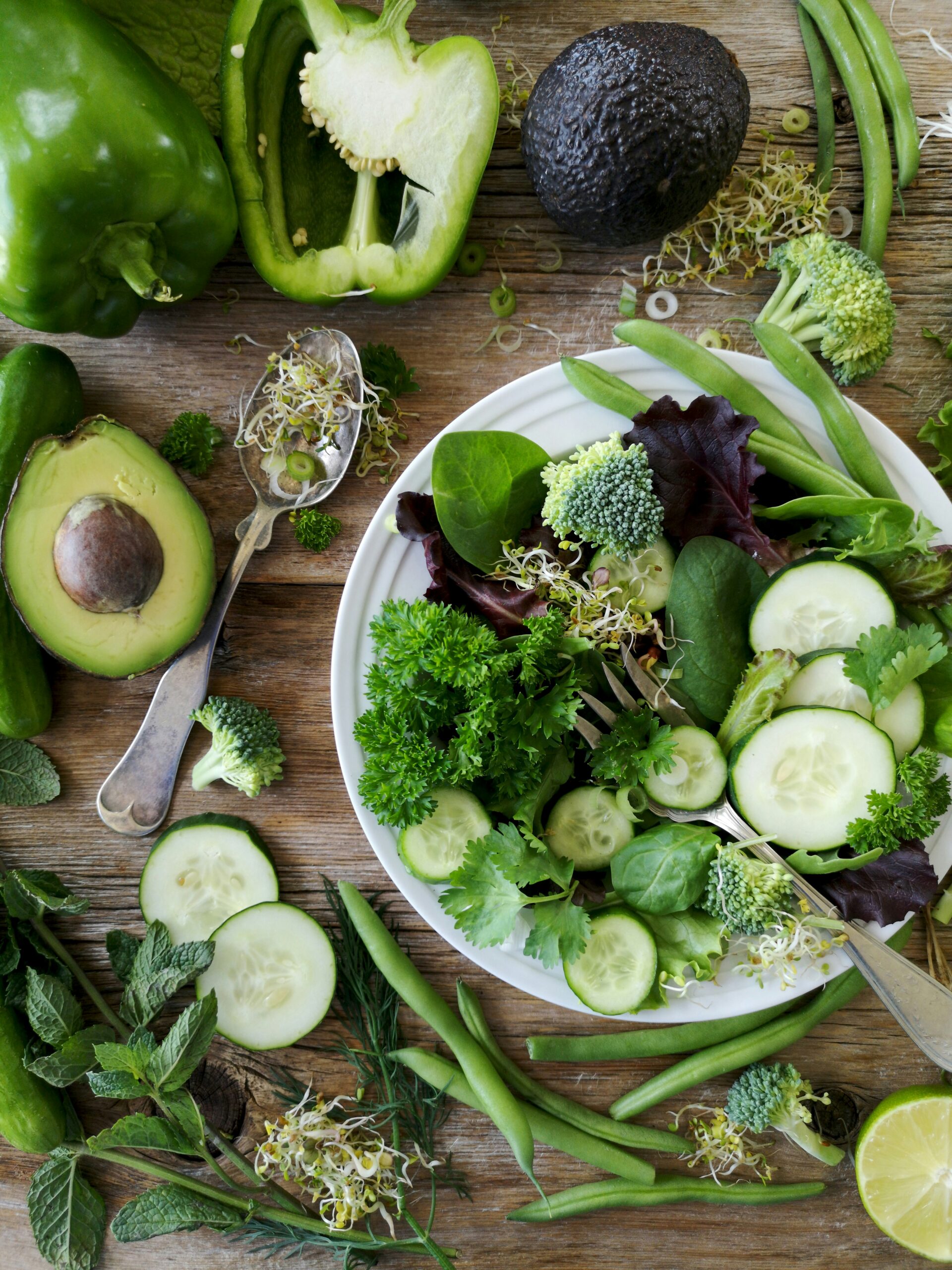
Incorporating specific foods into daily meals can help support symptom relief by targeting inflammation, oxidative stress, and hormonal balance. These foods are not a cure, but when included consistently, they can contribute to better pain control and overall well-being.
Leafy Greens and Cruciferous Vegetables
Leafy greens such as spinach and kale, along with cruciferous vegetables like broccoli and cauliflower, are rich in vitamins, minerals, and antioxidants. These nutrients support detoxification pathways and help reduce inflammation. Regular intake may also support hormone metabolism, which is relevant for managing endometriosis symptoms.
Fatty Fish and Omega-3 Rich Foods
Fatty fish such as salmon, mackerel, and sardines are among the best sources of omega-3 fatty acids. These healthy fats help reduce inflammatory processes in the body and are associated with lower pain levels in some patients. Including these foods several times per week can support long-term symptom management.
Berries and Antioxidant-Rich Fruits
Berries such as blueberries, strawberries, and raspberries are high in antioxidants that help combat oxidative stress. This can reduce inflammation and support cellular health. Including a variety of fruits provides additional vitamins and nutrients that contribute to overall well-being.
Nuts, Seeds, and Healthy Fats
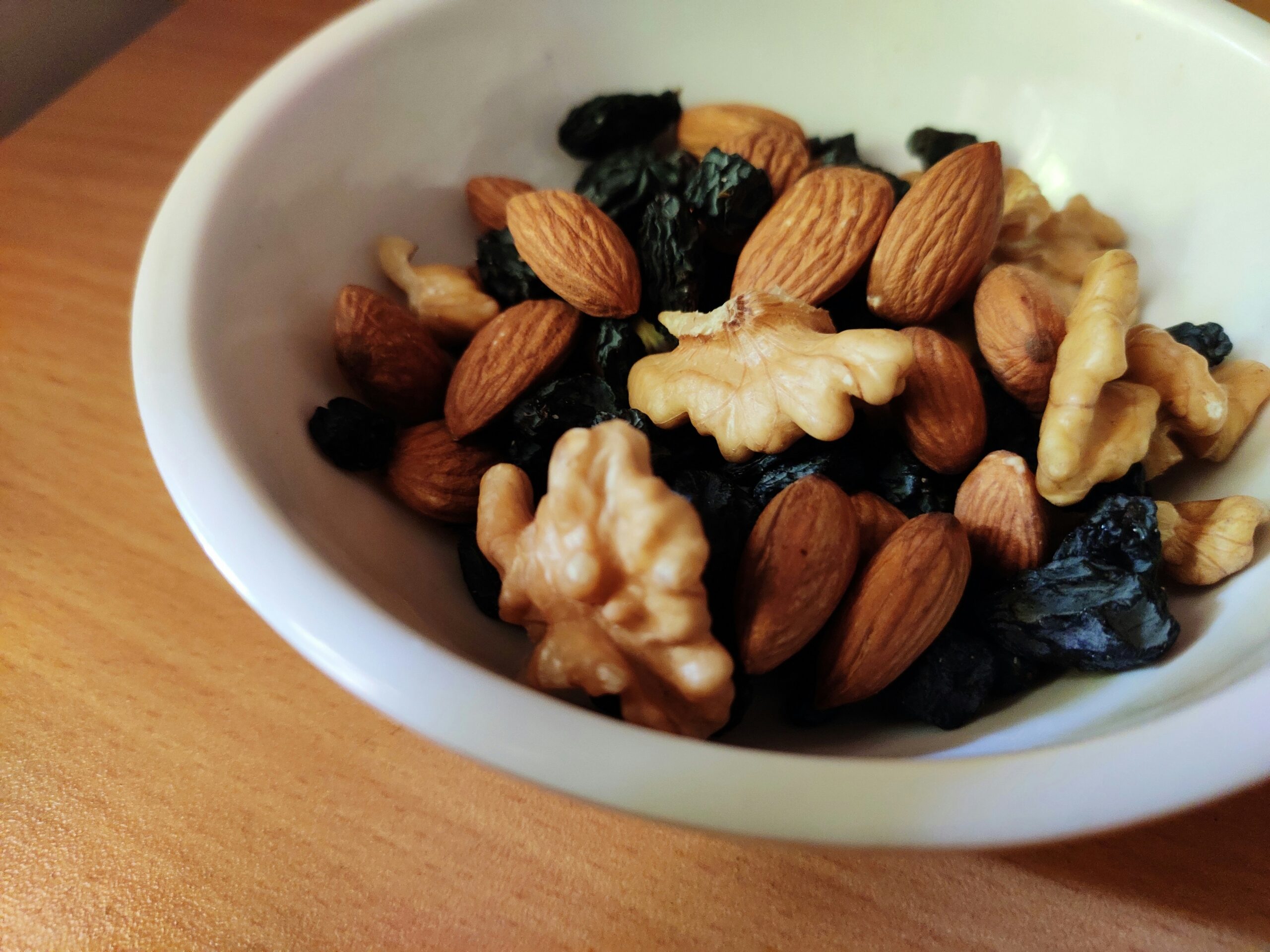
Nuts and seeds, including walnuts, flaxseeds, and chia seeds, provide healthy fats, fiber, and essential nutrients. These foods support hormone balance and help maintain steady energy levels. They are also easy to incorporate into meals and snacks.
Whole Grains for Stable Energy and Hormonal Balance
Whole grains such as oats, quinoa, and brown rice provide fiber and complex carbohydrates that help stabilize blood sugar levels. This stability supports hormone regulation and may reduce symptom fluctuations. Replacing refined grains with whole grains is a practical step toward improving diet quality.
Role of Plant-Based Foods in Endometriosis Management
Plant-based foods play a central role in supporting symptom relief due to their high nutrient density and anti-inflammatory properties. A diet that emphasizes plant-based options can help improve overall health while supporting mechanisms that influence endometriosis symptoms.
Benefits of a Plant-Forward Diet
A plant-forward diet prioritizes fruits, vegetables, legumes, and whole grains while reducing reliance on highly processed and animal-based foods. This approach provides a wide range of nutrients that support immune function and reduce inflammation. It also encourages dietary patterns that are sustainable and adaptable.
How Phytonutrients Support Hormonal Balance
Plant-based foods contain phytonutrients, which are compounds that can influence hormone activity. Some of these compounds may help support balanced estrogen metabolism, which is relevant for endometriosis. Including a variety of plant foods helps ensure a broad intake of these beneficial compounds.
Improving Gut Health Through Plant Diversity
A diverse intake of plant foods supports the gut microbiome, which plays a role in digestion, immune function, and inflammation. A healthy gut environment may also influence hormone regulation. Increasing variety in plant-based foods can contribute to better overall symptom management.
How to Incorporate These Foods Into Daily Meals

Knowing which foods are beneficial is only part of the process. Consistently including them in daily meals in a practical and sustainable way is what leads to meaningful results. Simple strategies that fit into existing routines are more effective than complex or restrictive plans.
Simple Ways to Add Anti-Inflammatory Foods
Small additions can significantly improve overall diet quality. For example, adding a serving of vegetables to each meal, including a source of healthy fats such as nuts or olive oil, or choosing whole fruits instead of processed snacks can increase intake of anti-inflammatory nutrients without requiring major changes.
Balanced Meal Combinations for Symptom Support
Combining different food groups in each meal helps support stable energy levels and nutrient balance. Meals that include a source of protein, healthy fats, and complex carbohydrates can help regulate blood sugar and reduce inflammation. For example, pairing fatty fish with vegetables and whole grains creates a balanced and supportive meal.
Practical Food Pairings That Improve Nutrient Absorption
Certain food combinations can enhance how nutrients are absorbed. For instance, pairing healthy fats with vegetables can improve the absorption of fat-soluble vitamins, while combining plant-based iron sources with vitamin C-rich foods can support better nutrient uptake. These small adjustments can improve the effectiveness of dietary choices.
Omega-3 Fatty Acids and Their Role in Pain Reduction
Omega-3 fatty acids are one of the most important dietary components for managing inflammation associated with endometriosis. Their role in reducing inflammatory signaling makes them particularly relevant for pain management.
How Omega-3s Reduce Inflammatory Pathways
Omega-3 fatty acids help decrease the production of inflammatory compounds in the body. This can lead to reduced tissue irritation and lower pain sensitivity over time. Their effect on inflammatory pathways makes them a key component of dietary strategies aimed at symptom relief.
Best Food Sources of Omega-3s
The most effective sources of omega-3s include fatty fish such as salmon, sardines, and mackerel. Plant-based sources such as flaxseeds, chia seeds, and walnuts also contribute, although in different forms. Including a variety of these foods supports more consistent intake.
When to Consider Supplements With Clinical Guidance
Some individuals may not get enough omega-3s through diet alone. In these cases, supplements may be considered, but only under the guidance of a healthcare professional. This ensures appropriate dosing and helps avoid potential interactions with other treatments.
Additional studies corroborate the role of omega‑3 fatty acids and anti‑inflammatory dietary patterns in managing endometriosis symptoms.
Omega-3 & Anti-Inflammatory Diets for Endometriosis
Endometriosis is an inflammatory disorder defined by ectopic endometrial glands and stroma. Anti‑inflammatory dietary approaches have received increasing research attention. Nutrients such as omega‑3 fatty acids and resveratrol exhibit anti‑inflammatory properties; this systematic review suggests that EPA may have specific anti‑inflammatory effects.
The effect of two anti-inflammatory dietary components, omega-3 and resveratrol, on endometriosis, 2024
How These Foods Improve Daily Symptoms
The benefits of supportive foods extend beyond general health and can directly influence how endometriosis symptoms are experienced on a daily basis. Consistent intake of anti-inflammatory and nutrient-dense foods can help stabilize pain levels, improve energy, and support overall functioning.
Impact on Pelvic Pain and Inflammation
Foods that reduce inflammation can help decrease the intensity of pelvic pain over time. By lowering inflammatory activity, these dietary choices may reduce tissue irritation and improve comfort during both flare-ups and baseline periods.
Effects on Energy Levels and Fatigue
Fatigue is a common concern in endometriosis. Balanced meals that include whole foods, healthy fats, and complex carbohydrates help maintain steady energy levels throughout the day. Avoiding blood sugar spikes and crashes can reduce fatigue and improve daily productivity.
Support for Hormonal Balance and Digestion
Nutrient-rich foods support metabolic processes that influence hormone regulation and digestive health. Improved digestion and more stable hormone levels can contribute to fewer symptom fluctuations and better overall well-being.
Building a Sustainable Diet for Endometriosis Relief
Long-term symptom management depends on consistency rather than short-term changes. A sustainable dietary approach focuses on realistic habits that can be maintained over time without creating unnecessary stress or restriction.
Consistency Over Restriction
Strict or highly restrictive diets are difficult to maintain and may lead to nutritional imbalances. A consistent approach that gradually increases intake of beneficial foods is more effective and sustainable for long-term symptom relief.
Combining Relief Foods With Overall Diet Quality
Focusing only on a few “beneficial” foods is not enough. Overall diet quality matters, including variety, balance, and nutrient density. Combining multiple supportive foods within a balanced diet provides more comprehensive benefits.
Avoiding Over-Reliance on Single “Superfoods”
No single food can manage endometriosis symptoms on its own. Relying too heavily on specific foods or trends can lead to unrealistic expectations. A diverse and balanced diet is more effective for supporting overall health and symptom control.
Role of Nutrition in a Comprehensive Treatment Plan
Nutrition is most effective when it is integrated into a broader, medically guided approach to endometriosis care. While certain foods can support symptom relief, they should be viewed as one component of a structured plan that may include medical therapy, monitoring, and specialist care.
How Diet Complements Medical and Surgical Care
Dietary strategies can support treatment by reducing inflammation, improving energy levels, and helping the body respond more effectively to therapies. For example, maintaining adequate nutrition can aid recovery after procedures and support overall resilience. However, diet does not replace clinical treatment and should be aligned with professional guidance.
Importance of Individualized Nutrition Strategies
Each patient responds differently to dietary changes. Factors such as symptom patterns, lifestyle, and underlying health conditions influence what works best. Personalized nutrition plans, developed with clinical input, allow for more targeted and effective symptom management.
Multidisciplinary Approach to Endometriosis Care
A multidisciplinary model brings together healthcare providers, dietitians, and other specialists to address the different aspects of endometriosis. This coordinated approach ensures that dietary recommendations are consistent with medical care and tailored to the patient’s needs, leading to more comprehensive and sustainable outcomes.
When to Seek Professional Guidance
While general dietary changes can be helpful, some patients require more structured support to achieve meaningful symptom improvement. Recognizing when to involve a specialist ensures that dietary strategies remain safe, balanced, and effective.
Signs Diet Alone Is Not Enough
Persistent pain, worsening symptoms, or limited improvement despite dietary changes may indicate the need for additional medical evaluation. Diet can support symptom management, but it cannot address all aspects of the condition on its own.
Working With a Dietitian or Specialist
A registered dietitian or specialist with experience in endometriosis can provide individualized recommendations based on clinical history and current symptoms. This helps ensure that dietary changes are appropriate and aligned with overall treatment goals.
Personalized Nutrition Planning
Personalized plans take into account food preferences, nutritional needs, and medical considerations. This approach improves adherence and reduces the risk of unnecessary restrictions, making it easier to maintain long-term dietary changes that support symptom relief.
Frequently Asked Questions
What are the best foods for endometriosis pain relief?
Foods that support inflammation reduction and overall health tend to be the most beneficial. These include fatty fish rich in omega-3 fatty acids, leafy greens, berries, whole grains, and nuts or seeds. A consistent pattern of nutrient-dense, whole foods is more effective than focusing on a single category.
How quickly can diet reduce symptoms?
The timeline varies between individuals. Some patients notice changes within a few weeks, while others require several months of consistent dietary patterns to see meaningful improvement. Gradual and sustained changes tend to produce more reliable results.
Are supplements necessary for relief?
Supplements may be helpful in certain cases, particularly if dietary intake is insufficient. However, they are not required for everyone and should only be used under the guidance of a healthcare professional to ensure safety and appropriate use.
Can diet alone manage endometriosis?
Diet can support symptom relief but does not replace medical care. Endometriosis requires a comprehensive approach that may include medical treatment, monitoring, and specialist input. Nutrition works best as part of this broader strategy.
Conclusion
Incorporating supportive foods into daily meals can help reduce inflammation, improve energy levels, and contribute to better symptom control in endometriosis. While dietary changes are not a cure, they provide a practical and accessible way for patients to take an active role in managing their condition.
At the Endometriosis Center of Excellence, nutrition is integrated into a multidisciplinary care model that aligns dietary strategies with medical treatment. This ensures that patients receive balanced, evidence-based guidance tailored to their individual needs.
A consistent, sustainable approach that focuses on nutrient-dense foods and professional guidance offers the most effective path toward long-term symptom relief and improved quality of life.