
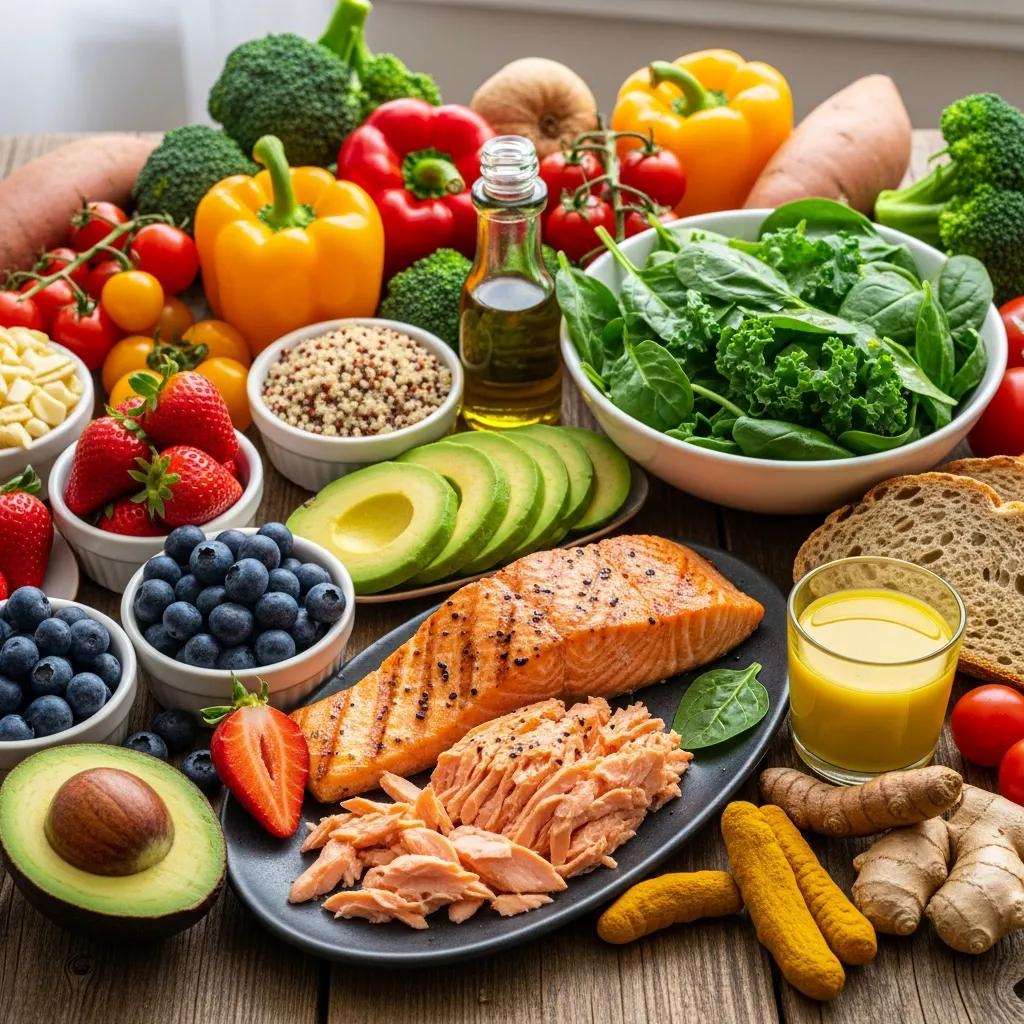
Certain foods can worsen endometriosis symptoms by increasing inflammation, disrupting hormone balance, or triggering individual sensitivities. For many patients, these dietary factors contribute to more frequent pain flare-ups, fatigue, and digestive discomfort. While diet does not cause or cure endometriosis, identifying and limiting specific trigger foods can play an important role in improving day to day symptom control.
In clinical settings, patients often report noticeable changes in symptoms based on dietary patterns. Highly processed foods, excess sugar, and certain animal products are commonly associated with increased inflammation and pain. At the same time, individual responses vary, which makes it important to take a structured and personalized approach rather than applying broad restrictions.
This guide outlines the most common foods that may worsen endometriosis symptoms, explains why they have an impact, and provides practical strategies to help patients identify and reduce their personal triggers as part of a comprehensive care plan.
Why Certain Foods Can Worsen Endometriosis Symptoms

Certain foods can influence biological processes that are directly involved in endometriosis, particularly inflammation, hormone regulation, and pain sensitivity. For many patients, these effects translate into more frequent or more intense symptom flare-ups. Understanding these mechanisms helps explain why dietary changes can make a meaningful difference in symptom control when used alongside medical care.
The Role of Inflammation in Symptom Flare-Ups
Endometriosis is associated with chronic inflammation, which contributes to pain and disease progression. Foods that promote inflammation, such as those high in refined sugars, unhealthy fats, and additives, can amplify this response. Increased inflammation may lead to heightened pelvic pain, bloating, and overall discomfort.
How Diet Influences Hormones and Pain Sensitivity
Hormonal balance, especially estrogen regulation, plays a central role in endometriosis. Certain foods can affect how the body processes hormones, potentially contributing to symptom severity. Diet can also influence pain sensitivity through its effects on blood sugar levels, stress responses, and inflammatory pathways, which may alter how pain is perceived.
Why Identifying Trigger Foods Matters
Not all patients respond to the same foods in the same way. Identifying personal trigger foods allows for more targeted and effective dietary adjustments. By recognizing patterns between food intake and symptoms, patients can reduce unnecessary restrictions while focusing on the changes that provide the most benefit.
A growing body of clinical and observational evidence supports a role for diet in modulating endometriosis-related pain and inflammation.
Dietary Impact on Endometriosis Pain
Supplementation with selected fatty acids, adoption of a gluten-free diet in sensitive individuals, and a low-nickel diet have each been reported to improve painful symptoms in some patients with endometriosis.
Impact of diet on pain perception in women with endometriosis: A systematic review, M Rudnicki, 2022
Top Foods to Avoid With Endometriosis
Certain food groups are more consistently associated with increased inflammation, hormonal disruption, or symptom flare-ups in patients with endometriosis. While individual responses vary, reducing or moderating these foods is often one of the first practical steps in improving symptom control.
Processed and Ultra-Processed Foods
Processed foods often contain additives, unhealthy fats, and refined ingredients that can promote inflammation. Common examples include packaged snacks, fast food, ready-made meals, and products with long ingredient lists. Regular consumption of these foods may make it more difficult to manage pain and overall symptoms.
Red Meat and High-Saturated Fat Foods
Frequent intake of red meat, especially high-fat cuts, has been associated in some studies with increased inflammatory markers. These foods may also influence hormone levels in ways that can worsen symptoms. Moderation and choosing leaner protein sources can help reduce this impact.
Dairy Products and Individual Sensitivities
Some patients report increased pain or digestive discomfort after consuming dairy products. This may be related to inflammatory responses or individual sensitivities to certain proteins. Not all individuals are affected, but evaluating personal response to dairy can be useful when managing symptoms.
Refined Sugars and High-Glycemic Foods
Foods high in refined sugar can lead to rapid changes in blood sugar levels, which may increase inflammation and affect hormone regulation. Sugary drinks, desserts, and processed carbohydrates are common contributors. Reducing these foods can help support more stable energy levels and symptom control.
Common Hidden Triggers in Everyday Foods
In addition to obvious dietary triggers, many everyday foods contain hidden ingredients that can contribute to inflammation and symptom flare-ups. Being aware of these sources allows for more informed choices without requiring overly restrictive eating patterns.
Added Sugars in Packaged Foods
Added sugars are often present in products that may not seem overly sweet, such as sauces, cereals, and snack foods. These hidden sugars can contribute to inflammation and blood sugar instability. Reading labels and recognizing different forms of sugar can help reduce intake.
Preservatives, Additives, and Artificial Ingredients
Many processed foods contain preservatives and artificial ingredients designed to extend shelf life or enhance flavor. Some of these additives may contribute to low-grade inflammation in certain individuals. Choosing foods with simpler ingredient lists can help minimize exposure.
High-Sodium Convenience Foods
Foods high in sodium, such as packaged meals and processed snacks, can contribute to bloating and fluid retention. This may worsen discomfort, particularly in individuals already experiencing pelvic pain or digestive symptoms. Reducing reliance on these foods can improve overall comfort.
Cooking Methods That Increase Inflammation
How food is prepared can also influence its impact on the body. Cooking methods such as deep frying or charring can produce compounds that promote inflammation. Opting for methods like baking, steaming, or grilling at moderate temperatures can help reduce this effect.
Drinks and Stimulants That May Worsen Symptoms
Beverages and stimulants can have a significant impact on endometriosis symptoms, particularly through their effects on inflammation, hormone balance, and sleep quality. For some patients, reducing or modifying these intake patterns leads to noticeable improvements in pain levels and overall well-being.
Caffeine and Its Effect on Pain and Sleep
Caffeine can increase anxiety, disrupt sleep, and heighten pain sensitivity in some individuals. Poor sleep quality is closely linked to increased pain perception, which can make symptoms more difficult to manage. Monitoring caffeine intake and reducing consumption, especially later in the day, can help improve both sleep and symptom control.
Alcohol and Hormonal Disruption
Alcohol may contribute to increased inflammation and can interfere with hormone regulation. It can also negatively affect sleep and recovery, which are important for managing chronic conditions. Limiting or avoiding alcohol is often recommended as part of a broader symptom management strategy.
Sugary Beverages and Energy Drinks
Sugary drinks, including sodas and energy drinks, can cause rapid spikes in blood sugar levels. These fluctuations may contribute to inflammation and energy crashes, which can worsen fatigue and discomfort. Energy drinks often combine high sugar with caffeine, amplifying these effects.
Hidden Sources of Caffeine in Foods and Medications
Caffeine is not limited to coffee and tea. It can also be found in chocolate, certain soft drinks, energy products, and even some medications. Being aware of these hidden sources helps patients better manage total intake and avoid unintended effects on symptoms.
Gluten and Dairy: When Should They Be Reduced?
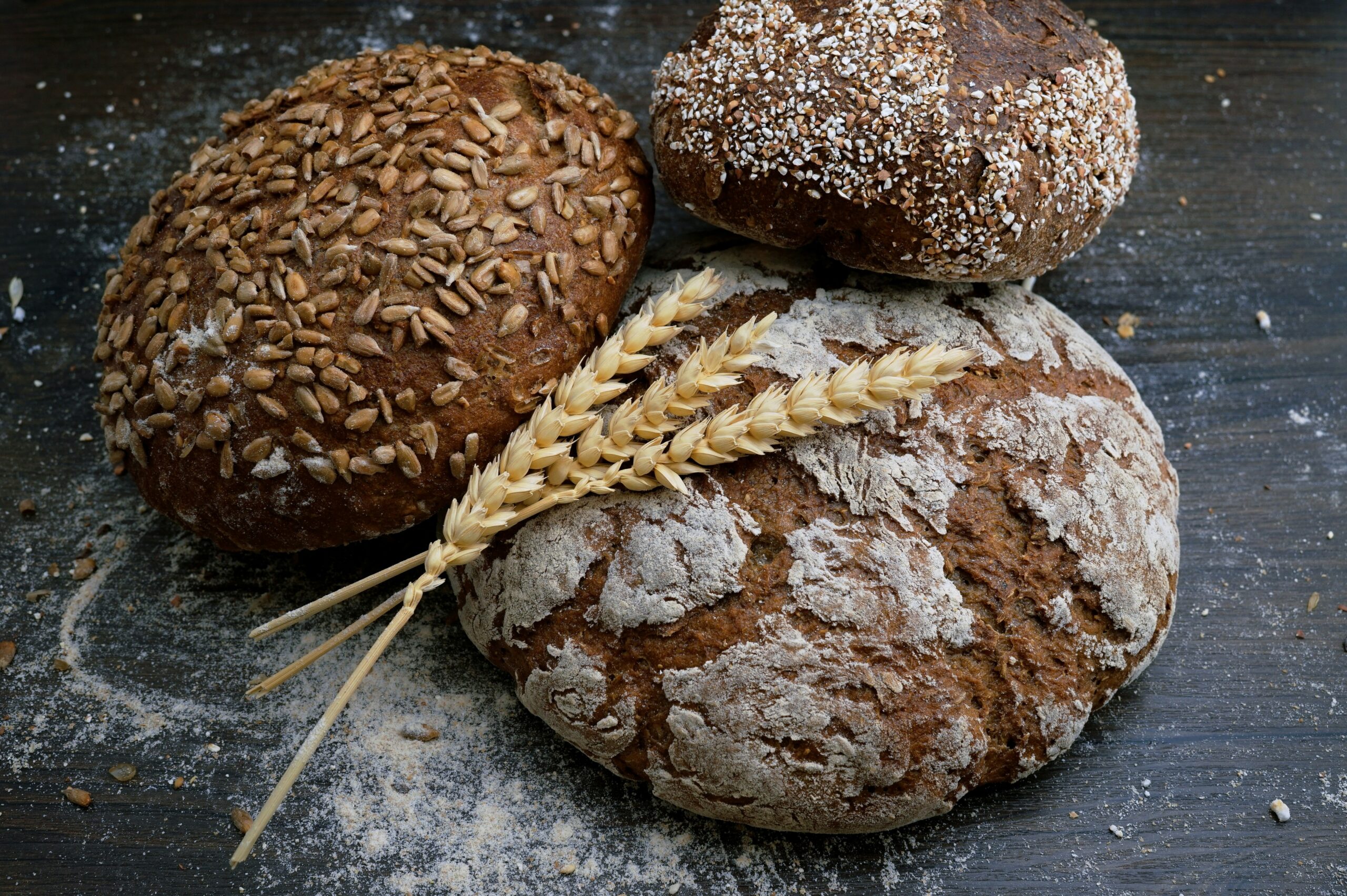
Gluten and dairy are commonly discussed in relation to endometriosis, but their effects vary between individuals. Rather than eliminating these foods universally, a structured and individualized approach helps determine whether they contribute to symptoms.
Emerging studies indicate that, for selected patients, gluten avoidance can reduce inflammatory markers and pelvic pain.
Gluten
‘s Effect on Endometriosis PainA gluten-free approach is thought to contribute to reduction of endometriosis-related pain in sensitive individuals. Several studies have evaluated the potential benefit of gluten exclusion and related dietary adjustments on symptom burden.
Diet associations in endometriosis: a critical narrative assessment with special reference to gluten, D Keszthelyi, 2023
Who May Benefit From Reducing Gluten
Some individuals with gluten sensitivity or related conditions may experience increased inflammation or digestive symptoms when consuming gluten. In these cases, a monitored reduction or short-term elimination may help assess whether symptoms improve. It is important to evaluate this carefully to avoid unnecessary restriction.
Understanding Dairy Sensitivity vs Intolerance
Dairy can affect individuals in different ways. Lactose intolerance is related to digestion, while sensitivity to dairy proteins may contribute to inflammation in some cases. Distinguishing between these responses can help guide whether partial reduction or full elimination is appropriate.
How to Safely Trial Elimination
A structured elimination approach involves removing a suspected trigger food for a defined period and then gradually reintroducing it while monitoring symptoms. This method provides clearer insight into whether a specific food is contributing to symptom flare-ups.
Avoiding Nutritional Deficiencies During Restriction
When reducing or eliminating major food groups, it is important to maintain balanced nutrition. Substituting with nutrient-rich alternatives helps prevent deficiencies, particularly for calcium, protein, and other essential nutrients. Guidance from a healthcare professional or dietitian can support safe and effective adjustments.
How to Identify Your Personal Food Triggers
Because endometriosis symptoms vary between individuals, identifying personal trigger foods is a key step in managing the condition effectively. A structured and consistent approach allows patients to make targeted changes rather than relying on broad or unnecessary dietary restrictions.
Using a Food and Symptom Journal
Keeping a food and symptom journal is one of the most effective ways to track patterns. This can include recording meals, snacks, hydration, and any symptoms experienced throughout the day. Over time, this creates a clearer picture of how certain foods may be influencing pain, digestion, or energy levels.
Patterns to Look For in Flare-Ups
Reviewing entries over several weeks can help identify trends, such as symptoms worsening after specific meals or ingredients. Timing is also important, as some reactions may occur hours or even a day later. Looking at consistent patterns rather than isolated incidents provides more reliable insights.
Structured Elimination and Reintroduction
If a potential trigger is identified, a structured elimination approach can help confirm it. This involves removing the suspected food for a set period and then reintroducing it while monitoring symptoms. A systematic process reduces guesswork and helps avoid unnecessary long-term restrictions.
When to Seek Professional Guidance
If multiple triggers are suspected or symptoms remain difficult to manage, working with a healthcare provider or dietitian can be beneficial. Professional guidance ensures that dietary adjustments are safe, balanced, and aligned with overall treatment plans.
Practical Strategies to Reduce Trigger Foods
Reducing trigger foods does not require a complete overhaul of the diet. Small, practical changes can significantly lower exposure to inflammatory foods while maintaining a balanced and sustainable approach to eating.
Simple Swaps for Common Trigger Foods
Replacing common trigger foods with less inflammatory alternatives can make dietary changes easier to maintain. For example, choosing whole foods over processed snacks or opting for lean proteins instead of high-fat meats can reduce inflammatory load without feeling restrictive.
Reading Labels to Identify Hidden Ingredients
Many packaged foods contain hidden sugars, additives, and preservatives that may contribute to symptoms. Learning to read ingredient labels helps patients make more informed choices and avoid unnecessary exposure to these components.
Reducing Processed Foods Without Restriction
Rather than eliminating processed foods entirely, focusing on reducing frequency and choosing simpler options can be more sustainable. Gradual changes are easier to maintain and still provide meaningful benefits for symptom control.
Building Awareness Without Over-Restriction
It is important to avoid overly restrictive eating patterns, especially for adolescents and individuals managing a chronic condition. Building awareness of food choices while maintaining flexibility helps support both physical health and long-term adherence.
Role of Dietary Changes in Endometriosis Care
Dietary changes are a supportive component of endometriosis management and are most effective when integrated with medical care. While avoiding trigger foods can help reduce inflammation and improve symptoms, it should be viewed as part of a broader, structured treatment approach rather than a standalone solution.
Patient interest in dietary modification as a complementary approach to endometriosis care has increased and warrants systematic evaluation.
Dietary Interventions for Endometriosis Management
Observational and interventional studies have examined a range of dietary strategies for endometriosis. Interventions fall into three principal models: supplementation with selected nutrients, exclusion of specific dietary components, and comprehensive diet modification. The systematic review assessed the available evidence across these models.
Effectiveness of dietary interventions in the treatment of endometriosis: a systematic review, K Nirgianakis, 2022
How Avoiding Trigger Foods Supports Symptom Control
Reducing intake of foods that promote inflammation or hormonal imbalance can help decrease the frequency and intensity of symptom flare-ups. Patients who identify and limit their specific triggers often experience more stable pain levels and improved daily functioning.
Combining Diet With Medical Treatment
Dietary strategies should complement, not replace, medical therapies such as hormonal treatment or surgical interventions when indicated. Coordinating dietary changes with a healthcare provider ensures that all aspects of care are aligned and that symptom management is comprehensive.
Importance of Individualized Approaches
There is no universal list of foods that affects all patients the same way. Individual responses vary, making personalized dietary adjustments more effective than generalized restrictions. Tailoring dietary changes based on symptoms, lifestyle, and clinical guidance leads to better long-term outcomes.
When to Work With a Dietitian or Specialist
Some patients may benefit from professional support when making dietary changes, especially when symptoms are complex or when multiple food triggers are suspected. Working with a specialist helps ensure that dietary adjustments are both safe and effective.
Signs Diet Is Affecting Symptoms
Indicators such as consistent symptom flare-ups after meals, digestive discomfort, or noticeable changes in energy levels may suggest a dietary influence. In these cases, a more structured evaluation of food intake can be helpful.
Risks of Self-Directed Restrictive Diets
Eliminating multiple food groups without guidance can lead to nutritional deficiencies and unnecessary dietary limitations. This is particularly important for adolescents and individuals with increased nutritional needs. A balanced approach helps avoid these risks.
Benefits of Clinically Guided Nutrition Plans
A dietitian or specialist can provide personalized recommendations based on clinical history, symptoms, and nutritional requirements. This guidance helps patients identify true triggers, maintain balanced nutrition, and integrate dietary strategies into a comprehensive care plan.
Frequently Asked Questions
What foods trigger endometriosis pain the most?
Common triggers include processed foods, refined sugars, high-fat red meat, and in some cases dairy or gluten. However, triggers vary between individuals. Identifying personal patterns is more effective than relying on a fixed list.
Should everyone avoid dairy and gluten?
Not all patients need to avoid dairy or gluten. Some individuals may benefit from reducing or eliminating these foods, while others may not notice any difference. A structured trial with symptom tracking is the most reliable way to assess individual response.
How quickly do symptoms improve after dietary changes?
Symptom changes typically occur over several weeks rather than immediately. Consistency is important, as gradual dietary adjustments tend to produce more reliable and sustainable improvements.
Can avoiding certain foods replace medical treatment?
Dietary changes can support symptom management but do not replace medical treatment. Endometriosis requires a comprehensive care approach that may include medication, surgical evaluation, and ongoing clinical support.
Conclusion
Avoiding foods that contribute to inflammation and symptom flare-ups can be an effective part of managing endometriosis. By identifying personal triggers and making targeted dietary adjustments, patients can improve daily comfort and reduce the impact of symptoms on their quality of life.
At the Endometriosis Center of Excellence, dietary guidance is integrated into a broader, multidisciplinary care model. This approach ensures that nutritional strategies are aligned with medical treatment and tailored to each patient’s needs.
A structured, individualized plan that combines clinical care with informed dietary choices provides the most effective pathway to long-term symptom management and improved well-being.