
Bladder pain can be stressful and disruptive, especially when it keeps coming back or seems to flare around your period. Some people with endometriosis experience bladder pressure, burning during urination, frequent urination, urgency, or pelvic discomfort that feels similar to a urinary tract infection.
Endometriosis bladder pain may happen when endometriosis affects the bladder area or nearby pelvic tissues. The pain may come and go with the menstrual cycle, appear alongside painful periods or pelvic pain, or continue even when urine tests do not show an infection.
Relief starts with understanding what may be causing your symptoms. Since bladder pain can also be linked to UTIs, bladder pain syndrome, pelvic floor tension, kidney stones, or other urinary conditions, it is important to get a proper evaluation before choosing a treatment plan.
This guide explains endometriosis bladder pain relief options, including medical treatment, hormonal therapy, pelvic floor therapy, at-home support, and when to see an endometriosis specialist.
Understanding Bladder Pain From Endometriosis
Endometriosis bladder pain can happen when endometriosis affects the bladder, the tissue around the bladder, or nearby pelvic structures. This may lead to irritation, inflammation, pressure, or pain that feels like it is coming from the bladder. For some people, bladder pain appears mainly around their period. For others, symptoms may happen throughout the month or flare during certain activities, such as urinating, having sex, exercising, or when the bladder is full.
Bladder pain does not always mean endometriosis is affecting the bladder directly. Sometimes pelvic floor muscle tension, nerve sensitivity, inflammation, or another urinary condition can contribute to similar symptoms. This is why a proper evaluation is important before choosing a treatment plan.
Why Endometriosis May Cause Bladder Pain
Endometriosis can irritate nearby pelvic tissues and cause inflammation. If this irritation happens close to the bladder, it may lead to bladder pressure, pelvic aching, urinary urgency, or pain when urinating.
In some cases, endometriosis may involve the bladder surface or deeper bladder wall. This can cause more noticeable urinary symptoms, especially if symptoms worsen around the menstrual cycle.
What Bladder Pain May Feel Like
Endometriosis-related bladder pain may feel different from person to person. Some people describe it as pressure or heaviness in the lower abdomen, while others feel burning, sharp pain, aching, or cramping.
You may notice:
- Pain or burning when urinating
- Bladder pressure or pelvic discomfort
- Pain when the bladder is full
- Frequent urination
- Sudden urgency to urinate
- UTI-like symptoms with negative urine tests
- Pain that worsens around your period
These symptoms can overlap with urinary tract infections, bladder pain syndrome, kidney stones, and pelvic floor dysfunction, so medical evaluation is important.
Why Pain May Flare Around Your Period
Endometriosis is affected by hormone changes during the menstrual cycle. Because of this, bladder pain related to endometriosis may become worse before, during, or after your period.
If you notice that bladder pain, urgency, or pressure follows a monthly pattern, track the timing and share it with your doctor. This pattern can help guide the next steps in evaluation and treatment.
First Steps for Endometriosis Bladder Pain Relief

Relief often starts with understanding the pattern of your symptoms and ruling out other possible causes. Bladder pain can have several explanations, so it is important to avoid assuming that every flare is caused by endometriosis. A healthcare provider may ask about your menstrual cycle, urinary symptoms, pelvic pain, previous urine tests, imaging, medications, and treatments you have already tried. This information helps guide a safer and more personalized pain relief plan.
Track Your Pain and Urinary Symptoms
Keeping a simple symptom record can help your doctor understand what may be triggering your bladder pain. You can use a notebook, calendar, or phone app.
Track details such as:
- When bladder pain starts
- Whether pain happens before, during, or after your period
- How often you urinate
- Whether you feel urgency
- Whether urination causes burning or pain
- Whether the bladder feels worse when full
- Any blood in the urine
- Pelvic pain, bowel symptoms, or pain during sex
- Medications or home remedies you have tried
Even a few weeks of notes can make your appointment more useful.
Rule Out Infection or Other Urinary Causes
Bladder pain, burning, urgency, and frequent urination can be caused by urinary tract infections and other urinary conditions. Your doctor may recommend urine testing or a urine culture to check for infection. If urine tests are negative but symptoms continue, other causes may need to be considered, including bladder pain syndrome, pelvic floor dysfunction, kidney stones, or endometriosis-related bladder irritation.
Know When to Seek Prompt Care
Some symptoms should be checked promptly and should not wait for a routine appointment. Seek medical care if you have visible blood in the urine, fever, chills, severe sudden pelvic pain, back pain, vomiting, pregnancy-related pain, inability to urinate, or symptoms that feel unusual or rapidly worsening. Prompt evaluation can help rule out infection, kidney stones, or other urgent conditions and guide appropriate treatment.
Medical Options That May Help Relieve Bladder Pain
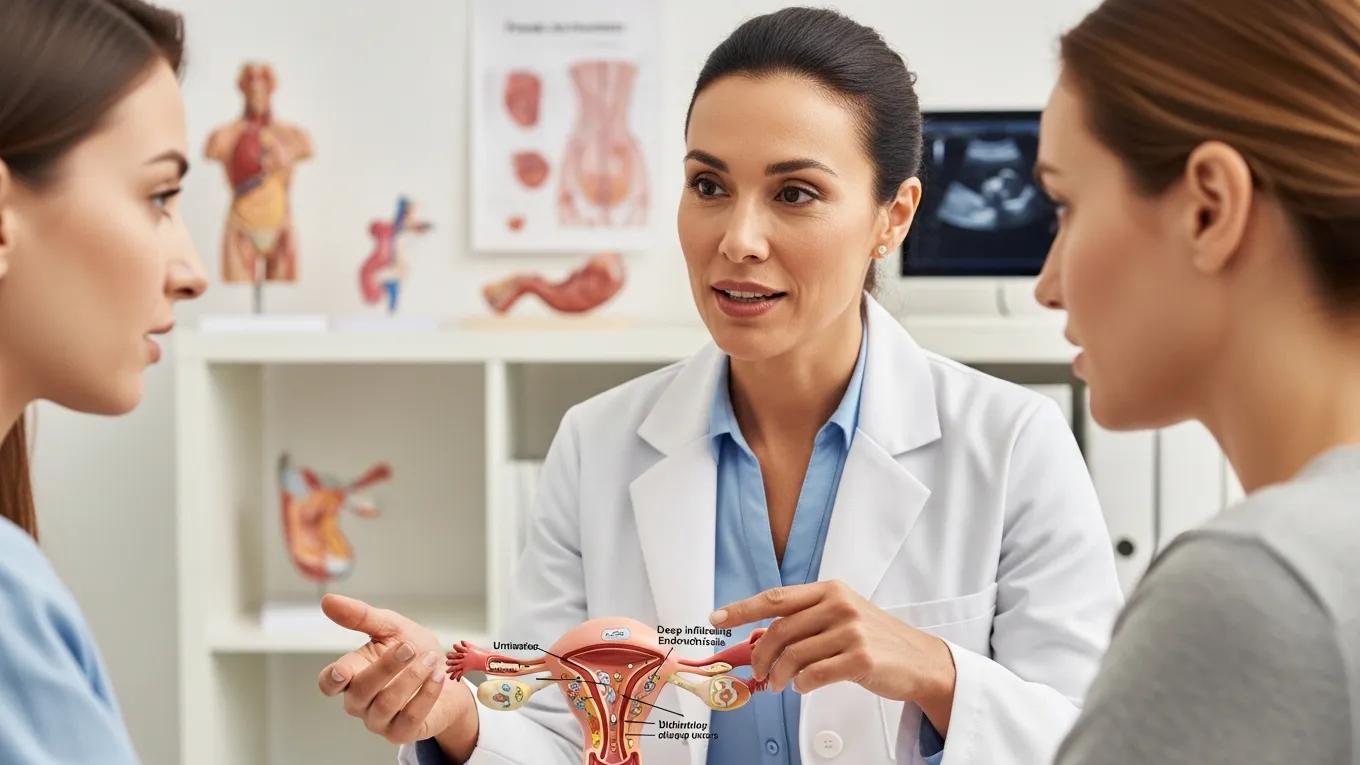
Medical treatment for endometriosis bladder pain depends on what is causing the pain, how severe it is, whether symptoms follow your menstrual cycle, and whether other urinary conditions have been ruled out. A doctor may recommend one treatment or a combination of options. The goal is to reduce pain, calm inflammation when possible, and improve daily comfort. Treatment should be personalized because bladder pain can come from endometriosis, pelvic floor tension, bladder pain syndrome, infection, or more than one cause at the same time.
Anti-Inflammatory Pain Relief
Anti-inflammatory pain relievers may help some people manage pelvic or bladder-related pain, especially during period-related flares. These medicines can reduce inflammation and may ease cramping or discomfort. They are not right for everyone, so ask your doctor which pain relief options are safe for you, especially if you have stomach ulcers, kidney disease, bleeding disorders, high blood pressure, take blood thinners, or are pregnant or trying to conceive.
Hormonal Treatment
Hormonal treatment may help reduce endometriosis-related bladder pain when symptoms are linked to the menstrual cycle. Options may include birth control pills, progestin therapy, or other hormone-based medications. These treatments may help reduce painful periods, pelvic pain, and cycle-related bladder flares for some patients. They do not work the same way for everyone, and they may not be appropriate if you are trying to get pregnant or have certain medical conditions.
Bladder-Specific Symptom Management
If bladder pain is caused by more than endometriosis alone, your doctor may also consider bladder-focused treatments. This may include evaluating for bladder pain syndrome, recurring infections, pelvic floor dysfunction, or urinary urgency conditions. Treatment may involve bladder symptom tracking, urine testing, medication adjustments, bladder training, pelvic floor therapy, or referral to a urologist when needed. This helps make sure the care plan targets the actual cause of your pain.
When Medication Is Not Enough
If bladder pain continues despite medication or keeps interfering with daily life, further evaluation may be needed. Your doctor may recommend imaging, specialist referral, pelvic floor therapy, or a discussion about whether surgery should be considered. Persistent pain does not mean you have failed treatment. It may simply mean the cause needs to be looked at more closely or that your care plan needs to be adjusted.
Pelvic floor therapy for Bladder Pain Relief
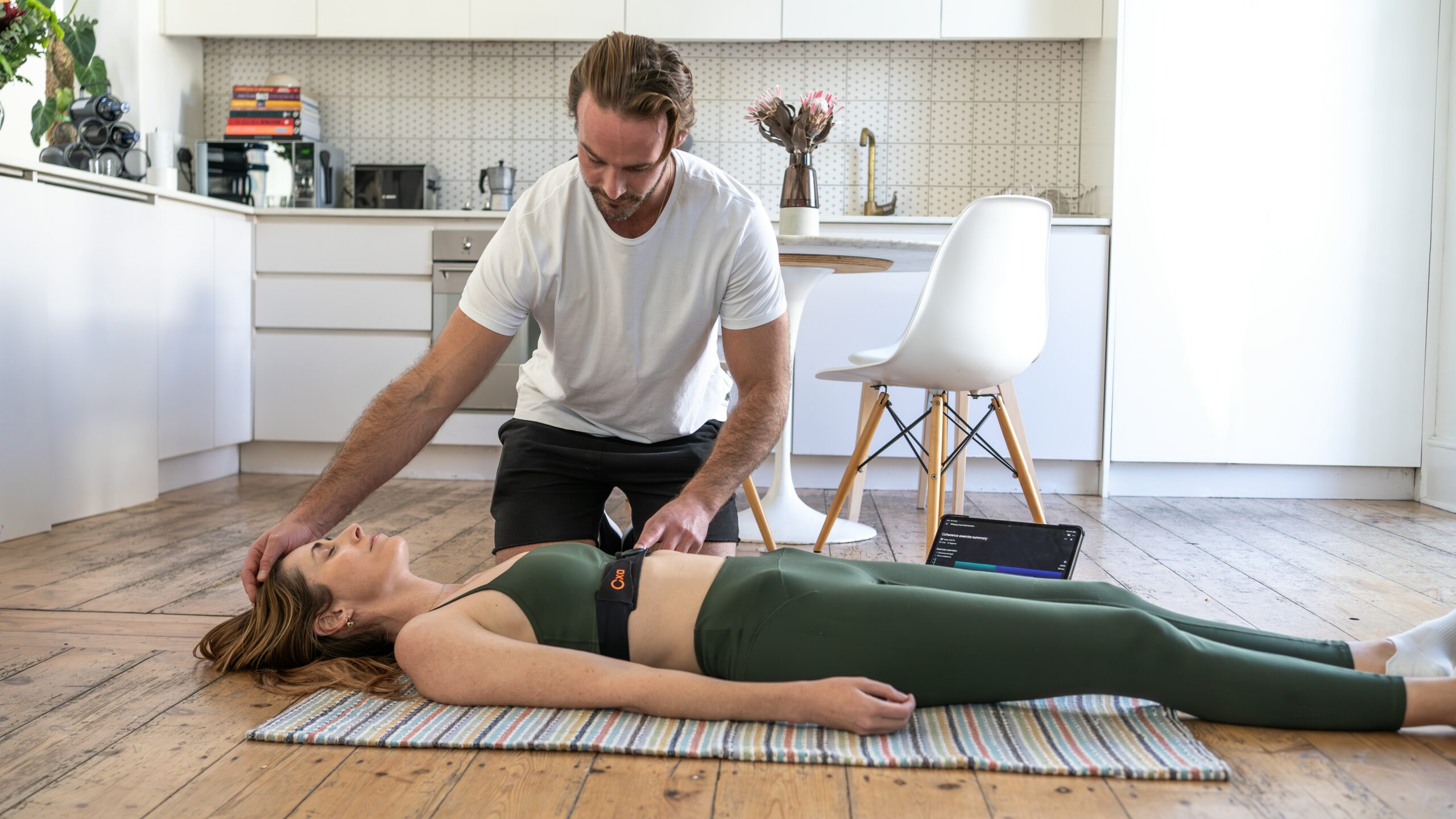
Pelvic floor therapy may be helpful for some people with endometriosis bladder pain, especially when pelvic muscle tension contributes to urgency, pressure, burning, or pain. The pelvic floor muscles support the bladder, bowel, and reproductive organs, and they can become tight or sensitive when pain has been present for a long time. When these muscles are tense, they may make bladder symptoms feel worse, even if endometriosis is also part of the problem. A trained pelvic floor physical therapist can assess whether muscle tension, coordination issues, or pain sensitivity may be contributing to your symptoms.
How Pelvic Floor Tension Can Worsen Bladder Pain
Tight pelvic floor muscles can irritate the bladder area and make it harder for the body to relax during urination. This may lead to bladder pressure, urgency, frequent urination, burning, pain during sex, or the feeling that the bladder is not emptying fully. Pain can also cause the muscles to tighten as a protective response. Over time, this cycle may keep symptoms going even when the original flare has improved.
What Pelvic Floor Therapy May Include
Pelvic floor therapy is usually tailored to your symptoms and comfort level. It may include relaxation training, breathing exercises, gentle stretching, posture work, bladder retraining, manual therapy, or home exercises. The focus is often on helping the pelvic muscles relax and function better, rather than strengthening them right away. For patients with pain, doing strengthening exercises too early may sometimes worsen symptoms, so guidance from a trained therapist is important.
When to Ask About Pelvic Floor Physical Therapy
Ask your doctor about pelvic floor physical therapy if you have bladder pressure, urgency, frequent urination, painful urination, pain during sex, pelvic tightness, or symptoms that continue even after infection has been ruled out. It may also be helpful before or after endometriosis surgery, depending on your symptoms and treatment plan. You may also find Can Endometriosis Affect the Bladder helpful.
When Surgery May Be Considered for Bladder Pain Relief
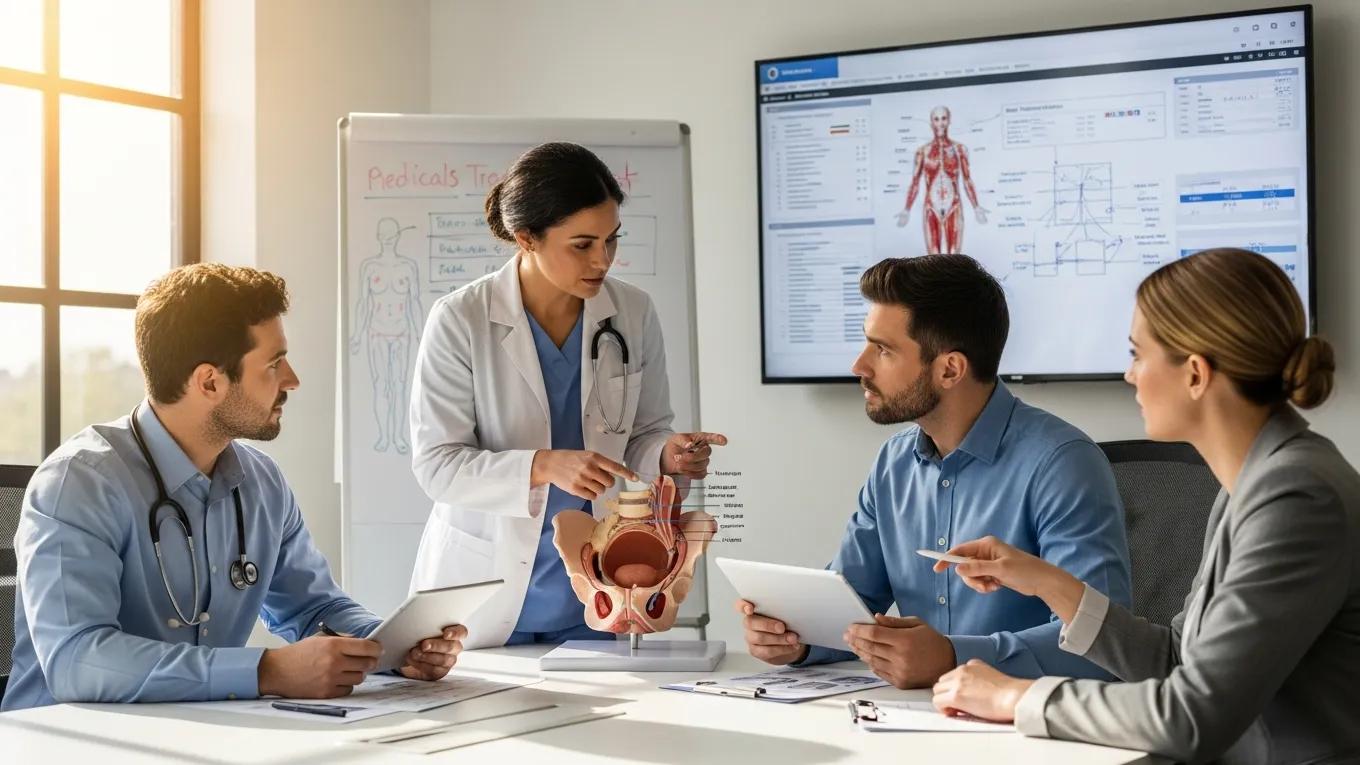
Surgery is not the first step for every person with endometriosis bladder pain. However, it may be discussed if symptoms are severe, pain continues despite medical treatment, imaging suggests deeper bladder involvement, or bladder function may be affected. The decision to consider surgery should be made with an experienced endometriosis specialist. Your doctor should explain why surgery is being recommended, what the procedure may involve, what risks to consider, and what recovery may look like.
When a Specialist May Discuss Surgery
A specialist may discuss surgery if bladder pain is persistent, worsening, or strongly linked to suspected bladder endometriosis. Surgery may also be considered if there is visible bladder involvement on imaging, severe urinary symptoms, blood in the urine, or symptoms that do not improve with medication or pelvic floor therapy. Fertility goals, prior surgeries, other areas of endometriosis, and overall health may also affect whether surgery is appropriate. Read more in Endometriosis Bladder Pain: Key Insights on Urinary Issues.
Laparoscopic Excision for Bladder Endometriosis
Laparoscopic excision is a minimally invasive surgery that uses small incisions and a camera to identify and remove endometriosis tissue. If endometriosis involves the bladder area, the surgical plan depends on where the tissue is located and how deeply it affects the bladder. In some cases, a urologist may be involved in the procedure. If deeper bladder involvement is present, the surgeon may need to repair the bladder wall or remove a small affected area. Your care team should explain these possibilities before surgery.
Recovery and Follow-Up
Recovery depends on the type and extent of surgery. Some patients may go home the same day or after a short hospital stay, while others may need more time depending on the bladder repair or other procedures performed. In some bladder surgeries, a temporary catheter may be used to drain urine while the bladder heals. Follow-up care may include checking healing, reviewing symptoms, discussing activity restrictions, and planning longer-term pain management or hormonal treatment when appropriate.
Endometriosis Bladder Pain Relief at Endo Excellence Center
At Endo Excellence Center, bladder pain is evaluated as part of the full pelvic health picture. Because bladder symptoms can have several possible causes, the goal is to understand whether your pain may be related to endometriosis, pelvic floor dysfunction, bladder pain syndrome, infection, or another urinary condition. A careful evaluation can help guide the most appropriate path for relief. This may include reviewing your symptoms, menstrual cycle patterns, urine test results, imaging, previous treatments, pain history, and how bladder symptoms affect your daily life.
Care Led by Dr. Rachael Haverland
Dr. Rachael Haverland evaluates patients with suspected or confirmed endometriosis, including those experiencing bladder pressure, urinary urgency, frequent urination, painful urination, pelvic pain, and UTI-like symptoms that do not improve as expected. Her approach focuses on identifying symptom patterns, listening to the patient’s experience, and explaining possible next steps in clear, practical language. If bladder pain may be connected to endometriosis, Dr. Haverland can help determine whether medical treatment, pelvic floor therapy, imaging, urology referral, or surgical evaluation may be appropriate. You may also find Bladder Pain and Constant Urgency During Your Period: Is It Endo or a UTI helpful.
Personalized Evaluation for Bladder Pain
Bladder pain relief starts with understanding the cause. During your consultation, your provider may ask:
- When bladder pain happens
- Whether symptoms worsen around your period
- Whether you have urgency, frequency, or burning
- Whether urine tests have shown infection
- Whether symptoms occur with pelvic pain, bowel symptoms, or painful sex
- Which treatments or home remedies you have already tried
- Whether symptoms affect sleep, work, travel, exercise, or relationships
This information helps your care team create a plan that fits your symptoms instead of using a one-size-fits-all approach.
Treatment Planning Based on Your Symptoms
Your treatment plan may include medical pain relief, hormonal therapy, pelvic floor physical therapy, bladder symptom management, imaging, referral to a urologist, or surgical evaluation when needed.
Not every patient needs surgery, and not every patient responds to the same medication. At Endo Excellence Center, the care plan is based on your symptoms, previous test results, treatment goals, fertility plans, and overall health.
Questions to Ask Your Doctor About Bladder Pain Relief
If you are seeking endometriosis bladder pain relief, bringing questions to your appointment can help you better understand your options. It can also make the conversation more focused, especially if symptoms have been ongoing or difficult to explain. You may want to write your questions down before your visit and bring any previous urine test results, imaging reports, medication lists, or symptom notes with you.
Diagnosis and Symptom Questions
Ask your doctor:
- Could my bladder pain be related to endometriosis?
- What else could be causing my bladder symptoms?
- Could this be a urinary tract infection, bladder pain syndrome, or pelvic floor problem?
- Should I have a urine test or urine culture?
- Do I need ultrasound, MRI, cystoscopy, or another test?
- Does the timing of my pain around my period matter?
- Should I track my symptoms before my next visit?
These questions can help clarify whether endometriosis is likely involved or whether another condition should be evaluated.
Treatment Questions
Ask about relief options that match your symptoms and health history:
- What pain relief options are safe for me?
- Could anti-inflammatory medication help?
- Could hormonal treatment reduce my bladder pain flares?
- Should I consider pelvic floor physical therapy?
- Are there bladder-specific treatments I should know about?
- What at-home steps may help during flares?
- When would surgery be considered?
- What should I do if treatment does not help?
A clear treatment discussion can help you understand what to try first and when to reassess.
Safety Questions
Some bladder symptoms need prompt medical attention. Ask your doctor:
- What symptoms should I not ignore?
- What should I do if I see blood in my urine?
- When should I seek urgent care?
- What should I do if I cannot urinate?
- What if I develop fever, chills, back pain, or vomiting?
- Who should I contact if my pain suddenly worsens?
- How often should I follow up?
Knowing these answers ahead of time can help you feel more prepared and safer while managing symptoms.
Frequently Asked Questions
What Helps Bladder Pain From Endometriosis?
Endometriosis bladder pain relief may involve a combination of treatments, depending on what is causing your symptoms. Some patients may benefit from anti-inflammatory pain relief, hormonal treatment, pelvic floor physical therapy, bladder-focused care, or supportive at-home steps such as heat, hydration awareness, and flare tracking. If pain is severe, keeps returning, or worsens around your period, it is best to speak with an endometriosis specialist. A personalized evaluation can help determine whether the pain is related to endometriosis, a bladder condition, pelvic floor tension, or another cause.
Can Endometriosis Bladder Pain Feel Like a UTI?
Yes. Endometriosis bladder pain can sometimes feel similar to a urinary tract infection. Symptoms may include burning when urinating, frequent urination, urgency, bladder pressure, or pelvic discomfort.
The difference is that UTI symptoms are usually caused by infection, while endometriosis-related bladder pain may come back around the menstrual cycle or continue even when urine tests are negative. If you have repeated UTI-like symptoms without confirmed infection, ask your doctor whether another cause should be considered.
Can Pelvic Floor Therapy Help Endometriosis Bladder Pain?
Pelvic floor therapy may help if tight or irritated pelvic floor muscles are contributing to bladder pain, urgency, pressure, or painful urination. This is common in people with chronic pelvic pain, including some patients with endometriosis. A pelvic floor physical therapist may use relaxation techniques, breathing exercises, manual therapy, bladder retraining, and home exercises to help reduce muscle tension and improve bladder comfort. It works best when included as part of a broader care plan.
Can Hormonal Treatment Relieve Bladder Pain?
Hormonal treatment may help some patients if bladder pain is linked to endometriosis and worsens around the menstrual cycle. Options may include birth control pills, progestins, or other hormone-based treatments. These medications may help reduce cycle-related inflammation and pain flares, but they are not right for everyone. Your doctor will consider your symptoms, medical history, side effect risks, and fertility goals before recommending hormonal therapy.
When Is Surgery Needed for Bladder Endometriosis Pain?
Surgery may be considered if bladder pain is severe, symptoms do not improve with medical treatment, imaging suggests deeper bladder involvement, or bladder function may be affected. Surgery may also be discussed if endometriosis is suspected in multiple pelvic areas.
Not every patient with endometriosis bladder pain needs surgery. If surgery is recommended, your specialist should explain the expected benefits, possible risks, recovery process, and whether a urologist may need to be involved.
When Should I See a Specialist?
You should consider seeing an endometriosis specialist if bladder pain keeps returning, worsens around your period, feels like a UTI but urine tests are negative, or occurs with pelvic pain, painful periods, pain during sex, bowel symptoms, or fertility concerns.
You should seek prompt medical care if you have visible blood in the urine, fever, chills, severe sudden pelvic pain, back pain, vomiting, inability to urinate, pregnancy-related pain, or symptoms that feel unusual or rapidly worsening.
Conclusion
Endometriosis bladder pain relief starts with understanding what may be causing your symptoms. Bladder pain, pressure, burning during urination, urgency, or frequent urination may sometimes be related to endometriosis, especially when symptoms flare around your period. However, similar symptoms can also come from urinary tract infections, bladder pain syndrome, pelvic floor dysfunction, kidney stones, or other urinary conditions. Relief may involve medical pain management, hormonal treatment, pelvic floor physical therapy, bladder-specific care, at-home supportive steps, or surgery in selected cases. The right approach depends on your symptoms, test results, previous treatments, fertility goals, and overall health.
At Endo Excellence Center, Dr. Rachael Haverland can help evaluate bladder pain symptoms, review possible causes, and guide a personalized care plan. If bladder pain is affecting your daily life or keeps returning despite treatment, a specialist consultation can help you understand your options and take the next step toward relief.