
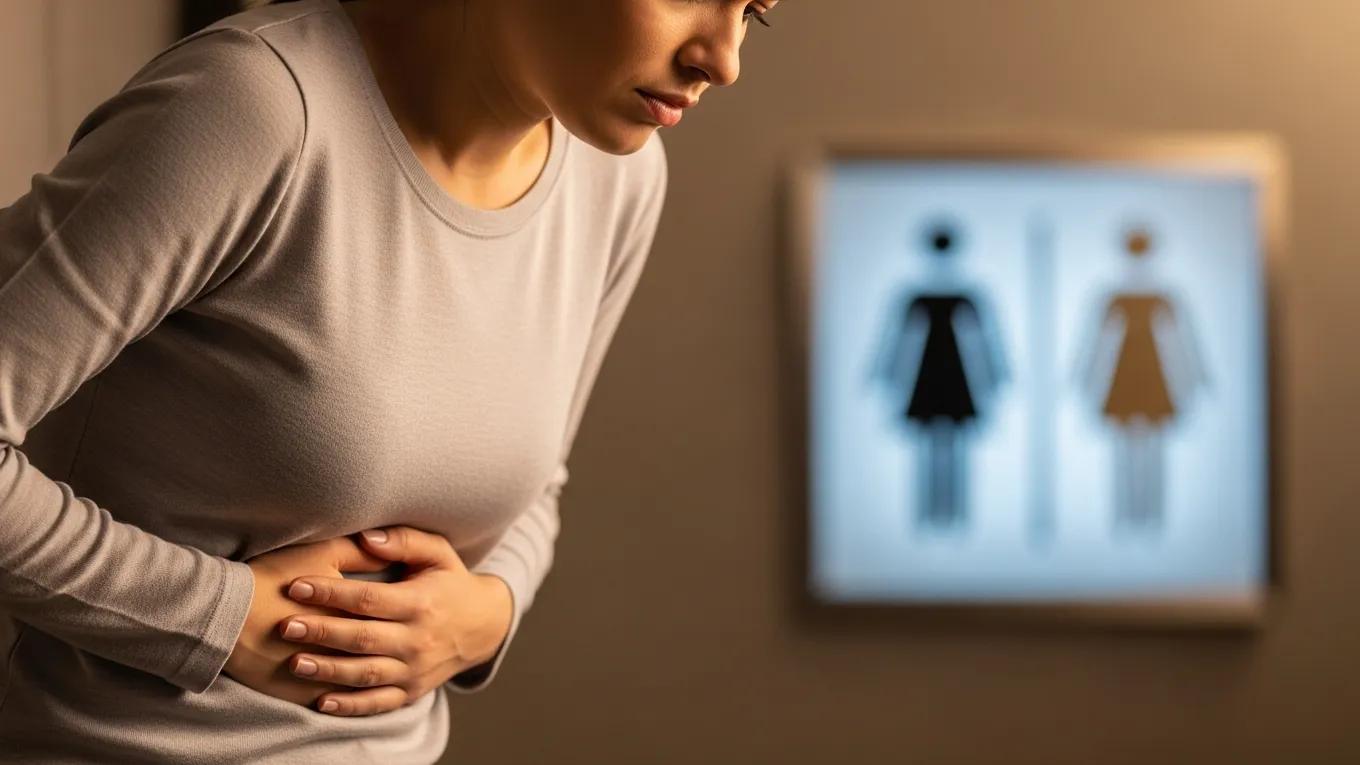
Endometriosis and urinary issues can be connected, especially when endometriosis affects the bladder or nearby pelvic tissues. Some people with endometriosis may notice frequent urination, sudden urgency, bladder pain, pain or burning when urinating, or symptoms that seem to get worse around their period.
These symptoms are often mistaken for a urinary tract infection, overactive bladder, or interstitial cystitis because they can feel very similar. This can make it harder to get the right diagnosis and treatment. Understanding how endometriosis may affect the urinary system can help you recognize important symptoms, know when to seek care, and discuss the right next steps with an endometriosis specialist.
This guide explains the common urinary issues linked to endometriosis, why they happen, how doctors evaluate them, and what treatment options may help.
Can Endometriosis Cause Urinary Issues?

Yes. Endometriosis can cause urinary issues, especially when endometriosis affects the bladder or the tissues around it. Because the bladder is close to the uterus, ovaries, and other pelvic organs, inflammation from endometriosis can irritate the bladder and make urination uncomfortable or more frequent. Some people with endometriosis may notice symptoms such as:
- Frequent urination
- Sudden urinary urgency
- Bladder pain or pressure
- Pain or burning when urinating
- Waking up at night to urinate
- Blood in the urine, especially around menstruation
These symptoms can sometimes feel like a urinary tract infection, even when no infection is found. If urinary issues keep coming back, worsen around your period, or happen with pelvic pain, painful periods, or pain during sex, endometriosis may be one possible cause.
How Endometriosis May Affect the Bladder
Endometriosis happens when tissue similar to the lining of the uterus grows outside the uterus. In some cases, this tissue can grow on or near the bladder. Less commonly, it may grow into the bladder wall. When this happens, the bladder may become irritated or inflamed. This can make the bladder feel painful, sensitive, or full even when there is only a small amount of urine. It may also cause a sudden need to urinate or make you feel like you need to go more often than usual.
Endometriosis can also cause scar-like tissue, called adhesions, to form in the pelvis. These adhesions may pull on nearby organs or affect how the bladder moves and functions. For some people, pelvic nerves may also become more sensitive over time, which can make bladder discomfort feel stronger or more persistent.
Why Urinary Symptoms May Get Worse Around Your Period
Urinary symptoms linked to endometriosis may become worse before or during your period because endometriosis is affected by hormonal changes in the menstrual cycle. During this time, inflammation and irritation in the pelvis may increase. If endometriosis is near the bladder, this monthly inflammation can make the bladder more sensitive. You may notice more urgency, more frequent urination, bladder pressure, or pain when urinating during your period.
Symptoms that follow a monthly pattern can be an important clue. For example, bladder pain, frequent urination, or blood in the urine that appears around menstruation should be discussed with a doctor. Tracking when symptoms happen can help your provider understand whether they may be related to endometriosis and decide what testing or treatment may be appropriate.
Common Urinary Issues Linked to Endometriosis
Endometriosis and urinary issues can show up in different ways. Some symptoms may feel mild at first, while others can interfere with sleep, work, exercise, intimacy, and daily routines. Because these symptoms can overlap with urinary tract infections and other bladder conditions, it is important to notice when they happen, how often they occur, and whether they get worse around your period.
Frequent Urination
Frequent urination means needing to urinate more often than usual. With endometriosis, this may happen when inflammation or endometriosis tissue irritates the bladder or nearby pelvic nerves. Some people feel like they need to use the bathroom again soon after going. Others may plan their day around restroom access because they are worried about needing to urinate suddenly.
Urinary Urgency
Frequent urination means needing to urinate more often than usual. With endometriosis, this may happen when inflammation or endometriosis tissue irritates the bladder or nearby pelvic nerves. adder may become more sensitive. This can make urgency feel more intense, especially before or during menstruation.
Pain or Burning When Urinating
Pain or burning when urinating can happen for several reasons, including urinary tract infections. However, if testing does not show an infection, or if the pain keeps returning around your period, endometriosis may be one possible cause. This symptom may feel like burning, stinging, pressure, or deep pelvic discomfort during or after urination.
Bladder Pain or Pelvic Pressure
Some people with endometriosis and urinary issues feel pain, pressure, or heaviness around the bladder or lower pelvis. The discomfort may come and go, or it may become more noticeable during certain times of the menstrual cycle. Bladder pain may also happen with pelvic cramps, painful periods, pain during sex, or bowel symptoms. When several pelvic symptoms occur together, it can be a sign that endometriosis is affecting more than one area.
Waking Up at Night to Urinate
Waking up at night to urinate can affect sleep and energy levels. In some people with endometriosis, bladder sensitivity or pelvic inflammation may make the urge to urinate more noticeable at night. Read more in Can Endometriosis Affect the Bladder.
This symptom is worth discussing with a doctor if it happens often, worsens around your period, or occurs with pelvic pain or bladder pressure.
Blood in the Urine During Menstruation
Blood in the urine should always be evaluated by a healthcare professional. In rare cases, endometriosis involving the bladder may cause blood in the urine, especially during menstruation.
If you notice blood in your urine, severe bladder pain, fever, back or side pain, or trouble urinating, seek medical care promptly. These symptoms may point to a urinary infection, kidney issue, or another condition that needs timely evaluation.
Urinary Tract Endometriosis: Symptoms, Diagnosis, and Treatment
Urinary tract endometriosis can present with symptoms that overlap interstitial cystitis, nephrolithiasis, overactive bladder, or recurrent urinary tract infection, and may be cyclical or non-cyclical. Cyclical gross hematuria is considered pathognomonic, although definitive diagnosis requires pathologic confirmation. Without accurate diagnosis and treatment, silent renal loss from asymptomatic obstruction can occur. Initial therapy frequently consists of hormonal treatment to palliate symptoms—most commonly combined oral contraceptives—followed by surgical resection as a definitive option.
A review of urinary tract endometriosis, 2022
Why Endometriosis and Urinary Issues Are Often Misdiagnosed

Endometriosis and urinary issues are often misdiagnosed because bladder symptoms can look very similar to other common conditions. A person may be treated for a urinary tract infection, overactive bladder, or bladder pain syndrome before endometriosis is considered.
This can be frustrating, especially when symptoms keep coming back or test results do not clearly explain the problem. One important clue is timing. If urinary symptoms get worse before or during your period, or happen along with pelvic pain, painful periods, or pain during sex, endometriosis may need to be evaluated as a possible cause.
Symptoms Can Feel Like a UTI
Many endometriosis-related urinary symptoms can feel like a urinary tract infection. These may include frequent urination, urgency, bladder pressure, or pain when urinating.
The difference is that a UTI is caused by an infection, while endometriosis-related bladder symptoms may be caused by inflammation, bladder irritation, or endometriosis tissue near the bladder. If urine tests do not show an infection, or if symptoms return repeatedly after treatment, it may be time to look for another cause.
Symptoms Can Overlap With Overactive Bladder
Overactive bladder can cause sudden urgency, frequent urination, and waking up at night to urinate. These symptoms can also happen when endometriosis irritates the bladder or nearby pelvic nerves.
Because the symptoms overlap, it is important to look at the full symptom pattern. Urinary issues that worsen around menstruation, occur with pelvic pain, or do not improve with standard bladder treatments may need further evaluation by a specialist familiar with endometriosis.
Symptoms Can Be Confused With Interstitial Cystitis
Interstitial cystitis, also called bladder pain syndrome, can cause bladder pain, pelvic pressure, urinary urgency, and frequent urination. These symptoms can be very similar to endometriosis-related urinary issues. Some people may even have both conditions, which can make diagnosis more complicated. A careful review of symptoms, menstrual patterns, pelvic pain, previous test results, and response to treatment can help doctors better understand what may be causing the urinary problems.
When to See a Doctor for Endometriosis and Urinary Issues

You should see a doctor if urinary symptoms keep coming back, get worse around your period, or happen along with pelvic pain, painful periods, pain during sex, or ongoing lower abdominal pressure. These patterns may suggest that the urinary issues are not only related to the bladder, but may also be connected to endometriosis.
It is especially important to seek medical advice if symptoms do not improve after treatment for a urinary tract infection, or if urine tests do not show an infection but the discomfort continues. A doctor can review your symptoms, check for other possible causes, and decide whether you need further evaluation for endometriosis-related urinary issues.
Symptoms That Should Not Be Ignored
Some urinary symptoms may seem minor at first, but they should still be discussed with a healthcare provider if they are persistent or disruptive. These include frequent urination, sudden urgency, bladder pain, pain or burning when urinating, waking up at night to urinate, or pelvic pressure that comes and goes with your menstrual cycle.
Keeping a symptom diary can be helpful. Write down when symptoms happen, whether they worsen before or during your period, how often you urinate, and whether you also have pelvic pain, bowel symptoms, or pain during sex. This information can help your doctor better understand whether endometriosis may be playing a role.
Warning Signs That Need Prompt Medical Care
Some symptoms need quicker medical attention because they may point to an infection, kidney problem, or more serious urinary condition. Seek prompt care if you notice:
- Blood in the urine
- Fever or chills
- Severe bladder or pelvic pain
- Back or side pain
- Trouble urinating
- Vomiting with urinary symptoms
- Symptoms that rapidly worsen
Blood in the urine should always be evaluated by a healthcare professional, even if it only happens during your period. While bladder endometriosis can be one possible cause, other urinary tract conditions also need to be ruled out.
How Doctors Diagnose Endometriosis-Related Urinary Issues

Diagnosing endometriosis-related urinary issues usually starts with a detailed conversation about your symptoms. Your doctor may ask when the urinary symptoms began, how often they happen, whether they change around your period, and whether you also have pelvic pain, painful periods, pain during sex, or bowel symptoms. Because urinary symptoms can overlap with UTIs, overactive bladder, and interstitial cystitis, diagnosis may involve several steps. The goal is to understand whether symptoms are coming from an infection, a bladder condition, endometriosis, or more than one issue at the same time.
Symptom History and Menstrual Pattern Tracking
Your symptom history is one of the most important parts of the evaluation. Symptoms that follow a monthly pattern may give your doctor an important clue that endometriosis could be involved.
Your doctor may ask you to track:
- How often you urinate
- Whether urgency happens suddenly
- When bladder pain occurs
- Whether pain gets worse before or during your period
- Whether symptoms happen with pelvic pain or painful periods
- Whether you have had repeated negative UTI tests
A bladder diary may also be used to record how often you urinate, how much fluid you drink, and when symptoms are most noticeable.
Pelvic Exam
A pelvic exam may help your doctor check for tenderness, pelvic pain, or signs that the pelvic organs are less mobile than expected. While a pelvic exam cannot always confirm endometriosis, it can help guide the next steps. If the exam suggests deeper pelvic pain or possible bladder involvement, your doctor may recommend imaging tests or referral to an endometriosis specialist.
Ultrasound
Ultrasound is often one of the first imaging tests used when endometriosis or another pelvic condition is suspected. It can help doctors look at the uterus, ovaries, bladder area, and nearby pelvic structures. In some cases, ultrasound may show signs of endometriosis near the bladder, ovarian endometriomas, or other pelvic findings that could explain symptoms. However, a normal ultrasound does not always rule out endometriosis.
MRI
MRI may be recommended when deeper endometriosis is suspected or when doctors need a more detailed view of the bladder and surrounding pelvic organs. MRI can help show whether endometriosis may be affecting the bladder wall, ureters, or nearby tissues. This type of imaging can also help with treatment planning, especially if surgery is being considered.
Cystoscopy When Bladder Involvement Is Suspected
Cystoscopy is a test that allows a doctor to look inside the bladder using a thin camera. It may be recommended if there is blood in the urine, ongoing bladder pain, or concern that endometriosis may involve the inside of the bladder. Not everyone with urinary symptoms needs cystoscopy. Your doctor will decide whether it is appropriate based on your symptoms, exam findings, urine tests, and imaging results.
Laparoscopy When Diagnosis Is Still Unclear
Laparoscopy is a minimally invasive surgery that allows a surgeon to look inside the pelvis and, when needed, remove or biopsy suspicious tissue. It may be considered when symptoms strongly suggest endometriosis but other tests do not give a clear answer. For some patients, laparoscopy can confirm the diagnosis and treat endometriosis at the same time. The decision depends on symptom severity, imaging results, treatment goals, and whether bladder or urinary tract involvement is suspected.
Treatment Options for Endometriosis and Urinary Issues

Treatment for endometriosis and urinary issues depends on what is causing the symptoms, how severe they are, and whether the bladder or nearby urinary structures are involved. Some people improve with medication and supportive care, while others may need surgery if endometriosis is affecting the bladder more directly. Read more in Endometriosis Symptoms: Managing Digestive Issues.
A specialist may also check whether symptoms are related to another condition, such as a urinary tract infection, overactive bladder, or interstitial cystitis. This matters because the right treatment depends on the right diagnosis.
Hormonal Treatment to Help Control Symptoms
Hormonal treatment may help reduce endometriosis activity and ease symptoms linked to inflammation. These treatments are often used to manage pain, reduce symptom flare-ups, and slow the activity of endometriosis tissue.
Common options may include birth control pills, progestin therapy, or other hormone-suppressing medicines. The best choice depends on your symptoms, medical history, side effects, fertility goals, and whether you have tried other treatments before. Hormonal treatment does not work the same way for everyone. Some people notice improvement in pelvic pain and urinary symptoms, while others may need a different approach or additional care.
Pain Relief and Symptom Management
Pain relief may be part of the treatment plan for endometriosis and urinary issues. Your doctor may recommend over-the-counter or prescription pain relievers depending on your symptoms and overall health. If bladder pain, pelvic pressure, or pain during urination keeps returning, it is important not to rely only on pain medication without further evaluation. Ongoing symptoms may need testing to check for infection, bladder involvement, or another pelvic condition.
Pelvic Floor Physical Therapy
Pelvic floor physical therapy may help when urinary symptoms are linked to pelvic muscle tension, bladder sensitivity, or chronic pelvic pain. Some people with endometriosis develop tight or overactive pelvic floor muscles, which can make urinary urgency, frequency, and pelvic discomfort worse.
A pelvic floor physical therapist can help with exercises, relaxation techniques, bladder training, and muscle coordination. This type of therapy is not the same as general exercise and should be guided by someone trained in pelvic health.
Lifestyle Changes That May Help Bladder Symptoms
Lifestyle changes may not treat endometriosis itself, but they can help reduce bladder irritation and make symptoms easier to manage. Some people benefit from identifying personal triggers and making small, realistic changes.
Helpful steps may include:
- Tracking bladder symptoms and menstrual patterns
- Limiting bladder irritants such as caffeine, alcohol, carbonated drinks, or spicy foods if they worsen symptoms
- Drinking enough water without overhydrating
- Avoiding large amounts of fluid close to bedtime if nighttime urination is a problem
- Managing constipation, which can increase pelvic pressure
- Using heat therapy for pelvic discomfort
These changes should support medical care, not replace it. If symptoms are severe, worsening, or recurring, a specialist evaluation is still important.
Surgery for Bladder Endometriosis
Surgery may be considered when endometriosis is suspected or confirmed on or near the bladder, especially if symptoms are severe or do not improve with non-surgical treatment. The goal is usually to remove endometriosis tissue while protecting bladder function.
In many cases, surgery is performed using laparoscopy, which is a minimally invasive approach using small incisions and a camera. The exact surgical plan depends on where the endometriosis is located, how deeply it affects the bladder, and whether nearby structures such as the ureters are involved.
Surgery for bladder-related endometriosis should be planned carefully, often with input from both an endometriosis specialist and a urologist. This helps reduce risks and supports a safer, more complete treatment plan.
How Specialist Care Helps With Endometriosis and Urinary Issues

Specialist care can be important when endometriosis and urinary issues overlap because symptoms may involve more than one part of the pelvis. A patient may need evaluation from an endometriosis specialist, a urologist, a pelvic floor physical therapist, or a pain specialist depending on their symptoms.
Coordinated care can help prevent fragmented treatment, where urinary symptoms are treated separately from pelvic pain. A more complete approach can improve diagnosis, treatment planning, and long-term symptom management.
Working With an Endometriosis Specialist
An endometriosis specialist can evaluate whether urinary symptoms may be connected to endometriosis. They may review your symptom history, menstrual cycle patterns, prior imaging, previous UTI tests, pain symptoms, and past treatments.
This type of specialist can also help decide whether medication, pelvic floor therapy, further imaging, or surgery may be appropriate. If bladder involvement is suspected, they may coordinate care with a urologist.
When a Urologist May Be Involved
A urologist may be involved when symptoms suggest the bladder or urinary tract needs closer evaluation. This may include blood in the urine, persistent bladder pain, repeated urinary symptoms without infection, or concern that endometriosis may be affecting the bladder wall or ureters.
A urologist may recommend urine testing, cystoscopy, bladder-focused treatment, or additional imaging. If surgery is needed, a urologist may work with the endometriosis surgeon to help protect bladder and urinary tract function.
Why Coordinated Care Matters
Endometriosis and urinary issues can be complex because symptoms may come from inflammation, bladder irritation, pelvic floor muscle tension, nerve sensitivity, or another urinary condition. Coordinated care helps connect these pieces instead of treating each symptom in isolation.
A team-based approach can also help patients understand their options more clearly. This may include medical treatment, physical therapy, pain management, surgery, or ongoing follow-up. The goal is not only to reduce urinary symptoms, but also to improve comfort, daily function, and quality of life.
Frequently Asked Questions
Can endometriosis make you pee more often?
Yes. Endometriosis may make you urinate more often if it irritates the bladder or nearby pelvic nerves. Some people feel like they need to use the bathroom frequently, even when the bladder is not full.
Frequent urination can also happen because of UTIs, overactive bladder, pregnancy, diabetes, and other conditions, so it is important to get evaluated if the symptom is new, persistent, or worsening.
Can endometriosis cause bladder pain?
Yes. Endometriosis can cause bladder pain when inflammation or endometriosis tissue affects the bladder or nearby pelvic structures. The pain may feel like pressure, burning, aching, or deep pelvic discomfort.
Bladder pain that worsens around your period may be an important clue. However, bladder pain can also be caused by infection, bladder pain syndrome, kidney stones, or other urinary conditions.
Can endometriosis feel like a UTI?
Yes. Endometriosis and urinary issues can sometimes feel like a UTI. Symptoms may include urgency, frequent urination, bladder pressure, or pain when urinating.
If urine tests do not show an infection, or if symptoms keep returning after UTI treatment, ask your doctor whether another condition could be causing the symptoms.
Can endometriosis cause pain when urinating?
Yes. Some people with endometriosis experience pain or burning when urinating, especially if the bladder or nearby pelvic tissues are irritated. This symptom may become more noticeable before or during menstruation.
Because painful urination is also common with UTIs, it should be checked by a healthcare professional rather than assumed to be endometriosis.
Can endometriosis cause blood in the urine?
In rare cases, bladder endometriosis may cause blood in the urine, especially around menstruation. Blood in the urine should always be evaluated by a doctor because it can also be caused by infections, kidney stones, bladder conditions, or other urinary tract problems.
Seek prompt medical care if blood in the urine happens with fever, severe pain, back or side pain, vomiting, or trouble urinating.
What is the best treatment for endometriosis and urinary issues?
The best treatment depends on the cause of the urinary symptoms, the severity of endometriosis, whether the bladder or ureters are involved, and your personal goals. Treatment may include hormonal therapy, pain management, pelvic floor physical therapy, lifestyle changes, or surgery.
A specialist can help determine whether symptoms are mainly related to endometriosis, a bladder condition, pelvic floor dysfunction, or more than one issue.
Conclusion
Endometriosis and urinary issues can be connected, especially when symptoms such as frequent urination, urgency, bladder pain, or pain when urinating happen around your period. These symptoms can be mistaken for a UTI, overactive bladder, or interstitial cystitis, which is why careful evaluation is important.
If urinary symptoms keep returning, do not improve with standard treatment, or occur with pelvic pain, painful periods, or pain during sex, it may be time to speak with an endometriosis specialist. The right diagnosis can help guide treatment and reduce the risk of ongoing discomfort or complications.