Endometriosis is a chronic condition that affects millions of women worldwide and can have a significant impact on pelvic health, fertility, and overall quality of life. While many people associate endometriosis with painful periods, the condition can also cause chronic pelvic pain, inflammation, scar tissue, and reproductive challenges that extend far beyond the menstrual cycle. Because symptoms often overlap with other medical conditions, many patients experience delayed diagnosis before receiving appropriate treatment. Understanding how endometriosis affects the body, recognizing its symptoms, and learning about available treatment options can help patients seek specialized care sooner. Advances in minimally invasive surgery and individualized treatment plans have made it possible for many women to achieve meaningful pain relief while preserving fertility and improving their long-term health outcomes.
Endometriosis Symptoms: Recognizing the Signs Early

Endometriosis is a complex condition that affects every patient differently. Some women experience severe pelvic pain that interferes with daily life, while others may have few noticeable symptoms until they encounter fertility challenges. Recognizing the early signs is one of the most important steps toward receiving an accurate diagnosis and timely treatment.
What Is Endometriosis?
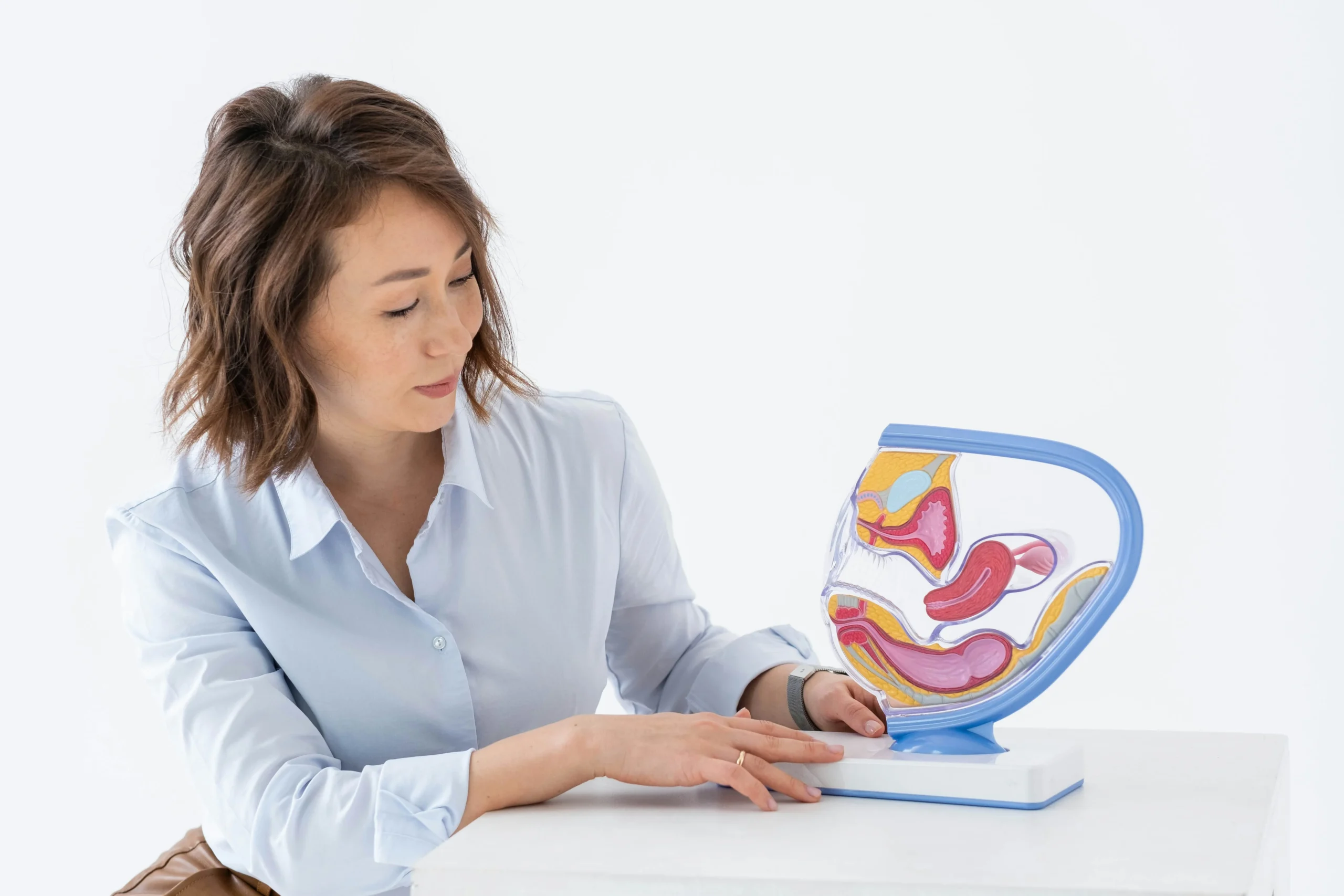
Endometriosis occurs when tissue similar to the lining of the uterus grows outside the uterus. These growths commonly develop on the ovaries, fallopian tubes, pelvic lining, and surrounding organs. Like the uterine lining, this tissue responds to hormonal changes during the menstrual cycle, which can trigger inflammation, irritation, and scar tissue formation.
Unlike normal menstrual tissue, these growths have no way to leave the body. Over time, repeated inflammation may lead to adhesions, chronic pelvic pain, and damage to nearby organs. The severity of symptoms often depends on the location of the lesions rather than the amount of tissue present.
Although endometriosis is a long-term condition, early diagnosis and individualized treatment can help reduce symptoms and improve quality of life.
Common Symptoms of Endometriosis
Symptoms vary widely among patients, which is one reason the condition can be difficult to diagnose. Some women experience severe symptoms every month, while others notice gradual changes that worsen over time.
Many symptoms extend beyond painful periods and may affect everyday activities, relationships, and reproductive health.
Before seeking treatment, it is helpful to recognize the most common signs associated with endometriosis.
- Severe menstrual cramps
- Chronic pelvic pain
- Pain during intercourse
- Painful bowel movements or urination
- Heavy or irregular menstrual bleeding
- Difficulty becoming pregnant
Persistent or worsening symptoms should always be evaluated by a healthcare professional, especially when they interfere with daily life.
Endometriosis and Fertility: Understanding the Connection
One of the most common concerns among women with endometriosis is how the condition may affect their ability to conceive. While many women with endometriosis become pregnant naturally, the disease can create physical and inflammatory changes that make conception more challenging for some patients.
Understanding these effects helps patients make informed decisions about treatment and family planning.
Why Can Endometriosis Affect Fertility?
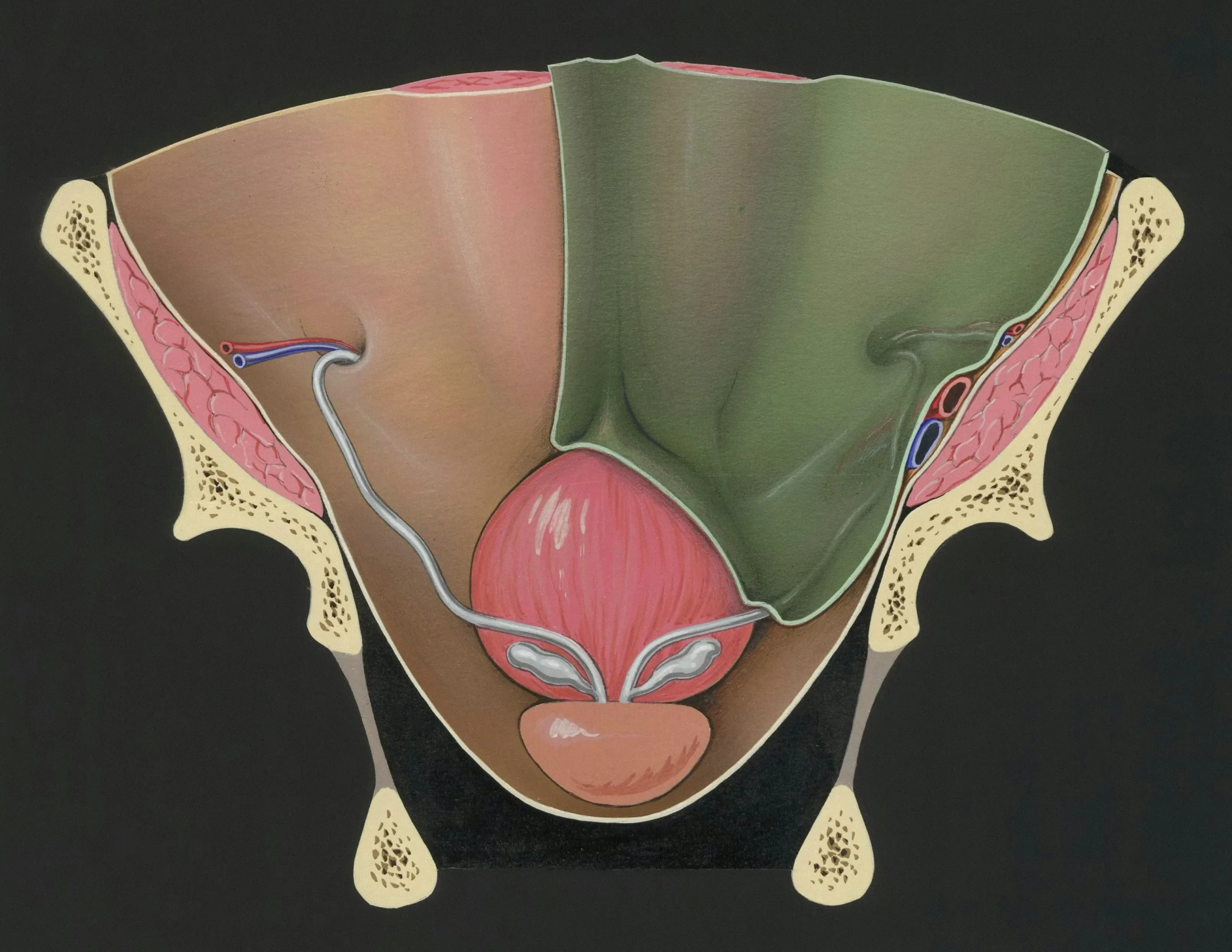
Endometriosis may interfere with fertility in several ways. Chronic inflammation can alter the pelvic environment, while scar tissue and adhesions may affect the normal movement of the ovaries, fallopian tubes, and surrounding reproductive organs.
In some cases, endometriomas, commonly known as ovarian cysts associated with endometriosis, may affect ovarian function. Changes in pelvic anatomy may also interfere with fertilization or embryo implantation.
The degree of fertility impact varies from one patient to another. Some women with mild endometriosis experience infertility, while others with more advanced disease conceive without difficulty.
Pregnancy and Endometriosis
Although endometriosis may make conception more difficult for some women, pregnancy is still possible for many patients with appropriate medical care. Treatment recommendations are based on several factors, including age, symptom severity, disease stage, and individual reproductive goals.
Early consultation with a specialist allows patients to better understand their fertility options while developing a treatment plan that aligns with their future family plans.
The following table summarizes how endometriosis may influence different aspects of reproductive health.
| Area | Potential Impact of Endometriosis |
|---|---|
| Ovaries | May affect ovarian function or lead to endometriomas |
| Fallopian Tubes | Scar tissue may interfere with egg transport |
| Pelvic Anatomy | Adhesions can alter normal reproductive anatomy |
| Fertility | May reduce the likelihood of natural conception in some patients |
| Pregnancy Planning | Early treatment may improve reproductive outcomes for selected patients |
Because every patient’s situation is unique, individualized evaluation remains essential when discussing fertility and pregnancy goals.
Diagnosing Endometriosis: Evaluation and Treatment Options
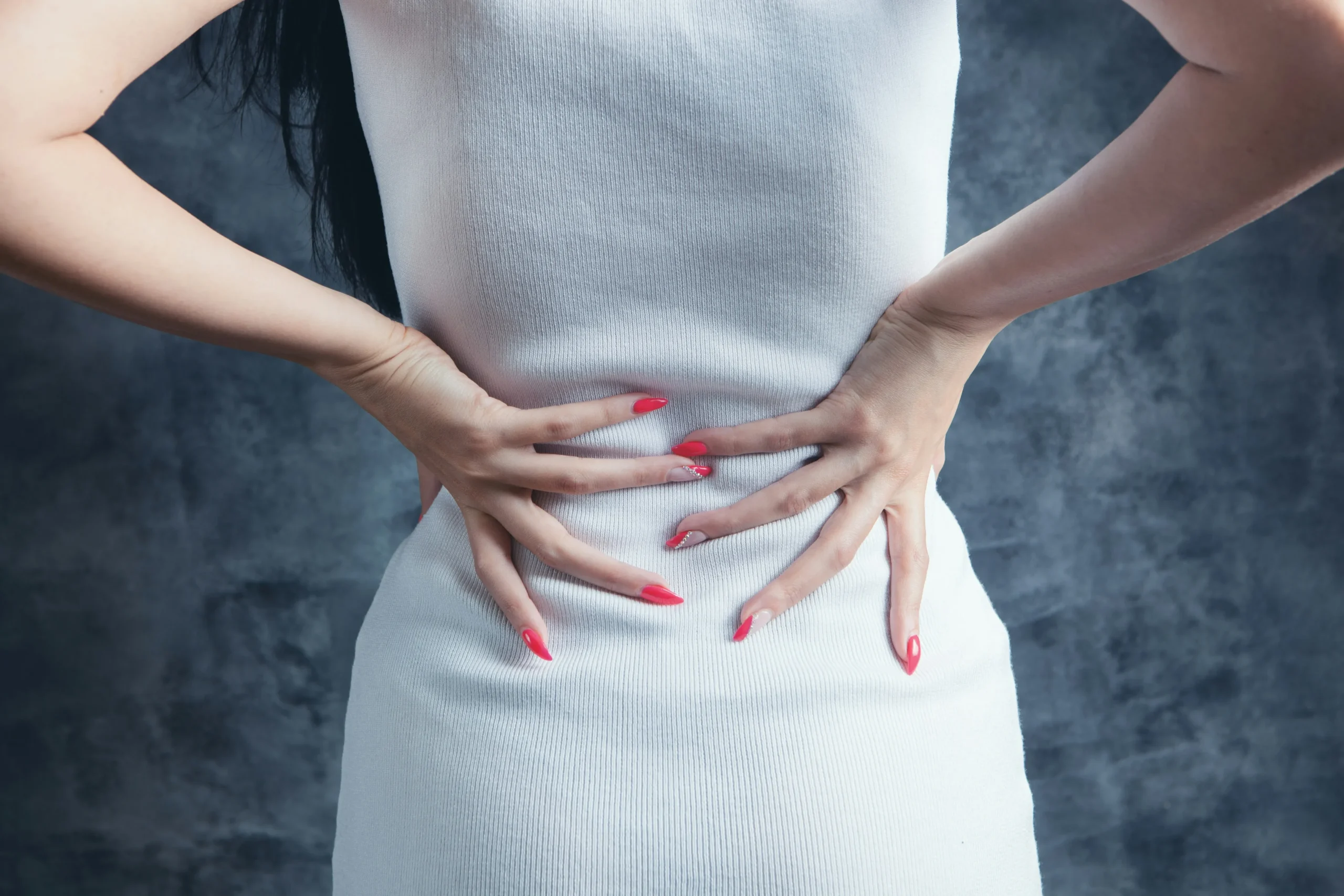
Accurate diagnosis is the foundation of effective treatment. Since symptoms often resemble other gynecological or gastrointestinal conditions, specialists use a combination of clinical evaluation and advanced diagnostic techniques to determine the cause of pelvic pain and fertility concerns.
How Is Endometriosis Diagnosed?
Diagnosis usually begins with a detailed discussion of symptoms, menstrual history, and previous medical conditions. A pelvic examination may identify areas of tenderness or abnormalities that require further evaluation.
Imaging studies such as transvaginal ultrasound and MRI can help identify ovarian cysts and deep endometriosis, although they may not detect every lesion. For many patients, minimally invasive laparoscopy remains the most reliable method for confirming the diagnosis because it allows surgeons to directly examine the pelvic cavity.
Early diagnosis not only shortens the time to treatment but also helps prevent unnecessary disease progression and prolonged discomfort.
Personalized Treatment Options
Treatment is tailored to each patient’s symptoms, fertility goals, age, and overall health. Some women benefit from conservative management designed to reduce pain and inflammation, while others require surgical treatment to remove endometriosis lesions and restore normal pelvic anatomy.
Treatment plans may include hormonal therapies, pain management strategies, pelvic floor rehabilitation, lifestyle modifications, or minimally invasive excision surgery depending on the individual’s needs.
A personalized approach allows healthcare providers to address both symptom relief and long-term reproductive health while helping patients make informed decisions about their care.
Endometriosis Surgery: Minimally Invasive Treatment and Fertility Preservation
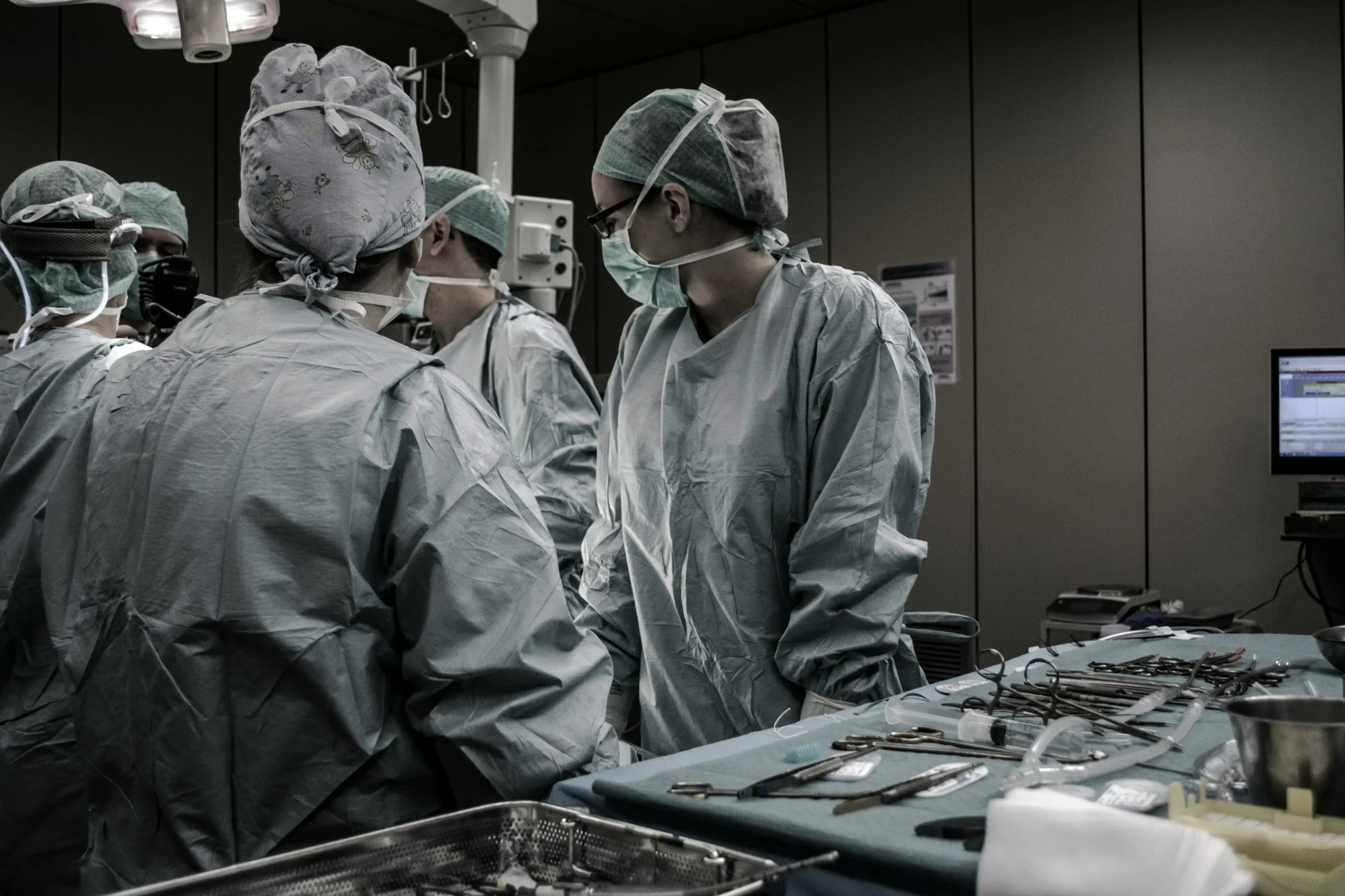
When symptoms persist despite conservative treatment or fertility is affected by endometriosis, surgery may be recommended. Modern surgical techniques are designed to remove endometriosis lesions while preserving as much healthy tissue as possible. The goal is not only to relieve pain but also to improve pelvic function and support future reproductive health.
How Minimally Invasive Surgery Can Improve Outcomes
Laparoscopic excision surgery is widely considered the preferred surgical approach for treating endometriosis. Using small incisions and specialized instruments, surgeons can carefully identify and remove endometriosis lesions while minimizing disruption to surrounding organs.
Compared with traditional open surgery, minimally invasive procedures generally result in less postoperative discomfort, smaller incisions, reduced blood loss, and faster recovery. Patients are often able to resume normal activities sooner while benefiting from a more precise surgical approach.
For women experiencing infertility related to endometriosis, excision surgery may also improve the pelvic environment by removing scar tissue and restoring normal anatomy where appropriate.
Fertility Preservation During Treatment Planning
Every patient’s reproductive goals are different, making fertility preservation an important part of treatment planning. Women who hope to become pregnant in the future should discuss these goals with their specialist before undergoing surgery.
Depending on individual circumstances, fertility preservation strategies may be considered before treatment.
These discussions allow patients to make informed decisions while balancing symptom relief with future family planning goals.
- Reviewing reproductive goals before surgery
- Discussing fertility preservation options when appropriate
- Coordinating care with fertility specialists if needed
- Developing an individualized treatment timeline
Open communication between patients and their healthcare team helps ensure treatment decisions align with both current symptoms and long-term reproductive plans.
Endometriosis Care: The Value of a Personalized, Multidisciplinary Approach

Because endometriosis affects more than the reproductive system, successful treatment often involves multiple healthcare professionals working together. Comprehensive care addresses pain management, fertility, physical recovery, and emotional well-being to improve overall quality of life.
Coordinated Care for Better Long-Term Results
Managing endometriosis often requires expertise from specialists in gynecology, minimally invasive surgery, fertility, pelvic floor rehabilitation, and pain management. Rather than treating symptoms individually, a coordinated care model focuses on the whole patient.
This collaborative approach allows healthcare providers to monitor progress, adjust treatments as symptoms change, and provide ongoing support throughout recovery. Personalized care plans are especially valuable because no two patients experience endometriosis in exactly the same way.
Working with an experienced multidisciplinary team helps ensure patients receive comprehensive care tailored to their individual needs.
Improving Quality of Life Beyond Pain Relief
Although reducing pain is a major treatment goal, improving quality of life extends far beyond symptom control. Many patients seek treatment because endometriosis affects work, relationships, exercise, emotional well-being, and future family planning.
As symptoms improve, patients often regain confidence in daily activities and experience meaningful improvements in both physical and emotional health.
The following table highlights how comprehensive treatment supports long-term well-being.
| Treatment Focus | Potential Benefits |
|---|---|
| Pain Management | Reduced chronic pelvic pain and improved comfort |
| Minimally Invasive Surgery | Removal of endometriosis while preserving healthy tissue |
| Fertility Planning | Individualized reproductive care and counseling |
| Pelvic Rehabilitation | Improved mobility and pelvic function |
| Long-Term Follow-Up | Ongoing symptom monitoring and personalized care |
Addressing multiple aspects of health helps patients achieve better long-term outcomes than focusing on pain relief alone.
Frequently Asked Questions
Can Endometriosis Always Cause Infertility?
No. Many women with endometriosis become pregnant naturally. However, the condition can affect fertility for some patients depending on the location and severity of the disease.
Is Laparoscopic Surgery the Best Treatment for Endometriosis?
Laparoscopic excision surgery is considered one of the most effective treatment options for many patients because it removes endometriosis lesions while preserving healthy surrounding tissue whenever possible.
Can Endometriosis Return After Treatment?
Although treatment can significantly improve symptoms, endometriosis may recur in some patients. Regular follow-up appointments help monitor symptoms and support long-term management.
When Should I See a Specialist for Endometriosis?
Patients experiencing chronic pelvic pain, severe menstrual cramps, pain during intercourse, fertility concerns, or persistent symptoms that interfere with daily life should consider seeking evaluation from a specialist experienced in endometriosis care.
Conclusion
Endometriosis is a complex condition that can affect pelvic health, fertility, and overall quality of life, but early diagnosis and personalized treatment can make a significant difference. Understanding the relationship between endometriosis, chronic pelvic pain, and reproductive health empowers patients to seek appropriate care before symptoms become more severe. With advances in minimally invasive surgery, fertility-focused treatment planning, and multidisciplinary care, many women are able to achieve meaningful symptom relief while protecting their long-term reproductive health.
At the Endometriosis Center of Excellence, our team provides compassionate, individualized care designed to address every aspect of endometriosis, from accurate diagnosis and advanced excision surgery to fertility preservation and long-term symptom management. Schedule a consultation to learn more about personalized treatment options that can help you reduce pain, protect your reproductive health, and improve your quality of life.