A severe pelvic pain flare can interrupt work, sleep, movement, meals, and other basic activities. When pain escalates quickly, it may also be difficult to decide whether to follow an established home-care plan, contact a healthcare provider, or seek emergency treatment.
The term “endometriosis flare” is commonly used to describe a temporary worsening of familiar symptoms. These episodes may involve pelvic cramping, lower back pain, abdominal pressure, painful bowel movements, bladder discomfort, nausea, fatigue, or pain that radiates into the hips or legs. However, severe pelvic pain should not automatically be attributed to endometriosis. Ovarian, gastrointestinal, urinary, infectious, and pregnancy-related conditions can produce similar symptoms and may require urgent evaluation.
At-home strategies can provide temporary comfort when an episode resembles a familiar flare and no warning signs are present. They cannot diagnose the source of severe pain, remove endometriosis lesions, or replace professional treatment when symptoms are new, worsening, or different from the patient’s usual pattern.
First, Decide Whether This Feels Like a Familiar Flare or Something New
Before beginning an at-home pain routine, compare the current episode with previous flares. The intensity of pain matters, but a sudden change in its location, quality, timing, or associated symptoms may be equally important.
Endometriosis commonly causes chronic pelvic pain, painful periods, pain during intercourse, and pain with bowel movements or urination. Even in someone with a confirmed diagnosis, however, a new type of pain should not be dismissed as another endometriosis episode without considering other possible causes.
Compare the Episode With Your Usual Pain Pattern
Consider where the pain is located and how it began. A familiar flare may follow a previously recognized pattern, such as cramping that gradually intensifies around menstruation or pelvic pain that predictably accompanies bowel movements.
Questions that can help clarify the episode include:
-
Is the pain in its usual location?
-
Did it begin gradually or suddenly?
-
Does it feel cramping, aching, burning, stabbing, or pressure-like?
-
Is it one-sided or spread throughout the lower abdomen?
-
Does it resemble previous flares?
-
Is it associated with menstruation, intercourse, urination, or bowel movements?
-
Are the usual comfort measures providing any relief?
-
Are there symptoms that have not occurred during previous flares?
A numerical pain score cannot determine the cause by itself. Pain that is less intense but distinctly different from the usual pattern may still need medical evaluation.
Know the Signs That Require Emergency Evaluation
Seek emergency care for sudden or severe pelvic or abdominal pain accompanied by symptoms such as fainting, confusion, uncontrolled bleeding, persistent vomiting, significant weakness, or rapidly worsening pain. Severe pain anywhere in the body, heavy bleeding, fainting, and vomiting that does not stop are recognized reasons to seek emergency assistance.
Other warning signs include:
-
Fever or chills with pelvic pain
-
Sudden sharp or one-sided pain
-
Heavy vaginal bleeding
-
Fainting or near-fainting
-
Severe dizziness or weakness
-
Persistent nausea or vomiting
-
A rigid, severely swollen, or very tender abdomen
-
Difficulty breathing
-
Confusion or difficulty remaining alert
-
Pain that is escalating rapidly
-
Pain that feels substantially different from previous flares
Call 911 or seek emergency care when symptoms are severe enough that it is unsafe to travel without medical assistance.
Take Pregnancy Possibility Seriously
When pregnancy is possible, pelvic or abdominal pain requires additional caution. Ectopic pregnancy may cause lower abdominal pain and vaginal bleeding. Shoulder-tip pain, dizziness, fainting, or collapse can indicate that the condition is becoming more serious.
Seek urgent evaluation when pelvic pain occurs with:
-
A positive pregnancy test or possible pregnancy
-
Vaginal bleeding
-
One-sided abdominal or pelvic pain
-
Shoulder-tip pain
-
Severe lightheadedness
-
Fainting or collapse
Do not wait for symptoms to become unbearable before seeking care. An ectopic pregnancy cannot be diagnosed or excluded through symptoms alone.
Do Not Assume Every Severe Episode Is Endometriosis
Acute pelvic pain may have gynecologic, gastrointestinal, urinary, or infectious causes. Conditions such as ovarian cyst complications, ovarian torsion, appendicitis, kidney stones, pelvic infection, and bowel disorders can overlap with endometriosis symptoms.
Fever, unusual vaginal discharge, painful urination, nausea, vomiting, or a sudden change in pelvic pain may indicate that another condition needs to be evaluated. Pelvic inflammatory disease, for example, can cause pelvic or lower abdominal pain, fever, unusual discharge, urinary discomfort, and abnormal bleeding.
The purpose of recognizing these possibilities is not to self-diagnose. It is to avoid assuming that every severe episode is safe to manage at home.
Follow a Simple First-Hour Flare Response

When the pain resembles a familiar flare and no urgent warning signs are present, focus on reducing discomfort, using medications safely, and observing whether symptoms begin to settle.
There is no universal method that stops an endometriosis flare immediately. A practical first-hour response should be based on measures that the patient already tolerates and, where medication is involved, a plan reviewed with a healthcare provider.
Pause Activity and Move to a Supported Position
Stop strenuous activity and move to a stable, comfortable setting. Continuing to work, exercise, drive, or complete household tasks through severe pain may increase muscle tension and make it harder to assess whether symptoms are changing.
Supported positions may include:
-
Lying on one side with a pillow between the knees
-
Reclining with the knees bent and supported
-
Lying on the back with a pillow beneath the knees
-
Sitting with the back, hips, and feet supported
-
Holding a pillow gently against the lower abdomen if light pressure feels comforting
No single position works for everyone. Change positions slowly and avoid movements that cause a sharp increase in pain, dizziness, or nausea.
Apply Heat for Temporary Comfort
A heating pad, warm bath, hot-water bottle, or reusable heat wrap may help ease cramping and muscular discomfort. Heat is commonly recommended as a home-care option for menstrual cramps, although it does not treat endometriosis lesions or identify the underlying source of an acute pain episode.
Use heat safely:
-
Follow the manufacturer’s instructions.
-
Place a protective layer between the heat source and the skin.
-
Avoid temperatures that cause burning, numbness, or irritation.
-
Check the skin regularly.
-
Do not fall asleep with a heating device unless it is specifically designed for that use.
-
Stop if heat worsens pain or causes discomfort.
Heat should not delay medical evaluation when pain is sudden, unexplained, or accompanied by warning signs.
Use Only a Clinician-Approved Medication Plan
Acetaminophen and nonsteroidal anti-inflammatory drugs, or NSAIDs, may be considered for endometriosis-related pain when medically appropriate. Clinical guidance recommends discussing the benefits and risks of pain medication while accounting for other health conditions and individual preferences. Further assessment is appropriate when first-line medication does not provide adequate relief.
Follow the instructions provided by the treating clinician and the product label. Do not use a dose based on someone else’s prescription, online advice, or a previous treatment plan that is no longer current.
Medication decisions may be affected by:
-
Kidney, liver, stomach, or cardiovascular conditions
-
A history of ulcers or gastrointestinal bleeding
-
Bleeding disorders
-
Pregnancy or possible pregnancy
-
Allergies
-
Other prescription and over-the-counter medications
-
The duration and frequency of pain-reliever use
Contact a clinician or pharmacist when there is uncertainty about whether a product is appropriate.
Avoid Accidental Medication Stacking
Many combination cold, flu, sleep, migraine, and prescription medications contain acetaminophen or another pain-relieving ingredient. Taking more than one product with the same active ingredient can lead to an accidental overdose.
The FDA advises reading every medication label, following dosing directions, and avoiding the use of more than one acetaminophen-containing product at the same time unless directed by a healthcare professional.
Before combining medications:
-
Check the active ingredients.
-
Confirm when the previous dose was taken.
-
Follow the maximum use stated on the label or by the clinician.
-
Avoid taking additional medication simply because relief is not immediate.
-
Ask a pharmacist when product ingredients or interactions are unclear.
If an excessive dose may have been taken, contact Poison Control or seek emergency guidance immediately rather than waiting for symptoms.
Reduce Muscle Guarding Without Forcing Movement
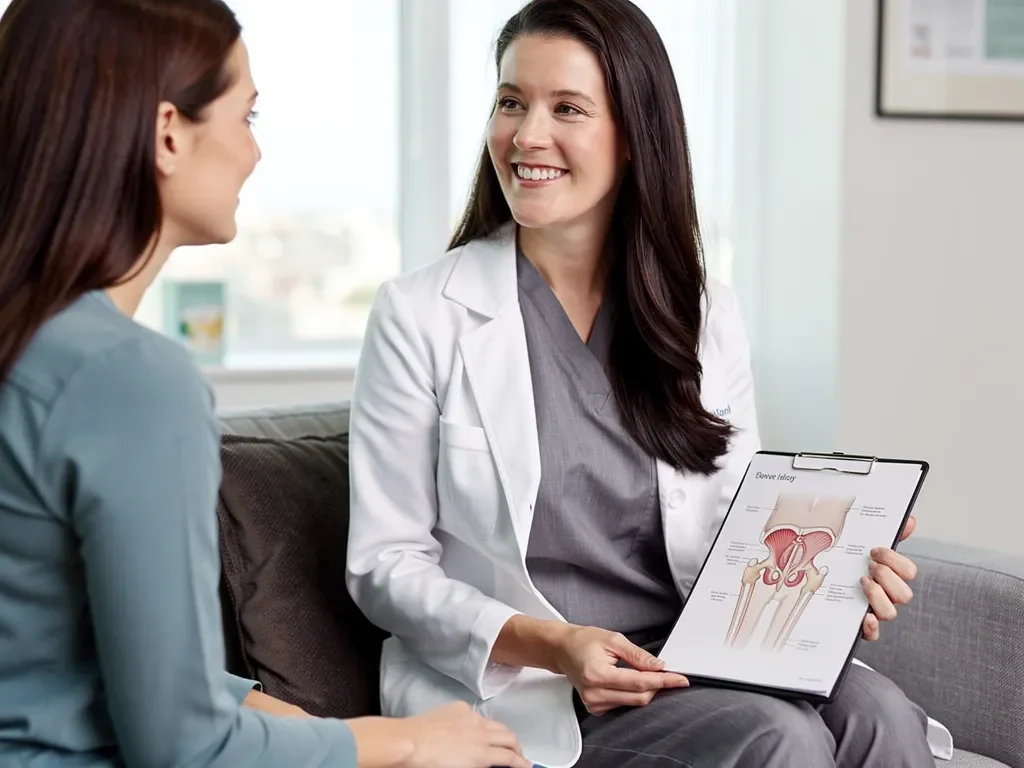
Severe pain can cause the abdominal, hip, back, and pelvic floor muscles to tighten protectively. This response, often called muscle guarding, may add muscular discomfort to pain originating elsewhere in the pelvis.
Gentle relaxation may help some patients feel more comfortable, but an acute flare is not the time to force the body through an exercise routine. Movement should remain optional, slow, and guided by symptoms.
Use Slow Breathing to Reduce Protective Tension
Pain can lead to shallow breathing and tightening through the jaw, shoulders, abdomen, buttocks, and inner thighs. Slow, comfortable breathing may help reduce this protective tension.
Try the following:
-
Settle into a supported position.
-
Allow the shoulders and jaw to soften.
-
Inhale gently without forcing the abdomen outward.
-
Use a slow, relaxed exhalation.
-
Notice whether the pelvic, abdominal, and hip muscles can release slightly.
-
Continue only while the technique feels comfortable.
Breathing exercises are coping and relaxation tools. They do not remove lesions, control disease progression, or replace treatment.
Stop if deep breathing increases dizziness, nausea, shortness of breath, or pain.
Try Small Position Changes Rather Than a Full Exercise Routine
Remaining in one position for an extended period may increase stiffness for some patients. When tolerated, consider a small position change, standing briefly with support, or walking a short distance indoors.
The goal is not to “push through” the flare. It is simply to determine whether gentle movement reduces stiffness or makes positioning more comfortable.
Return to rest if movement causes:
-
Sharper pain
-
Increasing pelvic pressure
-
Dizziness
-
Weakness
-
Heavy bleeding
-
Nausea
-
Difficulty remaining upright
There is not enough evidence to recommend one exercise program as a universal treatment for endometriosis pain, so movement should be individualized rather than presented as a guaranteed way to stop a flare.
Avoid Aggressive Pelvic Stretching During Acute Pain
Deep stretches, forceful yoga positions, abdominal exercises, intense foam rolling, or strong self-massage may aggravate a sensitized pelvis.
Avoid movements that:
-
Pull strongly across the lower abdomen
-
Create sharp pelvic pain
-
Increase pressure during a heavy-bleeding episode
-
Require prolonged breath-holding
-
Cause straining through the pelvic floor
-
Have not been recommended for the individual patient
Patients who have received home exercises from a pelvic floor physical therapist should follow those individualized instructions. A generic online routine cannot account for muscle tension, weakness, surgical history, joint mobility, or the location of pain.
Recognize Possible Pelvic Floor Involvement
The pelvic floor supports the bladder, bowel, and reproductive organs and contributes to urination, bowel movements, and sexual function. Pelvic floor dysfunction can coexist with endometriosis and contribute to pain during intercourse, bowel difficulty, urinary symptoms, and persistent pelvic discomfort.
Possible signs of pelvic floor involvement include:
-
Pelvic spasms
-
Pain with penetration
-
Difficulty starting or completing a bowel movement
-
A sensation of incomplete bladder emptying
-
Pain that increases with sitting
-
Hip, groin, tailbone, or lower back tension
-
Pain that continues between menstrual periods
These symptoms require assessment rather than aggressive strengthening. A pelvic floor that is already overactive or tense may not benefit from unsupervised Kegel exercises.
Manage Bowel, Bladder, and Nausea Symptoms Carefully

Pelvic pain flares may occur alongside bloating, constipation, diarrhea, urinary urgency, nausea, or pain with bowel movements. These symptoms can be part of an established pattern, but they can also indicate another condition when they are new, severe, or rapidly changing.
During the flare, focus on maintaining comfort and monitoring symptoms rather than beginning a new restrictive diet or self-treating an undiagnosed gastrointestinal or urinary problem.
Take Small Amounts of Fluid as Tolerated
When nausea is present, small, regular sips may be easier to tolerate than drinking a large amount at once. Choose a familiar beverage and avoid forcing fluids if doing so repeatedly triggers vomiting.
Hydration can support general comfort and help prevent dehydration. It should not be presented as a treatment for endometriosis-related inflammation.
Seek medical guidance when:
-
Vomiting does not stop
-
Fluids cannot be kept down
-
Urination becomes infrequent
-
Severe weakness or dizziness develops
-
The mouth remains very dry
-
Symptoms of dehydration are worsening
Persistent vomiting combined with severe pelvic or abdominal pain warrants urgent assessment.
Avoid Making Major Dietary Changes Mid-Flare
If eating is tolerable, choose simple, familiar foods that have not previously caused problems. A severe pain episode is not the appropriate time to begin a gluten-free, dairy-free, low-FODMAP, anti-inflammatory, or other restrictive diet.
Starting several restrictions during a flare can:
-
Make it difficult to identify which change affected symptoms
-
Reduce overall food intake
-
Increase anxiety around eating
-
Create nutritional gaps
-
Distract from warning signs that need medical attention
Possible food triggers should be evaluated later through structured symptom tracking, ideally with guidance from a registered dietitian when several foods or food groups are involved.
Monitor Bowel Symptoms That Are Different From Usual
Contact a healthcare professional promptly for new or worsening bowel symptoms such as:
-
Persistent vomiting
-
Severe abdominal swelling
-
Inability to pass stool or gas
-
Blood in the stool
-
New rectal bleeding
-
Severe pain during bowel movements
-
A sudden and substantial change in bowel habits
-
Abdominal pain that becomes increasingly localized or intense
Do not assume these symptoms are caused by endometriosis. Bowel-related pain may involve endometriosis, constipation, pelvic floor dysfunction, gastrointestinal disease, or another acute condition.
Pay Attention to Urinary Changes
Endometriosis can be associated with pain during urination, particularly when the bladder or nearby tissues are affected. However, urinary symptoms can also arise from an infection, kidney stone, pelvic floor dysfunction, or another urinary condition.
Seek medical assessment for:
-
Difficulty urinating
-
Inability to empty the bladder
-
Visible blood in the urine
-
Burning during urination
-
Fever or chills
-
New pain in the side or back
-
Rapidly worsening bladder pain
-
Urinary symptoms that are different from the usual pattern
A clinician may need to evaluate whether these symptoms are related to endometriosis or a separate condition.
Know What Not to Do During a Severe Flare
Severe pain can create pressure to try several remedies at once. However, combining medications, starting multiple supplements, or forcing strenuous movement may create additional risks without addressing the cause of the episode.
A safe flare plan should include clear limits as well as comfort measures.
Do Not Keep Increasing Over-the-Counter Medication
Pain that does not improve after the approved medication dose is not a reason to keep increasing the amount. Excessive or prolonged medication use can cause serious adverse effects.
Instead:
-
Confirm which product and dose were taken.
-
Check the time of the last dose.
-
Review the active ingredients.
-
Follow the label or prescribed maximum.
-
Contact a clinician, pharmacist, or urgent-care service when relief is inadequate.
-
Seek emergency care when severe symptoms or warning signs are present.
When pain medication repeatedly fails, the long-term treatment plan needs review. More medication is not necessarily the appropriate solution.
Do Not Begin Several Supplements or Herbal Remedies
Turmeric, ginger, chamomile, peppermint, cramp bark, and other herbal products are frequently promoted online for pelvic pain. Although some patients use complementary therapies, the evidence is not strong enough to present a particular herb or supplement as a reliable treatment for an acute endometriosis flare.
Herbal products may also:
-
Interact with prescription medication
-
Affect bleeding
-
Cause allergic reactions
-
Aggravate gastrointestinal symptoms
-
Vary in strength and purity
-
Be inappropriate during pregnancy or before surgery
ESHRE notes that the potential benefits and harms of specific nonmedical interventions for endometriosis pain remain unclear. These interventions include nutrition, herbal medicine, acupuncture, exercise, electrotherapy, and psychological approaches.
Discuss supplements with a healthcare professional rather than adding several products during a severe episode.
Do Not Force Exercise Through Severe Pain
Some patients find light movement helpful, while others need rest during a flare. Neither response represents failure.
Do not force a workout when pain is accompanied by:
-
Heavy bleeding
-
Weakness or instability
-
Dizziness
-
Nausea or vomiting
-
Fever
-
Sudden one-sided pain
-
Difficulty standing or walking
-
A significant change from the usual pattern
Movement should support comfort, not become another task the patient feels required to complete.
Do Not Dismiss a Changed Pain Pattern
Living with endometriosis may make severe pain feel familiar, but a history of pelvic pain does not rule out a new medical problem.
Pause the usual home routine and seek guidance when:
-
Pain begins suddenly
-
The location has changed
-
Pain is strongly one-sided
-
The episode is much more intense than usual
-
A fever develops
-
Bleeding is unusually heavy
-
Fainting, severe dizziness, or persistent vomiting occurs
-
Pregnancy is possible
-
The pain continues to escalate despite the established plan
The safest approach is to respond to the current symptoms rather than relying only on the existing diagnosis.
Record the Episode After the Pain Begins to Settle
A brief flare record can help the patient and care team evaluate whether episodes are becoming more frequent, whether medication remains effective, and whether bowel, bladder, pelvic floor, or other contributors require investigation.
The record does not need to capture every detail. Focus on information that may influence clinical decisions.
Document the Pain Pattern
Record:
-
When the pain began
-
How long it lasted
-
Where it was located
-
Whether it spread to the back, hips, legs, rectum, or bladder
-
Whether it felt cramping, aching, burning, stabbing, or pressure-like
-
Whether the onset was sudden or gradual
-
Where the episode occurred within the menstrual cycle
-
Whether it resembled previous flares
Note any activity that occurred before the pain began, but avoid assuming that one activity caused the episode without a repeatable pattern.
Record Associated Symptoms
Include symptoms such as:
-
Vaginal bleeding
-
Nausea or vomiting
-
Bloating
-
Constipation or diarrhea
-
Pain during bowel movements
-
Urinary urgency or pain
-
Dizziness or faintness
-
Fever, if measured
-
Pain with movement
-
New vaginal or urinary symptoms
Associated symptoms can help distinguish a familiar cyclical pattern from an episode that requires additional evaluation.
Document What Was Used and Whether It Helped
Write down:
-
The medication taken
-
The time it was taken
-
Whether heat was used
-
Which resting positions were helpful
-
Whether a prescribed pelvic floor technique was used
-
How long it took for symptoms to change
-
Whether any side effects occurred
This information helps the clinician determine whether the current home plan is effective and safe.
Measure Functional Impact
A pain score is useful, but it does not fully show how an episode affects daily life. Document whether the flare prevented:
-
Walking
-
Sleeping
-
Eating or drinking
-
Working
-
Attending school
-
Driving
-
Caring for children
-
Using the bathroom normally
-
Completing basic personal care
Repeated loss of normal function is a strong reason to reassess treatment, even when pain eventually settles at home.
Prepare a Personalized Flare Plan Before the Next Episode
Planning is more difficult when severe pain is already affecting concentration and movement. A written plan created with the treating clinician can reduce uncertainty and help the patient or a support person respond more safely.
The plan should be individualized for the patient’s diagnoses, medication history, previous reactions, and access to care.
Create Written Medication Instructions
A medication plan should clarify:
-
Which medication may be used
-
When it should be taken
-
Whether it may be combined with another product
-
Which products should not be combined
-
The maximum permitted use
-
Relevant medical contraindications
-
When inadequate relief should prompt a phone call
-
When symptoms require urgent or emergency care
Keep the instructions accessible and update them when prescriptions or medical conditions change.
Assemble a Practical Flare Kit
A basic flare kit may contain:
-
Clinician-approved medication
-
A reusable heat pack
-
Menstrual products
-
Comfortable clothing
-
A water bottle
-
Familiar snacks
-
A current medication list
-
Insurance and identification information
-
Clinician contact details
-
Emergency contact information
-
A phone charger
The purpose is not to purchase specialized products. It is to keep essential items accessible when movement and concentration are limited.
Plan for Transportation and Support
Severe pain may make it unsafe to drive. Identify in advance:
-
A trusted person who can assist
-
Transportation to urgent or emergency care
-
Childcare or dependent-care arrangements
-
Work or school contacts
-
The nearest appropriate healthcare facility
-
A person who knows the current medication list and medical history
When symptoms suggest a medical emergency, call 911 rather than relying on self-transportation.
Define Clear Escalation Instructions
A personalized plan should distinguish among:
-
Familiar symptoms that can be monitored at home
-
Symptoms requiring a same-day call to the clinician
-
Symptoms requiring urgent evaluation
-
Symptoms requiring emergency services
Avoid relying on a universal rule such as waiting a fixed number of hours. The appropriate response depends on the symptom pattern, severity, associated warning signs, pregnancy possibility, and the individual’s medical history.
Recurrent Severe Flares Mean the Long-Term Treatment Plan Needs Review
Home-care measures are intended to provide temporary support. They should not make recurrent, disabling pain an acceptable long-term baseline.
When flares repeatedly interrupt work, sleep, mobility, relationships, or basic self-care, the patient’s diagnosis and treatment strategy should be reassessed.
Recognize Signs of Inadequate Symptom Control
Schedule a treatment review when:
-
Flares are becoming more frequent
-
Pain is becoming more severe
-
Over-the-counter medication is no longer sufficient
-
Pain causes repeated absences from work or school
-
Sleep is regularly interrupted
-
Pain occurs throughout the month
-
Intercourse-related pain is worsening
-
Bowel or bladder symptoms are increasing
-
Symptoms persist despite hormonal treatment
-
Urgent-care or emergency visits are becoming more frequent
-
The current plan causes unacceptable medication side effects
Clinical guidance recommends considering other pain-management options and further assessment when an initial trial of acetaminophen or NSAIDs does not provide adequate relief.
Evaluate Overlapping Sources of Pelvic Pain
Persistent pelvic pain may involve several contributors rather than one source. Possible factors include:
-
Endometriosis lesions
-
Adhesions or scar tissue
-
Pelvic floor dysfunction
-
Myofascial pain
-
Bowel or bladder involvement
-
Adenomyosis
-
Gastrointestinal or urinary conditions
-
Changes in how the nervous system processes persistent pain
Chronic pelvic pain is complex and often benefits from multidisciplinary assessment. ACOG guidance recognizes the importance of identifying appropriate multidisciplinary team members or arranging referrals as part of chronic pelvic pain care.
Review Medical and Hormonal Options
Clinician-directed treatment may include hormonal therapy, prescription pain management, pelvic floor physical therapy, or other interventions based on:
-
Symptom pattern
-
Other health conditions
-
Medication contraindications
-
Previous treatment response
-
Fertility goals
-
Patient preferences
-
Suspected location or extent of disease
Hormonal treatment may help manage endometriosis-associated pain, but the appropriate option varies. Treatment decisions should be individualized rather than based on a single online recommendation.
Understand Where Specialist Evaluation and Surgery May Fit
Minimally invasive excision surgery may be considered when pain significantly affects daily function, medical management has been inadequate, deep disease or an endometrioma is suspected, or surgery otherwise aligns with the patient’s clinical needs and goals.
Excision surgery aims to identify and remove visible endometriosis lesions. It is not an emergency home treatment, and it should not be presented as a guaranteed cure for every source of pelvic pain.
The Endometriosis Center of Excellence emphasizes personalized, multidisciplinary treatment addressing pelvic pain, bowel and bladder health, fertility concerns, and emotional well-being. Its treatment approach includes specialized evaluation and endometriosis excision surgery when appropriate.
What to Bring to an Endometriosis Consultation
A focused set of records can make a consultation more productive. Bring:
-
A concise flare log
-
A current medication and supplement list
-
Previous imaging reports
-
Prior operative and pathology reports
-
Information about hormonal treatments
-
Details about bowel and bladder symptoms
-
Previous physical therapy records
-
Information about medication benefits and side effects
-
Examples of how pain affects normal activities
-
Fertility goals when relevant
-
Questions about available treatment options
The purpose is to help the specialist understand the full pattern rather than evaluate one isolated painful day.
Frequently Asked Questions
How Do I Know Whether Severe Pelvic Pain Is an Endometriosis Flare?
A familiar, cyclical pattern may suggest that the episode is related to endometriosis, but symptoms alone cannot confirm the cause.
Compare the episode with previous flares. New, sudden, one-sided, rapidly escalating, or otherwise unusual pain should be medically assessed, particularly when it occurs with fever, heavy bleeding, vomiting, fainting, urinary changes, or possible pregnancy.
When Should I Go to the Emergency Room for Pelvic Pain?
Seek emergency care for sudden or severe pelvic pain accompanied by heavy bleeding, fainting, marked dizziness, persistent vomiting, confusion, significant weakness, or other signs of serious illness. Sudden severe pain, heavy bleeding, fainting, and uncontrolled vomiting are recognized reasons to seek emergency assistance.
When pregnancy is possible, urgent warning signs also include vaginal bleeding, one-sided abdominal pain, shoulder-tip pain, dizziness, or collapse.
Can I Use Ibuprofen or Naproxen for Every Flare?
NSAIDs may be appropriate for some patients, but they are not safe for everyone. Medical conditions, medication interactions, pregnancy, bleeding risks, and the duration of use can affect whether an NSAID is suitable.
Follow the product label and the treating clinician’s instructions. Do not increase the dose or combine products without professional guidance. When medication repeatedly fails to provide adequate relief, arrange a treatment review.
Does Heat Treat Endometriosis?
Heat may provide temporary relief from cramping or muscular discomfort. It does not remove endometriosis lesions, prevent disease progression, or determine why an acute pain episode is occurring.
Use heat as a comfort measure only when the pain resembles a familiar flare and no urgent warning signs are present.
Should I Exercise During a Severe Flare?
Gentle position changes or a short period of light movement may feel helpful for some patients. Others may need rest.
Do not force exercise through severe pain, heavy bleeding, dizziness, weakness, nausea, fever, or difficulty standing. Patients with a pelvic floor physical therapy plan should follow their individualized instructions.
Can Food or Supplements Stop an Active Flare?
No specific food or supplement has been established as a reliable way to stop an acute endometriosis flare.
Simple, familiar foods may be easier to tolerate when nausea or digestive discomfort is present. However, a severe flare is not the time to begin several dietary restrictions or supplements. Food-trigger evaluation should be completed separately and systematically when symptoms are stable.
How Long Should an Endometriosis Flare Last?
There is no universal duration that establishes whether an episode is normal or safe. Flare patterns vary, and the length of the episode does not matter more than its severity, associated symptoms, response to the established plan, and effect on basic function.
Contact a healthcare provider when pain continues to intensify, does not respond to the approved plan, prevents eating or drinking, or disrupts normal activities. Seek urgent care for warning signs rather than waiting for a particular amount of time to pass.
What Should I Do if My Home Pain Plan No Longer Works?
Contact the treating clinician or an endometriosis specialist for reassessment.
The review may include:
-
Confirming the diagnosis
-
Updating the medication plan
-
Reviewing hormonal options
-
Evaluating bowel or bladder symptoms
-
Assessing pelvic floor dysfunction
-
Reviewing previous surgery or imaging
-
Considering whether additional medical or surgical treatment is appropriate
Repeated failure of the home plan is a reason to change the broader treatment strategy, not simply tolerate more pain.
Conclusion
Managing a severe endometriosis pelvic pain flare safely begins with determining whether the episode resembles a familiar pattern or includes symptoms that require urgent evaluation. Supported positioning, heat, and clinician-approved medication may provide temporary comfort when no warning signs are present.
However, sudden or distinctly different pain, heavy bleeding, fever, persistent vomiting, fainting, severe dizziness, or pregnancy-related warning signs should not be managed as a routine flare. These symptoms require prompt medical attention.
Frequent disabling episodes also deserve more than repeated at-home management. They may indicate that medication needs to be adjusted, overlapping pelvic floor or bowel and bladder symptoms need to be evaluated, or specialized endometriosis treatment should be considered.
The Endometriosis Center of Excellence provides individualized, multidisciplinary care for endometriosis and complex pelvic pain. Dr. Rachael Haverland and her team evaluate the full symptom pattern, including pelvic pain, bowel and bladder health, pelvic floor dysfunction, previous treatment, and fertility goals, to determine which medical, rehabilitative, or surgical options may be appropriate.