
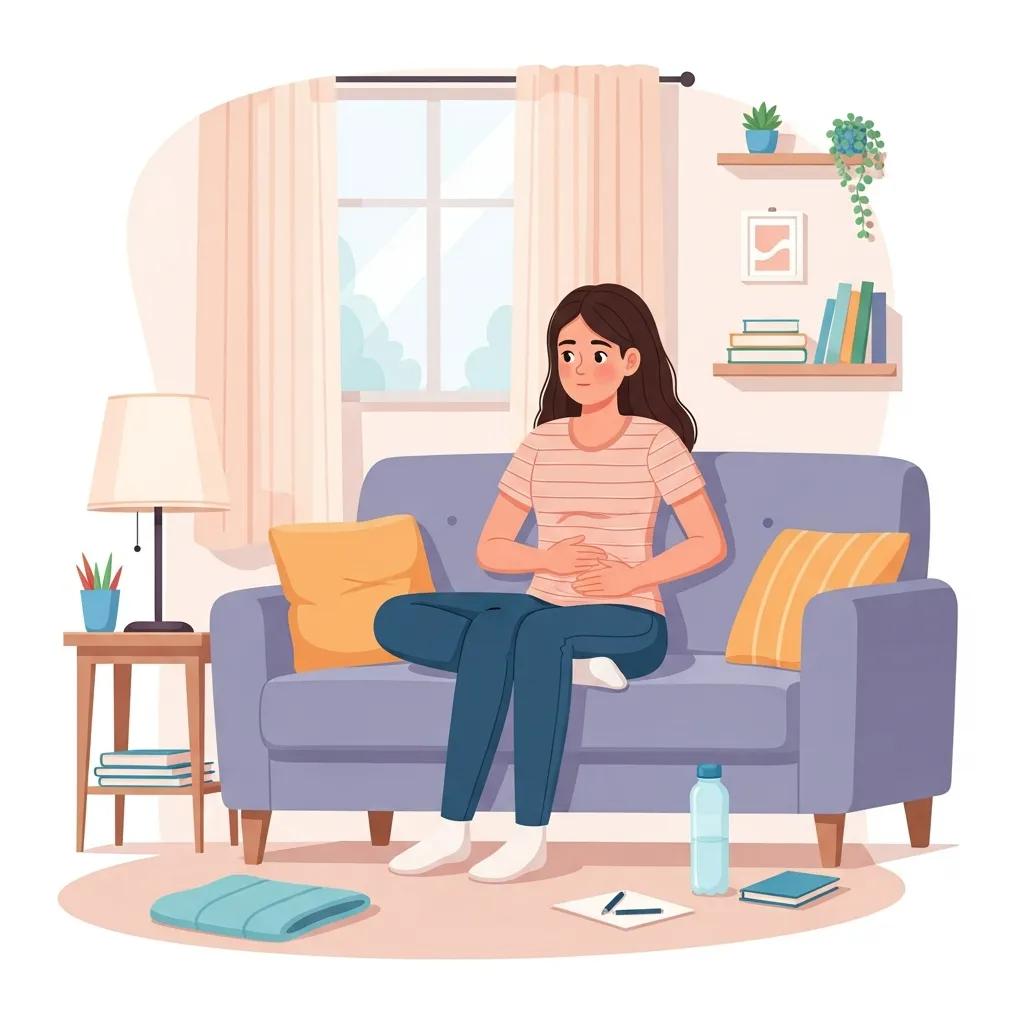
Pelvic pain in teens is not always a normal part of growing up or menstruation. When pain is persistent, severe, or affects daily activities such as school, sleep, or social life, it often indicates an underlying condition that requires proper evaluation and management. One of the most common causes in adolescents is endometriosis, although other gynecological, gastrointestinal, or musculoskeletal conditions may also be involved.
Effective management begins with understanding the cause of the pain and using a structured, evidence-based approach to treatment. In clinical practice, this often includes a combination of medical therapies, physical rehabilitation, and supportive lifestyle strategies rather than relying on a single intervention. Early recognition and appropriate care can significantly improve long-term outcomes and quality of life.
This guide outlines how pelvic pain is evaluated, the most effective treatment options available, and practical strategies teens and families can use to manage symptoms and improve daily functioning.
Understanding Pelvic Pain in Teens
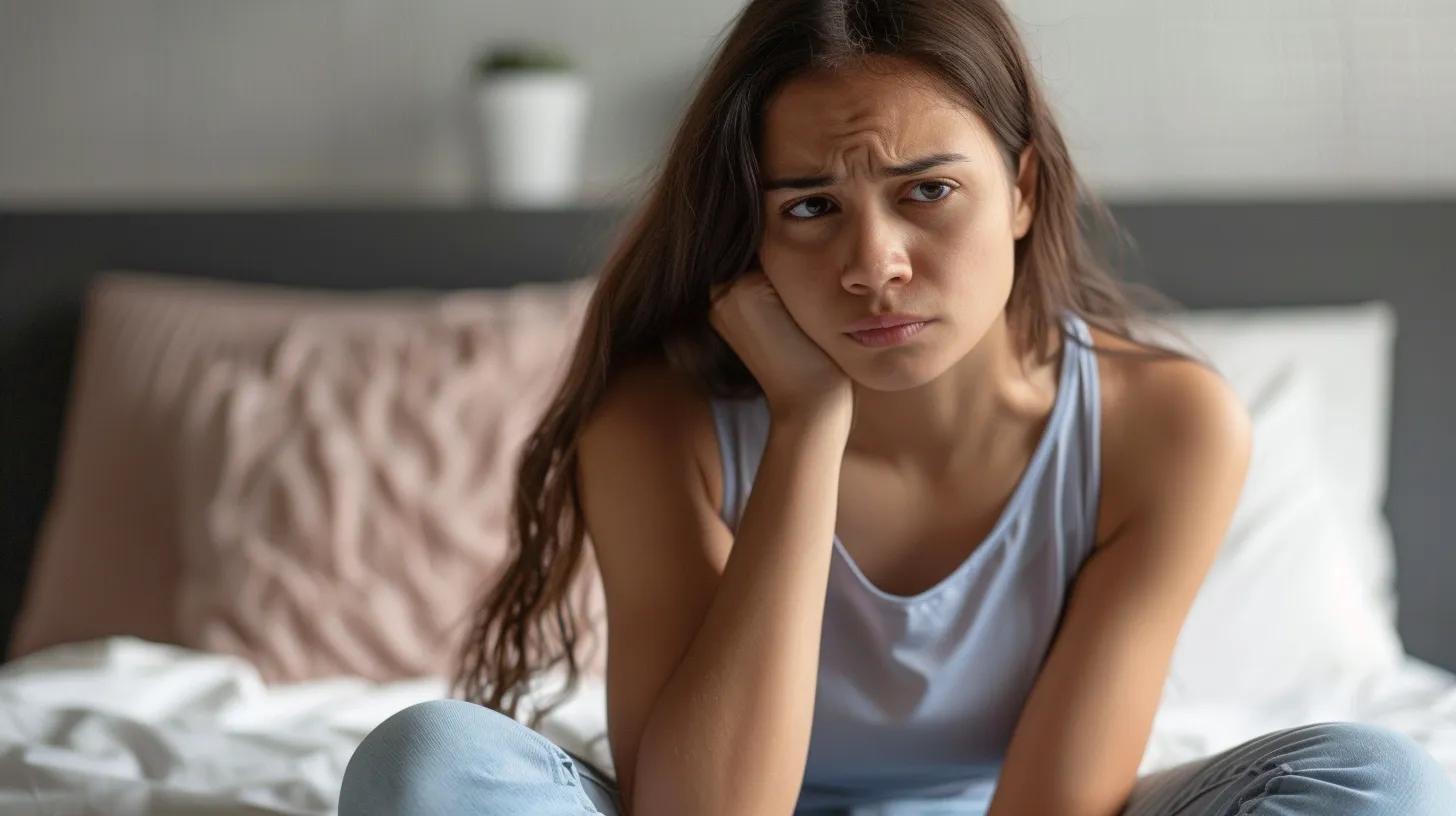
Pelvic pain in adolescents can present in different ways, ranging from mild discomfort during menstruation to persistent or severe pain that interferes with daily life. Understanding how this pain presents and what may be causing it is an important first step in effective management. In many cases, pelvic pain is multifactorial, meaning more than one factor may be contributing to symptoms.
What Pelvic Pain Is and How It Presents
Pelvic pain refers to discomfort in the lower abdomen or pelvic region. In teens, it may occur cyclically with menstruation or persist throughout the month. Symptoms can include cramping, sharp or dull pain, lower back discomfort, and sometimes associated symptoms such as nausea or fatigue. The pattern, intensity, and timing of pain provide important clues for diagnosis.
Common Causes of Pelvic Pain in Adolescents
Several conditions can contribute to pelvic pain in teens. Common causes include endometriosis, ovarian cysts, pelvic inflammatory conditions, and functional pain disorders. Non-gynecological causes such as irritable bowel syndrome or urinary tract issues may also play a role. Identifying the underlying cause is essential for choosing the most effective treatment approach.
Why Endometriosis Is a Key Consideration
Endometriosis is one of the most important conditions to consider when pelvic pain is persistent or severe. It occurs when tissue similar to the lining of the uterus grows outside the uterus, leading to inflammation and pain. In adolescents, symptoms are sometimes overlooked or misattributed to normal menstrual discomfort, which can delay diagnosis and treatment.
When Pelvic Pain Needs Medical Evaluation
While some mild menstrual discomfort can be normal, certain patterns of pelvic pain require medical attention. Recognizing when pain goes beyond typical symptoms helps ensure timely diagnosis and appropriate care.
Signs That Pain Is Not Normal
Pain that is severe, worsening over time, or interfering with daily activities such as attending school or participating in normal routines is not considered typical. Pain that does not respond to standard over-the-counter medications or continues outside of menstrual periods also warrants evaluation.
Red Flags That Require Urgent Care
Certain symptoms require prompt medical attention. These include sudden, intense pain, fever, vomiting, or signs of infection. These symptoms may indicate conditions that need immediate evaluation and treatment.
Importance of Early Diagnosis
Early diagnosis allows for more effective management and may prevent progression of underlying conditions such as endometriosis. Timely evaluation also helps reduce long-term complications, improve symptom control, and support better quality of life for adolescents.
How Is Pelvic Pain Diagnosed in Teens with Suspected Endometriosis?
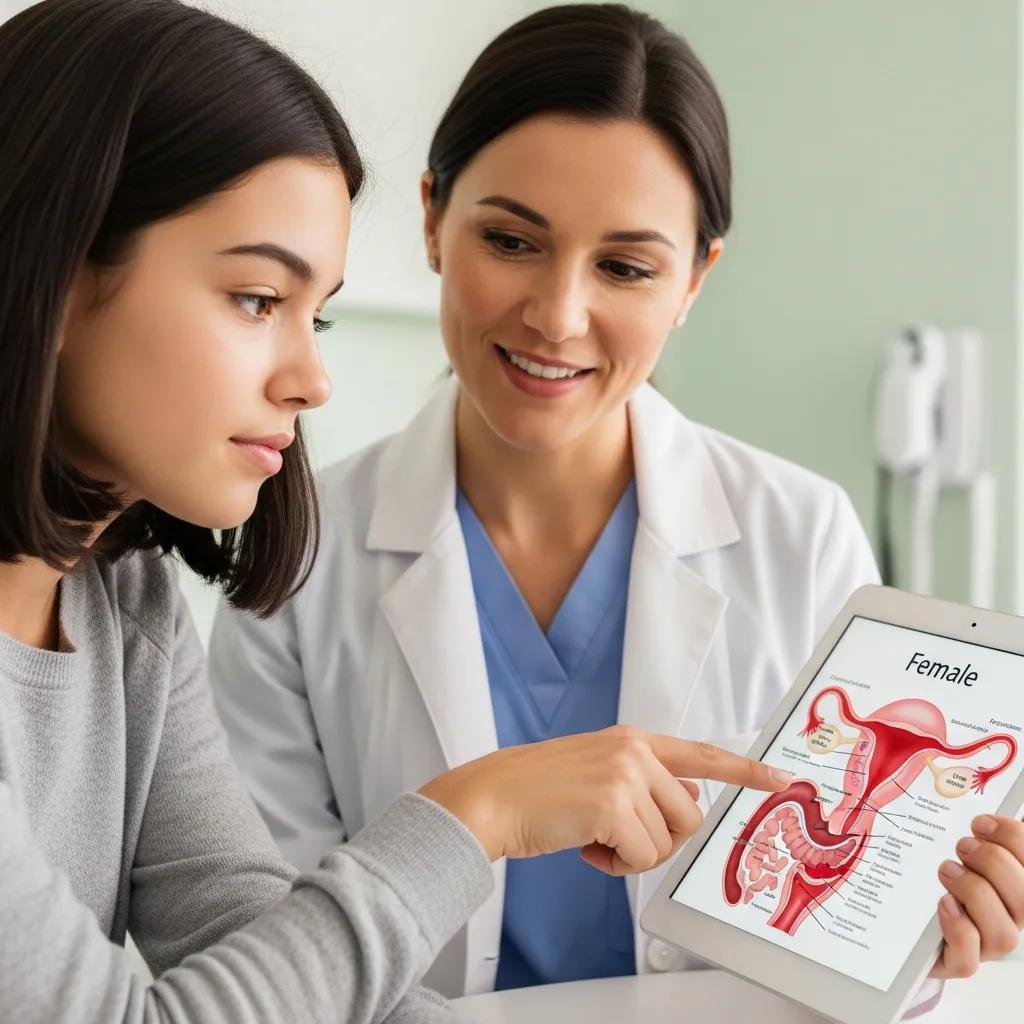
Accurate diagnosis is essential for effective pelvic pain management. Because symptoms can overlap across different conditions, a structured evaluation helps identify the underlying cause and guide appropriate treatment. In adolescents, this process is tailored to balance diagnostic accuracy with patient comfort and safety.
Medical History and Symptom Tracking
The diagnostic process typically begins with a detailed medical history. This includes the timing, intensity, and pattern of pain, as well as associated symptoms such as digestive or urinary changes. Symptom tracking, often through a pain diary, helps identify patterns and provides valuable information for clinical decision-making.
Role of Imaging (Ultrasound and MRI)
Imaging studies are commonly used to evaluate pelvic structures. Ultrasound is often the first step due to its accessibility and ability to identify conditions such as ovarian cysts. MRI may be used in more complex cases to provide detailed views of deeper pelvic structures. However, normal imaging does not rule out conditions like endometriosis.
When Laparoscopy Is Considered
In cases where symptoms persist despite initial evaluation and treatment, laparoscopy may be considered. This minimally invasive procedure allows direct visualization of pelvic structures and can confirm diagnoses such as endometriosis. It may also allow for treatment at the same time, depending on findings.
Medical Treatment Options for Pelvic Pain
Treatment for pelvic pain is individualized and depends on the underlying cause, symptom severity, and patient needs. In many cases, a combination of therapies is used to provide effective symptom control and improve daily functioning.
Hormonal Therapies and Pain Reduction
Hormonal therapies are commonly used to manage conditions such as endometriosis. These treatments work by regulating or suppressing hormonal cycles that contribute to pain. Options may include combined hormonal contraceptives or progestin-based therapies, depending on the individual’s clinical profile.
Pain Medications and Symptom Control
Pain management often includes medications such as nonsteroidal anti-inflammatory drugs (NSAIDs) to reduce inflammation and discomfort. These may be used alone or alongside other treatments. The goal is to provide consistent symptom relief while minimizing side effects.
When Treatment Plans Are Adjusted
If symptoms do not improve with initial treatment, adjustments may be necessary. This can include changing medications, combining therapies, or considering additional evaluation. Ongoing follow-up ensures that the treatment plan remains effective and responsive to the patient’s needs. For more detail, see our article Endometriosis: Symptoms, Causes, and Treatment.
Non-Surgical Ways to Manage Pelvic Pain
Many teens benefit from non-surgical approaches to pelvic pain management, especially when symptoms are mild to moderate or when a diagnosis is still being evaluated. These strategies focus on reducing pain, improving function, and addressing contributing factors such as muscle tension and pain sensitivity. You may also find Is It Period Pain or Endometriosis in Teens? How to Tell the Difference helpful.
Pelvic Floor Physical Therapy
Pelvic floor dysfunction is a common contributor to pelvic pain. Physical therapy aimed at the pelvic floor can help reduce muscle tension, improve coordination, and relieve pain. Techniques may include manual therapy, stretching, and biofeedback, all tailored to the patient’s comfort and needs.
Exercise and Movement-Based Approaches
Regular, gentle movement can help improve circulation, reduce stiffness, and support overall pain management. Activities such as walking, swimming, or guided exercise programs are often recommended. Gradual progression is important to avoid triggering symptom flare-ups.
Cognitive and Behavioral Pain Management Strategies
Chronic pain can affect both physical and psychological well-being. Cognitive and behavioral approaches, such as pain education and structured coping strategies, help patients better understand and manage their symptoms. These methods can reduce pain perception and improve daily functioning over time.
Lifestyle Strategies to Reduce Pelvic Pain

Lifestyle factors play a significant role in how pelvic pain is experienced and managed. Consistent daily habits that support overall health can help reduce symptom frequency and improve quality of life. For more detail, see our article Understanding Endometriosis and Pelvic Pain.
Role of Diet and Anti-Inflammatory Patterns
Diet can influence inflammation and overall symptom burden. Emphasizing whole, nutrient-dense foods and reducing processed items may support better symptom control. While diet alone is not a treatment, it can complement other management strategies.
Sleep, Stress, and Pain Sensitivity
Sleep quality and stress levels are closely linked to pain perception. Poor sleep or high stress can increase sensitivity to pain and make symptoms more difficult to manage. Establishing consistent sleep routines and using stress-reduction techniques can help improve overall outcomes.
Daily Habits That Support Symptom Control
Simple daily habits such as staying hydrated, maintaining regular activity levels, and pacing tasks can make a meaningful difference. Avoiding overexertion and building a balanced routine helps prevent symptom flare-ups and supports long-term management.
When Surgery May Be Recommended
Surgical intervention is not the first-line approach for most teens with pelvic pain, but it may be considered when symptoms are persistent, severe, or unresponsive to conservative treatment. The decision to proceed with surgery is based on a careful evaluation of symptoms, diagnostic findings, and overall impact on quality of life. For more detail, see our article How to Manage Severe Endometriosis Pelvic Pain Flares at Home.
Indications for Laparoscopic Treatment
Laparoscopy may be recommended when there is strong suspicion of conditions such as endometriosis that have not responded to medical therapy. It is also considered when imaging suggests structural abnormalities that require direct evaluation or treatment.
Benefits and Limitations of Surgery
Minimally invasive surgery can provide symptom relief by removing or treating underlying causes such as endometrial lesions. However, it is not a guaranteed cure, and symptoms may persist or recur over time. Understanding both benefits and limitations helps set realistic expectations.
Recovery and Long-Term Considerations
Recovery from laparoscopic procedures is generally quicker than from open surgery, but it still requires appropriate follow-up and care. Long-term management often continues after surgery, including medical treatment and lifestyle strategies to maintain symptom control.
Role of Multidisciplinary Care in Pelvic Pain Management
Pelvic pain is often influenced by multiple factors, which makes a multidisciplinary approach more effective than relying on a single type of treatment. Coordinated care ensures that all aspects of the condition are addressed. We cover this further in Understanding the Causes of Pelvic Pain in Endometriosis.
Coordination Between Specialists
Care may involve gynecologists, pain specialists, physical therapists, and other healthcare providers. Collaboration between these professionals helps ensure that diagnosis and treatment plans are comprehensive and aligned.
Importance of Mental Health Support
Chronic pelvic pain can affect emotional well-being, increasing the risk of anxiety or stress. Mental health support, including counseling or therapy, helps patients develop coping strategies and improves overall resilience.
Long-Term Management Approach
Managing pelvic pain is often an ongoing process. A long-term plan that includes medical care, physical therapy, and lifestyle adjustments helps maintain symptom control and improve daily functioning over time.
Supporting Teens Beyond Medical Treatment
Managing pelvic pain extends beyond clinical interventions and requires attention to emotional, social, and functional aspects of a teen’s life. Providing support in these areas helps improve overall well-being and makes it easier for adolescents to engage with treatment and maintain daily routines.
Emotional Support and Coping Strategies
Chronic pain can affect mood, confidence, and mental health. Emotional support from family, clinicians, and counselors helps teens feel understood and supported. Structured coping strategies, such as relaxation techniques or guided therapy, can improve resilience and reduce the impact of pain on daily life.
School Accommodations and Daily Function
Pelvic pain can interfere with school attendance and performance. Accommodations such as flexible schedules, rest breaks, or access to school health services can help teens stay engaged in their education. Clear communication between families, schools, and healthcare providers is important to ensure appropriate support.
Role of Family Support
Family involvement plays a key role in managing pelvic pain. Parents and caregivers can help by coordinating care, encouraging adherence to treatment plans, and providing emotional reassurance. Supporting independence while remaining involved helps teens build confidence in managing their condition.
How to Improve Quality of Life With Pelvic Pain
Improving quality of life requires a consistent and realistic approach that focuses on both symptom control and daily functioning. Small, achievable changes over time can lead to meaningful improvements in overall well-being.
Goal Setting and Gradual Activity Return
Setting realistic goals helps teens regain function without overwhelming themselves. Gradual increases in activity, guided by symptom tolerance, support recovery and reduce the risk of flare-ups. Tracking progress can also improve motivation and confidence.
Building Pain Management Routines
Establishing consistent routines for managing pain can make symptoms more predictable and easier to handle. This may include scheduled medication use, regular physical therapy exercises, and planned rest periods. Structured routines support long-term stability.
Preventing Symptom Flare-Ups
Identifying triggers and maintaining balanced daily habits can help reduce the frequency of flare-ups. This includes pacing activities, managing stress, and maintaining consistent sleep and nutrition patterns. Preventive strategies are an important part of long-term pelvic pain management.
When to Seek Specialist Care
While many cases of pelvic pain can be managed with initial treatment, some situations require evaluation by a specialist. Early referral to a clinician experienced in adolescent pelvic pain or endometriosis can improve diagnostic accuracy and ensure access to more advanced treatment options.
Persistent or Worsening Symptoms
If pelvic pain continues despite initial treatment or becomes more severe over time, further evaluation is needed. Ongoing symptoms may indicate an underlying condition that requires specialized care or a revised treatment approach.
Suspected Endometriosis or Complex Conditions
Endometriosis is a common cause of chronic pelvic pain in teens and often requires specialist assessment. Other complex or overlapping conditions may also contribute to symptoms. A specialist can provide targeted evaluation and develop a more comprehensive management plan.
Benefits of Specialized Centers
Specialized centers offer multidisciplinary care, combining expertise in gynecology, pain management, and supportive therapies. This coordinated approach improves treatment outcomes and ensures that care is tailored to the patient’s specific needs.
Frequently Asked Questions
What helps pelvic pain in teens the most?
Effective management typically involves a combination of approaches, including medical treatment, physical therapy, and lifestyle strategies. A structured, individualized plan is more effective than relying on a single intervention.
Can pelvic pain go away without treatment?
Mild, occasional pain may improve on its own, but persistent or severe pain usually requires evaluation and management. Ignoring symptoms can delay diagnosis and lead to worsening outcomes over time.
How do you know if it is endometriosis?
Endometriosis is suspected based on symptoms such as severe menstrual pain, chronic pelvic discomfort, and lack of response to initial treatments. Definitive diagnosis may require further evaluation, including imaging or laparoscopy.
What lifestyle changes make the biggest difference?
Consistent habits such as regular physical activity, adequate sleep, balanced nutrition, and stress management can help reduce symptom severity. These changes are most effective when combined with appropriate medical care.
Conclusion
Pelvic pain in teens requires a structured, evidence-based approach that goes beyond short-term symptom relief. Early recognition, accurate diagnosis, and individualized treatment are essential for improving outcomes and preventing long-term complications. Because pelvic pain often has multiple contributing factors, effective management typically involves a combination of medical care, physical therapy, and supportive lifestyle strategies.
At the Endometriosis Center of Excellence, care is guided by a multidisciplinary model that integrates clinical expertise with personalized treatment planning. This approach ensures that underlying causes such as endometriosis are identified and managed appropriately while also addressing the broader impact of pain on daily life.
With the right combination of medical support, practical strategies, and ongoing guidance, teens and families can take meaningful steps toward reducing symptoms, restoring function, and improving overall quality of life. If you have questions about your own symptoms, you can schedule an appointment with our endometriosis specialists.