

Pelvic pain is a common symptom that can range from mild discomfort to severe pain that affects work, daily activities, and overall quality of life. While occasional pelvic discomfort may not always indicate a serious condition, persistent or worsening pain should never be ignored. Pelvic pain can result from a wide range of gynecological, urinary, digestive, and musculoskeletal conditions, making an accurate diagnosis essential for effective treatment. Conditions such as endometriosis, pelvic inflammatory disease, uterine fibroids, ovarian cysts, and pelvic floor disorders may all contribute to chronic pelvic pain. Understanding when pelvic pain requires medical evaluation can help patients receive timely care, identify the underlying cause, and begin treatment before symptoms become more severe. Early intervention often leads to better symptom management and improved long-term health outcomes.
Understanding Pelvic Pain and Its Possible Causes

Pelvic pain is not a condition itself but a symptom that may indicate an underlying health issue. It can develop suddenly or gradually, remain constant or come and go, and vary from mild pressure to severe, debilitating pain. Identifying the cause requires careful evaluation because many different medical conditions share similar symptoms.
What Is Pelvic Pain?
Pelvic pain refers to discomfort felt in the lower abdomen or pelvic region below the belly button. Depending on the underlying cause, the pain may be sharp, dull, cramping, burning, or aching. Some patients experience symptoms only during menstruation, while others have pain throughout the month.
The duration and pattern of pain provide important clues during diagnosis. Acute pelvic pain develops suddenly and may require urgent evaluation, while chronic pelvic pain generally lasts for six months or longer and often requires a comprehensive treatment approach.
Because pelvic pain affects many body systems, patients should not assume the symptoms are simply part of a normal menstrual cycle. Persistent discomfort deserves professional evaluation to identify the underlying condition.
Common Medical Conditions That Cause Pelvic Pain
Pelvic pain may originate from the reproductive organs, urinary tract, digestive system, or muscles and connective tissues within the pelvis. Some causes are temporary and resolve with treatment, while others require ongoing management.
Several conditions are frequently associated with chronic or recurring pelvic pain.
Before considering treatment options, it is important to understand some of the most common causes specialists evaluate.
- Endometriosis
- Pelvic inflammatory disease (PID)
- Uterine fibroids
- Ovarian cysts
- Interstitial cystitis
- Pelvic floor dysfunction
Although these conditions can produce similar symptoms, each requires a different diagnostic approach and individualized treatment plan.
Recognizing the Symptoms of Pelvic Pain
Not every patient experiences pelvic pain in the same way. Symptoms may vary depending on the cause, severity of the condition, and how long the problem has been present. Paying attention to changes in pain patterns can help healthcare providers identify the underlying issue more efficiently.
Common Symptoms Associated With Pelvic Pain
Many patients initially notice discomfort during menstruation, but pelvic pain can also occur between cycles or during everyday activities. Some symptoms gradually worsen over time, while others appear suddenly.
Pain may become more noticeable while exercising, standing for long periods, using the bathroom, or during sexual intercourse. Some patients also experience fatigue, bloating, or lower back pain alongside pelvic discomfort.
Understanding how symptoms affect daily life helps healthcare providers determine which diagnostic tests and treatment options may be most appropriate.
Symptoms That Should Not Be Ignored
Although mild pelvic discomfort may occasionally occur, persistent or worsening symptoms should always be evaluated. Certain warning signs may indicate a condition that requires prompt medical attention.
Patients should pay particular attention if pain becomes severe, occurs outside their normal menstrual pattern, or is accompanied by additional symptoms such as abnormal bleeding or digestive changes.
Ignoring persistent pelvic pain may allow an underlying condition to progress, potentially making treatment more complex in the future. Seeking evaluation early provides the best opportunity for identifying the cause before complications develop.
When Should You See a Doctor for Pelvic Pain?
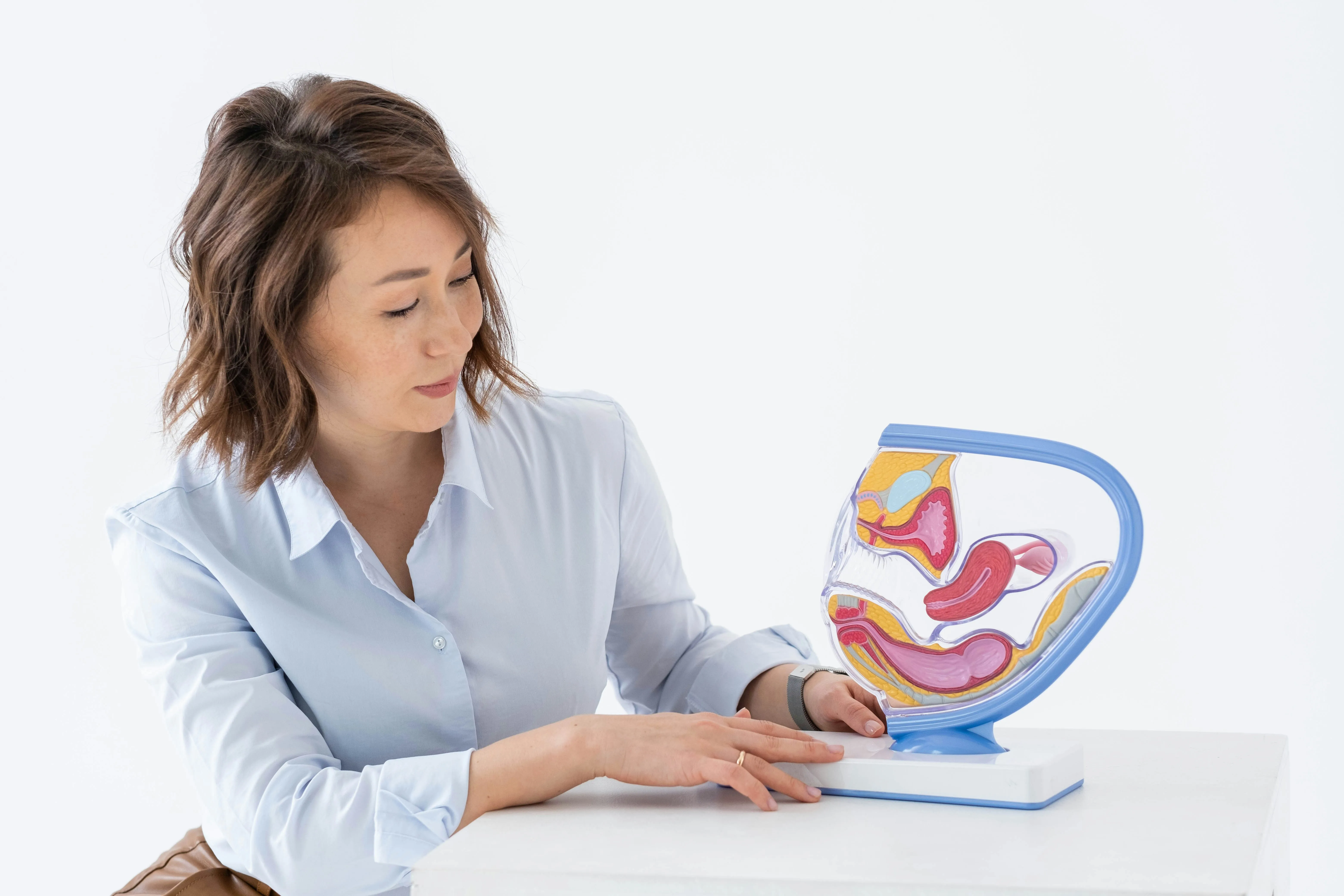
Knowing when to seek medical care is one of the most important aspects of managing pelvic pain. While occasional discomfort may not always require immediate attention, recurring or worsening symptoms should be assessed by a healthcare professional.
Signs That It’s Time to Schedule an Evaluation
Pelvic pain that interferes with work, exercise, sleep, or daily activities should not be considered normal. Even if symptoms seem manageable, ongoing discomfort often signals an underlying condition that deserves evaluation.
Patients who experience pain that repeatedly returns each month or gradually becomes more severe should schedule a consultation with a specialist. Early diagnosis often allows for more treatment options and may help prevent long-term complications. You may also find Choosing Your Endometriosis Specialist: A Guide to Finding the Right Fit helpful.
Several symptoms commonly indicate that a professional evaluation is appropriate.
If pelvic pain continues despite home remedies or begins affecting your quality of life, it is important to seek medical guidance rather than waiting for symptoms to resolve on their own.
- Pelvic pain lasting several weeks or longer
- Pain that disrupts normal daily activities
- Heavy or irregular menstrual bleeding
- Pain during sexual intercourse
- Difficulty becoming pregnant
- Persistent lower back pain associated with pelvic symptoms
Recognizing these warning signs early allows patients to receive timely diagnosis and begin appropriate treatment before symptoms become more severe.
Symptoms That May Require Immediate Medical Attention
Although many causes of pelvic pain develop gradually, some symptoms require urgent evaluation because they may indicate a more serious medical condition.
Sudden severe pelvic pain, fever, heavy bleeding, fainting, or significant dizziness should never be ignored. These symptoms may be associated with infections, ovarian emergencies, appendicitis, or other conditions requiring immediate medical care.
Seeking prompt evaluation when symptoms change suddenly helps healthcare providers identify serious conditions quickly and begin appropriate treatment without unnecessary delay.
How Pelvic Pain Is Diagnosed

Diagnosing pelvic pain requires more than identifying where the discomfort occurs. Because multiple conditions can produce similar symptoms, healthcare providers use a comprehensive evaluation to determine the underlying cause. An accurate diagnosis is the foundation of effective treatment and helps ensure patients receive care that addresses the source of their pain rather than simply managing symptoms. You may also find Questions to Ask a Doctor About Endometriosis Pelvic Pain helpful.
Medical History and Physical Examination
The diagnostic process usually begins with a detailed discussion of the patient’s symptoms, menstrual history, previous medical conditions, and overall health. Understanding when the pain started, how long it lasts, and what activities make it better or worse provides valuable information during the evaluation.
A physical examination allows the healthcare provider to assess areas of tenderness, identify possible abnormalities, and determine whether additional testing is necessary. Depending on the patient’s symptoms, the examination may also evaluate the abdomen, pelvis, and surrounding muscles to identify possible sources of pain.
Every patient’s experience is unique, so gathering a complete medical history is essential for narrowing down potential causes and creating an individualized diagnostic plan. You may also find Essential Questions to Ask Your Doctor for Endometriosis Care helpful.
Imaging and Specialized Diagnostic Tests
When additional information is needed, imaging studies and minimally invasive procedures help confirm the diagnosis. Ultrasound is commonly used to evaluate the uterus, ovaries, and surrounding structures, while MRI may provide more detailed images of soft tissues when necessary.
For patients with suspected endometriosis or other complex pelvic conditions, laparoscopic evaluation may be recommended. This minimally invasive procedure allows specialists to directly examine the pelvic cavity and identify abnormalities that cannot always be detected through imaging alone.
Combining medical history, physical examination, and advanced diagnostic techniques provides a clearer understanding of the underlying condition and helps guide the most appropriate treatment approach.
Treatment Options for Pelvic Pain

Treatment depends on the underlying cause of pelvic pain rather than the symptom itself. Some patients improve with conservative therapies, while others benefit from advanced surgical treatment. The goal is to relieve discomfort, improve daily function, and address the condition responsible for the pain.
Non-Surgical Treatment Approaches
Many patients begin treatment with conservative management. Depending on the diagnosis, medications may help reduce inflammation, manage pain, or regulate hormonal changes that contribute to symptoms. Pelvic floor physical therapy is another valuable option for patients whose pain is related to muscle tension or dysfunction.
Lifestyle adjustments can also complement medical treatment. Regular exercise, stress management, healthy nutrition, and adequate sleep may help reduce symptom flare-ups for some individuals. While these approaches may not eliminate the underlying condition, they often improve overall well-being and support long-term symptom management.
A personalized treatment plan allows healthcare providers to combine therapies based on each patient’s symptoms, diagnosis, and health goals.
Minimally Invasive Surgical Treatment
When conservative treatments fail to provide sufficient relief or when a structural condition requires correction, minimally invasive surgery may be recommended. Modern laparoscopic procedures allow surgeons to diagnose and treat many pelvic conditions using small incisions and specialized instruments.
For patients with endometriosis, laparoscopic excision surgery is considered one of the most effective treatment options because it removes endometriosis lesions while preserving healthy surrounding tissue whenever possible. This approach can reduce inflammation, relieve chronic pelvic pain, and improve overall pelvic function.
Advances in minimally invasive surgery have helped many patients experience shorter recovery times, reduced postoperative discomfort, and faster returns to normal daily activities.
Why Early Evaluation Makes a Difference

Many women live with pelvic pain for months or even years before seeking medical care, often believing their symptoms are a normal part of menstruation. Unfortunately, delaying evaluation may allow certain conditions to progress, making treatment more challenging over time.
Receiving an accurate diagnosis early helps patients access appropriate care before symptoms begin affecting fertility, physical activity, work, or emotional well-being. We cover this further in Questions to Ask Your Doctor for Accurate Endometriosis Diagnosis.
Benefits of Seeking Care Early
Prompt evaluation allows healthcare providers to identify the underlying cause before significant complications develop. Early treatment may reduce inflammation, prevent disease progression, and improve long-term outcomes.
Patients who seek medical attention early often benefit from:
Understanding the value of early diagnosis encourages patients to address symptoms before they become more disruptive to everyday life. For more detail, see our article How to Address Teen Endometriosis Symptoms with a Doctor.
- Earlier diagnosis of underlying conditions
- More treatment options before disease progression
- Better symptom control and pain management
- Improved quality of life and daily function
- Greater opportunity to preserve reproductive health
Taking action early can often simplify treatment and improve recovery outcomes.
Choosing Specialized Pelvic Pain Care
Because pelvic pain has many possible causes, choosing a healthcare provider experienced in evaluating complex pelvic conditions can make a significant difference. Specialists are familiar with conditions such as endometriosis, pelvic floor disorders, ovarian cysts, and chronic pelvic pain syndromes that may require advanced evaluation.
A specialized approach combines detailed assessment, advanced diagnostic techniques, and individualized treatment planning. Rather than focusing solely on symptom relief, specialists aim to identify the root cause of pain and develop a long-term management strategy tailored to the patient’s needs.
This comprehensive approach often leads to more accurate diagnoses, better treatment outcomes, and greater confidence throughout the patient’s healthcare journey.
Frequently Asked Questions About Pelvic Pain
Is Pelvic Pain Always Related to Menstruation?
No. While menstrual conditions such as endometriosis and fibroids are common causes, pelvic pain may also result from urinary, gastrointestinal, musculoskeletal, or reproductive conditions.
How Long Should Pelvic Pain Last Before Seeing a Doctor?
Pelvic pain that persists for several weeks, repeatedly returns, or interferes with normal daily activities should be evaluated by a healthcare professional.
Can Endometriosis Cause Pelvic Pain Between Periods?
Yes. Although many patients experience worsening symptoms during menstruation, endometriosis can also cause chronic pelvic pain throughout the month depending on the location and severity of the disease.
What Tests Are Used to Diagnose Pelvic Pain?
Diagnosis may include a medical history, physical examination, ultrasound, MRI, laboratory testing, or minimally invasive laparoscopy depending on the suspected underlying condition.
Conclusion
Pelvic pain should never be dismissed as something you simply have to live with. Whether symptoms occur during menstruation, throughout the month, or suddenly become more severe, identifying the underlying cause is the first step toward lasting relief. Early evaluation allows healthcare providers to diagnose conditions such as endometriosis, pelvic inflammatory disease, ovarian cysts, and other pelvic disorders before they significantly affect your health and quality of life. With today’s advanced diagnostic techniques and personalized treatment options, many patients achieve meaningful symptom improvement and regain confidence in their daily lives.
If you are experiencing persistent or unexplained pelvic pain, the Endometriosis Center of Excellence provides compassionate, specialized care designed to identify the cause of your symptoms and create a treatment plan tailored to your individual needs. Schedule a consultation to take the first step toward finding answers, relieving pain, and improving your long-term pelvic health.