

Endo belly refers to the abdominal bloating, swelling, pressure, and digestive discomfort that many patients with endometriosis experience. It can make the abdomen feel tight, heavy, or visibly distended, often interfering with daily activities, clothing comfort, eating habits, and emotional well-being. While occasional bloating can happen for many reasons, endo belly is often linked to inflammation, hormonal changes, pelvic adhesions, bowel involvement, or overlapping digestive issues.
Because endo belly can resemble common gastrointestinal problems, it is important to understand how it connects to endometriosis. Symptoms may worsen around the menstrual cycle, appear with pelvic pain, or occur alongside constipation, diarrhea, nausea, or bowel movement pain. At Endometriosis Center of Excellence, patients receive specialized evaluation and personalized care for endometriosis-related bloating, pelvic pain, and complex symptoms.
What Is Endo Belly?
Endo belly is a term used to describe bloating and abdominal distension associated with endometriosis. It may feel like gas, pressure, fullness, or swelling in the lower abdomen. For some patients, symptoms come and go with the menstrual cycle, while others experience frequent or ongoing discomfort.
Endometriosis Can Trigger Bloating
Endometriosis occurs when tissue similar to the uterine lining grows outside the uterus. This tissue can create inflammation in the pelvis, which may contribute to bloating, pain, and digestive disruption. When inflammation affects nearby organs or tissues, the abdomen may feel swollen or tender. This can make endo belly different from simple dietary bloating.
Symptoms May Overlap With Digestive Disorders
Endo belly can look similar to irritable bowel syndrome, food sensitivity, constipation, or general digestive bloating. This overlap can make diagnosis confusing. Patients may be treated for digestive symptoms without realizing that endometriosis is also contributing to the problem. Tracking symptoms in relation to the menstrual cycle can help identify whether endometriosis may be involved.
Daily Life Can Be Affected
Endo belly can affect more than physical comfort. Patients may feel self-conscious about visible swelling, avoid certain clothing, change eating habits, or limit activities because of discomfort. When bloating is painful, persistent, or paired with pelvic symptoms, it should be discussed with a specialist rather than dismissed as normal.
Medical Causes of Endo Belly

Endo belly usually has more than one cause. Inflammation, hormonal changes, adhesions, bowel involvement, and pelvic pain can all contribute to bloating. Understanding the likely cause helps guide treatment and prevents patients from relying only on temporary symptom relief.
Inflammation Can Increase Abdominal Pressure
Endometriosis lesions can create an inflammatory response in the pelvis. This inflammation may irritate surrounding tissues and contribute to swelling, pain, and digestive sensitivity. When inflammation flares, patients may notice more bloating, tenderness, or pressure. Anti-inflammatory strategies and endometriosis-focused treatment may help reduce this symptom burden. We cover this further in Dealing With Chronic Pain: Proven Endometriosis Pain Relief Strategies.
Hormonal Changes May Worsen Symptoms
Many patients notice that bloating becomes worse before or during their period. Hormonal changes during the menstrual cycle can affect fluid retention, bowel movement patterns, inflammation, and pain sensitivity. If bloating follows a cyclical pattern, that timing can be an important clue for the specialist during evaluation and treatment planning.
Adhesions Can Affect Organ Movement
Endometriosis can lead to adhesions, which are bands of scar tissue that may cause organs or tissues to stick together. Adhesions can create pulling, pressure, and restricted movement in the pelvis. When the bowel or surrounding structures are affected, patients may experience bloating, constipation, discomfort after eating, or pain with bowel movements.
Digestive Symptoms Linked to Endo Belly
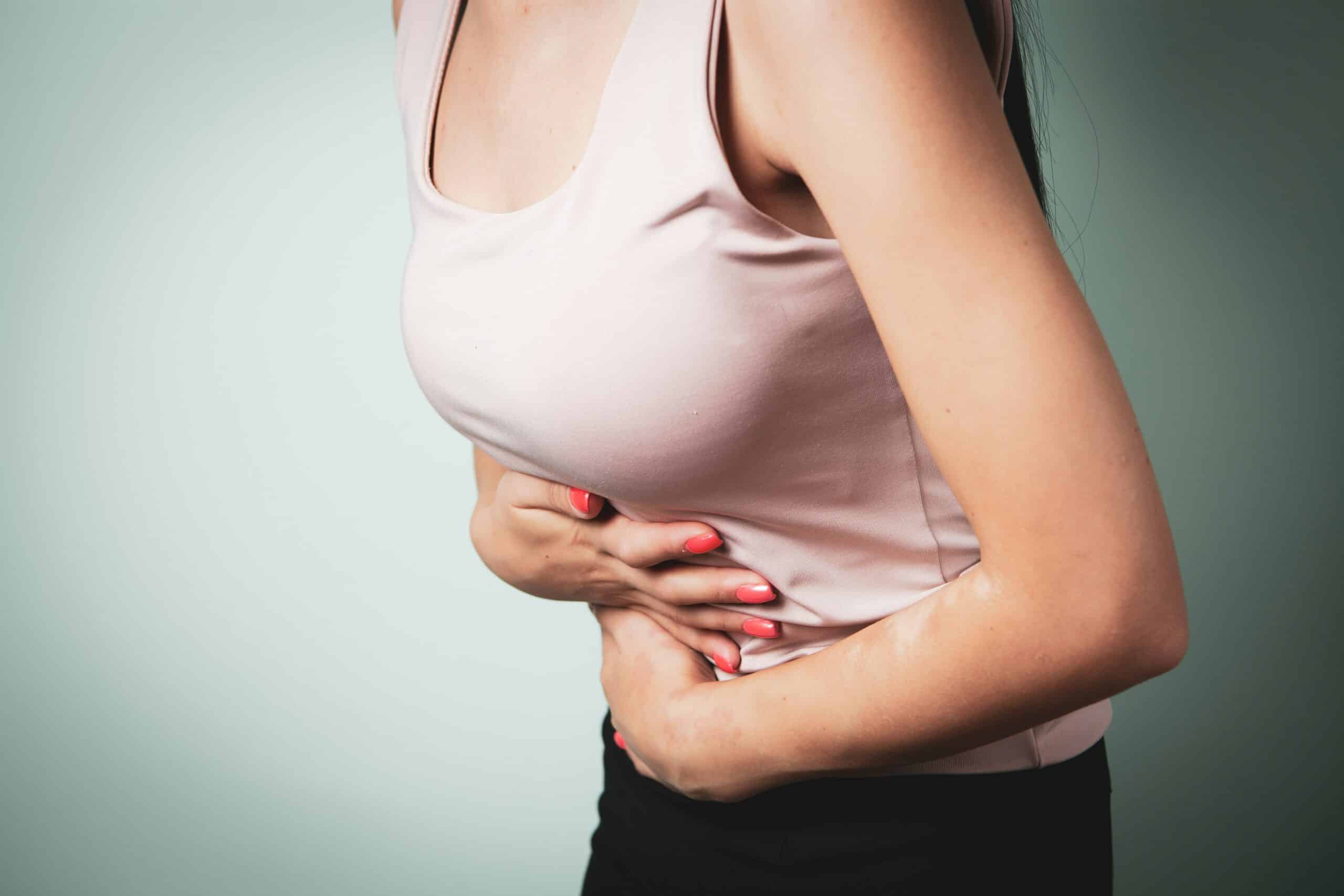
Endo belly often appears with other digestive symptoms. These symptoms can vary based on whether the issue is related to inflammation, bowel involvement, altered gut motility, pelvic floor dysfunction, or overlapping gastrointestinal conditions. A detailed symptom review can help identify the most likely contributors.
Bloating and Visible Distension
The most noticeable symptom of endo belly is abdominal bloating or visible swelling. The abdomen may feel tight, stretched, or full, even after eating small amounts. Some patients describe looking several months pregnant during flare-ups. If this happens repeatedly, especially around the menstrual cycle, endometriosis-related bloating should be considered.
Constipation, Diarrhea, or Alternating Bowel Habits
Endometriosis can be associated with constipation, diarrhea, or alternating bowel habits. These symptoms may become worse during periods or pain flares. When inflammation or adhesions affect bowel function, digestion may feel unpredictable. Patients should track whether bowel symptoms happen with pelvic pain, menstrual changes, or urinary discomfort.
Pain With Bowel Movements
Pain during bowel movements can be an important warning sign, especially if it worsens during the menstrual cycle. It may suggest irritation, pelvic floor dysfunction, or possible bowel involvement with endometriosis. This symptom should be discussed openly with a specialist because it can help guide imaging, surgical planning, or referrals when needed.
How Endo Belly Is Diagnosed

There is no single test that confirms endo belly by itself. Diagnosis usually involves understanding the patient’s symptoms, medical history, menstrual patterns, digestive concerns, and possible signs of endometriosis. The goal is to determine whether bloating is mainly related to endometriosis, gastrointestinal conditions, or a combination of both.
Symptom History Is the First Step
A specialist will usually ask when bloating occurs, how long it lasts, whether it worsens before or during periods, and whether it appears with pelvic pain, bowel symptoms, urinary symptoms, or fatigue. A symptom diary can be very useful. Tracking meals, menstrual cycle timing, pain levels, bowel habits, and bloating severity can help reveal patterns.
Imaging May Help Identify Pelvic Disease
Transvaginal ultrasound or MRI may be used to look for ovarian endometriomas, deep endometriosis, fibroids, masses, or signs of bowel or pelvic involvement. Imaging can provide important information, but it may not detect every case of endometriosis. A normal scan does not always rule out the condition, especially when symptoms strongly suggest endometriosis.
Specialist Evaluation Guides Next Steps
A specialist evaluation helps determine whether medical treatment, dietary changes, pelvic floor therapy, additional imaging, or surgery may be appropriate. When bowel symptoms are significant, care may involve collaboration with gastrointestinal, colorectal, or pelvic floor specialists. This approach helps ensure that treatment addresses the full symptom pattern.
Relief Strategies for Endo Belly
Managing endo belly often requires a combination of medical care, lifestyle changes, and supportive therapies. Since symptoms can have multiple causes, the most effective plan is usually individualized. Patients may need to try different strategies under medical guidance to find what works best. We cover this further in Endometriosis Pain Relief: Effective Chronic Pain Strategies.
Dietary Changes May Reduce Bloating
Some patients benefit from identifying food triggers, increasing anti-inflammatory foods, or trying a structured low-FODMAP approach when appropriate. A food diary can help connect symptoms to specific meals or ingredients. Dietary changes should be done carefully, ideally with guidance from a registered dietitian, so nutrition remains balanced and sustainable.
Medications May Help Control Symptoms
Hormonal therapy may help reduce cyclical endometriosis symptoms by regulating hormonal activity. Anti-inflammatory medications may help with pain and inflammation during flares. In some cases, treatment for constipation, diarrhea, nausea, or gut motility may also be recommended. Medication decisions should consider symptoms, fertility goals, side effects, and previous treatment response.
Pelvic Floor and Supportive Care Can Help
Pelvic floor dysfunction can contribute to bloating, pressure, constipation, and pain. Pelvic floor physical therapy may help patients who have muscle tension, pain with bowel movements, or pelvic pressure. Stress management, gentle movement, hydration, and pain support may also improve comfort when used as part of a broader treatment plan. For more detail, see our article Comfort Strategies: Utilizing Heat Therapy for Endometriosis.
Surgical Treatment for Endo Belly
Surgery may be considered when symptoms are severe, persistent, or linked to suspected endometriosis lesions, adhesions, or bowel involvement. Surgical treatment should be carefully planned and performed by an experienced endometriosis specialist, especially when disease may involve sensitive pelvic structures.
Laparoscopic Excision Removes Endometriosis Lesions
Minimally invasive laparoscopic excision surgery focuses on removing visible endometriosis lesions while preserving healthy tissue when possible. By removing lesions that contribute to inflammation, pressure, and pain, excision may help reduce endo belly symptoms for some patients. The procedure uses small incisions and specialized tools to evaluate and treat the pelvis.
Excision May Improve Pelvic and Digestive Symptoms
When bloating is related to endometriosis, adhesions, or bowel involvement, removing diseased tissue may improve pelvic pressure, bowel discomfort, and inflammation-related swelling. Outcomes vary based on disease severity, surgical findings, and other contributing conditions. Patients should receive clear guidance about expected recovery and realistic symptom improvement.
Complex Cases May Need Team-Based Planning
If endometriosis affects the bowel, bladder, ureters, or other structures, multidisciplinary planning may be needed. This can involve gynecologic surgeons, colorectal specialists, urologists, pelvic floor therapists, or pain specialists. Team-based care helps address complex symptoms safely and supports a more complete treatment plan.
Specialized Endo Belly Care

Endo belly can be physically uncomfortable and emotionally difficult, especially when symptoms are misunderstood or dismissed. Specialized care can help patients identify whether bloating is related to endometriosis, bowel involvement, pelvic floor dysfunction, hormonal changes, or overlapping digestive conditions.
Personalized Evaluation Matters
At the Endometriosis Center of Excellence, evaluation begins with a detailed review of symptoms, prior treatments, imaging, cycle patterns, digestive concerns, and patient goals. This helps create a care plan that is specific to the individual rather than based on a generic approach. Personalized care is especially important for patients with chronic or complex symptoms.
Dr. Rachael Haverland Provides Complex Endometriosis Care
Dr. Rachael Haverland specializes in complex endometriosis care, including patients with pelvic pain, advanced symptoms, fertility concerns, and endometriosis-related bloating. Her approach focuses on evidence-based evaluation, minimally invasive treatment options, and patient-centered planning. This helps patients better understand their condition and treatment choices.
Multidisciplinary Support Can Improve Quality of Life
Endo belly is often best managed with coordinated support. Care may include medical management, dietary guidance, pelvic floor therapy, pain management, minimally invasive laparoscopic surgery, excision treatment, and long-term follow-up. With the right plan, patients can move toward better symptom control, improved daily comfort, and a clearer path for ongoing care.
Frequently Asked Questions
1. How is endo belly distinctly different from general bloating?
Endo belly is a form of bloating distinct to endometriosis and commonly presents with pain and lesion‑related inflammation. Unlike general dietary or functional bloating, endo belly is linked to ectopic endometrial tissue and hormonal fluctuations, requiring targeted assessment and management within the endometriosis framework.
2. Are there specific foods that can worsen endo belly symptoms?
Certain foods may worsen symptoms, particularly pro‑inflammatory items and high‑FODMAP carbohydrates. Processed foods, dairy, gluten‑containing grains and high‑fat meals can increase bloating; caffeine and alcohol may also aggravate gut symptoms. Maintaining a food diary and consulting a dietitian help identify personal triggers and develop a suitable dietary plan.
3. What role does stress play in the exacerbation of endo belly symptoms?
Stress can exacerbate inflammation and alter gut function, increasing bloating and discomfort. Incorporating stress‑reduction strategies such as mindfulness, yoga and graded physical activity may reduce symptom severity and support overall management.
4. How can someone find an expert in endometriosis care?
To find an endometriosis specialist, request referrals from primary care physicians or gynaecologists and review accredited centres, such as the Endometriosis Center of Excellence. Professional directories and patient networks can provide additional recommendations based on specialist qualifications and outcomes.
5. Is endo belly a chronic condition, or can it be resolved completely?
Endo belly is frequently chronic because it is associated with endometriosis. Complete resolution is not assured for all patients; however, medical therapy, dietary and lifestyle modification and surgical interventions can substantially reduce symptoms. Individual outcomes vary, underscoring the need for personalised care plans.
6. What are some holistic treatments that can support endo belly management?
Complementary therapies may support conventional treatment and include acupuncture, selected herbal supplements and mind‑body practices such as meditation and yoga to mitigate stress and inflammation. A nutrient‑dense, anti‑inflammatory diet and regular exercise are also beneficial. Coordinate holistic options with treating clinicians to ensure safety and efficacy.
7. Can endo belly symptoms change over time?
Yes. Symptoms fluctuate with hormonal changes, treatment effects and lifestyle factors. Some patients experience periods of exacerbation and periods of improvement; surgical or effective medical management often produces sustained symptom reduction. Regular follow‑up allows timely adaptation of treatment plans.
Conclusion
Understanding endo belly is essential for patients with endometriosis because it encompasses symptoms that markedly affect daily life. A combination of medical treatments, dietary strategies and lifestyle modifications can improve symptoms and quality of life. Consultation with specialised clinicians is recommended to develop an individualised treatment plan. Contact the Endometriosis Center of Excellence to arrange a consultation and obtain expert assessment and ongoing support.