Choosing the right endometriosis specialist is one of the most important decisions a patient can make when seeking long-term relief, accurate diagnosis, and effective treatment. Endometriosis is a complex condition that can affect pelvic pain, periods, fertility, digestion, bladder comfort, and daily quality of life. Because symptoms vary from person to person, patients need care that is personalized, thorough, and based on a deep understanding of the disease.
Many patients with endometriosis spend years looking for answers before receiving the right diagnosis or treatment plan. This is why it is important to choose a specialist with specialized experience in endometriosis care, advanced surgical training, strong communication skills, and a patient-centered approach. The right specialist should not only treat symptoms but also help identify the root causes of pain and develop a plan that supports the patient’s overall health goals.
Specialization and Experience in Endometriosis Care

Endometriosis requires more than general gynecologic care. While many providers can identify common symptoms or offer basic medical treatment, complex cases often need a specialist who regularly diagnoses and treats endometriosis. A provider with focused experience is more likely to understand how the condition can affect different parts of the pelvis and how symptoms may overlap with other concerns.
Choose a Specialist Who Focuses on Endometriosis
A specialist who frequently treats endometriosis is more familiar with the condition’s patterns, challenges, and treatment options. Endometriosis can involve pelvic organs, surrounding tissue, scar tissue, and, in some cases, bowel or bladder-related symptoms. A focused specialist is better prepared to recognize symptoms that are often missed and recommend a more complete evaluation.
Experience Matters for Complex Symptoms
Some patients have straightforward symptoms, while others deal with chronic pelvic pain, painful periods, painful intercourse, fertility concerns, or symptoms that continue despite previous treatment. In these cases, experience is essential. A specialist who has handled complex endometriosis cases can better assess whether the patient may need imaging, medical therapy, minimally invasive surgery, excision, or multidisciplinary support.
Focused Expertise Supports Better Planning
A specialist with endometriosis-specific experience can create a care plan that looks beyond temporary symptom control. Instead of offering the same approach to every patient, they can evaluate the patient’s full history, symptoms, goals, and previous treatments. This helps ensure that care is based on the individual patient, not a generic diagnosis.
Qualifications to Look for in an Endometriosis Specialist

A specialist’s qualifications can help patients understand whether the provider has the training needed to manage endometriosis effectively. While credentials are not the only factor, they are an important starting point. Patients should look for strong medical training, board certification, surgical experience, and additional expertise in minimally invasive gynecologic surgery.
Board Certification Shows a Strong Foundation
Board certification in obstetrics and gynecology shows that a physician has completed recognized training and met professional standards in women’s health. This foundation matters because endometriosis can affect reproductive health, menstrual symptoms, pelvic anatomy, and fertility. Board certification helps confirm that the provider has the background needed to carefully evaluate gynecologic concerns.
Fellowship Training Can Be Important
Fellowship training in minimally invasive gynecologic surgery can be especially valuable for the care of endometriosis. Endometriosis surgery may require precision, advanced laparoscopic skills, and experience working around delicate pelvic structures. A fellowship-trained specialist may be better prepared to manage complex cases and perform surgery with a careful, tissue-sparing approach.
Research and Advocacy Can Add Value
Some specialists are involved in endometriosis research, education, or advocacy. This can be helpful because it may show that the provider stays informed about current treatment options and patient needs. Endometriosis care continues to evolve, so working with a specialist who remains engaged in the field can support more informed, evidence-based care.
Diagnostic Approach and Symptom Evaluation

A strong endometriosis specialist should begin with a detailed evaluation. Endometriosis can be difficult to diagnose because symptoms may resemble other conditions. Pelvic pain, painful periods, bowel symptoms, bladder discomfort, fatigue, and fertility issues all require careful review. A complete diagnostic process helps the specialist understand what may be causing symptoms and what next steps are appropriate.
Medical History Should Be Reviewed Carefully
The first step is a detailed review of the patient’s medical history. This includes symptoms, menstrual patterns, pain location, previous treatments, surgeries, medications, and fertility goals. Patients should be encouraged to explain how symptoms affect their daily life. This information helps the specialist understand whether endometriosis may be involved and whether other conditions should also be considered.
Imaging May Help, But It Has Limits
Ultrasound or MRI may be used to look for certain signs of endometriosis, ovarian cysts, scar tissue, or other pelvic concerns. However, imaging does not always show every case of endometriosis. A normal scan does not always mean the condition is not present. A good specialist should explain what imaging can show, what it may miss, and how results fit into the larger care plan. You may also find Choosing Your Endometriosis Specialist: A Guide to Finding the Right Fit helpful.
Laparoscopy May Confirm the Diagnosis
Laparoscopy is often used to confirm endometriosis because it allows the surgeon to see pelvic structures directly. In many cases, treatment can also be performed during the same procedure, such as removal of visible endometriosis lesions. A specialist should explain when laparoscopy may be appropriate and how it relates to the patient’s symptoms, goals, and previous treatment response.
Treatment Options Offered by Endometriosis Experts
Endometriosis treatment should be personalized. There is no single treatment that works for every patient. The right plan may include medical management, minimally invasive laparoscopic surgery, excision techniques, pelvic floor support, pain management, fertility-focused care, or referrals to other specialists. A qualified provider should explain all reasonable options clearly.
Minimally Invasive Surgery Can Support Recovery
Minimally invasive laparoscopic surgery is commonly used in endometriosis care because it allows the surgeon to access the pelvis through small incisions. Compared with traditional open surgery, laparoscopic surgery may reduce tissue trauma, postoperative pain, and recovery time for many patients. A specialist should explain whether surgery is appropriate and what recovery may realistically involve.
Excision Surgery Focuses on Removing Disease
Gold-standard excision surgery focuses on removing visible endometriosis lesions as completely and safely as possible. This approach is different from methods that only burn or superficially treat lesions. For many patients, excision may provide meaningful symptom relief, especially when performed by an experienced specialist. However, outcomes can vary, so the surgeon should clearly explain the benefits, risks, and expected follow-up care.
Medical and Supportive Care May Be Included
Not every patient needs surgery right away. Some patients may benefit from hormonal therapy, pain management, pelvic floor physical therapy referrals, or other supportive care. Treatment should be based on symptoms, disease severity, fertility goals, and patient preferences. A comprehensive plan may combine several approaches to support better long-term management.
Personalized and Multidisciplinary Care
Endometriosis can affect more than one part of a patient’s health, which is why personalized and multidisciplinary care may be important. Some patients need help with pelvic pain, fertility concerns, bowel symptoms, bladder discomfort, or pelvic floor dysfunction. A specialist should know when to involve other providers so the patient receives complete care.
Treatment Should Match the Patient’s Symptoms
A personalized plan begins with listening. The specialist should ask about pain patterns, symptom triggers, cycle changes, daily limitations, and previous treatment experiences. This helps identify what matters most to the patient and what type of care may be needed. Treatment should be tailored to the patient’s symptoms rather than based on a one-size-fits-all approach. We cover this further in Essential Questions to Ask During Endometriosis Assessments.
Fertility Goals Should Be Discussed Early
For patients who are trying to conceive or may want children in the future, fertility goals should be part of the discussion from the beginning. Endometriosis can affect fertility in different ways, and treatment decisions may need to consider ovarian health, prior surgeries, age, symptoms, and reproductive plans. A specialist should explain how treatment options may relate to fertility.
Multidisciplinary Care Can Improve Support
Some patients benefit from care that involves more than one type of provider. Depending on symptoms, this may include pelvic floor physical therapists, pain specialists, fertility specialists, gastrointestinal providers, urologists, or mental health professionals. A multidisciplinary approach can help address the full impact of endometriosis instead of focusing only on one symptom.
Communication, Trust, and the First Consultation

The right endometriosis specialist should make patients feel heard, respected, and informed. Because many patients have experienced delayed diagnoses or had their symptoms dismissed, communication matters. A good provider should explain medical information clearly, answer questions, and help patients understand their options without pressure or confusion. For more detail, see our article Why Your General OB/GYN Might Have Missed Your Endometriosis.
The Specialist Should Listen Carefully
Patients should feel comfortable describing their symptoms in detail. A strong specialist will ask thoughtful questions and take pain seriously, even if previous tests were normal. Feeling heard can help patients build trust and feel more confident in the treatment process. If a provider rushes the appointment or minimizes concerns, that may be a sign to seek another opinion. For more detail, see our article Steps to Take When Doctors Overlook Endometriosis Concerns.
Treatment Options Should Be Explained Clearly
Patients should leave the consultation understanding the possible diagnosis, recommended tests, treatment options, risks, benefits, and next steps. The specialist should explain medical terms in a way that is easy to understand. Clear communication helps patients make informed decisions and feel more in control of their care.
Patients Should Prepare for the Visit
Before the first appointment, patients should gather medical records, imaging results, surgical reports, medication lists, and notes about symptoms. It can also help to write down questions in advance. Useful questions include how often the specialist treats endometriosis, what surgical techniques they use, how they approach excision, and how they involve patients in treatment decisions.
Finding the Right Endometriosis Specialist

Finding a qualified specialist may take research, but it is worth the effort. Patients can begin by reviewing clinic websites, checking board certification, asking for referrals, and looking for experience in minimally invasive gynecologic surgery and endometriosis treatment. The goal is to find a provider who combines strong qualifications with compassionate, patient-centered care.
Verify Training and Credentials
Patients should review the specialist’s medical training, board certification, fellowship background, and surgical experience. This information may be available through medical boards, professional organizations, hospital profiles, or clinic websites. Verifying credentials helps patients feel more confident that the provider has the background needed for endometriosis care.
Look Beyond Online Reviews
Patient reviews can offer helpful insight into communication style and clinic experience, but they should not be the only factor. Patients should also consider the specialist’s qualifications, experience, treatment approach, and ability to manage complex cases. A good fit depends on both medical expertise and the patient’s comfort level with the provider.
Choose a Provider Who Supports Long-Term Care
Endometriosis care is often an ongoing journey. Patients may need diagnosis, treatment planning, surgery, recovery support, fertility discussions, and follow-up care. At Endometriosis Center of Excellence, the focus is on specialized, evidence-based care that supports patients through each stage of their treatment journey. The right specialist should help patients feel informed, supported, and confident about their next steps.
Frequently Asked Questions
What are the common symptoms of endometriosis?
Common symptoms of endometriosis include chronic pelvic pain, painful periods (dysmenorrhea), pain during intercourse, and discomfort during bowel movements or urination. Some patients also experience excessive bleeding, fatigue, and fertility issues. However, severity can vary greatly among individuals; some may have severe symptoms with little to no pelvic anatomy changes, while others may have extensive endometriosis with minimal discomfort. Keeping a symptom diary can help patients discuss their experiences with their specialist.
How do doctors diagnose endometriosis?
Diagnosing endometriosis typically involves a combination of patient history evaluation, pelvic examinations, imaging tests such as ultrasound or MRI, and sometimes laparoscopy. Laparoscopy, a minimally invasive surgical procedure, is often considered the gold standard as it allows direct visualization of endometrial lesions. However, not finding endometriosis during imaging does not exclude its presence. A detailed discussion with a specialist regarding symptoms is crucial for an accurate diagnosis.
What treatment options are available for endometriosis?
Treatment for endometriosis is tailored to each individual and may include hormonal therapies, pain management strategies, minimally invasive surgeries like laparoscopic excision, or a multidisciplinary approach involving physical therapy and nutritional counseling. The choice depends on symptom severity, infertility concerns, and personal treatment preferences. Ongoing support and adjustment to treatment plans may be necessary, as the management of endometriosis can be a long-term process.
Can lifestyle changes help with endometriosis symptoms?
Yes, lifestyle changes can help manage endometriosis symptoms. Regular exercise may alleviate pain and improve mood, while a balanced diet can reduce inflammation. Some patients find relief through specific dietary adjustments, such as increasing omega-3 fatty acid intake and avoiding processed foods. Stress management techniques, such as yoga or meditation, can also be beneficial. It is essential to discuss any lifestyle modifications with a healthcare provider to ensure a comprehensive care approach.
What should I ask during my first consultation with an endometriosis specialist?
During your first consultation, you might ask about the specialist’s experience treating endometriosis, their approach to diagnosis, and the types of treatments they offer. It can also be helpful to inquire about the success rates of various treatments they use, how they involve patients in decision-making, and what follow-up processes are in place. Preparing a list of your symptoms and any previous treatments can also facilitate a focused discussion.
How can I be sure I found a qualified endometriosis specialist?
To ensure you find a qualified endometriosis specialist, check their credentials, including board certification in obstetrics and gynecology and fellowship training in minimally invasive gynecologic surgery. Look for their experience specifically with endometriosis and patient recommendations. Engaging in consultations with potential specialists can also help assess their communication skills and patient-centered approach, which are critical for effective care.
Is it possible to get pregnant with endometriosis?
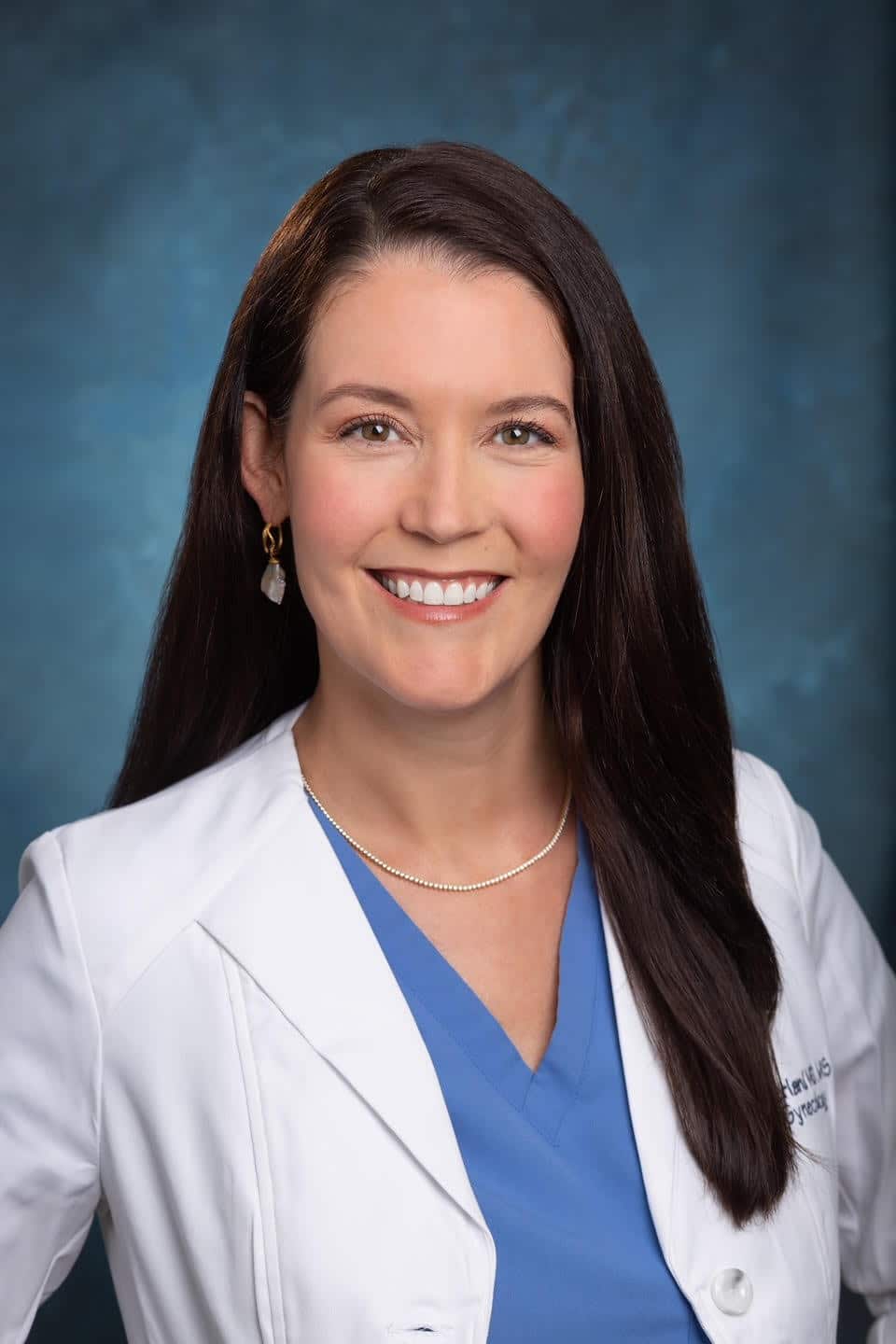
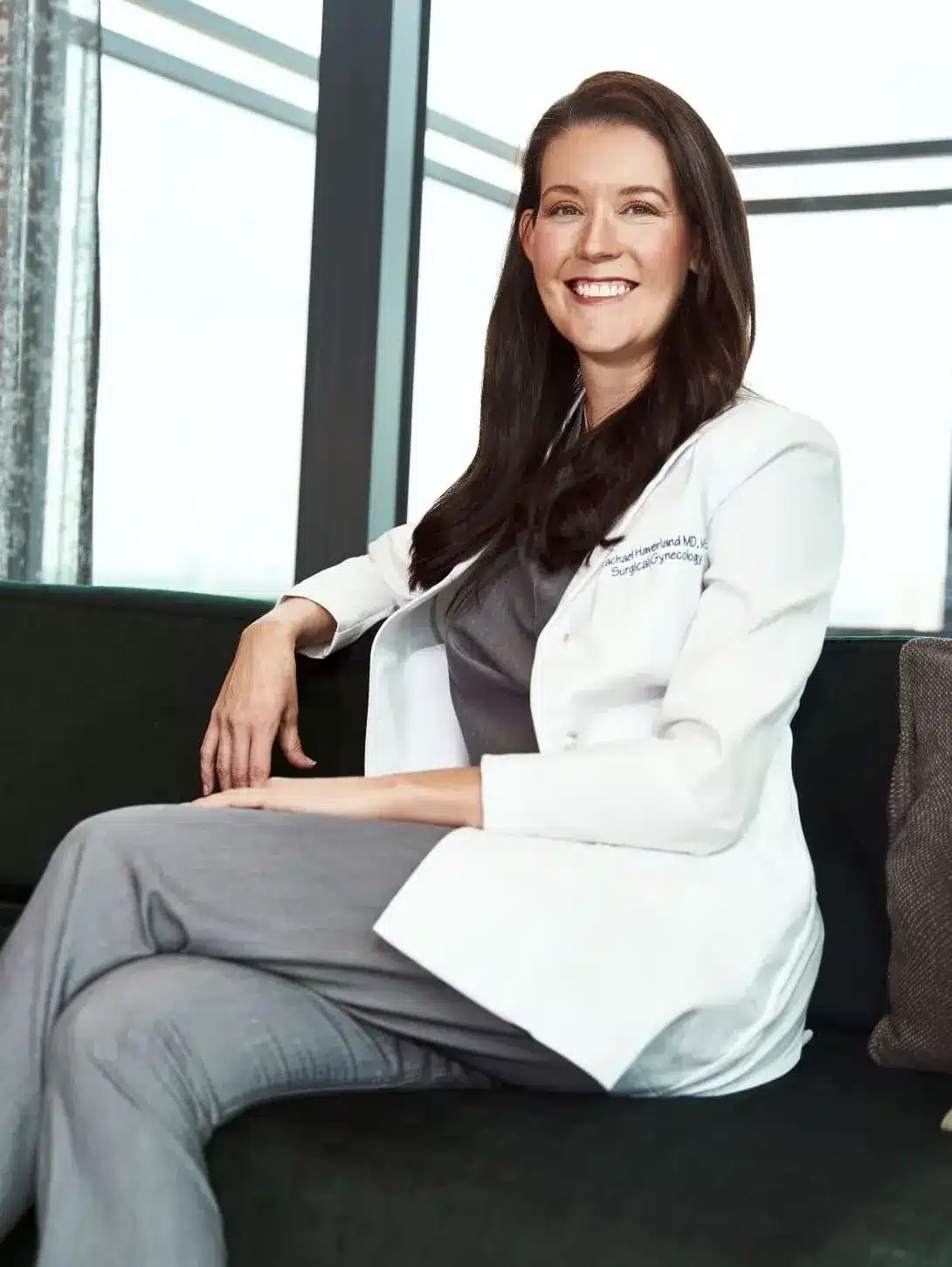
Yes, many individuals with endometriosis can become pregnant even though the condition may affect fertility. The severity of endometriosis varies significantly, and some may maintain normal reproductive function. Treatment options like surgery to remove endometriosis or hormone therapies can enhance fertility chances. Consulting a fertility specialist or an endometriosis-focused care provider can provide tailored strategies to help achieve successful conception. You can read more about Dr. Rachael Haverland and her approach to endometriosis care.
Conclusion
Finding a skilled endometriosis specialist is crucial for achieving an effective diagnosis and personalized treatment that addresses each patient’s unique symptoms. The right provider will not only understand the complexities of the condition but also collaborate with the patient to develop a comprehensive care plan tailored to their needs. By prioritizing experience and specialized training, patients can ensure they receive the highest-qualitythe pelvic organs, surrounding tissue, and scar tissue, and, in some cases, bowel or bladder care. Start your journey to pain relief and improved quality of life by connecting with an experienced endometriosis specialist today. You may also find How to Choose an Endometriosis Specialist: Finding the Right Surgeon for You helpful.