

Endometriosis is a chronic condition in which tissue similar to the lining of the uterus grows outside the uterus, leading to inflammation, pain, and, in some cases, fertility challenges. Although it affects millions of women worldwide, many patients experience years of symptoms before receiving an accurate diagnosis. Early recognition and specialized care can significantly improve quality of life by reducing pain, preserving reproductive health, and preventing the disease from progressing. Modern treatment approaches combine advanced diagnostic techniques, minimally invasive surgery, medical management, and ongoing support to address the unique needs of each patient. Understanding how endometriosis develops, recognizing its symptoms, and learning about available treatment options empowers patients to seek timely care and make informed decisions about their long-term health.
Understanding Endometriosis and Its Impact

Endometriosis is more than a painful menstrual condition. It is a long-term inflammatory disease that can affect multiple organs within the pelvis and, in some cases, areas outside the pelvic cavity. Because symptoms vary widely from one patient to another, diagnosis is often delayed, allowing the disease to progress over time.
Early evaluation by a specialist can help identify the condition before complications become more severe and create opportunities for more effective treatment planning.
What Is Endometriosis?
Endometriosis occurs when tissue similar to the endometrium grows outside the uterus. During the menstrual cycle, this tissue responds to hormonal changes much like the uterine lining. However, because it is located outside the uterus, the tissue cannot leave the body normally, leading to irritation, inflammation, scar tissue, and adhesions.
The condition most commonly affects the ovaries, fallopian tubes, pelvic lining, and tissues surrounding the uterus. In more advanced cases, endometriosis can also involve the bowel, bladder, diaphragm, or other nearby structures.
Although researchers continue to study its exact cause, endometriosis is recognized as one of the leading causes of chronic pelvic pain and infertility among women of reproductive age.
Who Is Most Commonly Affected?
Endometriosis primarily affects women during their reproductive years, although symptoms and diagnosis can occur at different ages. The condition affects an estimated 190 million women worldwide, making it one of the most common gynecologic disorders.
Certain factors may increase the likelihood of developing endometriosis, including family history, early onset of menstruation, shorter menstrual cycles, or prolonged exposure to estrogen. However, women without any known risk factors may also develop the disease.
Because symptoms often overlap with other conditions, many patients spend years seeking answers before receiving a definitive diagnosis. Raising awareness of the disease helps encourage earlier evaluation and treatment.
Common Symptoms of Endometriosis
The symptoms of endometriosis vary considerably between patients. While some experience severe pain that disrupts daily life, others may have only mild symptoms or discover the condition while being evaluated for infertility.
Recognizing common warning signs is one of the most important steps toward obtaining an accurate diagnosis and beginning appropriate treatment.
Pelvic Pain and Menstrual Symptoms
Pelvic pain is the hallmark symptom of endometriosis. The discomfort may occur before menstruation, during the menstrual cycle, or throughout the month. Some women describe sharp, stabbing pain, while others experience a constant aching sensation that worsens over time.
Menstrual cramps associated with endometriosis are often more intense than typical period pain and may not improve with over-the-counter pain medications. Heavy menstrual bleeding, prolonged periods, and irregular bleeding can also occur, affecting both physical comfort and daily routines.
Pain may extend beyond the pelvis and radiate into the lower back, hips, or legs depending on the location of endometriosis lesions and surrounding inflammation.
Before considering whether symptoms are related to endometriosis, it is helpful to understand the most common patterns patients experience.
-
Severe menstrual cramps that interfere with daily activities
-
Chronic pelvic pain between menstrual cycles
-
Heavy or prolonged menstrual bleeding
-
Lower back pain associated with menstruation
-
Pain during sexual intercourse
Severe menstrual cramps that interfere with daily activities
Chronic pelvic pain between menstrual cycles
Heavy or prolonged menstrual bleeding
Lower back pain associated with menstruation
Pain during sexual intercourse
Recognizing these symptoms early allows patients to seek specialized care before the condition progresses further.
Symptoms Beyond the Reproductive System
Although pelvic pain is the most recognized symptom, endometriosis can affect several body systems depending on where lesions develop. Some patients experience digestive symptoms that resemble irritable bowel syndrome, while others notice urinary discomfort or unexplained fatigue.
Pain during bowel movements or urination is particularly common when endometriosis affects nearby pelvic organs. Bloating, nausea, constipation, or diarrhea may also become more noticeable around menstruation because hormonal changes increase inflammation within affected tissues.
Some women experience infertility without significant pelvic pain, making endometriosis difficult to recognize without a comprehensive medical evaluation.
What Causes Endometriosis?
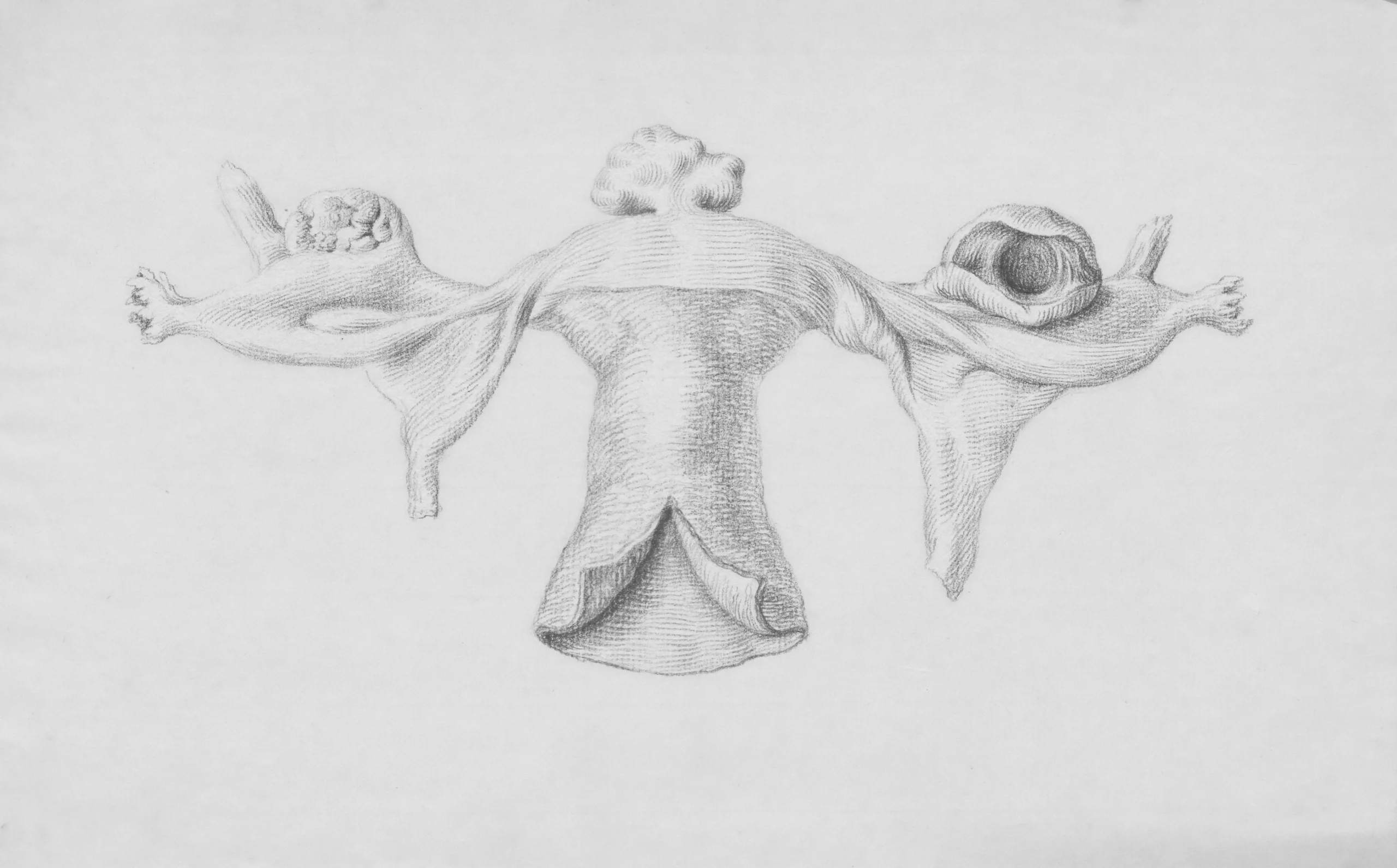
Although the exact cause remains unknown, researchers believe endometriosis develops through a combination of genetic, hormonal, immune, and environmental factors. Ongoing research continues to improve understanding of why the disease develops and why symptoms vary so greatly among patients.
Rather than a single cause, endometriosis appears to result from multiple biological processes working together over time.
Current Theories Behind Endometriosis Development
Several scientific theories attempt to explain how endometrial-like tissue develops outside the uterus. One of the most widely accepted explanations is retrograde menstruation, in which menstrual blood flows backward through the fallopian tubes into the pelvic cavity. While this may contribute to the disease, it does not fully explain every case.
Researchers have also explored genetic influences, immune system dysfunction, stem cell involvement, and cellular changes that may allow abnormal tissue growth outside the uterus. These factors likely interact differently from one patient to another, contributing to the wide variation in symptoms and disease progression.
As medical research advances, healthcare providers continue refining diagnostic and treatment strategies based on a better understanding of these mechanisms.
Risk Factors Associated With Endometriosis
Although any woman of reproductive age can develop endometriosis, certain characteristics may increase the likelihood of the condition. Understanding these risk factors can encourage earlier discussions with healthcare providers when symptoms arise.
The following factors have been associated with an increased risk of developing endometriosis:
Patients with one or more of these factors should not assume they will develop endometriosis, but awareness can support earlier recognition of symptoms.
Risk Factor
Why It May Increase Risk
Family history
Genetics may influence susceptibility to the disease.
Early onset of menstruation
Longer lifetime exposure to menstrual cycles may contribute to disease development.
Short menstrual cycles
More frequent cycles increase hormonal exposure.
Heavy menstrual bleeding
May be associated with increased pelvic inflammation.
Delayed pregnancy
Extended reproductive years may increase cumulative hormonal influence.
Understanding these risk factors allows patients to seek evaluation sooner if symptoms begin to develop.
How Endometriosis Is Diagnosed
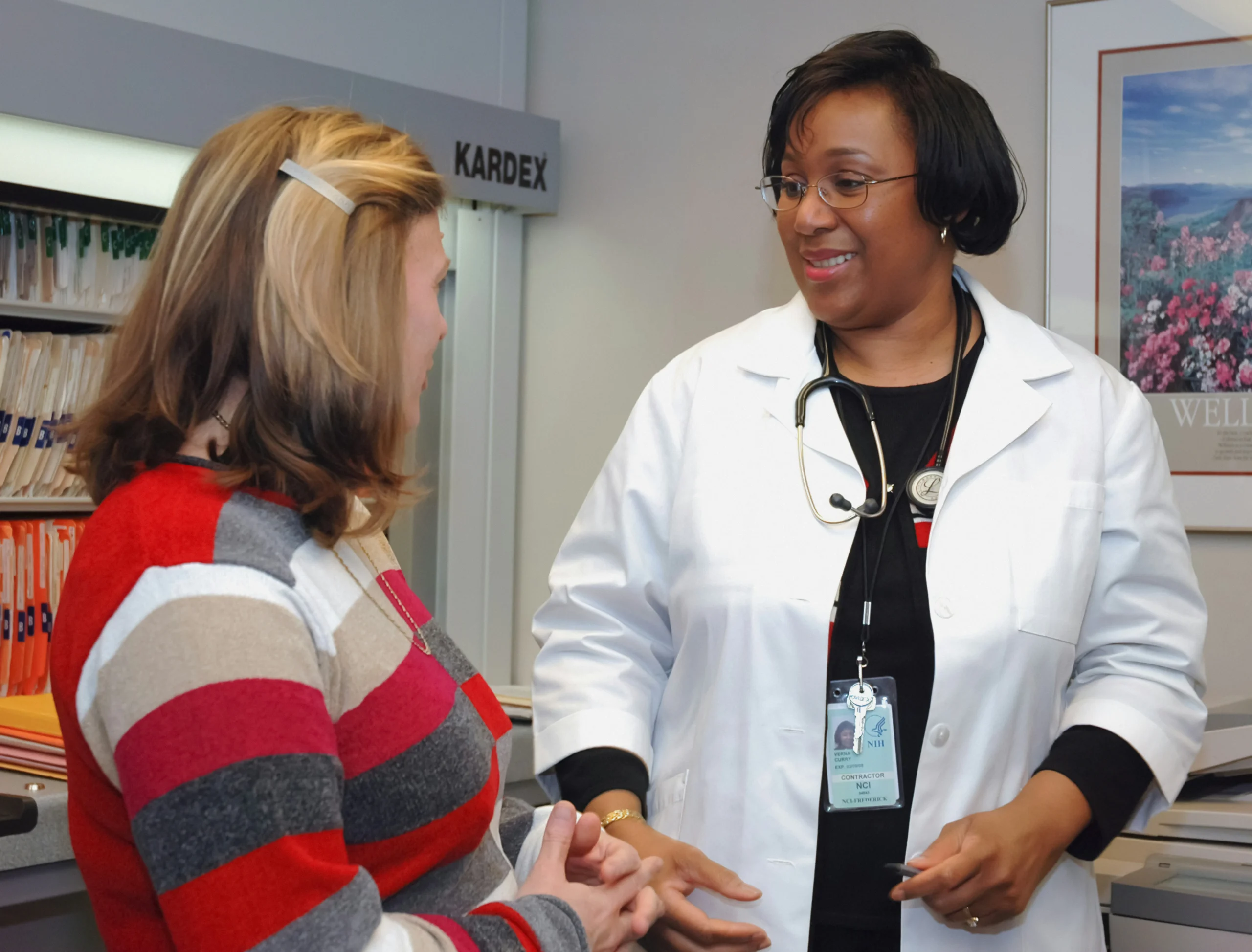
Diagnosing endometriosis can be challenging because its symptoms often resemble those of other gynecologic or gastrointestinal conditions. Many women experience years of discomfort before receiving a definitive diagnosis. A comprehensive evaluation performed by an experienced specialist helps distinguish endometriosis from other causes of chronic pelvic pain and guides the development of an individualized treatment plan.
Medical History and Clinical Evaluation
The diagnostic process usually begins with a detailed discussion of the patient’s symptoms, menstrual history, reproductive health, and previous treatments. Understanding when symptoms occur, how they affect daily life, and whether they have progressed over time provides valuable insight into the likelihood of endometriosis. Read more in Understanding Pre-Menstrual Symptoms in Endometriosis.
A physical examination may identify areas of tenderness, pelvic masses, or abnormalities that warrant further investigation. While these findings alone cannot confirm endometriosis, they help determine which diagnostic tests may be appropriate.
During the initial evaluation, healthcare providers often assess several aspects of the patient’s health:
A complete medical history provides an important foundation for identifying patterns that may suggest endometriosis and helps guide the next steps in diagnosis. We cover this further in Endometriosis Signs: Identifying Critical Symptoms.
-
Menstrual cycle patterns and symptom severity
-
History of pelvic pain or infertility
-
Previous abdominal or pelvic surgeries
-
Family history of endometriosis or related conditions
Menstrual cycle patterns and symptom severity
History of pelvic pain or infertility
Previous abdominal or pelvic surgeries
Family history of endometriosis or related conditions
Gathering this information early allows specialists to develop a more targeted diagnostic approach.
Imaging and Laparoscopic Diagnosis
Imaging studies such as ultrasound and MRI can provide valuable information about ovarian cysts, deep infiltrating endometriosis, and other pelvic abnormalities. While these tests support diagnosis and surgical planning, they cannot identify every form of the disease, particularly small or superficial lesions.
For patients with persistent symptoms and a high suspicion of endometriosis, minimally invasive laparoscopy remains the most reliable method for confirming the diagnosis. During the procedure, a small camera is inserted through tiny incisions, allowing the surgeon to directly examine the pelvic cavity and identify endometriosis lesions. Tissue samples may also be collected for microscopic evaluation when appropriate. We cover this further in Discover Natural Remedies for Endometriosis Symptoms.
Combining clinical evaluation, imaging, and laparoscopic assessment allows specialists to develop an accurate diagnosis while creating a treatment plan tailored to the patient’s individual condition.
Understanding the Stages of Endometriosis

Not every patient experiences endometriosis in the same way. The disease is classified into stages based on the location, size, depth, and extent of endometrial lesions and scar tissue. Staging helps healthcare providers describe disease progression and assists with treatment planning, although it does not always reflect the severity of symptoms. You may also find Alleviate Endometriosis Symptoms With Natural Remedies helpful.
The Four Stages of Endometriosis
The American Society for Reproductive Medicine (ASRM) classifies endometriosis into four stages ranging from minimal to severe. The classification considers the number of lesions, their depth, the presence of scar tissue, and ovarian involvement.
The following table provides a general overview of each stage:
Stage
Classification
General Characteristics
Stage I
Minimal
Few superficial lesions with limited scar tissue
Stage II
Mild
More lesions with deeper tissue involvement
Stage III
Moderate
Deep implants, ovarian cysts, and early adhesions
Stage IV
Severe
Extensive disease with dense adhesions and widespread involvement
Although staging provides useful clinical information, it should not be viewed as a measure of how much pain a patient experiences.
Does Disease Stage Determine Symptom Severity?
One of the most misunderstood aspects of endometriosis is the relationship between disease stage and symptoms. Some patients with Stage I disease experience severe pelvic pain that significantly affects daily life, while others with Stage IV disease may report relatively mild discomfort.
Pain is influenced by several factors beyond the amount of visible disease, including inflammation, nerve involvement, and the location of lesions. This is why treatment decisions are based on the patient’s symptoms, health goals, and overall clinical picture rather than staging alone. Read more in Discover Health Conditions with Symptoms Like Endometriosis.
A personalized approach ensures that each patient receives care tailored to their unique experience instead of relying solely on disease classification.
Treatment Options for Endometriosis

Treatment for endometriosis aims to relieve pain, improve quality of life, preserve fertility when appropriate, and reduce the impact of chronic inflammation. Because symptoms and disease severity vary considerably, treatment plans are customized to meet each patient’s specific needs and long-term goals. Read more in Safe Natural Remedies to Reduce Endometriosis Pain Symptoms.
Non-Surgical Treatment Options
Many patients begin with conservative treatment strategies designed to manage symptoms and slow disease progression. Hormonal therapies are commonly used to reduce hormonal stimulation of endometriosis tissue, while pain management approaches may help control discomfort during daily activities.
Lifestyle modifications can also play an important role. Regular physical activity, balanced nutrition, stress management, and adequate sleep may help some patients reduce symptom flare-ups and improve overall well-being when incorporated into a comprehensive treatment plan.
Although conservative treatment can provide meaningful relief for many women, it may not eliminate the underlying disease. Patients with persistent symptoms often require additional evaluation to determine whether surgical treatment is appropriate. We cover this further in Uncommon Symptoms of Endometriosis That Require Attention.
Minimally Invasive Excision Surgery
For patients with moderate to severe symptoms or those who have not responded to conservative treatment, laparoscopic excision surgery is considered one of the most effective treatment options. Unlike procedures that simply destroy the surface of endometriosis lesions, excision surgery removes the abnormal tissue while preserving surrounding healthy structures whenever possible.
The goals of surgery include reducing inflammation, relieving chronic pelvic pain, restoring normal pelvic anatomy, and improving fertility potential when desired. Modern minimally invasive techniques allow many patients to experience shorter recovery periods and less postoperative discomfort compared to traditional open surgery.
Successful treatment extends beyond the operation itself. Continued follow-up care, symptom monitoring, and individualized management help support long-term outcomes and improve quality of life.
Why a Multidisciplinary Approach Improves Endometriosis Care

Endometriosis is a complex condition that often affects more than the reproductive system. In addition to pelvic pain, patients may experience digestive symptoms, urinary concerns, fertility challenges, fatigue, and emotional stress. Because of these wide-ranging effects, comprehensive care frequently produces better long-term outcomes than treating symptoms individually. You may also find Comprehensive Guide to Treating Endometriosis Symptoms helpful.
A multidisciplinary approach brings together different areas of expertise to address every aspect of the condition while creating a treatment plan tailored to each patient’s needs and goals.
Comprehensive Care Beyond Surgery
Although surgery can play a central role in treating endometriosis, it is only one part of a complete care strategy. Successful long-term management often combines surgical treatment with ongoing symptom monitoring, hormonal management when appropriate, nutritional guidance, and pelvic health support.
Patients also benefit from regular follow-up appointments that allow healthcare providers to evaluate recovery, monitor symptom improvement, and make adjustments to treatment plans as needed. This continuous approach helps reduce the likelihood of persistent symptoms while improving overall quality of life. Read more in Discover Your Symptoms: Endometriosis Symptom Checker Guide.
A comprehensive treatment strategy may include:
Each component works together to address different aspects of the disease and provide patients with individualized, long-term support.
-
Advanced diagnostic evaluation
-
Minimally invasive excision surgery when appropriate
-
Hormonal symptom management
-
Nutritional and lifestyle recommendations
-
Long-term follow-up and recovery monitoring
Advanced diagnostic evaluation
Minimally invasive excision surgery when appropriate
Hormonal symptom management
Nutritional and lifestyle recommendations
Long-term follow-up and recovery monitoring
Providing coordinated care allows patients to receive consistent guidance throughout every stage of treatment.
Supporting Physical and Emotional Well-Being
Living with chronic pain and uncertainty can affect both physical and emotional health. Many patients experience frustration after years of searching for answers or trying treatments that provide only temporary relief.
A patient-centered approach recognizes that emotional well-being is an important part of recovery. Open communication, education, and realistic expectations help patients feel more confident throughout the treatment process. Supportive care also encourages patients to become active participants in managing their condition and maintaining long-term health.
When physical and emotional needs are addressed together, patients are often better equipped to navigate treatment and recovery with greater confidence.
When to Seek Specialized Endometriosis Care

While mild menstrual discomfort is common, persistent pelvic pain, worsening symptoms, or fertility concerns should not be ignored. Seeking evaluation from a specialist can help identify endometriosis earlier and provide access to advanced treatment options before the disease progresses.
Signs You Should Schedule an Evaluation
Many women assume painful periods are normal, causing them to delay seeking medical care. However, symptoms that interfere with work, school, relationships, or daily activities deserve professional evaluation.
Persistent symptoms often become more difficult to manage over time, making early diagnosis particularly valuable. A specialist can determine whether endometriosis or another pelvic condition is responsible for ongoing discomfort.
Patients should consider scheduling an evaluation if they experience:
Recognizing these symptoms early allows patients to begin appropriate treatment before chronic inflammation causes additional complications.
-
Severe menstrual cramps that worsen over time
-
Chronic pelvic pain between menstrual cycles
-
Heavy or irregular menstrual bleeding
-
Pain during intercourse
-
Pain with bowel movements or urination
-
Difficulty becoming pregnant
Severe menstrual cramps that worsen over time
Chronic pelvic pain between menstrual cycles
Heavy or irregular menstrual bleeding
Pain during intercourse
Pain with bowel movements or urination
Difficulty becoming pregnant
These symptoms do not always indicate endometriosis, but they should never be ignored when they persist or affect quality of life.
The Importance of Specialized Evaluation
Endometriosis can be difficult to diagnose because its symptoms overlap with several other conditions. Specialists with extensive experience evaluating pelvic pain understand the subtle differences that help distinguish endometriosis from other disorders.
Comprehensive evaluation may include a detailed symptom review, physical examination, imaging studies, and discussion of whether minimally invasive surgery is appropriate. This personalized approach helps patients receive accurate diagnoses and treatment recommendations that align with their individual health goals.
Seeking specialized care early can shorten the path to diagnosis and improve opportunities for successful long-term management.
Frequently Asked Questions About Endometriosis
Can Endometriosis Go Away on Its Own?
Endometriosis is a chronic condition that typically does not resolve without treatment. While symptoms may fluctuate over time, professional evaluation is important for developing an appropriate management plan.
Is Surgery Always Necessary for Endometriosis?
No. Treatment depends on symptom severity, reproductive goals, and the extent of disease. Some patients achieve symptom relief through medical management, while others benefit from minimally invasive excision surgery.
Can Endometriosis Affect Fertility?
Yes. Endometriosis can affect fertility by altering pelvic anatomy, causing inflammation, and interfering with normal reproductive function. However, many women with endometriosis are still able to become pregnant, especially with appropriate treatment.
Why Is Early Diagnosis Important?
Early diagnosis allows patients to begin treatment before symptoms worsen or complications develop. Prompt evaluation can improve pain management, preserve reproductive health, and help patients maintain a better quality of life.
Can Endometriosis Get Worse Over Time?
Yes. Without appropriate treatment, endometriosis may progress, leading to increased inflammation, scar tissue formation, and worsening symptoms. Early evaluation and personalized care can help manage the condition and reduce its long-term impact.
What Is the Difference Between Endometriosis and Painful Menstrual Cramps?
While menstrual cramps are common, endometriosis pain is often more severe, lasts longer, and may occur before, during, or after a menstrual period. It can also be accompanied by symptoms such as pelvic pain between cycles, pain during intercourse, digestive discomfort, or fertility challenges.
Can Endometriosis Return After Treatment?
Although treatment can significantly reduce symptoms and remove endometriosis lesions, the condition may recur in some patients over time. Regular follow-up appointments and an individualized long-term management plan can help monitor symptoms and support ongoing pelvic health.
Conclusion
Endometriosis is a complex condition that extends beyond menstrual pain, affecting physical health, fertility, emotional well-being, and overall quality of life. Understanding its symptoms, causes, diagnostic process, and available treatment options empowers patients to seek timely care and make informed decisions about their health. Because every patient’s experience is unique, personalized treatment plans that combine accurate diagnosis, advanced surgical techniques, and long-term support often provide the most effective path toward lasting symptom relief.
At the Endometriosis Center of Excellence, patients receive individualized care focused on accurate diagnosis, minimally invasive treatment, and compassionate long-term management. Explore our comprehensive approach to endometriosis care to learn how our experienced team can help you find answers, reduce pain, and take the next step toward improving your health and quality of life.