
For women living with endometriosis, questions about fertility often come with a sense of uncertainty. The condition can affect reproductive health in ways that are not always immediate or predictable, which makes long-term planning more complex.
Egg freezing offers a way to approach this uncertainty with greater clarity. By preserving eggs at an earlier stage, it allows women to maintain more control over future family planning while focusing on managing their health in the present.
This approach is particularly relevant in endometriosis, where factors such as disease progression and surgical treatment can influence fertility over time. Planning ahead creates flexibility, making it easier to align treatment decisions with personal goals.
With the guidance of a specialist team, egg freezing can be integrated into a broader care plan that supports both current well-being and future reproductive options.
Why Endometriosis Can Affect Fertility Over Time

Endometriosis can influence fertility in ways that develop gradually rather than all at once. The condition affects the pelvic environment, ovarian function, and, in some cases, the structure of reproductive organs. Because these changes may progress over time, understanding their impact early can support better planning and decision-making.
Impact on Ovarian Reserve
Ovarian reserve refers to the number and quality of eggs available in the ovaries. In women with endometriosis, this reserve may decline more quickly, particularly when the ovaries are directly affected.
Conditions such as ovarian cysts, often referred to as endometriomas, can alter ovarian tissue and reduce the pool of healthy eggs. In addition, any prior surgical treatment involving the ovaries may further influence reserve. Monitoring ovarian reserve over time provides useful insight into fertility potential and helps guide decisions about preservation.
Role of Inflammation and Disease Progression
Endometriosis is associated with chronic inflammation within the pelvic region. This inflammatory environment can affect how reproductive processes function, including egg quality and the conditions needed for fertilization.
As the disease progresses, inflammation and scar tissue may increase, which can further affect reproductive health. These changes may not always produce immediate symptoms, but they can still influence long-term fertility outcomes. Recognizing the role of inflammation highlights the importance of timely evaluation and proactive planning.
Effect of Surgical Treatment on Fertility
Surgical treatment can play an important role in managing endometriosis, particularly when symptoms are severe or when deeper disease is present. At the same time, procedures involving the ovaries require careful planning.
During surgery, the goal is to remove endometriosis tissue while preserving as much healthy ovarian tissue as possible. Even with careful technique, there can be some impact on ovarian reserve, depending on the extent of disease and the complexity of the procedure.
For this reason, fertility planning is often discussed alongside surgical treatment. Coordinating these aspects of care helps ensure that both symptom management and future reproductive goals are supported.
Why Egg Freezing Is Often Recommended

Egg freezing is often considered in endometriosis as part of a forward-looking fertility strategy. It provides an opportunity to preserve reproductive potential at a point when egg quality and quantity may be more favorable. This can be especially valuable in a condition where fertility may change over time. Rather than responding to fertility challenges later, this approach allows for earlier planning and greater flexibility in how treatment decisions are made.
Preserving Fertility Before It Declines
One of the key reasons egg freezing is recommended is to preserve eggs before any significant decline in ovarian reserve. Since both age and endometriosis can influence egg quality, earlier preservation can improve the chances of future success.
By taking this step at the right time, patients are able to retain more options for family planning later in life.
Creating Flexibility in Treatment Planning
Egg freezing allows treatment decisions to be made with fewer constraints related to immediate fertility concerns. Patients who require surgery or ongoing medical management can proceed with care while knowing that reproductive options have been preserved.
This flexibility supports a more balanced approach to treatment, where symptom management and long-term planning can be addressed together.
Reducing Pressure Around Timing of Pregnancy
Many women with endometriosis face decisions about when to pursue pregnancy. Egg freezing can reduce the urgency associated with these decisions by preserving fertility for future use.
This can ease emotional pressure and allow patients to focus on their health, personal goals, and readiness for parenthood without feeling constrained by timing.
When to Consider Egg Freezing in Endometriosis

The decision to freeze eggs is influenced by several factors, including age, disease severity, and personal plans. Identifying the right time to consider this option is an important part of effective fertility planning. Certain situations make this conversation particularly relevant and can guide when evaluation should take place.
Before Ovarian Surgery
Egg freezing is often discussed before surgical procedures that involve the ovaries. Since surgery can affect ovarian reserve, preserving eggs beforehand may help protect future fertility options. Planning ahead allows for better coordination between fertility specialists and surgical teams.
When Ovarian Reserve Shows Early Changes
Personal and professional factors often influence the timing of pregnancy. For women with endometriosis, delaying pregnancy can intersect with changes in fertility over time. n in this context allows patients to make use of their current fertility potential.
When Pregnancy Is Being Delayed
Personal and professional factors often influence the timing of pregnancy. For women with endometriosis, delaying pregnancy can intersect with changes in fertility over time. Egg freezing provides a way to preserve options while maintaining flexibility in life planning.
After Diagnosis of Moderate to Severe Endometriosis
In cases where endometriosis is more advanced, the risk to fertility may be higher. Early discussion of egg freezing in this setting can help patients understand their options and plan accordingly. A proactive approach ensures that decisions are made with a clear understanding of both current health and future goals.
How Egg Freezing Fits Into a Treatment Plan
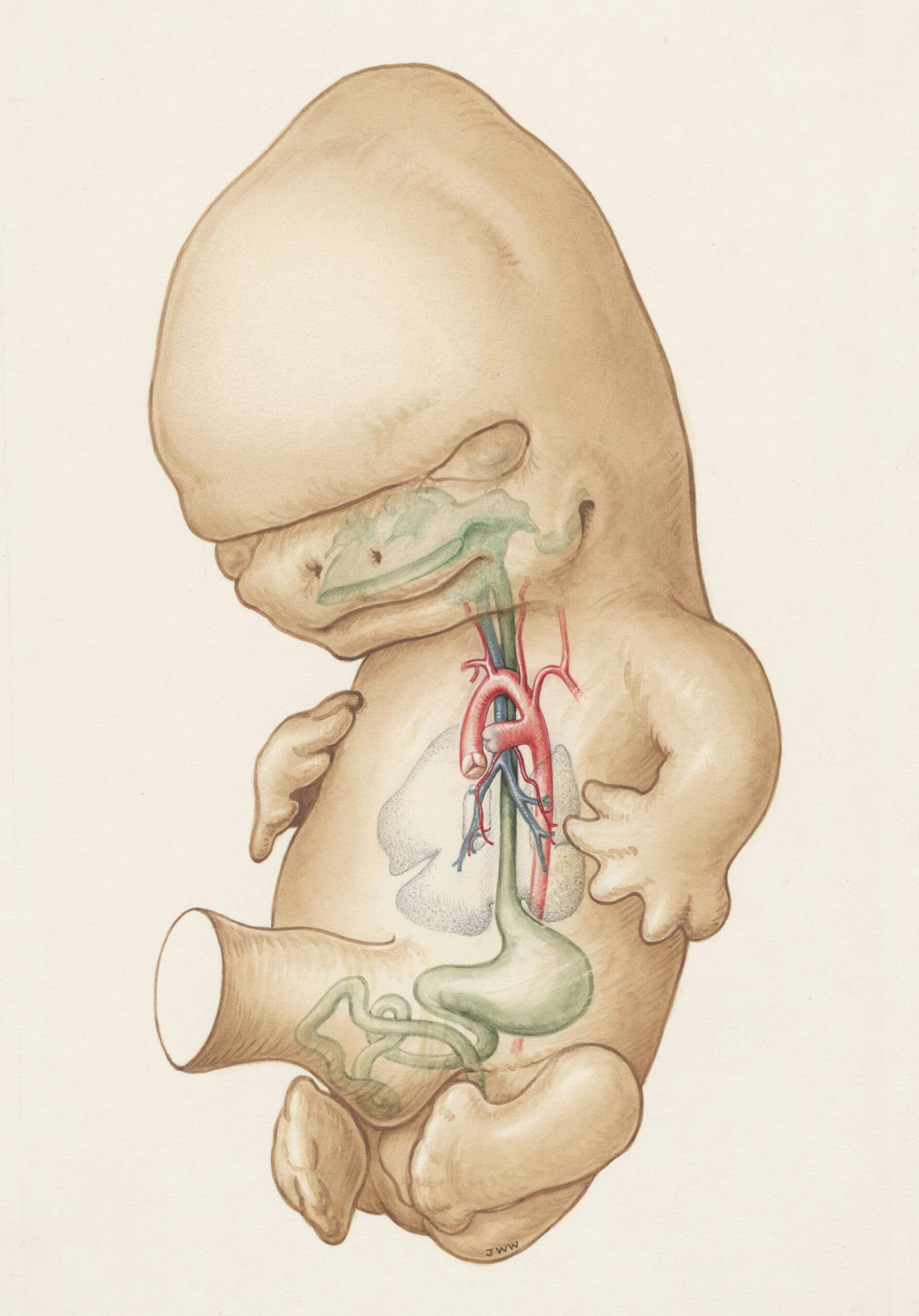
Egg freezing is most effective when it is integrated into a broader, well-coordinated care plan. Rather than being treated as a standalone decision, it is aligned with ongoing treatment, symptom management, and long-term reproductive goals. A structured approach helps ensure that each step, whether related to fertility or treatment, supports the overall plan.
Coordination with Surgical Treatment
In many cases, egg freezing is considered in relation to planned surgical care. When ovarian surgery is anticipated, preserving eggs beforehand may help protect future fertility options.
In other situations, surgery may take place first, followed by fertility planning based on updated findings. The sequence depends on individual circumstances and requires careful coordination between specialists.
Integration with Fertility Care
Fertility specialists play a key role in assessing reproductive potential and guiding the preservation process. Their input helps determine timing, expected outcomes, and whether additional cycles may be beneficial. Working closely with a fertility team ensures that decisions are based on a clear understanding of current fertility status and future possibilities.
Personalized Planning Approach
Each patient’s situation is unique, which is why fertility planning is individualized. Factors such as age, ovarian reserve, symptom severity, and personal goals all influence the approach. A personalized plan provides a clear timeline and allows for adjustments as circumstances change. This flexibility helps patients move forward with greater confidence and clarity.
What Influences Success with Egg Freezing
Outcomes with egg freezing are influenced by several key factors. Understanding these helps set realistic expectations and supports more informed decision-making. Rather than focusing on a single number or outcome, it is helpful to consider how these factors work together in shaping future success.
Age and Egg Quality
Age is one of the most important factors affecting egg quality. Eggs preserved at a younger age tend to have higher potential for successful fertilization and pregnancy. For this reason, earlier consideration of egg freezing can be beneficial in preserving reproductive potential.
Number of Eggs Retrieved
The number of eggs retrieved during a cycle also plays a role in overall success. In some cases, more than one cycle may be recommended to achieve an adequate number of stored eggs. This varies between individuals and is guided by ovarian reserve and response to stimulation.
Timing of Preservation
The timing of egg freezing in relation to disease progression and treatment is another important factor. Preserving eggs before significant decline in ovarian reserve can improve future outcomes. Early evaluation allows for better planning and helps identify the most appropriate timing.
Individual Health and Disease Severity
Overall health and the extent of endometriosis can influence both the egg retrieval process and long-term outcomes. Patients with more advanced disease may require more tailored approaches, with close monitoring and coordination between specialists.
Emotional and Practical Considerations
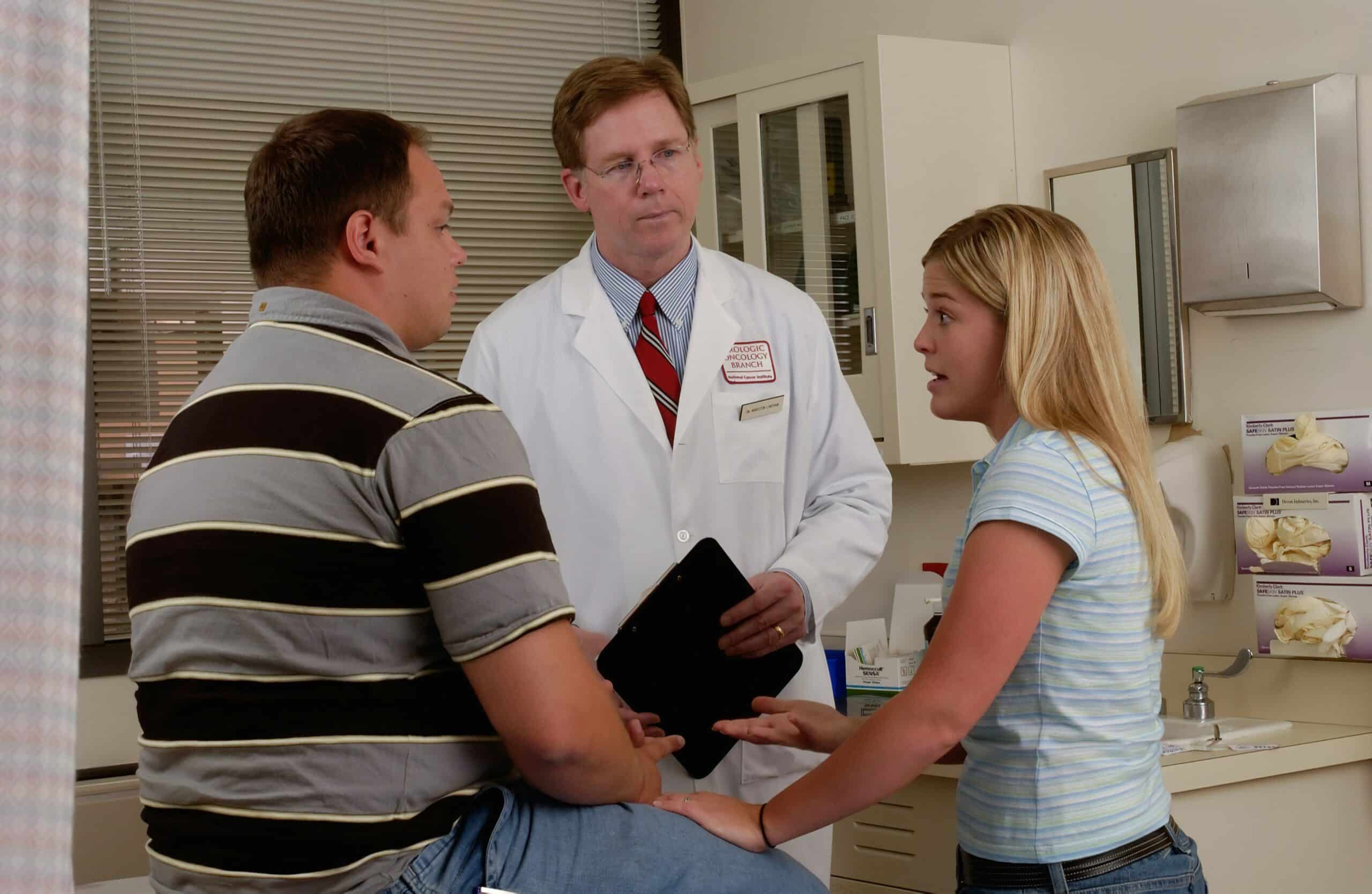
Fertility planning in endometriosis involves more than clinical decisions. It often brings emotional, logistical, and financial considerations that influence how and when patients move forward. A clear understanding of these factors can make the process more manageable and help patients feel more supported throughout their care.
Managing Uncertainty and Decision-Making
Uncertainty is a common part of fertility planning, especially when timelines are not clearly defined. Patients may find themselves balancing current health needs with future goals, which can feel complex.
Structured guidance from specialists helps clarify available options and expected outcomes. This support allows patients to make informed decisions at a pace that aligns with their comfort level.
Planning Around Work and Daily Life
Egg freezing requires coordination with daily responsibilities. Appointments, monitoring visits, and recovery time need to be factored into work schedules and personal commitments. Planning ahead can reduce stress and make the process more manageable. Many patients benefit from discussing timelines in advance so they can prepare accordingly.
Financial and Logistical Considerations
Cost and access to care are important practical factors. Understanding the financial aspects of fertility preservation, including potential need for more than one cycle, allows for better preparation. Some patients also need to consider travel, scheduling, and support at home during parts of the process. Addressing these details early helps avoid unnecessary delays.
Role of Emotional Support
Emotional support plays an important role throughout fertility planning. Counseling, support groups, or conversations with others who have had similar experiences can provide reassurance and perspective. A care model that includes psychological support helps patients navigate decisions with greater confidence and reduces the emotional burden often associated with uncertainty.
The Importance of Specialist Care
Egg freezing in the context of endometriosis requires a level of expertise that goes beyond standard fertility treatment. Because the condition affects reproductive health in specific ways, care is most effective when it is tailored to these complexities. Working with a team experienced in both endometriosis and fertility planning ensures that decisions are aligned and coordinated.
Multidisciplinary Approach
A multidisciplinary model brings together specialists from different areas, including endometriosis surgeons, fertility experts, and support providers. This collaboration allows for a more complete understanding of each patient’s situation. When care is coordinated, treatment steps can be timed appropriately, reducing the risk of conflicting recommendations and improving overall outcomes.
Experience with Endometriosis-Specific Fertility Planning
Fertility preservation in endometriosis requires an understanding of how the condition affects ovarian function, disease progression, and treatment timing. Specialists with experience in this area can provide more precise guidance on when to consider egg freezing and how to integrate it into a broader care plan.
Coordinated Treatment Pathways
A well-structured care pathway helps patients move through evaluation, planning, and treatment with clarity. This includes clear timelines, coordinated scheduling, and consistent follow-up. Such an approach reduces uncertainty and ensures that each step supports both immediate health needs and long-term reproductive goals.
Frequently Asked Questions
When is the best time to freeze eggs with endometriosis?
The timing depends on individual factors such as age, ovarian reserve, and disease severity. Many specialists recommend considering egg freezing earlier, especially before any significant decline in ovarian function or before planned ovarian surgery.
Do I need to freeze eggs before surgery?
In some cases, egg freezing is discussed before surgery to help preserve fertility, particularly when the ovaries are involved. The decision depends on the extent of disease and overall treatment plan, so it is best made in coordination with both surgical and fertility specialists.
How many eggs should I freeze?
The number of eggs needed varies from person to person. Factors such as age and ovarian reserve influence this, and some patients may require more than one cycle to reach an optimal number. A fertility specialist can provide individualized guidance.
Can I still try to conceive naturally after freezing eggs?
Yes, egg freezing does not affect the ability to conceive naturally. It serves as a backup option, allowing patients to pursue natural conception while having preserved eggs available if needed later.
Does egg freezing affect endometriosis symptoms?
Egg freezing itself does not treat endometriosis or directly reduce symptoms. It is a fertility preservation strategy that is often combined with other treatments aimed at managing the condition.
How long can frozen eggs be stored?
Frozen eggs can be stored for many years without significant decline in quality. Storage duration depends on individual plans and local regulations, and this can be discussed with your fertility clinic.
Is egg freezing safe for women with endometriosis?
Egg freezing is generally considered safe, though individual risks vary. Fertility specialists monitor the process closely and adjust protocols based on each patient’s condition to ensure safety and effectiveness.
Conclusion
Egg freezing offers women with endometriosis a practical way to plan for the future while managing a condition that can affect fertility over time. By preserving eggs at an earlier stage, patients can maintain flexibility and make treatment decisions with greater confidence.
A well-coordinated approach that includes fertility specialists and endometriosis experts helps ensure that preservation strategies align with overall care. This allows patients to address current health needs while keeping future reproductive options open.
If you are considering egg freezing, a consultation with an experienced care team can provide clarity on timing, expectations, and the most appropriate path forward based on your individual goals.