If you are trying to conceive or have been struggling to get pregnant, a pelvic exam is often one of the first steps your doctor will take. Understanding the role of pelvic exam in fertility issues helps you see why this simple, in-office evaluation matters so much. In just a few minutes, a trained provider can check the health of your cervix, uterus, and ovaries and look for physical signs of conditions such as endometriosis, fibroids, and ovarian cysts that can make conception harder.
At the Endometriosis Center of Excellence in Dallas, we see many patients whose fertility concerns are closely tied to endometriosis and pelvic pain. In this guide, we explain what a pelvic exam involves, what it can and cannot reveal about your reproductive health, which tests usually come next, and how to prepare so your visit feels more comfortable and productive.
What Is the Role of a Pelvic Exam in Fertility?
A pelvic exam is a hands-on evaluation of your reproductive organs. It does not diagnose infertility by itself, but it gives your provider a physical baseline of your reproductive health and helps decide which tests to order next. For many women, it is the first time anyone has looked for a physical reason behind painful periods, ongoing pelvic pain, or months of trying without success.
What Happens During the Exam
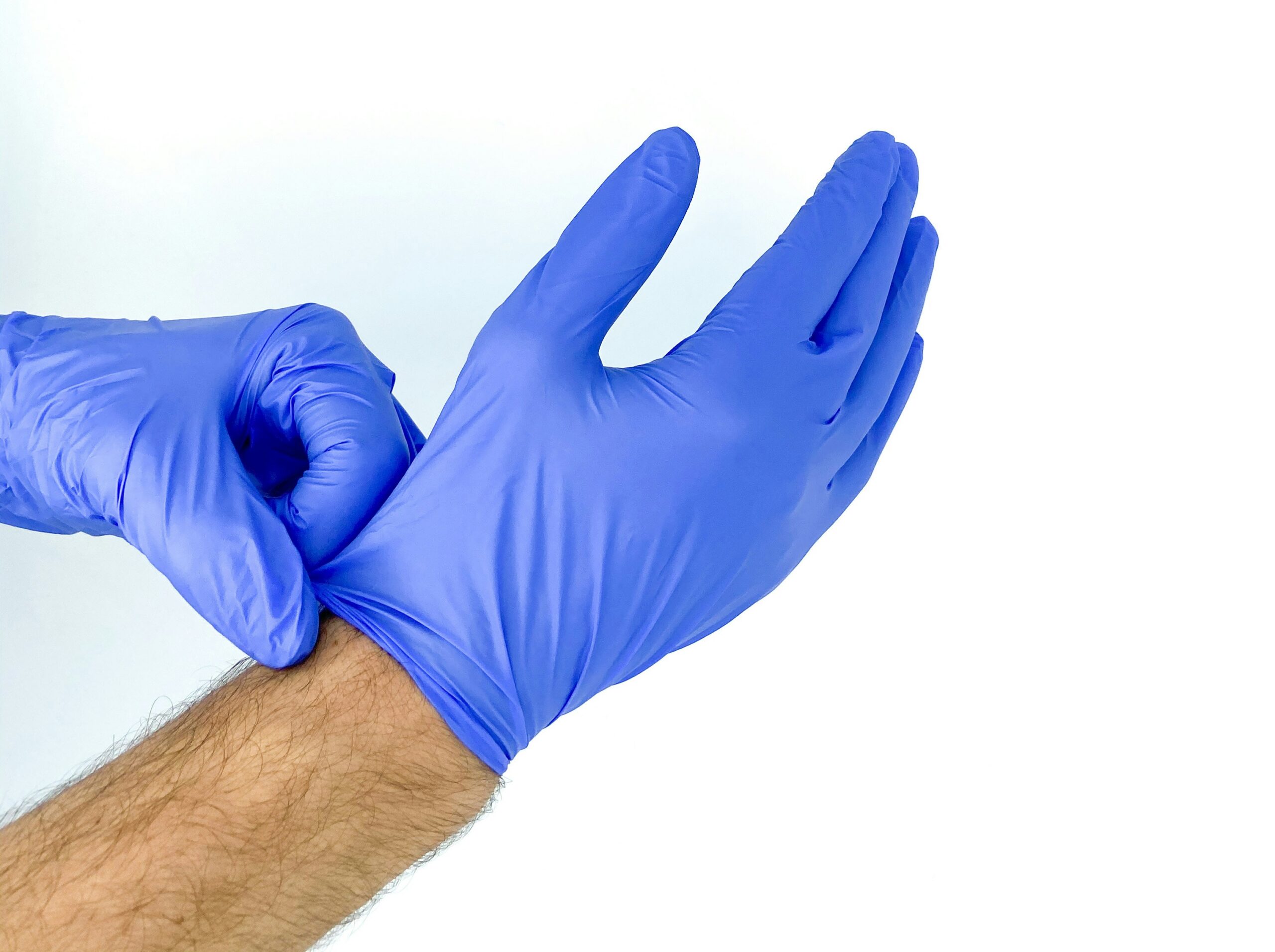
Most pelvic exams follow three steps. First, your provider looks at the external genital area for irritation, lesions, or signs of infection. Next, a speculum is gently inserted so the vaginal walls and cervix can be seen clearly. Finally, during the bimanual exam, your provider places two gloved fingers in the vagina and presses gently on your lower abdomen to feel the size, shape, and position of your uterus and ovaries. In some cases, a rectovaginal exam is added to check the area behind the uterus, where endometriosis often grows.
Why It Matters When You Are Trying to Conceive
Many conditions that affect fertility leave physical clues long before they are confirmed on imaging or during surgery. A uterus that does not move freely, tenderness behind the cervix, or an enlarged ovary can all point your provider toward the right next step. Catching these findings early can shorten the time it takes to reach a diagnosis, which matters when every month of trying counts. The exam also gives you a chance to talk openly about your cycle, symptoms, and goals so the rest of your evaluation can be planned around them.
Fertility Problems a Pelvic Exam Can Help Detect
A pelvic exam cannot see inside the uterus or fallopian tubes, but it can raise suspicion for several common causes of fertility problems. Your provider will compare what they feel and see with the symptoms you describe. Common findings include:
-
Endometriosis, which may cause tenderness, nodules behind the uterus, or a uterus that feels fixed in place
-
Ovarian cysts, including endometriomas, which can make an ovary feel enlarged or tender
-
Uterine fibroids, which can make the uterus feel larger or irregular in shape
-
Pelvic inflammatory disease or other infections, often suggested by pain when the cervix is moved
-
Structural differences in the uterus or cervix that may need imaging to confirm
Signs of Endometriosis During the Exam
Endometriosis is one of the most common conditions we see in patients with fertility concerns. During the bimanual or rectovaginal exam, your provider may notice small, firm nodules along the ligaments behind the uterus, pain that matches what you feel during your period or with sex, or reduced movement of the uterus caused by scar tissue. These findings do not confirm endometriosis on their own, and a normal exam does not rule it out, because small or superficial lesions often cannot be felt. They do help decide whether imaging or a referral to an endometriosis specialist is the right next step.
Pap Smears and Cervical Cancer Screening
A pelvic exam is also a good reminder to keep your cervical cancer screening up to date with your gynecologist. A Pap smear collects cells from the cervix to look for precancerous changes. Current guidelines generally recommend screening every three years starting at age 21, and from age 30 to 65, HPV testing alone or with a Pap smear every five years is another option. Healthy cervical tissue matters for fertility, and treating abnormal cells early helps protect it. During the speculum exam, your provider can also spot less common problems, such as unusual lesions on the vaginal walls, which in rare cases need further evaluation to rule out vaginal cancer. We cover this further in What to Expect in a Pelvic Exam for Endometriosis Diagnosis.
What Happens After a Pelvic Exam?
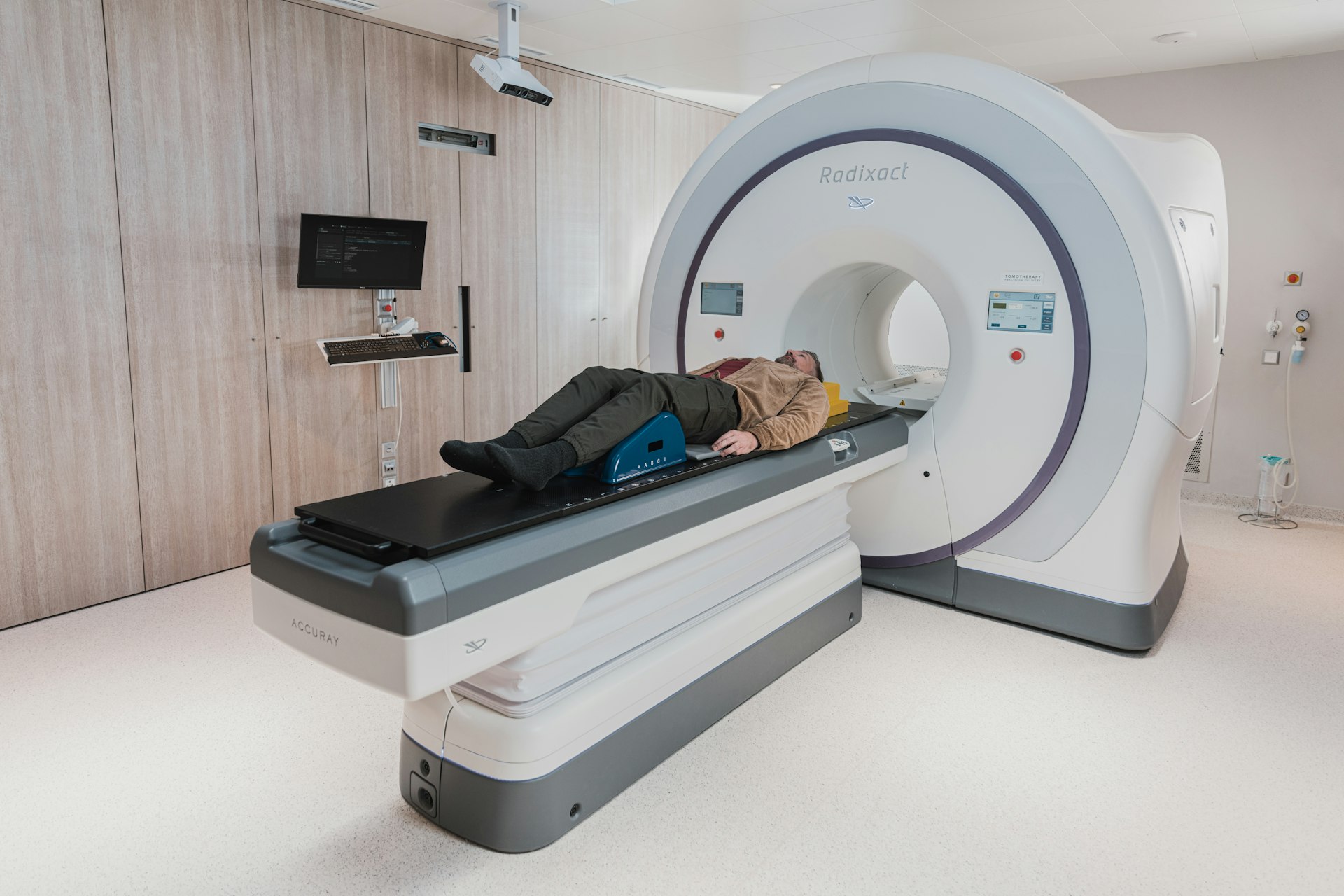
Your pelvic exam findings, together with your symptoms and history, guide the next part of your fertility evaluation. Most patients need one or two additional tests to confirm what the exam suggests and to rule out other causes. For more detail, see our article Endometriosis and Fertility: The Complete Authority Guide.
Ultrasound, Hormone Tests and Tubal Studies
A transvaginal ultrasound is usually the next step because it shows the uterus and ovaries in real time and can identify endometriomas, fibroids, and some deeper endometriosis nodules. Blood tests such as anti-Müllerian hormone (AMH), follicle-stimulating hormone (FSH), and estradiol help estimate ovarian reserve and check for hormonal causes of irregular ovulation. If there is concern about blocked fallopian tubes, a hysterosalpingogram (HSG) uses contrast dye and X-ray imaging to see whether the tubes are open. For more complex cases, a pelvic MRI can map deep endometriosis before surgery. Read more in Understand Ultrasound’s Role in Endometriosis Detection.
When Laparoscopy and Excision Surgery Make Sense
When symptoms are severe, imaging is unclear, or endometriosis is strongly suspected, laparoscopy offers a definitive answer. During this minimally invasive procedure, the surgeon can see the pelvic organs directly, take tissue samples, and remove disease at the same time. At our center, Dr. Rachael Haverland, who completed fellowship training in minimally invasive endometriosis surgery at the Mayo Clinic, performs laparoscopic and robotic-assisted endometriosis excision surgery. Excision removes lesions at the root instead of burning the surface, which can help restore normal pelvic anatomy, and studies have shown improved fertility after excision, both with natural conception and with IVF.
How Your Results Shape a Treatment Plan
Once your results are in, your care team puts the pieces together to decide what to address first. If endometriosis is the main concern, treatment may focus on relieving pain and removing disease before you try to conceive again or move on to fertility treatment. If fibroids, cysts, or tubal problems are found, those may be managed first. Throughout this process, we take time to explain your options, answer your questions, and make sure your plan fits both your symptoms and your family-building goals. Read more in Role of Diet and Exercise in Endometriosis Fertility.
How to Prepare for a Fertility-Focused Pelvic Exam
A little preparation can make your exam more comfortable and help your provider get the most useful information from the visit. It also helps you feel more in control, which can ease the anxiety many people feel before a pelvic exam, especially after years of pain or unanswered questions. You may also find Key Tips on How to Prepare for a Pelvic Exam for Diagnosis helpful.
Tips for a More Comfortable Visit
If possible, schedule your exam on a day when you are not on your period or when bleeding is light. Avoid intercourse, douching, and vaginal creams for a day or two beforehand, since they can affect how the cervix looks and how samples are read. Empty your bladder right before the exam, wear comfortable two-piece clothing, and feel free to bring a support person or ask for a chaperone. If you have endometriosis or a history of painful exams, tell your provider at the start so they can go slowly, use a smaller speculum, and pause whenever you need.
Questions to Ask Your Doctor
Write down your questions before the appointment so nothing gets missed. Helpful questions include what your provider is checking for, whether any findings could explain your symptoms or trouble conceiving, which tests you need next, and how long results usually take. It also helps to bring a simple record of your cycle length, pain patterns, and how long you have been trying to conceive, since this history shapes your entire evaluation.
Frequently Asked Questions About Pelvic Exams and Fertility
Can a Pelvic Exam Tell If You Are Infertile?
No. A pelvic exam cannot confirm infertility on its own, but it can reveal signs of conditions that affect fertility, such as endometriosis, fibroids, or ovarian cysts. Your provider will combine the findings with ultrasound, hormone tests, and other evaluations to get a full picture.
When Should I See a Doctor About Trouble Getting Pregnant?
Most experts recommend seeing a doctor if you are under 35 and have not conceived after 12 months of trying, or after 6 months if you are 35 or older. If you have known endometriosis, irregular periods, or severe pelvic pain, it is best to seek an evaluation sooner.
Can a Pelvic Exam Detect Blocked Fallopian Tubes?
Not directly. A pelvic exam may reveal tenderness or other signs that suggest a tubal problem, but tests such as a hysterosalpingogram (HSG) or laparoscopy are needed to check whether the fallopian tubes are open.
Does a Pelvic Exam Affect My Chances of Getting Pregnant?
No. A pelvic exam is a safe, routine procedure and does not harm your fertility or your ability to conceive. It is often one of the most useful first steps in understanding what may be making conception difficult.
Is a Pap Smear Part of Every Pelvic Exam?
No. A Pap smear is only collected when you are due for cervical cancer screening. A pelvic exam can be done on its own to check your reproductive organs, so ask your provider whether you need a Pap smear at your visit.
Conclusion
A pelvic exam gives you and your provider a clear starting point when you are facing fertility challenges. In just a few minutes, it can reveal signs of endometriosis, fibroids, cysts, and infections, guide the right tests, and shorten the path to answers about your reproductive health when every month of trying matters.
If you are struggling to get pregnant or have symptoms that could point to endometriosis, the Endometriosis Center of Excellence in Dallas is here to help. Call us at (214) 281-4460 or schedule an appointment online for a thorough evaluation and a personalized plan to support your fertility journey.