

A pelvic exam is often the initial step in identifying endometriosis, a condition impacting about one in ten women globally during their reproductive years. Understanding what to expect and how to prepare can shift apprehension into assurance. This guide will walk you through what to anticipate, how to communicate effectively with your healthcare provider, and self-care strategies to enhance your comfort. We’ll explore seven key areas:
-
What a pelvic exam involves and its importance for endometriosis diagnosis.
-
How to compile your medical history, medication list, and other essential details before your appointment.
-
Effective methods for easing anxiety and physical discomfort.
-
A clear, step-by-step breakdown of the examination process.
-
The role of further imaging and planning your treatment.
-
Crucial questions to ask your endometriosis specialist.
-
The empowering impact of shared patient experiences and support systems.
Drawing on the expertise at Endo Excellence Center, this guide is designed to help you approach your exam feeling prepared, reassured, and in control.
Understanding the Pelvic Exam and Its Role in Endometriosis Diagnosis
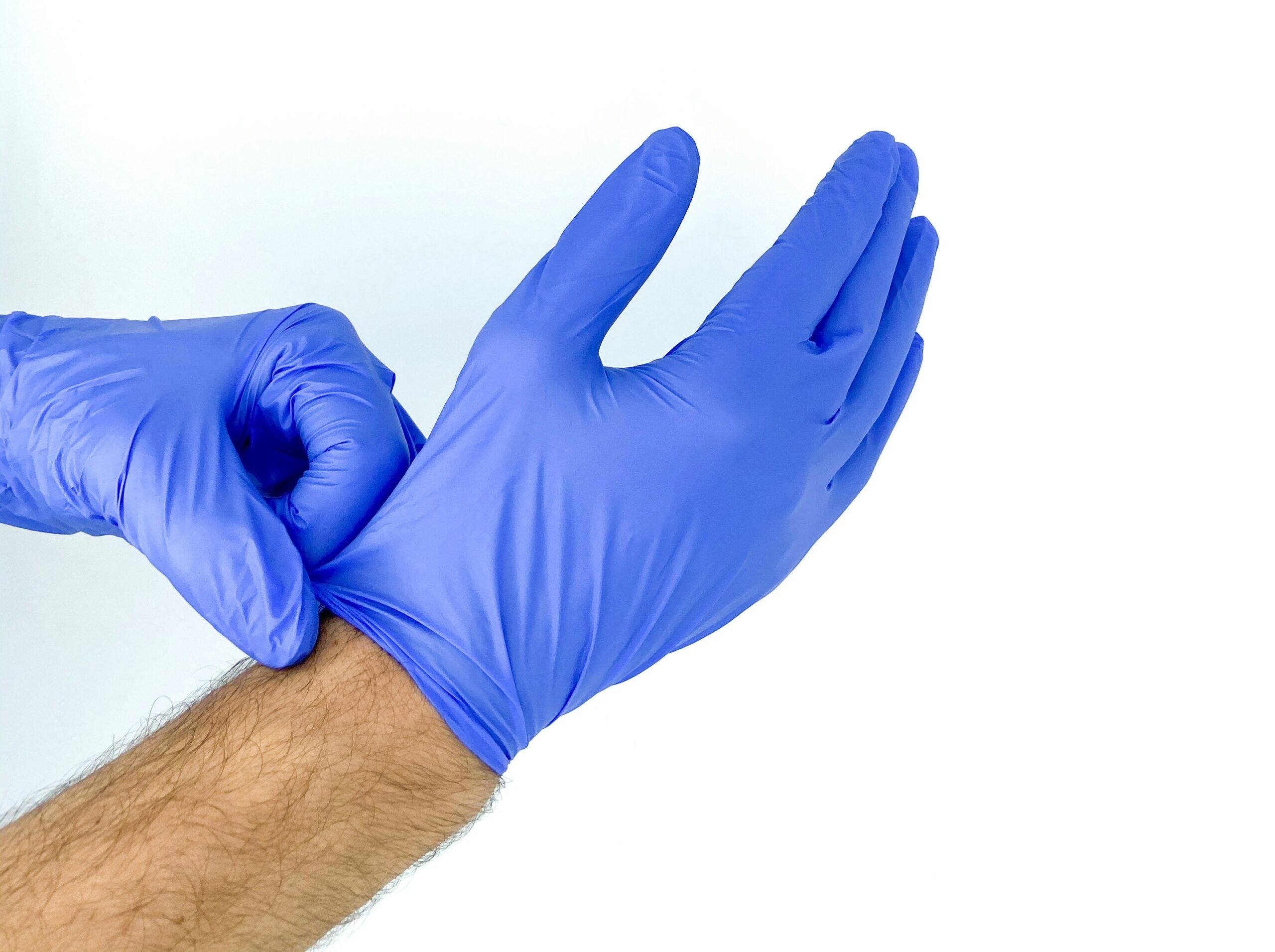
A pelvic exam is a hands-on assessment where a healthcare professional examines your reproductive organs to detect signs of conditions like endometriosis. This examination allows your provider to feel for any irregularities, such as nodules in the uterine tissue, ovarian cysts, or areas of tenderness, which can be indicative of endometriosis. For instance, if your uterus feels fixed or tender to the touch, it might prompt further investigation with imaging or a laparoscopy to confirm a diagnosis.
What to Expect During a Pelvic Exam for Endometriosis
When you undergo a pelvic exam for endometriosis, your provider will begin by visually inspecting the external genital area for any skin changes or lesions. Following this, a speculum will be gently inserted into the vagina. This instrument allows your provider to clearly see the cervix and vaginal walls under adequate lighting. The final part of the exam typically involves a bimanual assessment, and sometimes a rectovaginal exam, where your provider uses their hands to feel the position, size, and tenderness of your uterus and ovaries. Each of these steps contributes to a comprehensive clinical picture that guides further diagnostic decisions.
How a Pelvic Exam Aids in Detecting Endometriosis
The pelvic exam can help identify endometriosis by revealing physical indicators such as a uterus that doesn’t move freely, tenderness in the pelvic region, the presence of endometriotic nodules, or palpable ovarian cysts known as endometriomas. Discovering these signs can lead to recommendations for specialized ultrasounds or MRI scans, and help determine if a surgical evaluation through laparoscopy is necessary.
Medical Instruments Used in a Pelvic Exam
Before we detail the instruments, understanding their purpose in ensuring an accurate and gentle examination is helpful:
Preparing for Your Endometriosis Pelvic Exam
Thorough preparation for your endometriosis pelvic exam involves gathering detailed medical information, documenting your symptoms accurately, and completing practical arrangements to make your appointment as smooth as possible. These steps are designed to reduce stress, improve the accuracy of the diagnosis, and help you feel more in command of the process.
Essential Medical History and Symptom Information to Gather
Before your appointment, please compile the following details to share with your specialist:
-
Note the timing and intensity of your pelvic pain in relation to your menstrual cycle.
-
Keep track of any associated symptoms, such as heavy bleeding, bloating, or pain during sexual intercourse.
-
Document any prior imaging studies or surgical procedures, including the dates and outcomes.
-
Record any family history of endometriosis or other gynecological conditions.
Summary: A well-organized symptom diary and a comprehensive medical history provide crucial context for your pelvic exam and guide subsequent diagnostic decisions.
Medications and Allergies to Report to Your Provider
Sharing information about your current medications and any known allergies is vital for preventing complications and tailoring the exam to your needs:
-
List all prescription medications, including hormone therapies or pain relievers, along with their dosages.
-
Include any over-the-counter supplements or herbal remedies you regularly use.
-
Inform your provider about any allergies to medications, latex, or other substances to ensure the safe selection of instruments.
Summary: A complete profile of your medications and allergies enables your care team to adapt their techniques and avoid any adverse reactions.
Practical Steps to Take Before Your Appointment
Logistical planning can significantly enhance your comfort and reduce stress on the day of your exam:
-
If possible, schedule your exam during a time in your cycle when your pain is less severe.
-
Opt for comfortable, loose-fitting clothing, preferably a two-piece outfit, to make undressing and dressing easier.
-
Plan to arrive a little early to allow ample time for any necessary paperwork and to relax before your appointment.
-
Consider arranging for a support person to accompany you or to provide transportation home afterward if needed.
Summary: Simple logistical preparations allow you to focus on your exam rather than last-minute details, fostering a greater sense of confidence and ease.
Managing Anxiety and Discomfort During Your Pelvic Exam

Effectively managing anxiety and discomfort involves a combination of open communication, relaxation techniques, and patient-centered examination practices to promote both emotional and physical well-being. By adopting collaborative strategies, you help create a calm environment conducive to a thorough evaluation by your provider.
Relaxation Techniques to Ease Exam Anxiety
Incorporating relaxation methods can help reduce muscle tension and mental stress:
-
Practice deep, slow breathing before and during the exam to help regulate your heart rate.
-
Engage in progressive muscle relaxation by consciously tensing and then releasing different muscle groups.
-
Utilize guided imagery to mentally transport yourself to a peaceful and comfortable place during the procedure.
Summary: Regular practice of relaxation techniques can significantly alleviate tension, making each stage of the exam more manageable.
How Open Communication Enhances Your Exam Experience
Engaging in open dialogue with your healthcare provider ensures that your comfort and needs are prioritized throughout the exam. Expressing your preferences, such as the pace of the exam or the need for brief pauses, encourages a collaborative approach and builds trust. Effective communication transforms a standard exam into a patient-centered experience where your dignity and comfort are paramount.
Comfort Measures Available During the Exam
Your provider can offer several comfort-focused options to minimize any potential discomfort:
-
Requesting a smaller speculum size, if appropriate for your anatomy.
-
Warming the speculum before insertion to avoid the sensation of cold metal.
-
Allowing you to insert the speculum yourself, with your provider’s guidance.
-
Offering the presence of a chaperone or a trusted support person in the room, if you wish.
Summary: Personalized comfort measures are key to optimizing your physical ease and emotional security throughout the pelvic exam.
Addressing Past Trauma Before and During the Exam
If you have a history of sexual or medical trauma, discussing this with your provider beforehand is essential for receiving trauma-informed care. Your provider can then adjust their language, the pace of the exam, and their techniques to help prevent any feelings of retraumatization, thereby fostering a sense of control and safety that supports your overall well-being.
Navigating Your Endometriosis Pelvic Exam: What to Expect

Understanding each component of the exam can demystify the process and alleviate uncertainty. A pelvic exam systematically combines visual inspection, speculum examination, and manual palpation to maximize diagnostic accuracy.
Step-by-Step Guide to the Pelvic Exam Procedure
-
Visual inspection of the external genitalia for skin tone, any lesions, or swelling.
-
Gentle insertion of a warmed, lubricated speculum to visualize the vaginal walls and cervix.
-
Careful removal of the speculum, followed by donning sterile gloves.
-
Performance of a bimanual exam: one hand on your abdomen and two gloved fingers inserted vaginally to assess the uterus’s position, size, and any tenderness.
-
Conducting a rectovaginal exam if indicated, to evaluate the posterior aspect of the uterus and the rectovaginal septum.
Summary: Each phase of the exam contributes to a comprehensive assessment of your pelvic anatomy and potential indicators of endometriosis.
Potential Signs and Symptoms Your Doctor Might Detect
-
Tenderness or a fixed position of the uterus, which can suggest adhesions.
-
The presence of ovarian cysts or endometriomas.
-
Palpable nodules along the uterosacral ligaments.
-
Pelvic pain elicited at specific angles, potentially indicating deep infiltrating endometriosis.
Summary: Identifying these physical findings helps guide the selection of appropriate imaging or surgical evaluations for a definitive diagnosis.
Next Steps Following Your Pelvic Exam for Endometriosis Diagnosis

After your pelvic exam, your healthcare provider will determine if further diagnostic tests are necessary to visualize endometriosis lesions and confirm the diagnosis. These recommendations will be tailored to your specific situation and findings.
When Additional Diagnostic Tests Are Recommended
Acknowledging the limitations of a physical exam alone, specialists may order imaging tests based on the findings from your pelvic exam:
Summary: Strategic use of imaging and surgical procedures helps confirm endometriosis and informs the development of the most effective treatment plan.
Discussing and Developing Your Treatment Plan
Following the completion of diagnostic tests, your specialist will review the results with you and collaborate on creating a personalized treatment plan. This plan may include options such as hormonal therapy, pain management strategies, or minimally invasive surgery to remove endometriosis lesions. Engaging in shared decision-making ensures that your personal goals and lifestyle preferences are central to your care pathway.
Key Questions to Ask Your Endometriosis Specialist Before and After Your Pelvic Exam
Empowering yourself with well-informed questions can clarify each stage of your diagnosis and treatment, fostering your active involvement in your healthcare journey.
Questions to Clarify the Diagnostic Process
-
What specific signs suggestive of endometriosis did you identify during my exam?
-
How do my reported symptoms correlate with potential findings from imaging tests?
-
When can I expect to receive the results from any additional diagnostic tests?
Summary: Asking precise questions about exam findings and the timeline for test results can reduce uncertainty and enhance collaboration with your provider.
Understanding Treatment Options and Next Steps
-
Which medical therapies are best suited to address my specific symptom profile?
-
At what point should we consider surgical interventions if my pain continues?
-
What is the anticipated recovery period for each proposed treatment approach?
Summary: Gaining a clear understanding of the benefits, risks, and recovery associated with each option empowers you to make choices that best align with your quality-of-life objectives.
The Value of Patient Stories and Support for Your Pelvic Exam Experience
Learning from the experiences of other patients and utilizing available support resources can foster a sense of community, reduce feelings of isolation, and provide practical coping strategies learned through firsthand experience.
Insights from Other Patients’ Exam Experiences
Many patients have shared that receiving detailed explanations from their providers and consistent reassurance during the exam significantly eased their anxiety. Some found that having a trusted support person present made the experience of speculum insertion feel less daunting. These shared accounts highlight the profound impact of clear communication and compassionate care.
How Support Persons and Resources Can Aid Your Preparation
-
Bring a trusted friend or family member to offer emotional support before and after your exam.
-
Familiarize yourself with patient education materials from Endo Excellence Center to gain a clear understanding of each step of the exam.
-
Consider joining online or in-person support groups to exchange valuable tips for managing exam anxiety.
Engaging with support networks and educational resources strengthens your toolkit for coping, transforming each appointment into a more positive step forward in your endometriosis care journey.
Preparing for a pelvic exam for endometriosis diagnosis involves integrating knowledge, practical planning, and emotional support to transform potential uncertainty into confidence. By meticulously gathering your medical history, practicing relaxation techniques, and connecting with patient communities, you lay the groundwork for an accurate diagnosis and personalized treatment. At Endo Excellence Center, our specialists are committed to providing compassionate care and expert guidance throughout every phase of your diagnostic process. Schedule Your Endometriosis Consultation Today.
Frequently Asked Questions
Is a pelvic exam painful for someone with endometriosis?
A pelvic exam may cause some discomfort or pressure, particularly if endometriosis has caused tenderness or adhesions, but it should not be acutely painful. Communicating openly with your provider about your pain levels allows them to adjust their technique, pace, and use comfort measures such as a warmed or smaller speculum to minimize discomfort.
Can a pelvic exam alone diagnose endometriosis?
A pelvic exam can reveal physical signs suggestive of endometriosis, such as tenderness, nodules, or a fixed uterus, but it cannot provide a definitive diagnosis on its own. Your provider may recommend additional imaging, such as a transvaginal ultrasound or MRI, or a laparoscopy to confirm the diagnosis.
How should I prepare for my pelvic exam appointment?
Gather your medical history, symptom timeline, and any prior imaging or surgical records, and list your current medications and allergies. Scheduling the exam during a lower-pain point in your cycle and wearing comfortable clothing can also make the appointment easier.
What if I have a history of trauma and feel anxious about the exam?
Let your provider know about any past trauma before the exam so they can offer trauma-informed care, adjusting their pace, language, and techniques accordingly. You can also request a chaperone or support person in the room, ask questions throughout, or request pauses to help you feel safe and in control.
What happens after the pelvic exam if endometriosis is suspected?
If your provider identifies signs suggestive of endometriosis, they will typically discuss further diagnostic tests, such as imaging or laparoscopy, and outline potential treatment options, including hormonal therapy, pain management, or minimally invasive surgery, tailored to your specific findings and goals.
Conclusion
A pelvic exam is a foundational step in the endometriosis diagnostic journey, offering valuable clinical insight while opening the door to further imaging and treatment planning when needed. Approaching your appointment with a clear understanding of the process, a well-prepared medical history, and strategies to manage anxiety and discomfort can make a meaningful difference in how you experience your care. Open communication with your provider, whether about symptoms, comfort measures, or past trauma, remains central to a supportive and accurate evaluation. With thoughtful preparation and the guidance of an experienced specialist, you can move through this process with greater confidence and clarity on the path toward diagnosis and effective treatment.