

Endometriosis touches the lives of one in ten women globally, yet the path to diagnosis can be a lengthy one, often spanning seven to ten years from the first signs. A pelvic examination stands as a crucial step in this journey, helping us identify physical indicators like inflammation, nodules, and ovarian cysts that guide further imaging and treatment. In this comprehensive guide, we’ll explore the significance of the pelvic exam, how to prepare, the step-by-step process, potential findings, strategies for managing any discomfort, what comes next, emerging non-surgical approaches, and how to connect with an endometriosis specialist. At the Endo Excellence Center, our dedicated team combines expert clinical assessment with a holistic, multidisciplinary approach to streamline your diagnosis and provide care tailored precisely to you.
Why Your Pelvic Exam is Key in Diagnosing Endometriosis

A pelvic exam offers a direct, hands-on evaluation of your uterine, ovarian, and pelvic organs, playing a vital role in the early detection of endometriosis. By identifying areas of tenderness, palpable nodules, or restricted organ movement, this examination helps us focus subsequent imaging and confirm the diagnosis.
What Can a Pelvic Exam Reveal About Endometriosis?
-
Localized tenderness, often indicating irritated tissues from endometriosis implants
-
Nodular formations, particularly behind the uterus, suggesting adhesions
-
Ovarian cysts (endometriomas), which may feel like firm masses
Is a Pelvic Exam Sufficient for Diagnosing Endometriosis on Its Own?
While a pelvic exam is a critical component, it cannot definitively diagnose endometriosis by itself. Visual confirmation of endometriosis implants typically requires a laparoscopy or advanced imaging. However, the detection of abnormal tenderness or masses during a manual exam significantly increases clinical suspicion, prompting referrals for ultrasound, MRI, or minimally invasive surgery.
How Does the Pelvic Exam Contribute to Your Overall Diagnosis?
By revealing subtle physical clues—such as limited uterine mobility or enlarged ovaries—your pelvic exam helps shape the entire diagnostic process. It aids in assessing risk, prioritizing non-invasive imaging like transvaginal ultrasound, and expediting consultations with surgical specialists when deep infiltrating endometriosis is suspected.
Preparing for Your Pelvic Exam for Endometriosis
Thoughtful preparation can significantly ease anxiety, enhance communication, and improve the accuracy of your exam. Sharing your medical history, planning comfort measures, and considering support options will help create a more reassuring and thorough assessment experience.
What Symptoms and Medical History Should You Discuss?
-
Your pelvic pain patterns, noting when it occurs during your cycle and in daily life
-
Menstrual details, including flow intensity, duration, and any clotting
-
Pain during intercourse or bowel movements, which can suggest deeper endometriosis
-
Any fertility concerns, along with past treatments or surgeries
Tips to Ease Anxiety and Discomfort Before Your Exam
-
Schedule your appointment during lighter flow days to minimize potential discomfort and bleeding.
-
Wear comfortable, loose clothing and consider bringing a comforting item for afterward.
-
Practice deep diaphragmatic breathing throughout your appointment.
-
Apply a warm compress to your lower abdomen before you arrive.
Should You Request a Female Provider or Chaperone?
Opting for a female provider or a professional chaperone can enhance your sense of emotional safety and trust. When you feel well-supported, your pelvic muscles are more likely to relax, allowing the exam to proceed more smoothly and improving the accuracy of bimanual and rectovaginal assessments.
Understanding the Steps of a Pelvic Exam for Endometriosis

A structured pelvic exam involves a series of carefully sequenced steps, combining visual inspection and palpation to identify potential indicators of endometriosis. Understanding each stage will help you know what to expect and when to communicate any sensations of discomfort.
How Does the Initial Symptom Review and Discussion Unfold?
Your provider will begin by reviewing your symptom diary and medical history to pinpoint areas of concern. This conversation helps define the focus of the exam, establish your pain thresholds, and align diagnostic priorities, fostering a collaborative approach to the physical assessment.
What Does the External Visual Inspection Involve?
The external visual inspection examines the vulva, perineum, and surrounding skin for any signs of inflammation, discoloration, or unusual scarring. Observing these external markers helps refine the internal exam, guiding where to apply gentle pressure or how to position the speculum.
What Happens During the Speculum Examination?
As the speculum is gently inserted, your provider will visualize the vaginal walls and cervix. They will be looking for:
-
Cervical displacement, which might suggest adhesions
-
Visible lesion discoloration on vaginal surfaces
-
Tenderness with cervical movement, potentially indicating posterior endometriosis
How Is the Bimanual Examination Performed, and What Is Assessed?
During the bimanual exam, your provider will insert one or two gloved fingers into the vagina while using their other hand on your lower abdomen to assess:
-
The position and mobility of your uterus, checking for fixation or retroversion
-
The size and consistency of your ovaries, looking for cysts or tenderness
-
The presence of tender nodules along the uterosacral ligaments or in the cul-de-sac
When Is a Rectovaginal Exam Recommended?
A rectovaginal exam is typically recommended when deep infiltrating endometriosis is suspected. By palpating between the posterior vaginal wall and the rectum, the examiner can assess for tissue thickening or nodules that might not be detected during a standard bimanual evaluation.
Common Pelvic Exam Findings Suggestive of Endometriosis

Understanding these findings can enhance diagnostic clarity and help determine when further testing is essential. Specific patterns observed during the exam correlate with lesion location, the severity of adhesions, and guide the multidisciplinary team at the Endo Excellence Center.
Before reviewing the table, please note that it outlines frequent exam discoveries, their clinical significance, and recommended next steps.
What Does Tenderness or Pain During the Exam Signify?
Tenderness in specific pelvic areas often indicates active inflammation from endometriosis implants or nerve irritation. Precisely mapping these areas of pain helps guide subsequent imaging sequences and pain management strategies.
How Are Nodules and a Fixed Uterus Interpreted?
The presence of firm nodules along ligaments or a uterus that feels fixed suggests adhesions binding organs together. This rigidity not only confirms the likely presence of endometriosis but also signals the need for multidisciplinary surgical planning to restore normal organ mobility.
What Are Endometriomas and How Are They Identified?
Endometriomas are ovarian cysts filled with old blood and endometrial-like cells. They often feel like firm, sometimes tender masses during a bimanual exam and require ultrasound for definitive identification and characterization.
When Are Additional Diagnostic Tests Advised?
Further diagnostic tests become necessary when your exam findings suggest moderate to severe endometriosis:
-
Transvaginal ultrasound to visualize ovarian cysts and lesions
-
Pelvic MRI for detailed mapping of deep infiltrating nodules
-
Diagnostic laparoscopy, considered the gold standard for definitive confirmation
Managing Discomfort and Anxiety During Your Pelvic Exam for Endometriosis
Prioritizing your physical and emotional comfort is key to building trust and ensuring the reliability of your exam. Personalized communication, effective relaxation techniques, and a supportive pace foster a positive assessment experience at every stage.
What Communication Strategies Enhance Your Exam Experience?
An open dialogue about your pain levels and sensations is crucial for maintaining trust and ensuring necessary adjustments are made. Simple cues, such as “pause when I feel discomfort” or “take a deep breath,” empower you to guide the examination process.
Which Breathing and Relaxation Techniques Are Most Effective?
Incorporate these exercises to help ease muscle tension and reduce your perception of pain:
-
Slow, diaphragmatic breaths, inhaling and exhaling for a count of four seconds each.
-
Progressive muscle relaxation, involving tensing and then releasing your pelvic floor muscles.
-
Guided visualization, focusing on a calming mental image during palpation.
How Can Your Healthcare Provider Support Your Comfort?
Your provider can offer options such as a topical anesthetic gel, take breaks between steps, and adjust the speculum angle for your comfort. Requesting a chaperone or ensuring a quiet, private environment can also significantly improve both physical ease and emotional reassurance.
What Happens After Your Pelvic Exam in the Endometriosis Diagnostic Journey?

Following your exam, clear communication of results and well-defined next steps will help accelerate your path toward relief. Coordinated care among our gynecology, radiology, and pain specialists ensures that your findings are translated into effective treatment strategies.
How Will Your Pelvic Exam Results Be Communicated?
Your provider will discuss the insights gained from your exam immediately, explaining the locations of tenderness, the mobility of your organs, and the presence of any palpable masses. This transparent feedback helps you understand why additional tests or referrals may be recommended.
What Are the Subsequent Diagnostic Steps After a Suspicious Exam?
When your exam results raise suspicion for endometriosis, your care plan will typically include:
-
Transvaginal ultrasound to visualize ovarian cysts and potential lesions
-
Pelvic MRI for detailed mapping of deep infiltrating endometriosis
-
Diagnostic laparoscopy for definitive confirmation of the diagnosis
How Does Our Multidisciplinary Team Approach Aid Your Diagnosis?
At the Endo Excellence Center, our team of gynecologists, radiologists, fertility experts, and pain specialists collaborates to review your findings. This integrated, team-based model combines imaging results, exam notes, and your personal health goals to create a unified and comprehensive diagnostic plan.
How the Pelvic Exam Fits into Non-Surgical Endometriosis Diagnosis
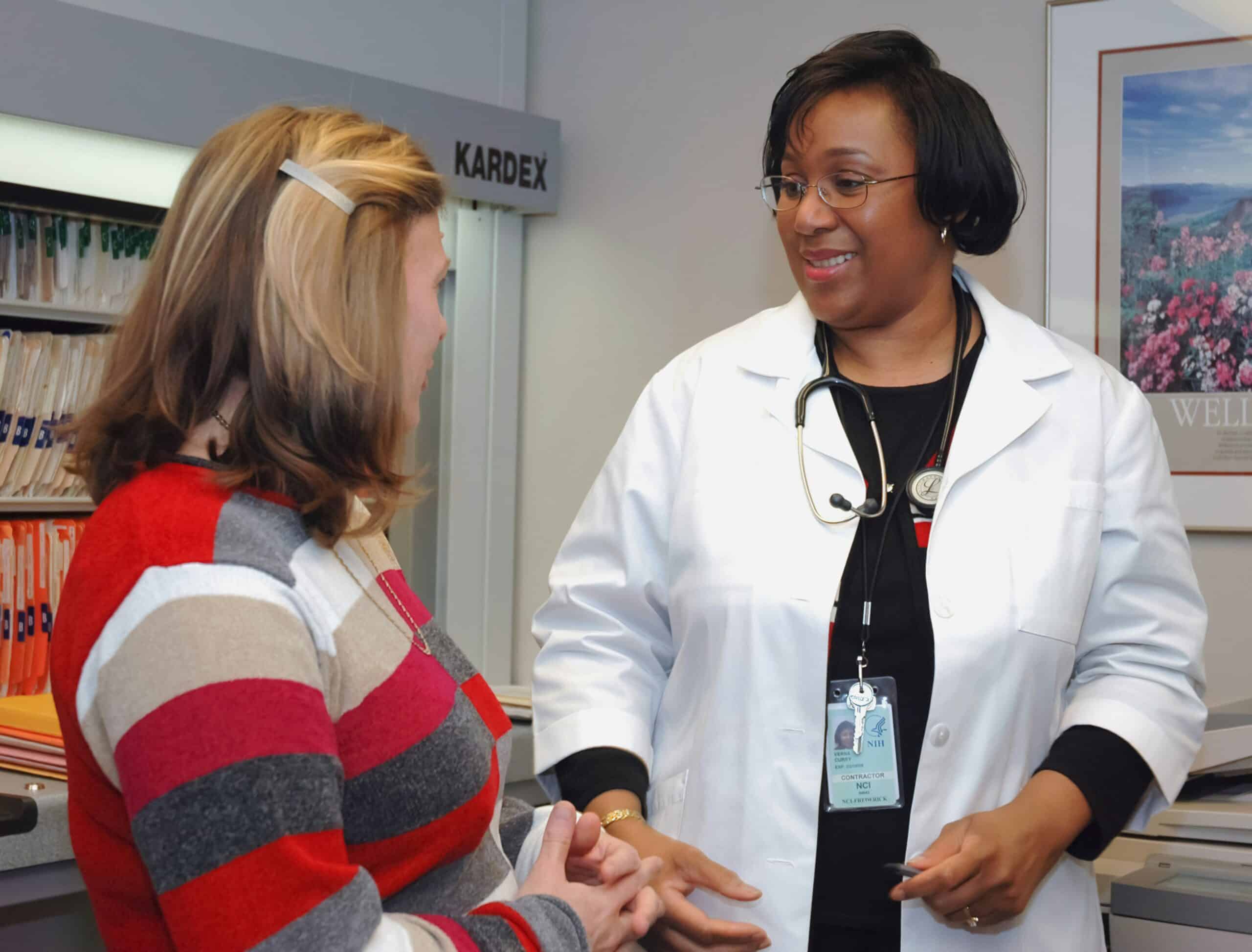
While laparoscopy remains the definitive diagnostic standard, advancements in imaging and molecular screening are positioning the pelvic exam as a crucial initial step in a comprehensive, non-surgical diagnostic pathway.
What Role Do Ultrasound and MRI Play Following Your Pelvic Exam?
Ultrasound is effective in detecting endometriomas and superficial endometriosis lesions, while MRI excels at mapping deep infiltrating nodules. When combined with your pelvic exam findings, these imaging techniques help refine the location and extent of endometriosis, guiding personalized management strategies.
Are There New Developments in Non-Surgical Endometriosis Screening?
Ongoing research is exploring novel approaches, including blood-based biomarkers and elastography, to complement physical examinations. These innovations hold the promise of earlier, less invasive screening by correlating molecular signals with physical findings like tenderness and nodularity.
When Is Laparoscopy Still Recommended Despite Non-Surgical Options?
Laparoscopy is generally recommended when non-invasive diagnostic methods do not provide a conclusive diagnosis, or when the severity of your symptoms necessitates direct lesion removal. Direct visualization and biopsy during laparoscopy offer definitive diagnosis and the opportunity for immediate therapeutic intervention.
Finding and Consulting an Endometriosis Specialist for Your Pelvic Exam

Choosing a highly qualified specialist ensures you receive precise evaluation and access to the most advanced treatment options. Being well-prepared and aware of available resources will optimize your consultation experience and support your diagnostic journey.
What Qualifications Should an Endometriosis Specialist Possess?
-
Board-certified gynecologist with specialized fellowship training in reproductive endocrinology or minimally invasive surgery.
-
Extensive experience with a high volume of cases, demonstrating advanced skills in endometriosis excision.
-
Proven ability to collaborate within a multidisciplinary team, including fertility and pain management specialists.
How Should You Prepare for Your Specialist Consultation?
-
Compile a detailed symptom diary, documenting pain patterns and your menstrual history.
-
Bring any previous imaging reports and surgical notes you may have.
-
Prepare a list of questions regarding diagnostic options, treatment approaches, and fertility preservation.
What Support Resources Are Available for Patients During Diagnosis?
-
Educational workshops that explain endometriosis pathology and management strategies.
-
Support groups that connect you with peers for shared experiences and mutual encouragement.
-
Counseling services to help address the emotional and psychological impacts of living with endometriosis.
An early and accurate diagnosis, beginning with a thorough pelvic exam, is the foundation for timely intervention and achieving lasting relief. Our team at the Endo Excellence Center is dedicated to combining compassionate care with state-of-the-art diagnostics to minimize delays, enhance outcomes, and empower women to reclaim their quality of life. Schedule a consultation today to embark on your personalized journey toward diagnosis and healing.
Frequently Asked Questions
Can a pelvic exam alone diagnose endometriosis?
No. A pelvic exam is a critical first step that can reveal tenderness, nodules, or ovarian masses suggestive of endometriosis, but a definitive diagnosis typically requires imaging such as transvaginal ultrasound or MRI, and often a diagnostic laparoscopy for visual confirmation.
How long does it take to get diagnosed with endometriosis?
Diagnosis often takes seven to ten years from the first symptoms. A thorough pelvic exam, combined with timely imaging and referral to a specialist, can help shorten this delay by guiding the diagnostic process more efficiently.
What should I expect during a pelvic exam for endometriosis?
Your provider will review your symptom history, perform an external visual inspection, conduct a speculum exam, and complete a bimanual exam to assess the position and mobility of your uterus and ovaries. A rectovaginal exam may also be recommended if deep infiltrating endometriosis is suspected.
How can I manage discomfort during the exam?
Communicating openly with your provider, practicing diaphragmatic breathing, requesting a chaperone, and asking about options like a topical anesthetic gel can all help ease discomfort and anxiety during the exam.
When is laparoscopy needed instead of non-surgical diagnosis?
Laparoscopy is generally recommended when non-invasive methods like ultrasound or MRI do not provide a conclusive diagnosis, or when symptom severity calls for direct lesion visualization, biopsy, and potential treatment during the same procedure.
Conclusion
A pelvic exam is often the first concrete step toward answering years of unexplained pain, offering real clinical clues, tenderness, nodules, restricted organ mobility, that point toward endometriosis and shape the imaging and specialist referrals that follow. While it cannot confirm the diagnosis alone, it meaningfully narrows the path, helping direct you toward ultrasound, MRI, or laparoscopy with greater precision and less delay.
Preparing thoughtfully, communicating openly about discomfort, and partnering with a multidisciplinary team all improve both the accuracy of the exam and your experience during it. At the Endo Excellence Center, our gynecologists, radiologists, fertility specialists, and pain management experts work together to turn exam findings into a clear, personalized diagnostic and treatment plan, so you can move from uncertainty toward lasting relief with confidence.