
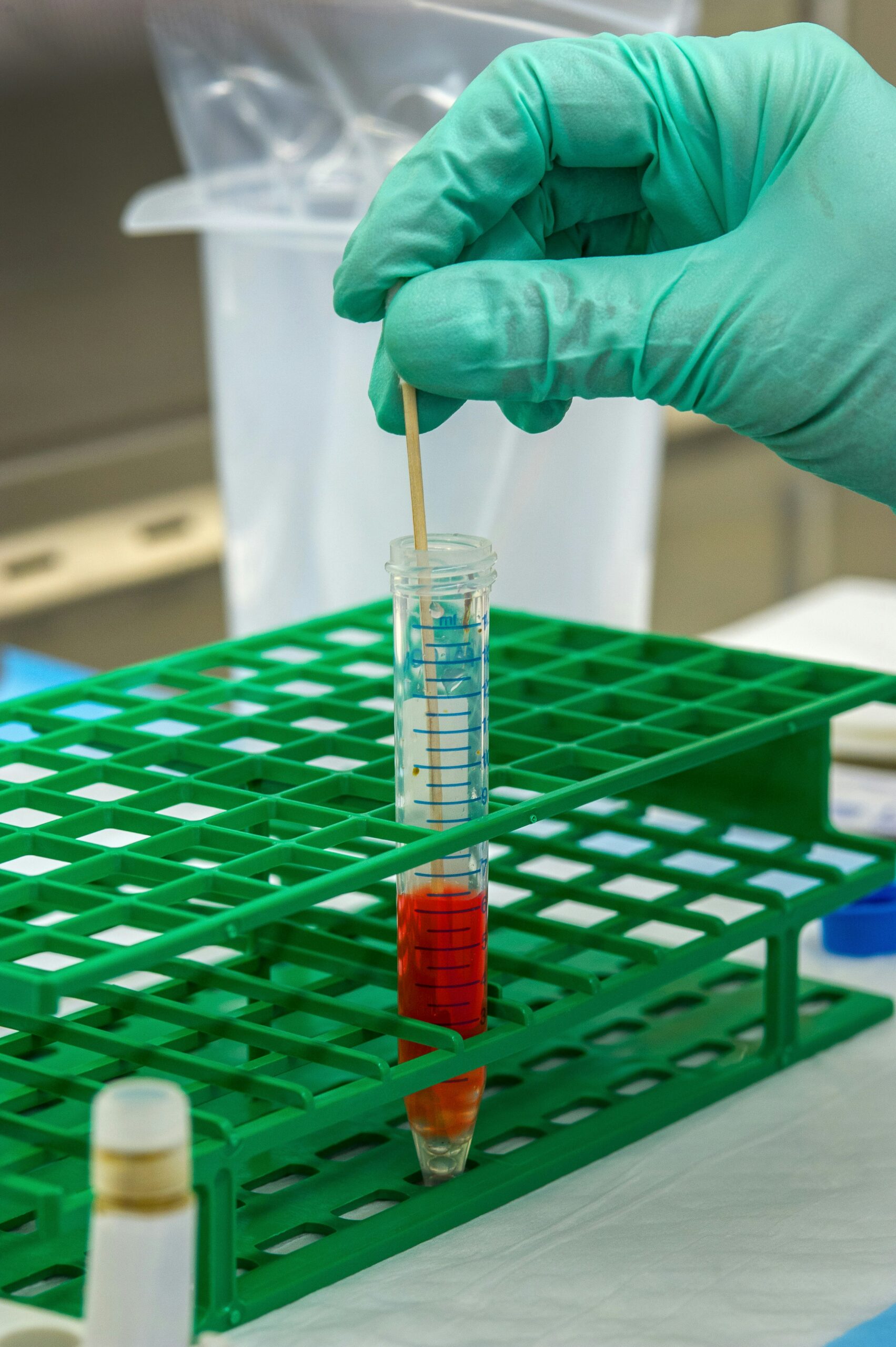
Discover how endometriosis screening blood tests offer a quicker, gentler path to diagnosis by identifying disease-specific markers in your blood. For too long, women have faced an average diagnostic delay of 7–10 years, enduring unnecessary pain and uncertainty before a laparoscopy confirms endometriosis. This guide will walk you through what endometriosis is, why catching it early is crucial, how blood-based biomarkers work, and which tests, like PromarkerEndo and DotEndo, provide high accuracy for non-surgical screening. You’ll learn when it’s time to consider testing, understand current medical recommendations, and find out where you can access expert care and advanced diagnostic services to support your health journey.
Understanding Endometriosis and the Importance of Early Detection

Endometriosis is a chronic condition affecting the female reproductive system. In it, tissue similar to the uterine lining grows outside the uterus, leading to inflammation, pain, and potential fertility challenges. Diagnosing endometriosis early is key to managing the disease before it progresses. Through timely treatment and effective management strategies, it can help alleviate chronic pelvic pain and enhance quality of life.
What Are the Signs and Impact of Endometriosis?
Endometriosis can present with a variety of symptoms that significantly impact your daily life:
-
Pelvic Pain: Persistent aching or sharp pain, especially during your menstrual cycle and between periods.
-
Dysmenorrhea: Severe menstrual cramps that can disrupt your work and social activities.
-
Dyspareunia: Pain experienced during or after sexual intercourse, which can affect intimacy.
-
Infertility: Difficulties conceiving, often leading to emotional strain and the need for fertility treatments.
These ongoing symptoms can also contribute to fatigue, feelings of depression, and social withdrawal, making early detection vital for restoring your well-being and preventing long-term health issues.
Why Is Diagnosing Endometriosis Often a Lengthy Process?
Currently, diagnosis often relies on laparoscopy, an invasive surgical procedure requiring anesthesia. Several factors contribute to the delay:
-
Symptom Minimization – Both women and healthcare providers may sometimes dismiss severe menstrual pain as normal.
-
Limited Awareness – There’s a need for greater public and professional understanding of endometriosis biomarkers.
-
Diagnostic Timelines – The process of referrals, scheduling imaging or laparoscopy, and awaiting surgical results can span months or even years.
These obstacles mean many individuals go undiagnosed until their symptoms become more severe, highlighting the urgent need for reliable, non-invasive screening methods.
How Does Early Diagnosis Enhance Patient Outcomes?
Identifying endometriosis in its early stages allows for:
-
Swift initiation of appropriate treatments, such as hormonal therapies or pain management.
-
Personalized surgical planning when necessary, potentially reducing procedure time and complications.
-
Timely referral to reproductive specialists to help preserve fertility.
-
Reduced chronic inflammation, which can lower the risk of scar tissue (adhesion) formation.
Detecting endometriosis early shifts care from a reactive approach to proactive management, significantly improving both physical comfort and emotional health.
How Blood Tests Aid in Endometriosis Diagnosis

Endometriosis blood tests work by analyzing specific biomarkers, such as proteins or genetic material, found in the bloodstream that are associated with the presence and severity of the disease. These tests offer a preliminary, noninvasive screening tool to guide further diagnostic steps.
The Role of Biomarkers in Endometriosis Blood Tests
Biomarkers are measurable indicators of biological processes or conditions within the body. For endometriosis, relevant biomarkers include:
-
Inflammatory Proteins: Such as Interleukin-6 (IL-6) and tumor necrosis factor-alpha (TNF-α), which tend to be elevated in cases of chronic pelvic inflammation.
-
Cancer Antigen 125 (CA-125): A glycoprotein that can be increased in endometriosis, but also in other conditions.
-
MicroRNAs (miRNAs): Tiny RNA molecules that regulate gene activity; specific patterns of miRNAs have been linked to endometrial lesions.
-
Protein Panels are combinations of various proteins found in the blood that, when analyzed together, can improve the test’s ability to detect the disease (sensitivity) and rule it out (specificity).
Blood tests can help differentiate endometriosis from other gynecological conditions by simultaneously detecting these signals.
Understanding the CA-125 Blood Test and Its Limitations
The CA-125 test measures the levels of this specific glycoprotein in your blood serum. Elevated CA-125 can indicate peritoneal irritation, which is common in endometriosis, but also in ovarian cancer and pelvic inflammatory disease. Its limitations include:
-
Limited Specificity: It can produce false positive results in various benign gynecological and non-gynecological conditions.
-
Variable Sensitivity: It is more reliable at detecting moderate to severe endometriosis than early or minimal stages of the disease.
-
Menstrual Cycle Fluctuations: CA-125 levels can change throughout your menstrual cycle, meaning the timing of the blood draw is essential.
While CA-125 remains a functional supplementary test, it cannot definitively confirm or rule out endometriosis independently and requires confirmation with other diagnostic methods.
Exploring New Protein and Genetic Biomarkers for Endometriosis
Current research is focused on advanced biomarker categories, including:
-
Proteomic Signatures: Panels identified through techniques like mass spectrometry that detect unique protein combinations associated with endometrial implants.
-
miRNA Profiles: Analyzing the distinct expression levels of circulating miRNAs that correlate with the extent of endometriosis lesions.
-
Genetic Variations: Identifying specific gene variations (polymorphisms) related to estrogen metabolism and tissue remodeling processes.
-
EMScore™ Panels: Proprietary sets of genetic markers currently undergoing clinical evaluation, showing promise for non-invasive staging.
These next-generation biomarkers aim to enhance early detection capabilities, track disease progression more effectively, and personalize treatment choices.
Leading Non-Invasive Blood Tests for Endometriosis
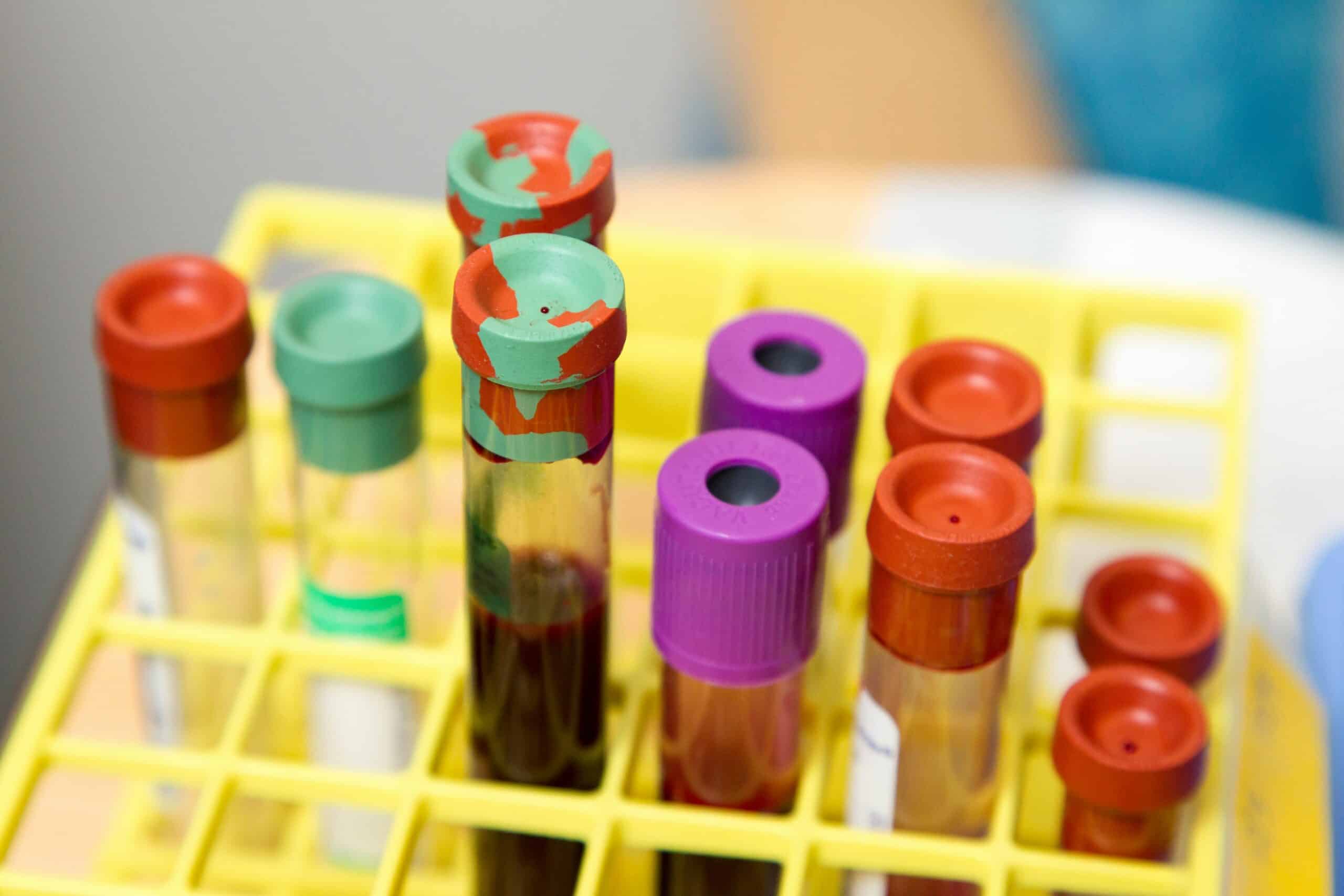
Several blood tests are now commercially available, utilizing validated panels of biomarkers to screen for endometriosis. Two prominent options, PromarkerEndo and DotEndo, have demonstrated diagnostic performance in clinical studies that rivals the accuracy of surgical methods.
How PromarkerEndo Works and Its Accuracy
PromarkerEndo identifies three plasma proteins whose levels differ between women with endometriosis and those without. By measuring the concentrations of:
-
Apolipoprotein A1
-
Inter-alpha-trypsin inhibitor heavy chain 4
-
Vitamin D–binding protein
PromarkerEndo achieves impressive diagnostic metrics:
-
Sensitivity: 90%
-
Specificity: 85%
This non-invasive test can reduce the need for exploratory laparoscopy in many instances and can be incorporated into routine gynecological check-ups to identify patients at higher risk.
Introducing DotEndo: A Comparative Look
DotEndo utilizes a specialized protein microarray to measure multiple inflammatory and angiogenic factors in your serum. Its key features include:
-
Multiplex Panel: Capable of measuring up to 30 different biomarkers, such as cytokines and growth factors.
-
Machine Learning Algorithm: Employs an advanced algorithm to generate a risk score indicating the likelihood of endometriosis.
-
Reported Accuracy: Demonstrates 88% sensitivity and 82% specificity.
Both PromarkerEndo and DotEndo provide robust screening options. However, DotEndo’s broader range of measured markers may offer advantages in detecting early or less typical presentations of the disease.
Comparing Blood Tests: Features and Diagnostic Accuracy
Here’s a comparison of the core attributes and performance metrics of each test:
The choice between these tests often depends on your specific clinical situation, medical history, and available resources. Both significantly reduce the need for invasive diagnostic procedures compared to laparoscopy.
When to Consider an Endometriosis Blood Test
Blood-based screening can help identify individuals who may benefit from further evaluation and avoid unnecessary invasive procedures when the risk is low. Strategic timing and careful patient selection optimize the diagnostic process.
Symptoms and Risk Factors Warranting Testing
You should consider an endometriosis screening blood test if you experience:
-
Severe menstrual pain that doesn’t improve with over-the-counter pain relievers.
-
Chronic pelvic discomfort that has persisted for more than six months.
-
Difficulties with conception or a history of recurrent miscarriages.
-
A family history of endometriosis.
-
Gastrointestinal or urinary symptoms that seem to align with your menstrual cycle.
Early screening for individuals with these risk factors can expedite referrals to specialized care and shorten the diagnostic timeline.
Integrating Blood Tests into Your Diagnostic Journey
Blood tests serve as an important initial, non-invasive step in the diagnostic process:
-
Clinical Assessment – A thorough review of your medical history and symptoms.
-
Blood Screening – Collection of samples for tests like PromarkerEndo, DotEndo, or CA-125.
-
Imaging Studies – Ultrasound or MRI may be recommended if blood test results are unclear.
-
Empirical Treatment – A trial of hormonal therapy might be considered for moderate cases.
-
Laparoscopy – Reserved for situations where imaging is inconclusive or symptoms persist despite other interventions.
By incorporating blood screening early on, clinicians can more effectively guide patients toward the most appropriate next steps, whether that’s further imaging or a surgical consultation.
What Happens After Your Endometriosis Blood Test?
Following your blood sample collection, results are typically available within 1–2 weeks. Based on your results:
-
High Risk Profile – You will likely be referred to an endometriosis specialist for further diagnostic imaging or potentially a laparoscopy.
-
Low Risk Profile – Management may focus on symptom relief and watchful waiting.
-
Borderline Results – Additional testing or advanced imaging might be suggested to clarify the diagnosis.
Clear communication about the next steps ensures you understand your results and the path forward.
Benefits and Limitations of Endometriosis Blood Tests
Blood tests are transforming how endometriosis is diagnosed, offering significant advantages but also presenting certain challenges. Understanding both aspects is crucial for making informed decisions.
How Blood Tests Streamline Diagnosis and Reduce Invasiveness
These non-invasive blood tests offer several key benefits:
-
Convenience – Blood draws are typically quick and minimally uncomfortable, often performed on the same day.
-
Reduced Waiting Times – They can significantly shorten the time to an initial diagnosis compared to lengthy waits for surgical procedures.
-
Lower Risks and Costs – Avoiding surgery reduces potential complications and associated healthcare expenses.
-
Objective Data – Provides concrete information to guide treatment decisions or referrals for imaging.
This more efficient approach can alleviate patient anxiety and optimize the use of healthcare resources.
Current Limitations and Challenges of Blood Tests
Despite their promise, blood tests for endometriosis still have limitations:
-
Potential for False Results – Biomarker levels can sometimes overlap with other inflammatory conditions, leading to false positives or negatives.
-
Accessibility and Cost – Newer tests may not be covered by all insurance plans and might only be available at specialized medical centers.
-
Standardization Needs – Further consensus is needed on standardized methods for sample handling and interpreting results.
-
Sensitivity for Early Stages – Some tests are more effective at detecting moderate to severe endometriosis than very early or minimal disease.
It’s important for healthcare providers to interpret blood test results within the broader context of a patient’s overall clinical picture.
The Future of Blood Test Development and Research
Ongoing advancements in this field include:
-
Expanded Biomarker Panels – Incorporating a wider range of proteins and cytokines to improve accuracy.
-
Genomic and Epigenetic Assays – Analyzing gene expression patterns and DNA methylation for diagnostic insights.
-
Point-of-Care Testing – Developing rapid tests that can be performed conveniently in a doctor’s office.
-
Longitudinal Monitoring – Using blood biomarkers to track treatment effectiveness and disease recurrence over time.
These innovations hold the potential for increasingly precise, personalized diagnostic pathways.
Accessing Endometriosis Blood Tests and Expert Care

Specialized medical centers and dedicated referral networks now offer comprehensive endometriosis evaluations, including advanced blood testing and personalized treatment plans.
Where to Find Advanced Endometriosis Blood Testing Services
Leading centers of excellence collaborate with advanced diagnostic laboratories to provide:
-
Access to PromarkerEndo and DotEndo tests under expert medical supervision.
-
Coordinated care involving imaging specialists, surgical consultations, and long-term management strategies.
-
Multidisciplinary teams comprising gynecologists, pain management specialists, and fertility experts.
Choosing a center with established expertise ensures you receive accurate testing and tailored care.
Preparing for and Scheduling Your Endometriosis Blood Test
To prepare for your blood test, consider these steps:
-
Symptom Journal – Keep a record of your pain patterns and menstrual cycle details.
-
Medication Review – Inform your healthcare provider about any hormonal therapies or anti-inflammatory medications you are taking.
-
Appointment Scheduling – If undergoing CA-125 testing, try to schedule your appointment early in your menstrual cycle.
-
Informed Consent – Ensure you understand the scope of the test, potential outcomes, and the subsequent steps.
Thorough preparation can enhance the reliability of your test results and boost your confidence in the process.
Support and Treatment Following Early Diagnosis
Once diagnosed through blood testing and further evaluation, you can access a range of support and treatment options:
-
Medical Management – Including hormonal therapies, pain relief medications, and nutritional guidance.
-
Surgical Interventions – Minimally invasive procedures to remove endometriosis lesions when appropriate.
-
Fertility Planning – Referrals to reproductive endocrinologists for assistance with conception.
-
Holistic Support – Access to counseling, support groups, and specialized pelvic physical therapy.
Early diagnosis opens the door to a comprehensive care pathway designed to address both your symptoms and your long-term health and well-being.
Endometriosis screening blood tests represent a significant leap forward in reducing the need for invasive procedures and shortening diagnostic delays. By understanding how biomarkers function, comparing the leading tests available, and adhering to current medical guidelines, women and their healthcare providers can work together towards a more streamlined and evidence-based diagnostic journey. Early, accurate detection empowers personalized treatment plans, ultimately improving the quality of life and reproductive health outcomes for those living with endometriosis.
Frequently Asked Questions
What is an endometriosis screening blood test and how does it work?
An endometriosis screening blood test analyzes disease-specific biomarkers, such as proteins, inflammatory markers, or genetic material, in a blood sample to assess the likelihood of endometriosis. Tests like PromarkerEndo and DotEndo measure these markers to provide a non-invasive alternative to surgical diagnosis.
How accurate are blood tests like PromarkerEndo and DotEndo compared to laparoscopy?
PromarkerEndo demonstrates 90% sensitivity and 85% specificity, while DotEndo reports 88% sensitivity and 82% specificity. Both offer diagnostic performance that rivals surgical methods, making them reliable tools for guiding further evaluation.
Can a blood test replace a laparoscopy for diagnosing endometriosis?
A blood test is not intended to fully replace laparoscopy but serves as an important initial, non-invasive screening step. Current guidelines, including the 2022 ESHRE consensus, recommend non-invasive testing before proceeding to laparoscopy, which remains reserved for inconclusive cases or when histological confirmation is needed.
What should I expect after receiving my endometriosis blood test results?
Results are typically available within 1-2 weeks. A high-risk profile usually leads to referral to a specialist for further imaging or possible laparoscopy, a low-risk profile may involve symptom management and watchful waiting, and borderline results often call for additional testing to clarify the diagnosis.
Who should consider getting an endometriosis blood test?
Testing is worth considering for those with severe menstrual pain unrelieved by over-the-counter medication, chronic pelvic discomfort lasting more than six months, difficulty conceiving or recurrent miscarriage, a family history of endometriosis, or cyclical gastrointestinal or urinary symptoms.
Conclusion
Endometriosis screening blood tests mark a meaningful shift away from years of diagnostic delay toward faster, evidence-based answers. By identifying disease-specific biomarkers, tests like PromarkerEndo and DotEndo give patients and clinicians a reliable, non-invasive starting point that can guide the next steps in care, whether that means imaging, hormonal treatment, or surgical consultation. As research into new biomarkers and testing methods continues to advance, this approach promises even greater precision in the years ahead. For women experiencing symptoms of endometriosis, pursuing blood-based screening alongside expert medical guidance can shorten the path to diagnosis and open the door to timely, personalized treatment that protects both health and quality of life.