

For women considering surgery for endometriosis, one of the most important decisions involves choosing between excision and ablation. Both procedures are widely used and can help manage symptoms, yet they differ in how they treat the condition and what patients can expect in terms of recovery and long-term outcomes.
Understanding these differences is essential. The choice of surgical approach can influence pain relief, the likelihood of recurrence, and how quickly daily activities can be resumed. It can also affect broader goals such as fertility and overall quality of life.
A clear comparison of excision and ablation helps patients move beyond general information and focus on what matters for their individual situation. With the right guidance, it becomes easier to evaluate options, set realistic expectations, and make decisions that align with both medical needs and personal priorities.
Understanding the Two Surgical Approaches
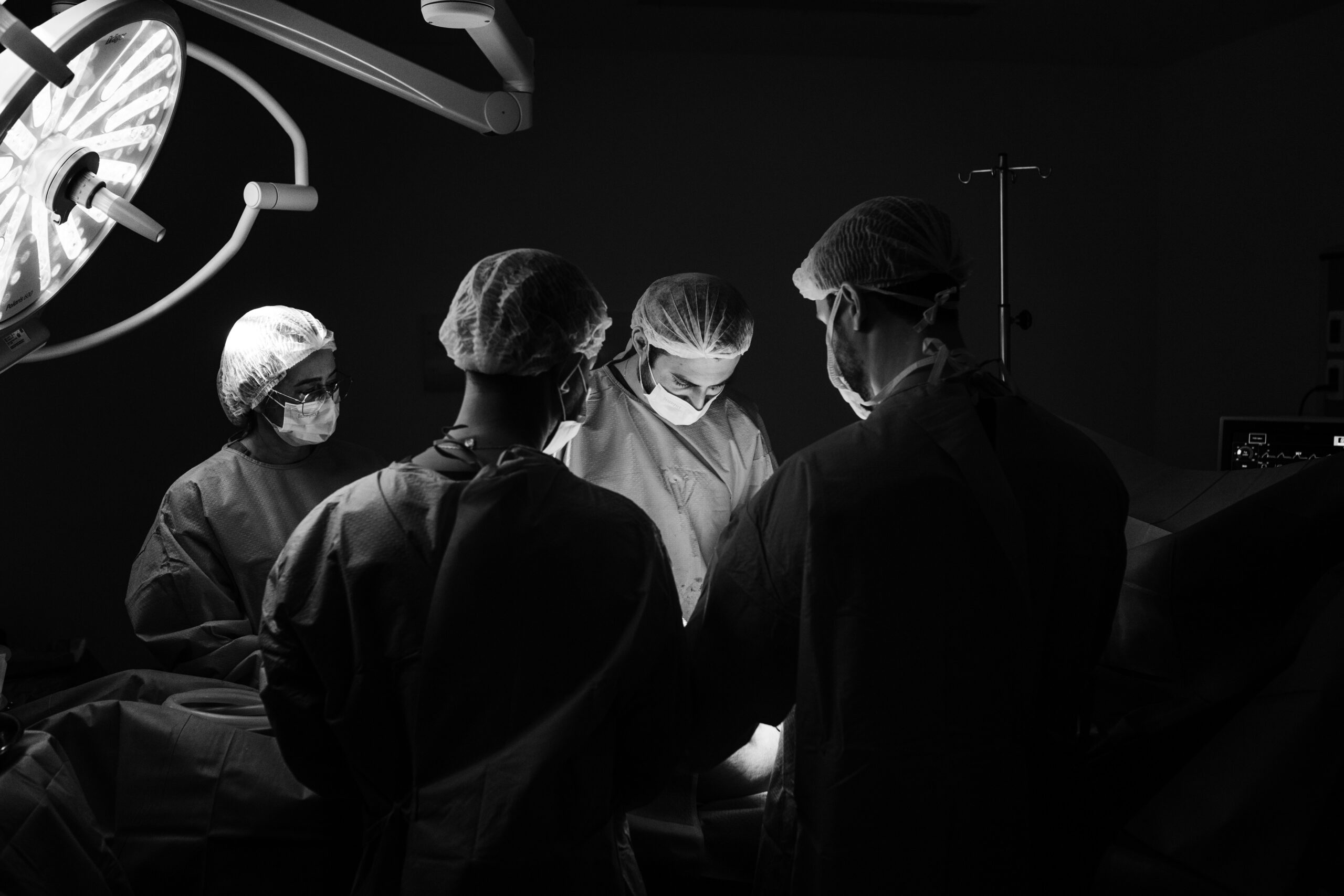
Before comparing outcomes and recovery, it is helpful to understand how each procedure works. Excision and ablation are both minimally invasive surgical techniques used to treat endometriosis, yet they differ in how they address the underlying disease. This difference plays a central role in treatment effectiveness and long-term results.
What Is Excision Surgery?
Excision surgery involves the precise removal of endometriosis tissue from the areas where it has developed. Using laparoscopic techniques, the surgeon identifies lesions and carefully separates them from surrounding structures, aiming to remove the disease completely while preserving healthy tissue.
This approach allows for treatment of both superficial and deeper forms of endometriosis. It is often used in cases where the disease extends into surrounding tissues or affects organs such as the ovaries, bowel, or bladder. The goal is to address the source of symptoms and restore normal anatomy as much as possible.
What Is Ablation Surgery?
Ablation surgery treats endometriosis by applying energy, such as heat or laser, to destroy the surface of the affected tissue. Instead of removing the lesion, the procedure targets it in place, reducing its activity and associated inflammation.
This method is generally used for more superficial disease. Because the tissue is not removed, deeper portions of the lesion may remain beneath the surface. For some patients, ablation can provide symptom relief, particularly when the disease is limited in extent.
Key Technical Difference Between the Two
The primary difference lies in how the disease is treated. Excision removes endometriosis tissue entirely, while ablation destroys it at the surface level.
This distinction affects how thoroughly the disease is addressed. Excision allows for treatment of deeper lesions and provides a more complete removal of affected tissue. Ablation focuses on surface treatment, which may be sufficient in select cases but may not address deeper involvement.
Understanding this difference helps explain why the two approaches can lead to different outcomes in terms of symptom relief, recurrence, and long-term management.
Laparoscopic Excision vs. Ablation for Endometriosis Treatment
Laparoscopic approaches are preferred over laparotomy when conservatively treating endometriosis via excision or ablation/fulguration of lesions. The available data support cystectomy over fenestration or fulguration for endometriomas; however, there may be associated decreases in ovarian reserve with endometrioma treatment.
Surgical management of endometriosis in patients with chronic pelvic pain, 2017
Excision vs. Ablation for Mild Endometriosis: Pain, Recurrence, and Fertility
This study evaluated women of reproductive age with superficial endometriosis to determine if the results of surgical excision compared with those of ablation in terms of pain, recurrence, and fertility outcomes were different.
Excision versus ablation for management of minimal to mild endometriosis: a systematic review and meta-analysis, 2021
When Each Procedure Is Typically Recommended
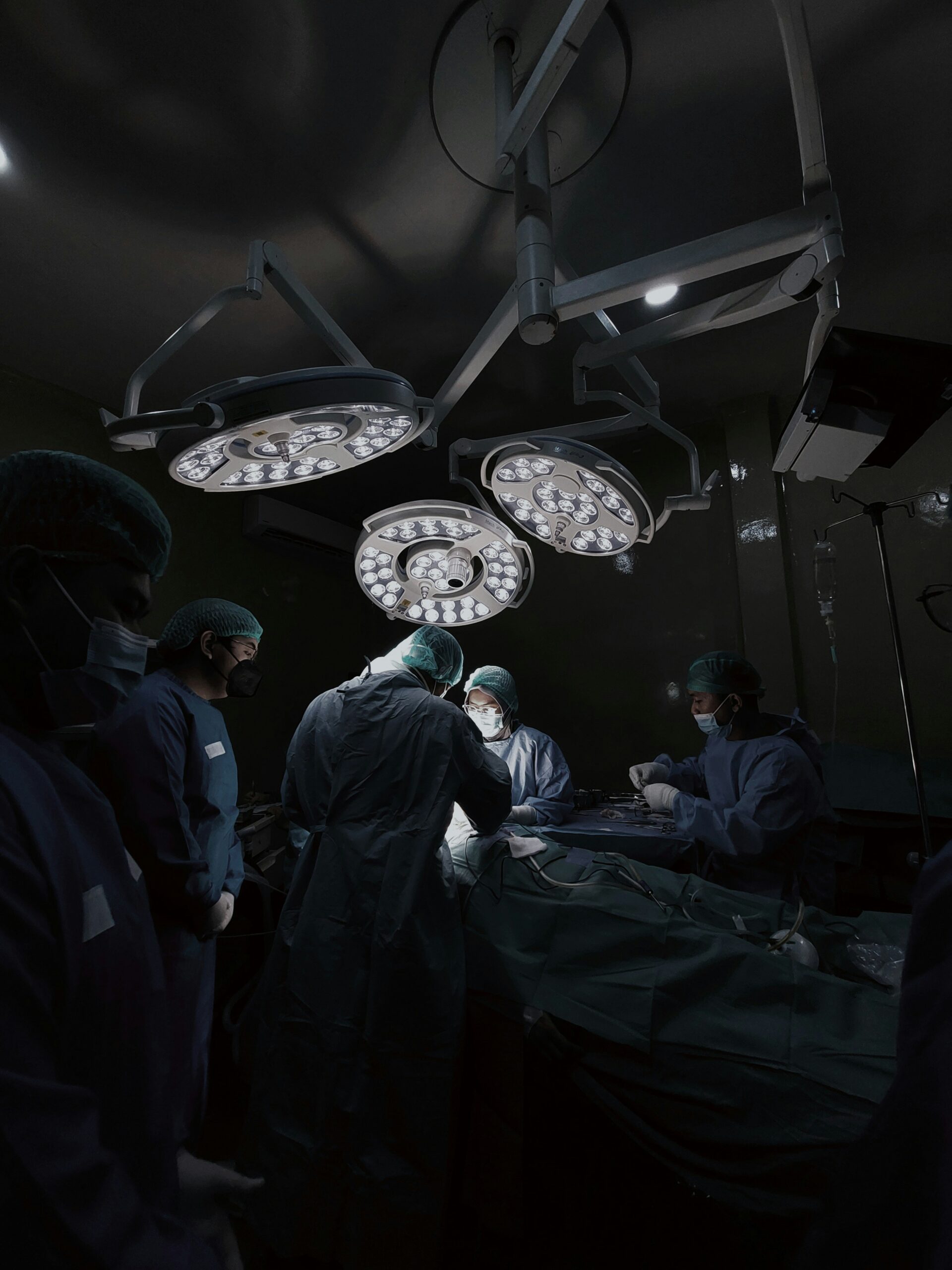
The choice between excision and ablation depends on how endometriosis presents in each individual case. Factors such as disease depth, location, prior treatment history, and overall goals all influence which approach is more appropriate. A careful evaluation helps ensure that the selected procedure aligns with both symptom management and long-term outcomes.
When Excision Is Preferred
Excision is generally recommended when endometriosis is more extensive or involves deeper structures. In these cases, removing the tissue completely provides a more thorough approach to treatment.
Deep disease often requires precise dissection to access and remove lesions that extend beneath the surface. When organs such as the bowel, bladder, or ovaries are involved, excision allows surgeons to address these areas directly while preserving function.
Excision is also commonly considered in cases of recurrence. When symptoms persist or return after prior treatment, a more comprehensive approach may help achieve better long-term control.
When Ablation May Be Considered
Ablation may be appropriate in cases where endometriosis is limited to superficial lesions and does not involve deeper tissues. In these situations, surface treatment can reduce inflammation and provide symptom relief.
This approach is sometimes chosen when the primary goal is to manage symptoms with a shorter procedure and quicker initial recovery. It may be suitable for patients with milder disease or those who prefer a less extensive intervention.
Careful patient selection is important to ensure that this method is used in situations where it is likely to be effective.
Role of Disease Severity in Decision-Making
Disease severity plays a central role in determining the most appropriate surgical approach. Superficial endometriosis may respond well to less invasive treatment, while deeper or more widespread disease often requires a more comprehensive strategy.
In addition to clinical findings, factors such as symptom intensity, impact on daily life, and future goals, including fertility, are also considered. A personalized evaluation allows for a treatment plan that reflects the full scope of the condition and the patient’s priorities.
A structured and individualized approach helps ensure that the chosen procedure provides the most meaningful and lasting benefit.
Comparing Effectiveness and Long-Term Outcomes
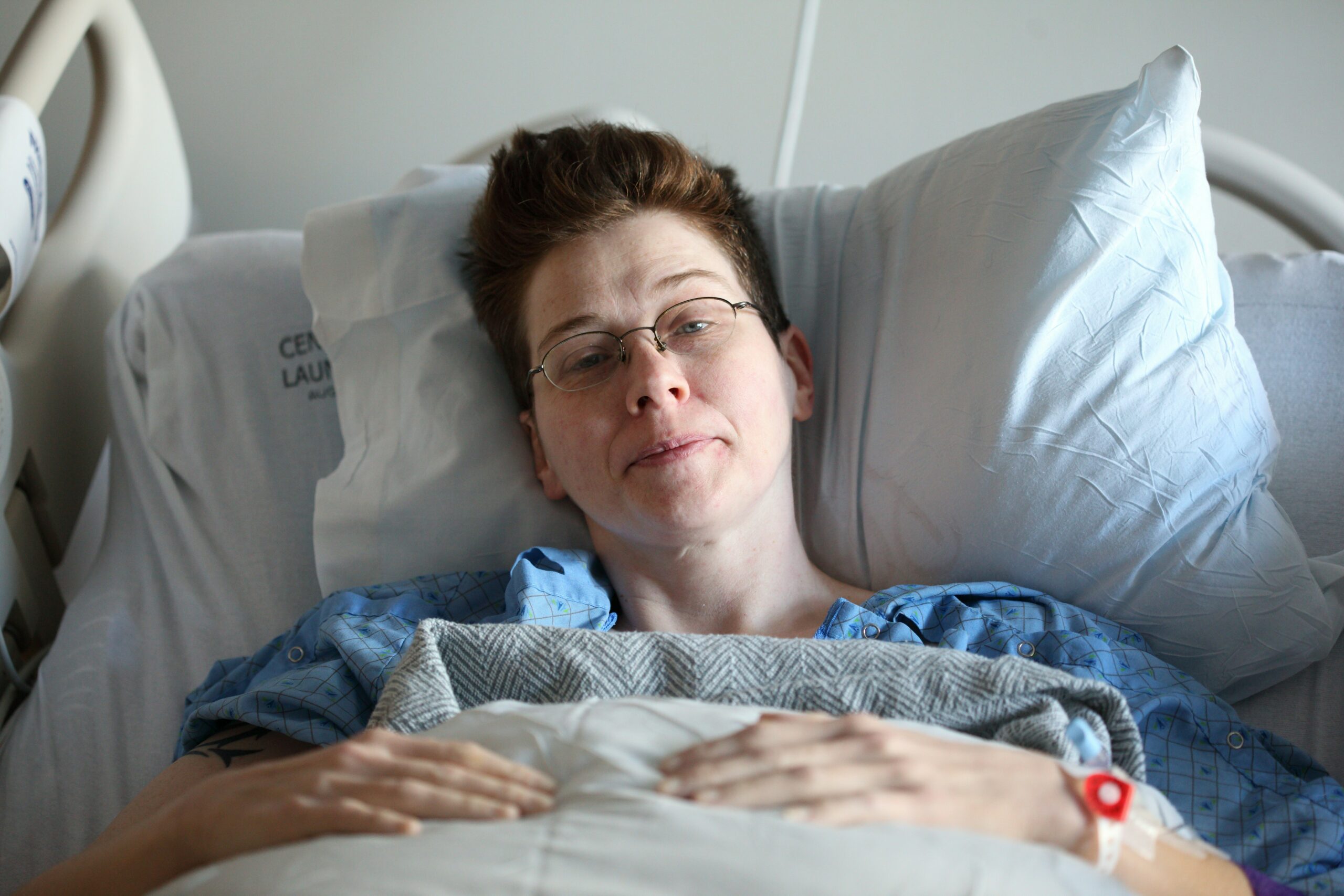
When choosing between excision and ablation, effectiveness over time is one of the most important considerations. While both procedures can provide symptom relief, their long-term outcomes differ in ways that can influence overall treatment success and future care needs.
Understanding how each approach performs across key areas helps patients make more informed decisions.
Pain Relief Outcomes
Both excision and ablation can reduce pain associated with endometriosis, particularly in the short term. Many patients experience improvement in symptoms such as pelvic pain and discomfort during menstruation after either procedure.
Excision is often associated with more sustained pain relief, especially in cases where deeper lesions are present. By removing the underlying tissue, it addresses the source of irritation more directly. Ablation can be effective for surface-level disease, though relief may vary depending on the extent of involvement.
Recurrence Rates
Recurrence is an important factor when evaluating long-term outcomes. Endometriosis can return after any form of treatment, but the likelihood differs between approaches.
Excision is generally associated with lower recurrence rates because it removes the affected tissue more completely. Ablation, which treats the surface of lesions, may leave deeper portions intact, increasing the chance that symptoms return over time.
Need for Repeat Surgery
The likelihood of needing additional procedures is closely linked to recurrence. Patients who undergo ablation may require further treatment if symptoms return or if underlying disease persists.
Excision tends to reduce the need for repeat surgery in many cases, particularly when performed by experienced specialists and when the disease is addressed comprehensively.
The possibility of future procedures is an important consideration when weighing both options.
Impact on Daily Function
Improvements in daily function are a key measure of treatment success. Many patients report better mobility, increased energy, and the ability to return to routine activities following surgery.
Excision is often associated with more consistent long-term improvements, especially in cases where symptoms previously limited daily life. By addressing both superficial and deeper disease, it can support a more stable recovery.
Ablation can also improve daily function, particularly in milder cases. The extent of benefit depends on how completely the underlying condition is managed.
Safety and Risk Comparison
Both excision and ablation are generally safe when performed by experienced surgeons. As with any surgical procedure, there are risks to consider, and these can vary depending on the technique used, the extent of disease, and individual patient factors. A clear understanding of these risks helps patients approach surgery with realistic expectations and appropriate preparation. Read more in Assess Your Endometriosis: When to Consider Advanced Surgery.
Common Surgical Risks (Both Procedures)
Certain risks are shared by both excision and ablation, as they are standard considerations in minimally invasive surgery. You may also find Excision vs. Ablation: Surgery for Endometriosis helpful.
Infection may occur at incision sites or internally, though this is relatively uncommon and typically manageable with prompt treatment.Bleeding can occur during or after the procedure, with surgeons taking steps to minimize this risk through careful technique.Reactions to anesthesia, such as nausea or dizziness, are also possible and are usually temporary and monitored closely during recovery.
These risks are generally low, particularly when procedures are performed in well-equipped surgical settings.
Risks Specific to Excision Surgery
Excision surgery is often more technically demanding, especially in cases involving deeper disease or multiple organs. This increased complexity can influence the risk profile. You may also find Understanding Endometriosis Excision Surgery Advantages helpful.
When endometriosis affects structures such as the bowel, bladder, or ureters, surgery may require more advanced dissection. In these situations, there is a higher level of precision required to remove disease while preserving organ function.
The involvement of surrounding organs can increase the likelihood of complications, which is why these procedures are typically performed by specialists with experience in complex endometriosis surgery.
Risks Specific to Ablation
Ablation carries a different set of considerations related to how the disease is treated.
Because the tissue is not removed, there is a possibility that some endometriosis remains beneath the treated surface. This can contribute to persistent symptoms or recurrence over time.
In addition, the use of energy-based techniques introduces a small risk of unintended thermal effects on nearby tissues, particularly if lesions are close to sensitive structures.
Factors That Influence Safety
Several factors play a key role in determining overall surgical safety and outcomes.
Surgeon expertise is one of the most important. Experience with endometriosis, particularly complex or deep disease, can significantly reduce the risk of complications and improve results.
Case complexity also matters. Patients with more extensive disease or organ involvement may require more advanced surgical planning and, in some cases, a multidisciplinary approach.
Individual health factors, including prior surgeries and overall medical condition, can also influence risk and recovery.
A thorough preoperative evaluation and careful surgical planning help ensure that risks are minimized and that the chosen approach is appropriate for each patient.
Recovery Differences Between Excision and Ablation
Recovery is an important consideration when comparing excision and ablation. While both procedures are minimally invasive, the extent of tissue involvement and surgical complexity can influence how recovery progresses. Understanding these differences helps set realistic expectations and supports better preparation. For more detail, see our article Why Excision Is Better Than Ablation for Endo.
Immediate Recovery Timeline
In the first few days after surgery, most patients focus on rest, pain management, and gradual movement. Ablation is often associated with a shorter initial recovery period, with many patients feeling improvement within a few days.
Excision may involve a slightly longer early recovery phase, particularly when deeper tissue has been treated. Discomfort can last longer in these cases, though it is typically well managed with appropriate care.
Return to Daily Activities
Patients who undergo ablation may return to routine activities within about one to two weeks, depending on individual response and overall health.
Following excision, the return to daily activities may take a few additional weeks. This reflects the more extensive nature of the procedure and the time needed for tissues to heal properly.
In both cases, a gradual return to activity is recommended, with guidance from the surgical team.
Recovery in Complex Cases
When endometriosis involves structures such as the bowel, bladder, or ureters, recovery may take longer regardless of the technique used. Excision in these cases often requires more detailed surgical work, which can extend healing time.
Patients undergoing more complex procedures may also require closer follow-up and additional support during recovery. Planning ahead for these scenarios can help ensure a smoother process.
Long-Term Recovery and Healing
Long-term recovery involves more than physical healing. It includes improvement in symptoms, return to normal function, and adaptation to changes in daily life.
Many patients experience sustained improvement after excision, particularly when the underlying disease has been addressed more completely. Ablation can also provide benefit, especially in milder cases, though outcomes may vary over time.
Ongoing follow-up helps monitor progress and address any remaining or recurring symptoms.
Surgical Impact on Fertility
Surgical approach can influence fertility outcomes, particularly when endometriosis affects reproductive anatomy. The choice between excision and ablation is often guided in part by reproductive goals.
How Excision Supports Fertility
Excision can improve fertility by removing endometriosis tissue that interferes with normal reproductive function. This includes clearing adhesions and restoring the natural relationship between the ovaries, fallopian tubes, and surrounding structures. By addressing both superficial and deeper disease, excision can create a more favorable environment for conception. In some cases, it is used as part of a broader fertility plan.
Limitations of Ablation for Fertility
Ablation may not fully address deeper or structural causes of infertility, as the underlying tissue is not removed. While it can reduce symptoms, it may be less effective in restoring anatomy or improving conditions needed for conception. For this reason, ablation is typically considered in cases where fertility is not the primary concern or where disease is limited in extent.
When Fertility Planning Changes the Approach
When fertility is a priority, treatment decisions are often made with additional care and coordination. Factors such as age, ovarian reserve, and previous treatments all influence the approach.
In many cases, excision is preferred when the goal is to improve fertility outcomes. Collaboration between surgical and fertility specialists helps ensure that treatment supports both symptom management and reproductive goals.
A personalized plan allows patients to move forward with clarity and confidence, knowing that their care is aligned with their future plans.
Why Surgical Expertise Matters

The outcome of endometriosis surgery depends not only on the chosen technique but also on the expertise of the surgical team. Excision and ablation both require precision, but the complexity of endometriosis, particularly in deeper or multi-organ cases, makes specialist experience a critical factor in achieving safe and effective results.
A well-trained team can tailor the approach to the individual, reduce complications, and improve long-term outcomes.
Importance of Fellowship Training
Fellowship training provides surgeons with advanced experience in managing complex gynecologic conditions, including endometriosis. This level of training focuses on minimally invasive techniques, detailed pelvic anatomy, and the management of disease that extends beyond standard presentations.
Surgeons with this background are better equipped to perform precise excision, especially when lesions involve delicate or deeply situated structures. Their experience supports more complete treatment while preserving healthy tissue and organ function.
Multidisciplinary Surgical Care
Endometriosis can involve multiple organ systems, including the bowel and urinary tract. In such cases, a multidisciplinary approach ensures that all affected areas are addressed safely within a single, coordinated procedure.
Collaboration between gynecologic surgeons, colorectal specialists, urologists, and fertility experts allows for comprehensive surgical planning. This approach reduces the need for additional procedures and supports better functional outcomes.
Outcomes at Specialized Centers
Specialized centers that focus on endometriosis care often report more consistent outcomes due to their experience, resources, and coordinated care models. These centers are structured to manage both routine and complex cases with a high level of precision.
At the Endo Excellence Center, care is led by Dr. Rachael Haverland, who brings extensive experience in minimally invasive and excision-based endometriosis surgery. Her approach emphasizes individualized treatment planning, careful surgical technique, and integration with fertility and multidisciplinary care when needed.
Patients benefit from a structured pathway that includes detailed evaluation, coordinated surgical planning, and ongoing follow-up. This level of expertise supports improved symptom control, reduced recurrence, and better overall quality of life.
Frequently Asked Questions
Which surgery has better long-term results?
Excision surgery is generally associated with more durable results, particularly in moderate to severe endometriosis. By removing the disease tissue, it offers more sustained symptom relief and lower recurrence rates. Ablation may provide short-term improvement, especially in milder cases, but symptoms are more likely to return over time.
Is recovery always longer with excision?
Recovery after excision can take longer, especially when the procedure involves deeper or more complex disease. Many patients still return to light activities within a few weeks. Ablation often allows for a quicker early recovery, though this can vary depending on individual health and the extent of treatment.
Can ablation be enough for mild endometriosis?
Ablation may be suitable for superficial or minimal disease where the goal is symptom relief with a less invasive approach. It can be effective in selected cases, although it may not address deeper lesions. Careful evaluation helps determine whether it is appropriate.
Will I need more than one surgery?
Some patients may require additional procedures over time, particularly if symptoms recur or if the initial treatment did not address all areas of disease. Excision is associated with a lower likelihood of repeat surgery, while ablation may carry a higher chance of needing further intervention.
How do I know which option is right for me?
The most appropriate approach depends on factors such as disease severity, symptom pattern, fertility goals, and overall health. A detailed consultation with a specialist allows for a tailored recommendation based on imaging, history, and individual priorities.
Conclusion
Excision and ablation are both established surgical approaches for managing endometriosis, yet they differ in technique, recovery, and long-term outcomes. Excision focuses on removing disease and is often associated with more sustained results, while ablation offers a less invasive option that may be appropriate in selected cases.
The right choice depends on the specifics of each patient’s condition and goals. Factors such as symptom severity, disease extent, and fertility considerations all play a role in shaping the decision.
A consultation with an experienced specialist provides the clarity needed to weigh these options effectively. With a personalized plan and the right level of expertise, patients can move forward with confidence and a clear understanding of what to expect.