
Endometriosis can significantly affect quality of life, particularly in adolescents and young patients who are navigating school, social development, and daily routines. Persistent pelvic pain, fatigue, and other symptoms can interfere with physical function, emotional well-being, and overall participation in normal activities. Over time, these challenges may extend beyond physical discomfort to impact confidence, mood, and long-term health outlook.
Excision surgery is a treatment approach designed to address the underlying causes of these symptoms by removing endometriosis lesions and restoring pelvic anatomy. Rather than focusing only on symptom suppression, this approach targets the source of inflammation and pain, which may lead to broader improvements in daily functioning and well-being.
This guide explains how excision surgery can improve quality of life by reducing pain, supporting physical recovery, and enhancing emotional and social outcomes. Understanding these potential benefits helps patients and families evaluate how surgical care may fit into a comprehensive, individualized treatment plan.
How Endometriosis Affects Quality of Life in Teens and Young Patients

Endometriosis can affect multiple aspects of daily life, particularly in adolescents and young individuals whose routines depend on consistent physical, academic, and social engagement. The impact is often not limited to physical symptoms, as ongoing discomfort can influence emotional well-being and overall functioning.
Impact of Chronic Pelvic Pain on Daily Activities
Persistent pelvic pain is one of the most disruptive symptoms of endometriosis. It can interfere with basic activities such as attending school, concentrating on tasks, or participating in physical movement. Pain that occurs regularly or unpredictably may limit independence and reduce overall activity levels.
Effects on School, Social Life, and Function
Frequent symptoms may lead to missed school days, reduced academic performance, and difficulty keeping up with daily responsibilities. Social participation may also be affected, as teens may avoid activities due to pain, fatigue, or uncertainty about symptom flare-ups.
Emotional and Psychological Burden of Ongoing Symptoms
Living with ongoing symptoms can contribute to stress, frustration, and emotional fatigue. Over time, this may affect mood, confidence, and social engagement. Recognizing these broader impacts is important in understanding how endometriosis affects overall quality of life beyond physical symptoms.
How Excision Surgery Addresses the Root Causes of Symptoms
Excision surgery is designed to directly target the underlying causes of endometriosis-related symptoms rather than only managing them. By removing endometriosis lesions and associated tissue changes, the procedure aims to reduce the biological drivers of pain and dysfunction.
Removal of Endometriosis Lesions and Inflammation
Endometriosis lesions contribute to ongoing inflammation in the pelvic region. Excision surgery removes these lesions, which can reduce inflammatory activity and decrease irritation of surrounding tissues. This reduction in inflammation is a key factor in symptom improvement.
Restoration of Pelvic Anatomy and Function
Endometriosis can lead to adhesions and structural distortion within the pelvis. Excision surgery often includes the release of these adhesions, helping restore normal positioning and movement of organs. This can improve how pelvic structures function and reduce mechanical sources of pain.
Reduction of Pain-Generating Pathways
By removing lesions and reducing inflammation, excision surgery may help interrupt ongoing pain signaling. This can decrease the frequency and intensity of pain episodes, although outcomes vary depending on individual factors and disease characteristics.
How Excision Surgery Improves Pelvic Pain and Physical Function

One of the most significant ways excision surgery improves quality of life is through its impact on pain and physical function. Reducing pain can lead to meaningful improvements in daily activity and overall well-being.
Reduction in Chronic and Cyclical Pain
Many patients experience a decrease in both menstrual-related pain and pain occurring outside the menstrual cycle. This reduction can make symptoms more manageable and less disruptive to daily life.
Improved Mobility and Activity Levels
As pain decreases, patients may find it easier to participate in physical activities, including exercise, school routines, and daily tasks. Increased mobility supports both physical health and independence.
Better Sleep and Energy Levels
Chronic pain can interfere with sleep and contribute to fatigue. Improvements in pain levels may lead to better sleep quality, which in turn supports higher energy levels and improved functioning throughout the day.
Improvements in Daily Life After Excision Surgery

As symptoms improve following excision surgery, many patients experience meaningful changes in their ability to function day to day. These improvements often extend beyond physical relief and influence overall lifestyle and independence.
Return to School and Academic Performance
Reduced pain and fatigue can lead to more consistent school attendance and improved concentration. Patients may find it easier to keep up with academic responsibilities and participate more fully in classroom activities.
Increased Participation in Social Activities
With fewer symptom-related limitations, patients are often able to re-engage in social events, hobbies, and peer interactions. This can help restore a sense of normalcy and improve overall well-being.
Ability to Resume Normal Routines
Daily routines, including exercise, household activities, and personal responsibilities, may become more manageable. Consistency in these routines supports both physical recovery and emotional stability.
Emotional and Mental Health Benefits After Surgery
Improvements in physical symptoms can have a direct effect on emotional and mental well-being. While outcomes vary, many patients report positive changes in how they feel and cope with daily life.
Reduction in Anxiety and Stress Related to Pain
Chronic pain can create ongoing stress and uncertainty. As pain improves, many patients experience reduced anxiety related to symptom flare-ups and daily functioning.
Improved Mood and Emotional Stability
Relief from persistent symptoms may contribute to a more stable mood and reduced emotional strain. Patients may feel more balanced and better able to manage everyday challenges.
Increased Confidence and Sense of Control
Gaining relief from symptoms can help patients feel more in control of their health and daily life. This increased confidence can support greater independence and engagement in long-term health management.
How Excision Surgery May Support Future Fertility and Reproductive Confidence
For many adolescents and young patients, concerns about future fertility can be an important part of how endometriosis affects quality of life. While fertility may not be an immediate concern, uncertainty about long-term reproductive health can contribute to stress and decision-making.
Restoration of Reproductive Anatomy
Endometriosis can affect the structure and function of reproductive organs through inflammation and adhesions. Excision surgery aims to restore normal anatomy by removing lesions and releasing scar tissue, which may support healthier reproductive function. Read more in Excision Surgery vs Ablation: Which Is Safer for Endometriosis.
Reduction in Inflammation Affecting Fertility
Chronic inflammation in the pelvic environment can influence processes related to ovulation and implantation. By reducing inflammatory activity, excision surgery may create more favorable conditions for future reproductive health. You may also find Assess Your Endometriosis: When to Consider Advanced Surgery helpful.
Reassurance Through Proactive Treatment
Even when fertility is not immediately relevant, addressing the condition proactively can provide reassurance. Understanding that underlying disease has been treated may reduce anxiety about future reproductive outcomes.
Role of Minimally Invasive Surgery in Improving Recovery and Outcomes
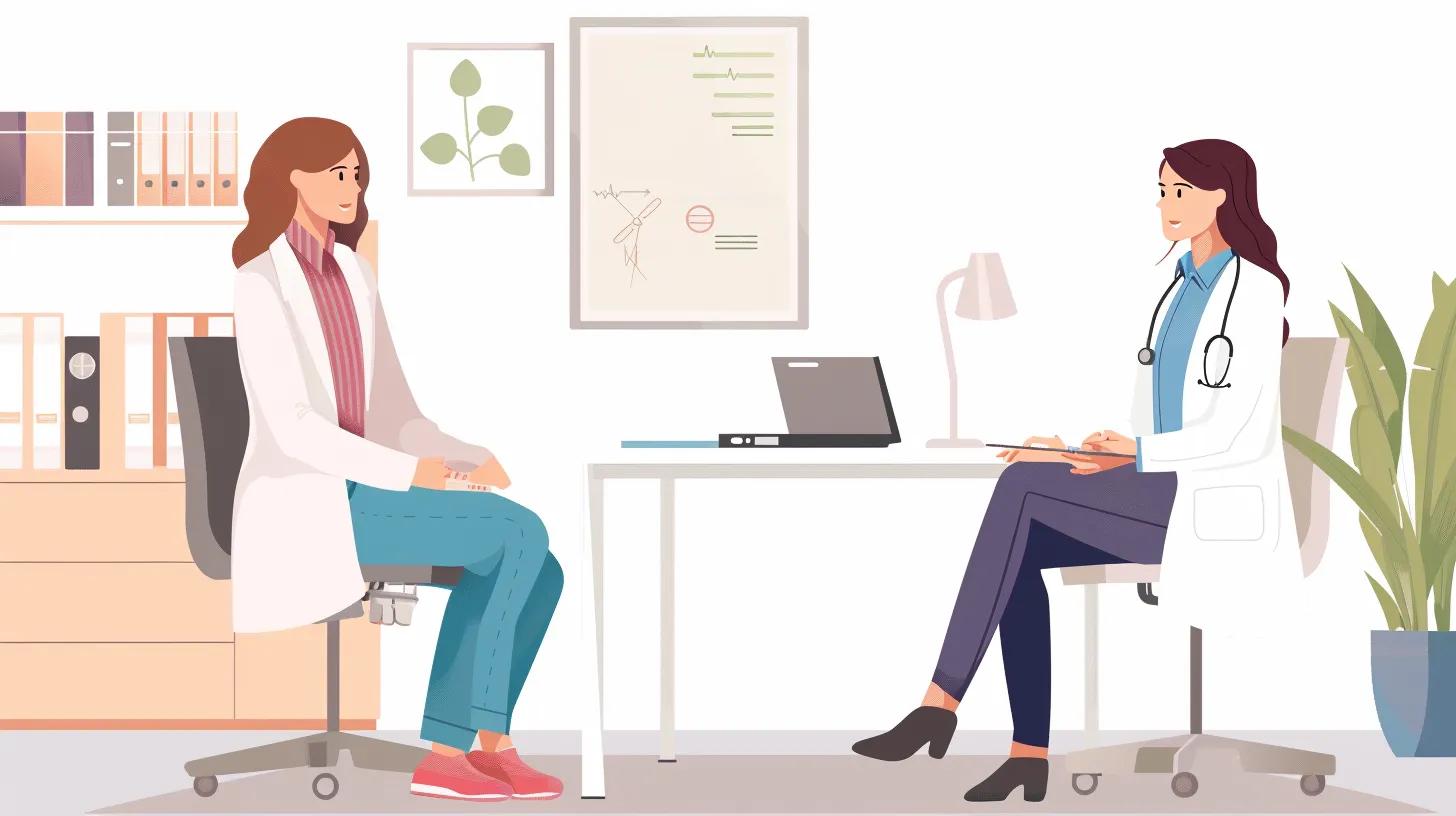
The minimally invasive nature of laparoscopic excision plays an important role in overall quality of life improvements. Reduced surgical impact supports faster recovery and allows patients to return to normal activities sooner.
Faster Recovery and Return to Activities
Smaller incisions and reduced tissue disruption typically allow for a quicker recovery compared to open surgery. This enables patients to resume school, social activities, and daily routines with less interruption.
Reduced Postoperative Pain and Scarring
Minimally invasive techniques are associated with less postoperative discomfort and minimal visible scarring. This can improve both physical recovery and patient comfort during the healing process.
Importance of Surgical Precision in Outcomes
Enhanced visualization during laparoscopic surgery allows for more precise removal of lesions while preserving healthy tissue. This precision contributes to better symptom control and supports improved long-term outcomes.
Importance of Multidisciplinary Care in Long-Term Quality of Life
While excision surgery can significantly improve symptoms, long-term quality of life is often supported by a comprehensive care approach. Multidisciplinary care addresses not only the physical aspects of endometriosis but also functional and emotional factors. Read more in Why Excision Surgery is the Gold Standard for Endometriosis.
Role of Pain Management and Physical Therapy
Some patients benefit from additional support such as pain management strategies or pelvic floor physical therapy. These approaches can help address residual discomfort, improve mobility, and support recovery after surgery.
Mental Health Support and Counseling
Chronic pain and medical treatment can affect emotional well-being. Access to counseling or psychological support can help patients manage stress, build coping strategies, and improve overall resilience.
Coordinated Postoperative Care
Ongoing coordination between specialists ensures that recovery and long-term management are aligned with patient needs. This structured approach helps maintain improvements achieved through surgery.
What to Expect During Recovery and Its Impact on Quality of Life
Recovery is an important phase that influences how quickly patients begin to experience improvements in quality of life. Understanding this process helps set realistic expectations.
Typical Recovery Timeline
Most patients begin to resume light activities within a few weeks, with gradual improvement over time. Full recovery depends on the extent of surgery and individual healing.
Gradual Return to Normal Activities
Patients are encouraged to increase activity levels gradually. A structured return to school, exercise, and daily routines helps support safe recovery and sustained improvement.
Managing Pain During Recovery
Postoperative discomfort is expected initially but is typically manageable with appropriate care. Monitoring symptoms and following medical guidance supports a smoother recovery process.
Long-Term Quality of Life After Excision Surgery

Many patients experience sustained improvements in quality of life following excision surgery, although outcomes vary. Long-term benefits are influenced by both surgical results and ongoing care. For more detail, see our article Excision vs. Ablation: Surgery for Endometriosis.
Sustained Symptom Improvement
Reduction in pain and related symptoms can persist over time, allowing patients to maintain higher levels of daily function and activity.
Ongoing Monitoring and Symptom Management
Regular follow-up helps track symptoms and identify any changes early. Continued monitoring supports long-term stability and timely intervention if needed.
Variability in Long-Term Outcomes
Not all patients experience the same degree of improvement. Some may have ongoing or recurrent symptoms, highlighting the importance of individualized care and realistic expectations.
Why Specialist Care Matters for Quality of Life Outcomes
The quality of surgical care and follow-up plays a significant role in long-term outcomes. Specialized expertise contributes to more precise treatment and better overall patient experience.
Role of Fellowship-Trained Surgeons
Surgeons with advanced training in endometriosis are better equipped to manage complex disease and perform precise excision. This can influence both symptom relief and recovery.
Impact of Surgical Expertise on Results
Accurate identification and complete removal of lesions are key factors in improving outcomes. Surgical expertise helps minimize complications and supports better long-term results.
Benefits of a Specialized Care Center
Specialized centers provide access to multidisciplinary teams and coordinated care pathways. This integrated approach supports both immediate recovery and long-term quality of life.
Excision Surgery at the Endometriosis Center of Excellence
Access to specialized care can enhance both surgical outcomes and overall patient experience. The Endometriosis Center of Excellence provides focused expertise in managing endometriosis in adolescents and young patients.
Expertise of Dr Rachael Haverland
Dr Rachael Haverland is a fellowship-trained specialist with experience in minimally invasive excision surgery. Her expertise supports the management of both routine and complex cases.
Patient-Centered, Multidisciplinary Approach
Care is delivered through a coordinated model that integrates surgical treatment with supportive services such as pain management and rehabilitation. This approach addresses multiple aspects of patient well-being.
Focus on Long-Term Quality of Life Outcomes
Treatment plans are designed not only to reduce symptoms but also to support long-term function, emotional well-being, and overall quality of life.
Frequently Asked Questions
How quickly does quality of life improve after surgery?
Some patients notice improvements in symptoms within weeks of recovery, while others experience gradual changes over several months. The timeline depends on individual healing and disease factors.
Will all symptoms go away after excision surgery?
Not all symptoms resolve completely. Many patients experience meaningful improvement, but outcomes vary and some symptoms may persist or require additional management.
Can surgery improve both physical and emotional well-being?
Reducing chronic pain can positively affect both physical function and emotional health. Improvements in daily activity and symptom control often contribute to better overall well-being.
What factors influence long-term quality of life outcomes?
Outcomes depend on factors such as disease severity, surgical precision, postoperative care, and individual health. Ongoing follow-up and supportive care play an important role.
Conclusion
Excision surgery can play a significant role in improving quality of life for patients with endometriosis by addressing the underlying causes of pain and dysfunction. Through lesion removal and restoration of pelvic anatomy, many patients experience meaningful improvements in daily function, emotional well-being, and overall health.
While outcomes vary, a comprehensive approach that includes specialized surgical care, structured recovery, and ongoing support provides the best opportunity for long-term improvement. At the Endometriosis Center of Excellence, care is designed to support not only symptom relief but also sustained quality of life through individualized, multidisciplinary management. To discuss your situation with a specialist, schedule an appointment at our center.