

Endometriosis pain does not always come from one source. Lesions, inflammation, adhesions, ovarian endometriomas, bowel or bladder involvement, and adenomyosis may contribute to symptoms. After months or years of pain, the muscles surrounding the pelvis can also begin to tighten, guard, or move differently. This secondary muscular response may become another source of discomfort even when it did not cause the endometriosis itself.
Pelvic floor physical therapy, often abbreviated as PFPT, evaluates and treats muscular, connective-tissue, movement, bowel, bladder, and sexual-function problems involving the pelvis. It may be useful when pelvic floor dysfunction contributes to pain during intercourse, difficulty emptying the bowel or bladder, pelvic muscle spasms, pain with sitting, or limited movement.
PFPT does not remove endometriosis lesions or replace medical and surgical treatment. Its purpose is to address the neuromuscular and functional contributors that may coexist with the disease.
Research into physiotherapy for endometriosis is promising but still developing. A recent systematic review found that physiotherapy interventions were associated with reduced endometriosis-related pain, although the included studies used different treatments, patient groups, and outcome measures. A randomized trial published in 2025 also found that supervised exercise and pelvic floor muscle training improved current pelvic and genital pain, but did not significantly improve the worst pain participants experienced. These findings support individualized use rather than a guarantee that PFPT will resolve every type of endometriosis pain.
The most useful question is therefore not whether everyone with endometriosis should attend pelvic floor therapy. It is whether a particular patient’s symptoms and examination findings suggest that pelvic floor dysfunction is one part of the pain pattern.
Why Endometriosis Pain Can Develop a Pelvic Floor Component

The pelvic floor is a group of muscles and connective tissues at the base of the pelvis. These structures help support the pelvic organs and contribute to urination, bowel movements, sexual function, pressure management, and movement.
When menstruation, intercourse, bowel movements, pelvic examinations, or everyday activity repeatedly cause pain, the body may respond by tightening the muscles around the affected area. This protective reaction can initially be useful, but it may become persistent.
Over time, the pelvic floor may remain tense even when the immediate painful stimulus is absent. The abdominal, hip, back, and buttock muscles may also begin compensating, producing a more complicated pain pattern.
Protective Muscle Guarding Can Continue After the Original Trigger
Muscle guarding occurs when the body contracts muscles around an area it perceives as painful or vulnerable. It is an automatic response rather than a conscious decision.
With endometriosis, guarding may develop in response to:
- Severe menstrual pain
- Pain during intercourse
- Painful bowel movements
- Bladder discomfort
- Repeated pelvic examinations
- Previous abdominal or pelvic surgery
- Fear that a movement will trigger pain
If the pattern continues, patients may experience pelvic aching, pressure, spasms, pain with sitting, difficulty relaxing during bowel movements, or discomfort with penetration.
The patient is not simply “failing to relax.” The muscles and nervous system may have learned to remain protective. Treatment therefore involves more than telling someone to release tension.
Pelvic Floor Dysfunction Is Not Always Muscle Weakness
Pelvic floor problems are often discussed as though they always involve weak muscles that require strengthening. In reality, pelvic floor dysfunction may involve:
- Excessive resting tension
- Difficulty lengthening or relaxing
- Poor coordination
- Muscle tenderness
- Reduced endurance
- Weakness
- Delayed muscle activation
- A combination of tightness and weakness
High-tone pelvic floor dysfunction refers to muscles that remain excessively contracted or do not relax appropriately. It may be associated with chronic pelvic pain, urinary symptoms, bowel-emptying difficulties, and sexual dysfunction. It can also coexist with pelvic conditions such as endometriosis or bladder pain syndrome.
A muscle can be both tense and functionally weak. When it is already holding excessive tension, asking it to perform repeated contractions may increase pain rather than improve function.
This is why a pelvic floor program should not automatically begin with Kegel exercises.
Persistent Pain May Change Nervous-System Sensitivity
When pain continues for an extended period, the nervous system may become increasingly responsive to pressure, movement, bladder filling, bowel activity, or penetration. Sensations that would ordinarily be tolerable may begin to feel painful, while an existing pain signal may feel stronger or last longer.
Pelvic floor therapy may help reduce muscular guarding, improve movement options, and gradually increase tolerance for certain activities. However, complex chronic pelvic pain may also require medical treatment, pain-management support, behavioral health care, or other rehabilitation services.
ACOG emphasizes that chronic pelvic pain can have several overlapping causes and may require treatment even when no single injury or disease explains every symptom.
Endometriosis and Pelvic Floor Dysfunction Can Coexist
Finding pelvic floor dysfunction does not prove that endometriosis is absent, inactive, or fully treated. The patient may have endometriosis lesions and a secondary muscular pain pattern at the same time.
Similarly, improving pelvic floor function does not necessarily eliminate cyclical pain arising from endometriosis. One part of the pain pattern may improve while another remains.
A complete treatment plan should therefore consider both the disease and its possible musculoskeletal consequences rather than forcing every symptom into one explanation.
Which Symptoms Suggest That Pelvic Floor Assessment May Be Useful?

No symptom can independently confirm pelvic floor dysfunction. Pain during intercourse, bowel discomfort, urinary symptoms, and difficulty sitting can also be caused by endometriosis lesions, adenomyosis, bladder conditions, gastrointestinal disorders, infection, or other pelvic problems.
However, certain patterns may justify an assessment by a physical therapist trained in pelvic health, particularly when symptoms are related to muscle use, movement, penetration, bowel emptying, or bladder function.
Pain During or After Intercourse
Painful intercourse may involve:
- Pain at the vaginal opening
- Deep pelvic pain with penetration
- Burning or muscle spasm
- Pain that changes with position
- Pain that continues after intercourse
- Anticipatory tightening before penetration
Endometriosis lesions, scar tissue, pelvic floor tension, bladder pain, vulvar conditions, and hormonal changes may all contribute.
A pelvic floor assessment can help determine whether muscle tenderness, excessive tone, poor coordination, or protective guarding is part of the problem. It cannot determine by itself whether deep endometriosis lesions are present.
Pain With Pelvic Examinations, Tampons, or Insertion
Some patients have difficulty tolerating:
- Speculum examinations
- Vaginal ultrasound
- Tampon insertion
- Vaginal medication
- Fertility procedures
- Other forms of penetration
They may experience involuntary tightening, burning, pressure, sharp pain, or symptoms that remain after the examination or insertion has ended.
These reactions deserve sensitive evaluation. They should not be assumed to be psychological, nor should they automatically be attributed to pelvic floor tension without considering endometriosis and other medical causes.
Bowel Symptoms With a Muscular or Coordination Component
The pelvic floor must relax and coordinate with abdominal pressure during a bowel movement. When the muscles contract rather than release, patients may experience:
- Straining despite having soft stool
- Difficulty beginning a bowel movement
- A feeling of incomplete emptying
- Pelvic pain after passing stool
- A sensation of blockage
- A need to change position or support the pelvic area
PFPT may help when muscle coordination or toileting mechanics contribute to the problem.
However, severe constipation, rectal bleeding, cyclical bowel pain, marked abdominal swelling, or suspected bowel endometriosis requires medical evaluation. Physical therapy cannot determine whether endometriosis lesions involve the bowel.
Bladder Emptying, Urgency, or Pelvic Pressure
Pelvic floor dysfunction may contribute to symptoms such as:
- Difficulty beginning urination
- A slow or interrupted urinary stream
- A feeling of incomplete bladder emptying
- Urgency in the absence of infection
- Pelvic pain as the bladder fills
- Discomfort after urination
Urinary tract infection, bladder pain syndrome, kidney stones, urinary disease, and bladder or ureteral endometriosis can produce overlapping symptoms. New, worsening, or cyclical urinary concerns should therefore be assessed medically rather than treated as a muscular problem without investigation.
Pain With Sitting, Exercise, or Everyday Movement
A musculoskeletal component may be present when symptoms include:
- Pain after prolonged sitting
- Hip, groin, tailbone, or lower-back discomfort
- Pain with bending or lifting
- Difficulty walking normally
- Abdominal bracing
- Fear of particular movements
- Symptoms that persist between menstrual periods
A pelvic health physical therapist may assess the pelvic floor along with the spine, hips, abdomen, breathing pattern, scars, and whole-body movement.
This does not mean that posture or movement caused endometriosis. The purpose is to identify additional impairments that may be increasing pain or limiting function.
Persistent Muscular Pain After Endometriosis Treatment
Some patients continue to experience pain after hormonal treatment or endometriosis surgery. Continued symptoms do not automatically prove that the disease has returned or that the previous treatment failed.
Possible contributors include:
- Residual or recurrent endometriosis
- Pelvic floor dysfunction
- Adenomyosis
- Adhesions
- Abdominal-wall pain
- Bowel or bladder disorders
- Nerve-related pain
- Persistent pain sensitization
A comprehensive reassessment is needed before deciding which source is responsible. PFPT may be appropriate when muscular or functional findings are present, but therapy should not be used to delay evaluation of possible active disease.
What a Pelvic Floor Physical Therapy Evaluation Should Assess
 A proper pelvic floor evaluation should involve more than asking the patient to contract the muscles. The therapist should review the medical history, current symptoms, previous treatment, movement, breathing, bowel and bladder function, and personal goals before recommending exercises or hands-on treatment.
The evaluation should also be collaborative and consent-based.
Medical, Surgical, and Symptom History
The therapist may ask about:
- Endometriosis symptoms and diagnosis
- Previous medical or hormonal treatment
- Abdominal or pelvic surgery
- Menstrual pain
- Pain during intercourse
- Bowel habits and painful bowel movements
- Bladder urgency, frequency, or emptying difficulties
- Pregnancy and delivery history when relevant
- Previous injuries
- Current medications
- Exercise and activity levels
- Work demands
- Activities limited by pain
- Previous physical therapy
The therapist should also identify symptoms that require referral back to a gynecologist, surgeon, gastroenterologist, urologist, or another healthcare professional.
Breathing, Posture, and Whole-Body Movement
Pelvic floor function is connected with breathing, abdominal pressure, the hips, the spine, and the abdominal wall.
The therapist may assess:
- Breathing mechanics
- Abdominal muscle use
- Hip and spinal mobility
- Walking and other movement patterns
- Scar sensitivity
- Muscle guarding
- Positions that reproduce or reduce symptoms
- Ability to manage pressure during movement
The purpose is not to identify one “correct” posture. It is to understand how the patient moves, where tension develops, and whether different strategies improve comfort or function.
External Pelvic and Abdominal Assessment
An external examination may assess the:
- Abdomen
- Lower back
- Hips
- Inner thighs
- Buttock muscles
- Pelvic girdle
- External pelvic floor region
- Surgical scars
The therapist may evaluate tenderness, muscle tone, scar mobility, movement restrictions, or areas where pressure reproduces familiar symptoms.
External assessment may be used on its own when internal examination is not clinically necessary, is not tolerated, or is declined.
Internal Assessment Is Optional and Requires Consent
An internal vaginal or rectal examination may provide information about resting muscle tension, tenderness, coordination, strength, endurance, and the ability to contract and relax. However, it should not occur automatically.
APTA Pelvic Health describes internal and external pelvic floor examinations as optional and consent-based. It also notes that a detailed pelvic floor assessment can still proceed without an internal examination when the patient is not comfortable with it.
Before an internal assessment, the therapist should explain:
- Why it is being considered
- What it involves
- What information it may provide
- Which alternatives are available
- How the patient can pause or stop the examination
The patient may decline, defer, modify, or stop the examination at any time. Their treatment plan should not depend on accepting a technique they do not want.
Functional Goals Should Guide the Plan
Treatment should be connected to activities the patient wants or needs to perform.
Goals may include:
- Sitting through a workday
- Sleeping with fewer interruptions
- Tolerating a pelvic examination
- Reducing pain with intercourse
- Emptying the bowel with less straining
- Improving bladder emptying
- Returning to exercise
- Walking more comfortably
- Moving more easily after surgery
- Managing symptom increases more independently
These functional goals provide more useful measures of progress than muscle strength alone.
Treatment Should Match the Findings, Not Begin With Generic Kegels

Pelvic floor treatment should be determined by the assessment. Patients with excessive tension require a different plan from those with weakness, reduced endurance, or poor muscle activation.
A generic Kegel program may be unhelpful or aggravating when the muscles are already overactive.
Down-Training for an Overactive Pelvic Floor
Down-training refers to strategies that help reduce unnecessary resting tension and improve the ability to release the pelvic floor.
Treatment may include:
- Breathing coordination
- Supported resting positions
- Awareness of involuntary bracing
- Gentle pelvic and hip mobility
- Relaxation during urination or bowel movements
- Gradual exposure to previously painful movements
- Strategies for reducing jaw, abdominal, and buttock tension
Down-training does not mean that pain is caused by stress or that relaxation alone will treat endometriosis. It addresses a muscular response that may have developed alongside persistent pain.
Manual Therapy When Clinically Appropriate
Manual therapy may be used to address tender muscles, scars, connective tissues, or movement restrictions. It may be external or internal depending on the findings, the therapist’s training, and the patient’s consent.
Manual therapy:
- Is not required in every treatment plan
- Should be adjusted to the patient’s tolerance
- Should not cause severe or prolonged pain
- May be modified or stopped at any time
- Does not remove internal endometriosis lesions
- Does not excise or dissolve adhesions
A systematic review found that locally applied physiotherapy approaches were among the interventions associated with reduced endometriosis-related pain, but the studies varied considerably. Manual therapy should therefore be presented as one possible component rather than a proven universal treatment.
Coordination Before Strengthening
Some patients first need to learn how to release and coordinate the pelvic floor before performing strengthening exercises.
Treatment may initially focus on:
- Relaxing at rest
- Lengthening during inhalation
- Releasing during bowel or bladder emptying
- Coordinating with abdominal pressure
- Reducing compensatory tightening
- Contracting without increasing pain
Strengthening may be introduced later if the assessment identifies weakness, reduced endurance, or inadequate support.
The appropriate sequence depends on the patient. Strengthening is not inherently harmful, but it should not be prescribed without determining how the muscles currently function.
Bowel and Bladder Mechanics
When muscle tension or poor coordination contributes to symptoms, therapy may include education about:
- Positioning during bowel movements
- Coordinating breathing with emptying
- Avoiding prolonged or forceful straining
- Relaxing during urination
- Responding to bladder urgency
- Developing sustainable bathroom routines
- Managing abdominal pressure
These strategies address functional mechanics. They do not diagnose or treat lesions affecting the bowel, bladder, or ureters.
Graded Return to Movement and Activity
Persistent pain can lead patients to avoid sitting, exercise, lifting, intercourse, or other movements. Avoidance may be understandable, but prolonged inactivity can reduce tolerance and make a return to normal activity more difficult.
A graded plan may progressively reintroduce:
- Walking
- Household activities
- Work positions
- Strength training
- Cardiovascular exercise
- Sexual activity
- Other personally meaningful movements
The objective is not to force the patient through severe pain. Progression should remain flexible and should be adjusted when symptoms increase.
A Personalized Home Program
A home program may include a small number of:
- Breathing strategies
- Supported positions
- Mobility exercises
- Bowel or bladder techniques
- Scar-management instructions
- Graded activities
- Strengthening exercises when appropriate
The plan should be specific enough to support the therapist’s findings without becoming overwhelming.
Patients should not rely on a generic online pelvic floor routine because the same exercise can affect a tight, weak, painful, or poorly coordinated pelvic floor differently.
What Pelvic Floor Physical Therapy Can and Cannot Change
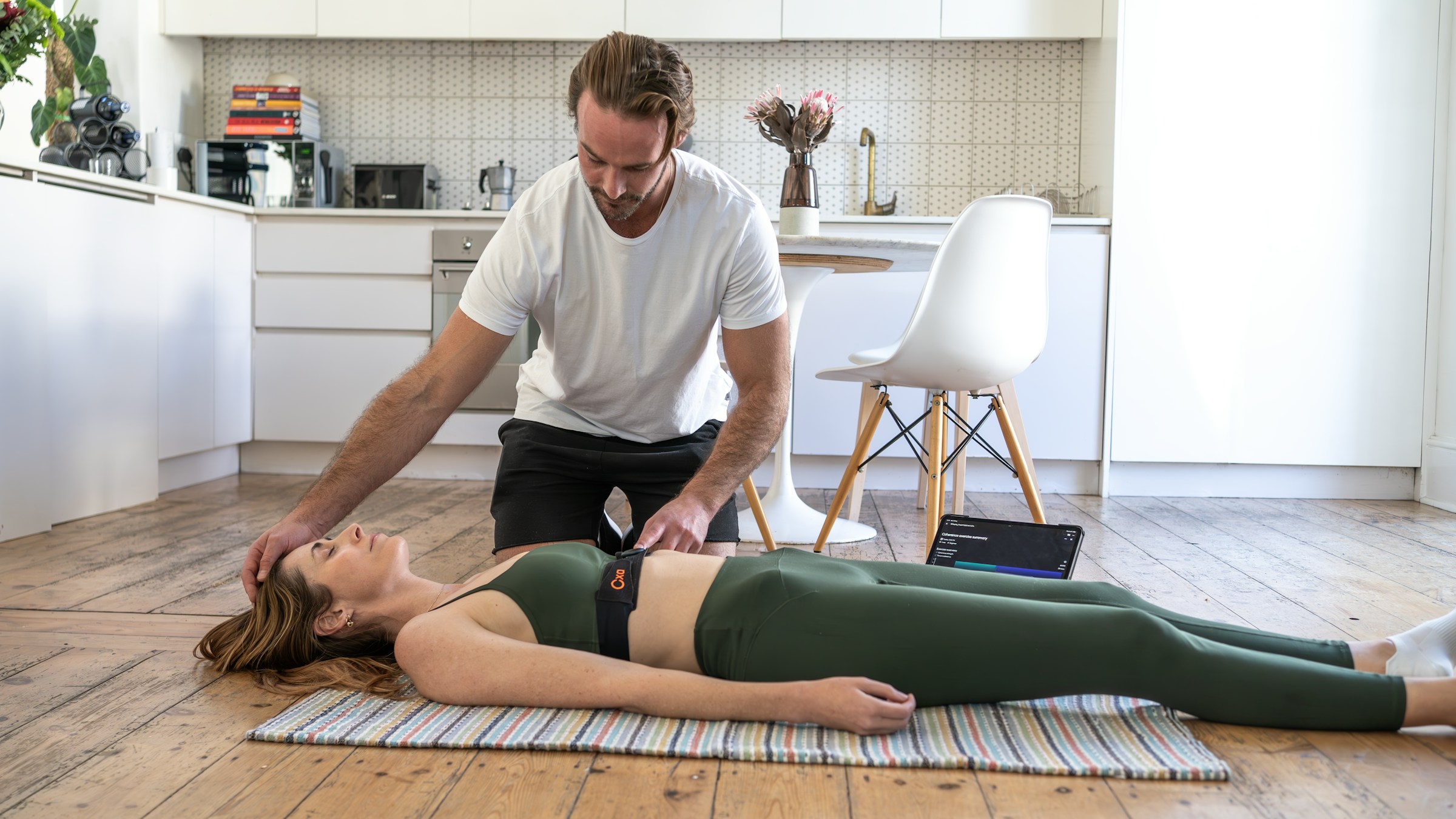
Clear expectations are important. PFPT may improve meaningful symptoms and daily function when pelvic floor dysfunction is present. It cannot address every mechanism involved in endometriosis-associated pain.
Symptoms PFPT May Help Address
Depending on the patient’s findings, therapy may help with:
- Pelvic muscle tenderness
- Pain related to guarding or spasms
- Pain with penetration
- Difficulty tolerating pelvic examinations
- Straining or poor coordination during bowel movements
- Certain urinary symptoms
- Scar sensitivity
- Restricted movement
- Reduced tolerance for sitting or activity
- Fear associated with painful movement
A 2024 randomized trial involving patients with deep infiltrating endometriosis examined urinary, bowel, and sexual outcomes after pelvic floor muscle physiotherapy. The results support continued investigation, but they do not establish that every bowel, bladder, or sexual symptom will respond to PFPT.
Treatment should be based on an identified muscular or functional contributor rather than the diagnosis of endometriosis alone.
PFPT Does Not Remove Endometriosis Lesions
Pelvic floor therapy cannot:
- Excise or destroy endometriosis lesions
- Diagnose the location or stage of disease
- Remove an ovarian endometrioma
- Treat ureteral obstruction
- Remove deep bowel or bladder disease
- Release internal adhesions surgically
- Prevent disease recurrence
- Replace indicated medical or surgical treatment
A patient whose muscular function improves may still require evaluation and treatment for active endometriosis.
PFPT Is Not a Proven Fertility Treatment
Pelvic floor physical therapy should not be presented as a treatment that improves ovarian reserve, opens blocked fallopian tubes, repairs reproductive organs, improves egg quality, or increases pregnancy rates.
ESHRE does not recommend physiotherapy or other nonmedical interventions as established treatments for endometriosis-associated infertility because the available evidence is insufficient.
PFPT may still be useful during fertility care when pain or pelvic floor guarding makes intercourse, pelvic ultrasound, insemination, embryo transfer, or other procedures difficult to tolerate. Improving tolerance for a procedure is different from directly improving fertility.
Improvement May Be Functional Rather Than Complete Pain Elimination
Meaningful progress does not always mean that all pain disappears.
Patients may experience:
- Fewer activity limitations
- Greater sitting tolerance
- Easier bowel or bladder emptying
- Reduced muscular pain
- Better tolerance for examinations or intercourse
- Improved confidence with movement
- Shorter recovery after a symptom increase
- Greater ability to manage symptoms independently
Cyclical pain may continue if endometriosis, adenomyosis, or another medical condition remains active. Treatment outcomes should therefore reflect the specific goals of therapy rather than an expectation of complete pain elimination.
How PFPT Fits Alongside Endometriosis Medication and Surgery
 Pelvic floor therapy does not compete with hormonal treatment, pain medication, or excision surgery. These approaches address different contributors.
Medical treatment may suppress endometriosis-associated symptoms. Surgery may identify and remove visible lesions. PFPT addresses muscular, connective-tissue, movement, bowel, bladder, and functional impairments.
The Endometriosis Center of Excellence describes its care model as individualized and multidisciplinary, considering pelvic pain, bowel and bladder health, fertility concerns, and emotional well-being alongside specialized surgical care.
When Therapy May Be Used Before Surgery
Preoperative PFPT may be considered when a patient has:
- Significant pelvic floor tension
- Pain during examinations
- Difficulty emptying the bowel or bladder
- Muscular pain that may remain after lesion removal
- Severe movement avoidance
- Limited breathing or mobility
- Concerns about postoperative movement
Therapy before surgery may help the patient learn positioning, breathing, movement, and symptom-management strategies that can be used during recovery.
It is not required for every surgical patient and should not unnecessarily delay indicated surgery.
Why Surgery and PFPT Address Different Pain Sources
Excision surgery aims to identify and remove visible endometriosis lesions. PFPT addresses pelvic muscle function, coordination, movement, scar sensitivity, and other rehabilitation needs.
A patient may require:
- Medical treatment without PFPT
- PFPT without surgery
- Surgery followed by rehabilitation
- PFPT before and after surgery
- Several coordinated treatments
The appropriate combination depends on symptoms, examination findings, imaging, treatment history, fertility goals, and the patient’s preferences.
When Therapy May Begin or Resume After Surgery
There is no universal postoperative schedule for beginning pelvic floor therapy.
Timing may depend on:
- The location and extent of surgery
- Whether the bowel, bladder, ureter, diaphragm, or other structures were treated
- Incision and tissue healing
- Postoperative pain
- Complications
- The surgeon’s restrictions
- Current bowel and bladder function
- The planned therapy techniques
Early rehabilitation may be limited to breathing, supported positioning, short walks, and gradual mobility. More direct abdominal, scar, or pelvic floor treatment may be introduced later when healing and surgical instructions permit.
The surgeon and physical therapist should coordinate when the procedure was extensive or symptoms are changing.
Persistent Pain Requires Reassessment, Not Endless Therapy
PFPT should have defined goals and a method for measuring progress. When symptoms remain unchanged or worsen, the treatment plan should be reviewed.
Further evaluation may be needed for:
- Residual or recurrent endometriosis
- Adenomyosis
- Adhesions
- Bowel or bladder disease
- Postoperative complications
- Nerve-related pain
- Another musculoskeletal condition
- A treatment approach that does not fit the patient
Physical therapy should not continue indefinitely simply because pelvic pain is complex.
Communication Across the Care Team
Depending on the patient’s needs, coordinated care may involve:
- An endometriosis specialist
- A pelvic floor physical therapist
- A primary gynecologist
- A gastroenterologist
- A urologist
- A pain-management clinician
- A fertility specialist
- A behavioral health professional
Multidisciplinary treatment does not mean adding every available service. It means selecting the appropriate clinicians and ensuring that each treatment addresses a defined part of the problem.
How to Measure Whether Pelvic Floor Therapy Is Working

Pain intensity is important, but it is not the only measure of progress. Endometriosis symptoms can change across the menstrual cycle, while chronic pelvic pain may fluctuate for reasons unrelated to therapy.
Progress should be evaluated through specific symptoms, functional goals, and the patient’s ability to participate in everyday life.
Establish a Baseline Before Treatment
Before beginning therapy, record:
- Pain location and quality
- Activities that trigger symptoms
- Pain during intercourse or pelvic examination
- Bowel-emptying difficulties
- Urinary symptoms
- Sitting and walking tolerance
- Exercise limitations
- Menstrual-cycle timing
- Current medications
- Recent surgery or other treatment
A baseline makes it easier to distinguish meaningful improvement from normal symptom variation.
Track Functional Gains
Useful measures may include:
- The amount of time the patient can sit
- Distance or duration of walking
- Ability to exercise
- Reduced straining during bowel movements
- Improved bladder emptying
- Greater tolerance for pelvic examination
- Reduced pain after intercourse
- Improved sleep
- Faster recovery after a flare
- Return to work or household tasks
These outcomes may improve even when some cyclical pain remains.
Expect the Plan to Change Over Time
PFPT should evolve as symptoms and function change.
Treatment may progress from:
- Relaxation to coordination
- Symptom calming to movement progression
- Hands-on treatment to independent management
- Basic mobility to strength and endurance
- Postoperative protection to gradual loading
An exercise or technique that was appropriate during the first stage may no longer be the best priority later.
There Is No Universal Number of Sessions
The duration and frequency of treatment depend on:
- Symptom severity and duration
- The complexity of the pain pattern
- Surgical history
- Bowel and bladder involvement
- Treatment goals
- Home-program tolerance
- Coexisting conditions
- Response to treatment
- Access and insurance coverage
Patients should be cautious about guaranteed improvement within a specific number of appointments.
Know When Therapy Should Be Modified or Stopped
The treatment plan should be reassessed when:
- Sessions repeatedly cause severe or prolonged pain
- Symptoms are becoming worse
- Function is declining
- New bleeding, bowel, bladder, or neurological symptoms develop
- The patient feels pressured into unwanted techniques
- Goals are not being reviewed
- Treatment continues without measurable benefit
- Another condition may require medical evaluation
Temporary soreness may occur after some treatments, but substantial or persistent symptom increases should not be dismissed as something the patient must endure.
Frequently Asked Questions
Is Pelvic Floor Physical Therapy a Treatment for Endometriosis?
PFPT treats muscular, connective-tissue, movement, bowel, bladder, sexual-function, and rehabilitation problems that may coexist with endometriosis.
It does not remove or suppress endometriosis lesions. It should be considered one possible part of a broader treatment plan.
Does Everyone With Endometriosis Need Pelvic Floor Therapy?
No.
Referral should be based on the patient’s symptoms, functional limitations, examination findings, treatment history, and goals. Someone without evidence of muscular or functional dysfunction may not need PFPT.
Are Kegel Exercises Good for Endometriosis Pain?
Not automatically.
Kegel exercises involve contracting the pelvic floor. They may be useful when weakness or reduced endurance is present, but they may worsen pain when the muscles are already overactive or unable to relax.
Exercise selection should follow an individualized assessment.
Does Pelvic Floor Therapy Require an Internal Examination?
No.
An internal assessment may be offered when it could provide useful information, but it is optional and requires consent. Patients may decline, defer, modify, or stop it. External assessment and other treatment options may still be used.
Can PFPT Help With Pain During Intercourse?
It may help when pelvic floor tension, muscle tenderness, poor coordination, scar sensitivity, or protective guarding contributes to the pain.
Endometriosis lesions, adenomyosis, vulvar conditions, bladder pain, infections, and other gynecologic concerns may also require treatment.
Can PFPT Help With Bowel or Bladder Symptoms?
It may help when muscle tension, poor coordination, or toileting mechanics contribute to symptoms.
PFPT cannot diagnose or remove bowel, bladder, or ureteral endometriosis. Cyclical, severe, or progressively worsening symptoms require medical evaluation.
Can Pelvic Floor Therapy Improve Fertility?
PFPT is not an established fertility treatment.
It may help some patients tolerate intercourse, pelvic examinations, ultrasound, or fertility procedures more comfortably. It has not been shown to improve ovarian reserve, fallopian-tube function, embryo quality, or pregnancy rates in patients with endometriosis.
Should Therapy Be Completed Before Excision Surgery?
Not in every case.
Preoperative therapy may help selected patients who have significant muscle tension, examination pain, bowel or bladder coordination difficulties, or movement limitations. It should not unnecessarily delay indicated surgery.
When Can PFPT Begin After Endometriosis Surgery?
There is no universal timeline.
The surgeon and therapist should consider the procedure performed, tissue healing, postoperative restrictions, complications, current symptoms, and the type of therapy being proposed.
What if PFPT Does Not Improve My Pain?
The diagnosis, treatment goals, techniques, and possible overlapping pain contributors should be reassessed.
Persistent pain may require additional evaluation for active endometriosis, adenomyosis, bowel or bladder conditions, adhesions, nerve-related pain, or another musculoskeletal problem. Therapy should not continue indefinitely without measurable benefit.
Conclusion
Pelvic floor physical therapy is most relevant when endometriosis-associated pain includes a muscular, movement, bowel, bladder, sexual-function, scar, or coordination component. It is not a universal treatment for everyone with endometriosis, and it cannot remove lesions or replace appropriate medical and surgical care.
Effective therapy begins with an individualized evaluation rather than generic Kegel exercises. Depending on the findings, treatment may involve down-training, breathing and movement coordination, manual therapy, bowel or bladder strategies, scar rehabilitation, strengthening, and a gradual return to activity.
Progress may appear as improved function rather than complete pain elimination. Patients may sit longer, move more comfortably, empty the bowel with less straining, tolerate examinations or intercourse more easily, or recover more effectively from symptom increases while still experiencing some disease-related pain.
Because endometriosis pain may have several overlapping contributors, pelvic floor therapy is often most useful within a coordinated treatment plan. The Endometriosis Center of Excellence evaluates pelvic pain alongside bowel and bladder health, pelvic floor function, previous treatment, imaging, fertility goals, and possible need for minimally invasive excision surgery. This broader assessment helps determine whether PFPT, medical treatment, surgery, or a combination of approaches is appropriate for the individual patient.