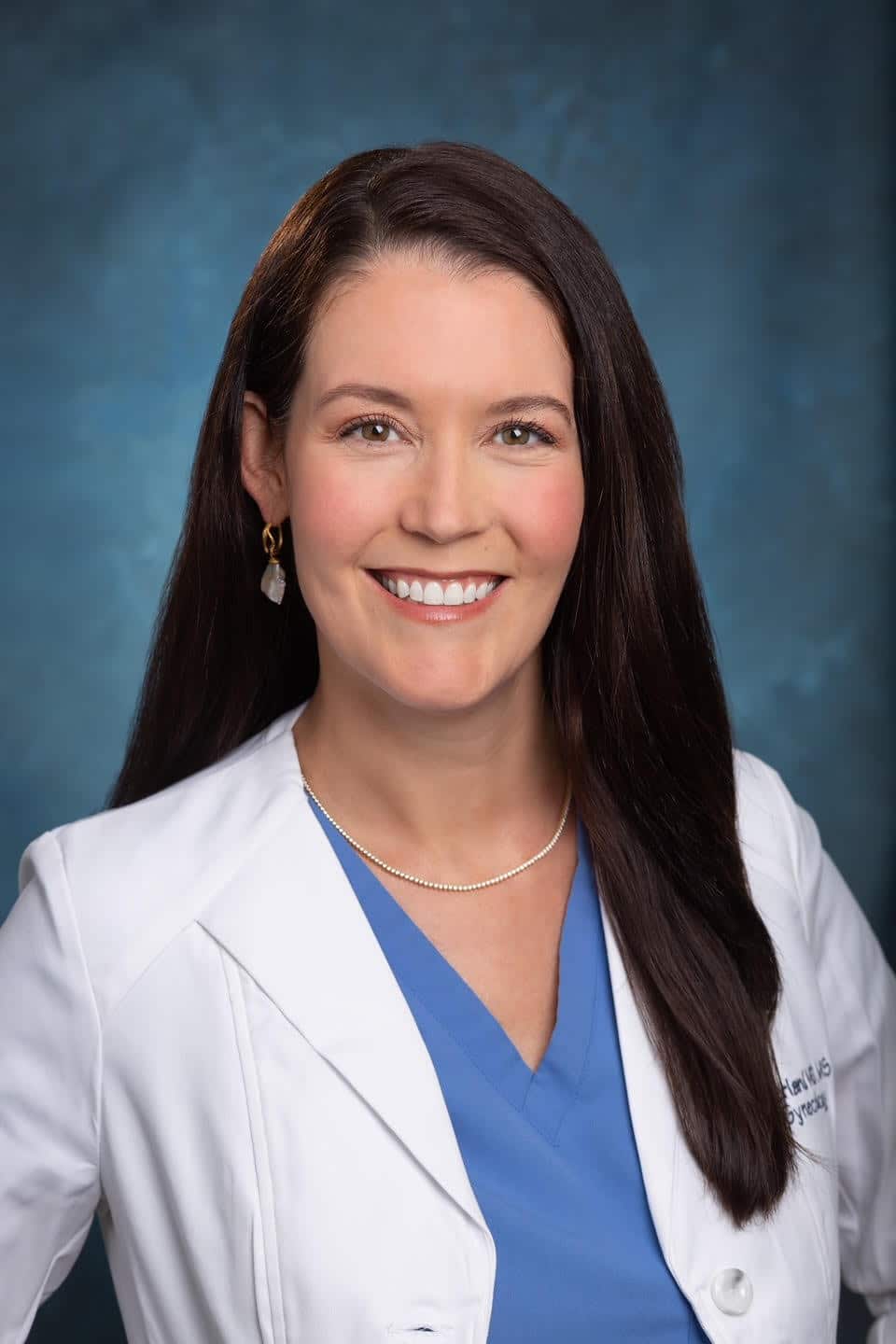

Endometriosis is a complex gynecologic condition that can cause significant pain, heavy or irregular periods, fertility challenges, bowel or bladder symptoms, and chronic pelvic discomfort. It occurs when tissue similar to the lining of the uterus grows outside the uterus, often affecting the ovaries, fallopian tubes, pelvic lining, and nearby organs. Because symptoms can vary from mild to severe, many patients may not recognize the condition right away.
Understanding both early and advanced symptoms is important because timely diagnosis can lead to better symptom management and more effective treatment planning. Some patients first notice painful periods or pelvic pain, while others may seek care because of infertility or ongoing discomfort. At Endometriosis Center of Excellence, patients receive specialized evaluation and personalized care for both early and complex cases of endometriosis.
Early Symptoms of Endometriosis

Early endometriosis symptoms can be subtle, but they should not be ignored when they disrupt daily life or worsen over time. Many patients are told that painful periods are normal, but severe or recurring pain may be a sign of an underlying condition. Recognizing early symptoms can help patients seek care before pain becomes chronic or complications develop.
Pelvic Pain and Severe Cramping
Pelvic pain is one of the most common early signs of endometriosis. This pain may feel like severe cramping, pressure, aching, or sharp discomfort in the lower abdomen or pelvis. It often appears before or during menstruation, but some patients may also feel pain between periods. Pain that interferes with work, school, sleep, or regular activities should be evaluated by a specialist.
Heavy or Irregular Periods
Some patients with endometriosis experience heavy menstrual bleeding, irregular bleeding, or spotting between periods. While changes in bleeding can have several causes, they should be discussed with a doctor when they happen repeatedly or appear with pelvic pain. Heavy bleeding may also increase fatigue and make daily routines more difficult. A careful evaluation can help determine whether endometriosis or another condition is involved.
Fatigue and Digestive Discomfort
Endometriosis may also cause symptoms that are easier to overlook, such as fatigue, bloating, constipation, diarrhea, nausea, or general digestive discomfort. These symptoms may become worse around the menstrual cycle. Because digestive symptoms can be mistaken for gastrointestinal problems, patients should mention any connection between bowel changes and pelvic pain during their medical consultation.
Advanced Symptoms of Endometriosis
As endometriosis progresses, symptoms may become more severe, frequent, or complex. Advanced endometriosis can involve deeper lesions, adhesions, scarring, or symptoms affecting nearby organs. Patients with advanced symptoms often need specialized care because the condition may impact daily life, fertility, and emotional well-being.
Chronic Pelvic Pain
Chronic pelvic pain is pain that persists over time and may occur even when a patient is not menstruating. This pain can affect walking, sitting, exercise, intimacy, work, and sleep. It may be caused by inflammation, scar tissue, nerve sensitivity, pelvic floor dysfunction, or deep endometriosis lesions. Chronic pain should be evaluated by an endometriosis specialist, especially if basic pain relief no longer helps.
Severe Dysmenorrhea That Worsens Over Time
Dysmenorrhea means painful periods, but endometriosis-related menstrual pain is often more intense than typical cramping. The pain may worsen over time, last longer than the period itself, or fail to improve with over-the-counter medication. Severe dysmenorrhea can be a sign that endometriosis is progressing or becoming more difficult to manage. Patients should not dismiss worsening period pain as normal.
Bowel, Bladder, or Organ-Related Symptoms
Advanced endometriosis may affect areas near the bowel, bladder, ureters, or other pelvic structures. Symptoms can include pain with bowel movements, urinary discomfort, frequent urination, constipation, diarrhea, bloating, or pelvic pressure. These symptoms may worsen around menstruation. When endometriosis involves nearby organs, treatment planning may require a more advanced and multidisciplinary approach. You may also find Endometriosis: Symptoms, Causes, and Treatment helpful.
Endometriosis and Fertility Challenges
Endometriosis can affect fertility in different ways, although not every patient with endometriosis will have trouble conceiving. For some patients, infertility may be the first sign that leads to diagnosis. This is why fertility goals should be discussed early, especially for patients who are trying to conceive or may want children in the future.
How Endometriosis Can Affect Reproductive Health
Endometriosis may interfere with fertility through inflammation, adhesions, ovarian cysts, scar tissue, or changes in pelvic anatomy. These factors can affect ovulation, egg quality, fertilization, or implantation. In some cases, endometriosis may also make it harder for reproductive organs to function normally. A fertility-focused evaluation can help identify possible barriers and guide treatment planning.
Infertility May Be an Early or Advanced Sign
Some patients do not experience severe pelvic pain but discover endometriosis during an infertility evaluation. Others may have both pain and difficulty conceiving. Because symptoms vary, infertility should not be overlooked as a possible sign of endometriosis. Patients with unexplained fertility challenges may benefit from evaluation by a specialist familiar with endometriosis and reproductive health. You may also find Why Mild Endometriosis Can Cause Severe Chronic Pelvic Pain helpful.
Treatment Planning Should Consider Fertility Goals
Before choosing a treatment plan, patients should discuss whether they are currently trying to conceive or want to preserve fertility for the future. Treatment choices may differ depending on age, ovarian reserve, disease severity, pain level, and reproductive plans. A personalized approach helps ensure that care supports both symptom relief and fertility goals whenever possible.
How Endometriosis Is Diagnosed
Diagnosing endometriosis requires a careful review of symptoms, medical history, imaging, and sometimes surgery. Because symptoms can overlap with other conditions, a specialist evaluation is important. The goal is to understand what may be causing symptoms and decide which diagnostic steps are most appropriate.
Clinical Assessment and Medical History
A clinical assessment usually begins with a detailed conversation about symptoms, menstrual history, pain patterns, bowel and bladder changes, sexual pain, previous treatments, surgeries, and fertility concerns. A pelvic exam may also be performed when appropriate. This information helps the specialist identify patterns that may suggest endometriosis or another pelvic health condition. Read more in Understanding the Causes of Pelvic Pain in Endometriosis.
Imaging Tests May Help Identify Signs
Transvaginal ultrasound and MRI may be used to look for ovarian endometriomas, fibroids, pelvic masses, or signs of deep endometriosis. Imaging can provide useful information, but it does not always detect every case of endometriosis. A normal ultrasound or MRI does not always rule out the condition. A specialist can explain what imaging can and cannot show.
Laparoscopy Can Confirm the Diagnosis
Laparoscopy is often used to confirm endometriosis because it allows the surgeon to directly view the pelvic organs. During this minimally invasive procedure, the surgeon may identify lesions, adhesions, cysts, or scar tissue. In many cases, treatment can also be performed during the same procedure, such as removing visible endometriosis lesions through excision.
Treatment Options for Endometriosis Symptoms

Treatment for endometriosis should be based on the patient’s symptoms, disease severity, fertility goals, and previous treatment history. Some patients may benefit from medical management, while others may need surgical treatment or multidisciplinary care. The right plan should be individualized rather than one-size-fits-all.
Hormonal Therapy and Pain Relief
Hormonal therapy may help reduce symptoms by regulating menstrual cycles or decreasing hormonal stimulation of endometriosis tissue. Pain relief options, including anti-inflammatory medications, may also help manage discomfort. These treatments can be useful for symptom control, but they may not remove existing lesions. A specialist can explain whether medical management is appropriate.
Minimally Invasive Laparoscopic Surgery
Laparoscopic surgery may be recommended for patients with severe symptoms, suspected advanced disease, or pain that does not improve with conservative treatment. This minimally invasive approach uses small incisions and specialized tools to evaluate and treat the pelvis. It may support a smoother recovery compared with open surgery, depending on the complexity of the case.
Excision Surgery for Endometriosis Lesions
Excision surgery focuses on removing visible endometriosis lesions as completely and safely as possible. This approach may provide meaningful symptom relief for many patients, especially when performed by a fellowship-trained specialist experienced in complex endometriosis care. Excision may also be considered when fertility goals, deep lesions, or recurring symptoms are part of the treatment plan.
Specialized Endometriosis Care
Choosing the right specialist can make a significant difference in diagnosis, treatment planning, and long-term outcomes. Endometriosis can be complex, especially when symptoms involve chronic pelvic pain, fertility challenges, bowel symptoms, bladder discomfort, or emotional stress. Specialized care helps patients receive a clearer diagnosis and a more complete treatment plan. Read more in The Complete Guide to Endometriosis and Chronic Pelvic Pain.
Expertise Matters in Complex Cases
Fellowship-trained specialists have advanced experience in minimally invasive gynecologic surgery and complex pelvic conditions. This expertise is especially important when endometriosis involves deep lesions, adhesions, fertility concerns, or nearby organs. A specialist can help determine whether medical care, surgery, or coordinated support is the best next step.
Multidisciplinary Planning Can Improve Care
Some patients benefit from a team-based approach involving pelvic floor physical therapy, pain management, fertility care, gastrointestinal support, urology, or mental health resources. This approach can help address the full impact of endometriosis, not just one symptom. Personalized multidisciplinary planning is especially helpful for patients with chronic or advanced symptoms. You may also find Understanding Chronic Pelvic Pain: Symptoms of Endometriosis helpful.
Endometriosis Center of Excellence Provides Personalized Treatment
At Endometriosis Center of Excellence, patients receive specialized evaluation and treatment planning for early and advanced endometriosis symptoms. Care may include diagnostic evaluation, hormonal management, minimally invasive laparoscopic surgery, excision treatment, fertility-focused planning, and coordinated referrals when needed. If symptoms are affecting daily life, early specialist care can help patients move toward answers, relief, and better quality of life.
Frequently Asked Questions
1. What factors contribute to the development of endometriosis?
While the exact cause of endometriosis remains unclear, several factors are believed to contribute to its development. These include retrograde menstruation, where menstrual blood flows backward into the pelvic cavity, genetic predisposition, hormonal imbalances, and immune system disorders that may fail to recognize endometrial-like tissues outside the uterus. Environmental factors, such as exposure to toxins, are also being studied as potential contributors to this complex condition.
2. How can endometriosis affect mental health?
The chronic pain and symptoms associated with endometriosis can significantly impact a person’s mental health. Many individuals experience anxiety, depression, and stress related to the unpredictability of their symptoms and fertility concerns. It’s crucial for patients to seek out mental health support alongside their physical treatment to address these emotional challenges. Specialized care that integrates psychological and emotional support can lead to better overall outcomes.
3. Are there lifestyle changes that can help manage endometriosis symptoms?
Certain lifestyle changes may help manage endometriosis symptoms. Regular exercise, a balanced diet rich in fruits, vegetables, and omega-3 fatty acids, and stress management techniques like yoga or meditation can be beneficial. Additionally, avoiding processed foods and reducing intake of caffeine and alcohol may alleviate symptoms for some patients. Staying hydrated and maintaining a healthy weight are also important. It’s advisable to discuss personalized lifestyle adjustments with a healthcare provider.
4. How does endometriosis treatment vary for patients trying to conceive?
For patients with endometriosis who are trying to conceive, treatment options often prioritize fertility preservation. Hormonal therapies may be minimized during this period, and treatments like in vitro fertilization (IVF) may be considered. Surgical options, such as excision of endometriosis lesions, may also be pursued to enhance fertility. Collaboration with a fertility specialist is crucial in developing a plan that adequately addresses both pain management and reproductive goals.
5. What should I expect during an endometriosis evaluation?
During an endometriosis evaluation, patients can expect a comprehensive assessment that includes a detailed medical history, discussion of symptoms, and a pelvic examination. Imaging tests, such as ultrasounds or MRIs, may be ordered to identify potential endometriosis lesions. If needed, a laparoscopy may be performed to confirm the diagnosis. Throughout this process, open communication with the healthcare provider is essential to address any questions or concerns regarding the evaluation.
6. Can endometriosis return after treatment?
Yes, endometriosis can return after treatment, especially if the underlying factors are not addressed. Even after surgery or hormonal treatment, some patients may experience a recurrence of symptoms. Regular follow-ups with a healthcare provider are important to monitor for any return of the condition. A long-term management plan, including lifestyle changes and ongoing assessments, can help mitigate the risk of recurrence and improve the quality of life for those affected.
7. What resources are available for support and education on endometriosis?
Many organizations and support groups offer resources for education and emotional support for those with endometriosis. Websites like the Endometriosis Foundation of America and the World Endometriosis Society provide information on the condition, treatment options, and updates on research. Local support groups and online communities can offer spaces for sharing experiences and building connections with others facing similar challenges, providing both information and emotional support.
Conclusion
Recognizing the signs and symptoms of endometriosis is essential for effective management and treatment planning. By understanding how this complex condition can affect overall health and fertility, patients empower themselves to seek the right care. If you suspect you may have endometriosis, don’t hesitate to reach out for a specialized evaluation. Explore more about how personalized treatment at the Endometriosis Center of Excellence can help you achieve relief and improve your quality of life.