
When pelvic pain, bloating, constipation, diarrhea, or abdominal pressure accompany endometriosis, it is understandable to question whether certain foods are making symptoms worse. Online advice often recommends eliminating gluten, dairy, sugar, caffeine, red meat, soy, and several other food categories at once. However, this approach can create an unnecessarily restrictive diet without identifying which foods, if any, are affecting an individual’s symptoms.
There is no single diet proven to treat endometriosis, and no universal list of inflammatory foods applies to every patient. Research into diet and endometriosis remains limited, and professional guidelines do not currently recommend one specific nutritional intervention for all patients. Dietary changes may help some people manage digestive discomfort or other symptoms, but nutrition should be viewed as one supportive part of a broader treatment plan.
A more useful approach is to define the symptoms being investigated, evaluate suspected food triggers systematically, and avoid removing major food groups without a clear reason. It is equally important to recognize when continued pelvic pain may require specialized evaluation rather than additional dietary restrictions.
Before Changing Your Diet, Identify the Symptom You Are Trying to Manage

Pelvic pain and digestive symptoms frequently occur together, making it difficult to determine whether discomfort is coming from endometriosis, the gastrointestinal system, the pelvic floor, or several factors at once. Before removing foods, identify the exact symptom you are trying to improve and observe when it occurs.
A general statement such as “food makes my endometriosis worse” does not provide enough information to guide a useful dietary change. A more specific observation, such as developing abdominal distention and cramping two hours after certain meals, creates a clearer starting point.
Pelvic Pain and Digestive Discomfort Are Not Always the Same
Endometriosis can cause painful periods, chronic pelvic pain, pain during or after intercourse, and pain with bowel movements or urination. Digestive concerns may include bloating, gas, constipation, diarrhea, nausea, reflux, or abdominal cramping.
These symptoms can overlap. Intestinal gas or constipation may create additional pressure within an already sensitive pelvis, while pelvic floor muscle tension can make bowel movements painful or difficult. A meal may therefore aggravate discomfort without directly affecting the endometriosis lesions themselves.
Instead of assuming that every post-meal symptom represents an endometriosis flare, consider whether the discomfort feels primarily digestive, pelvic, muscular, or cyclical.
Look at Timing, Location, and Symptom Type
The timing and character of symptoms can provide useful clues. When documenting a possible food reaction, record:
-
Where the pain or pressure is located
-
How soon symptoms begin after eating
-
Whether the discomfort improves after a bowel movement
-
Whether constipation, diarrhea, gas, or nausea is present
-
Whether symptoms change during different phases of the menstrual cycle
-
Whether the same food repeatedly produces a similar response
-
Whether medication, stress, poor sleep, or physical activity may also be involved
A single painful episode after eating a particular food does not establish that the food is a trigger. Repeated patterns are more useful than isolated reactions.
Consider Other Causes of Meal-Related Symptoms
Endometriosis may coexist with gastrointestinal conditions or food intolerances. Lactose intolerance, for example, can cause bloating, gas, diarrhea, nausea, and abdominal pain after consuming lactose-containing foods. Celiac disease is an autoimmune condition triggered by gluten and requires formal medical evaluation rather than self-diagnosis.
Irritable bowel syndrome, constipation, pelvic floor dysfunction, and other digestive conditions can also produce symptoms that resemble or intensify endometriosis-related discomfort.
Persistent bowel changes, significant abdominal pain, unexplained weight loss, rectal bleeding, vomiting, or symptoms that interfere with eating should be evaluated by a qualified healthcare professional.
Food Categories Worth Evaluating

Some food categories are reasonable to examine when assessing symptom patterns, particularly when a patient frequently experiences bloating, bowel changes, or discomfort after meals. However, “worth evaluating” does not mean “harmful to everyone.”
Overall eating patterns, portion sizes, preparation methods, food combinations, and individual tolerances matter. Removing several categories at once can make it impossible to determine which change was beneficial.
Highly Processed Foods and Frequent Sources of Added Sugar
Sugary drinks, candy, packaged desserts, heavily processed snacks, and frequent fast-food meals may displace more nutrient-dense foods from the diet. They may also contribute to irregular energy levels, digestive discomfort, or difficulty maintaining balanced meals.
This does not mean that eating sugar directly causes endometriosis lesions or guarantees a pain flare. The more useful question is whether a pattern dominated by heavily processed foods is supporting overall health and whether specific products repeatedly correspond with symptoms.
Rather than applying an absolute ban, patients can begin by reducing frequent sources of added sugar and replacing them with more filling options containing protein, fiber, or healthy fats.
Processed Meats and Saturated-Fat-Heavy Meals
Processed meats and heavily fried meals may be worth evaluating, especially when they are consumed frequently or followed by digestive discomfort. High-fat meals can be difficult for some people to tolerate and may contribute to fullness, reflux, nausea, or bowel changes.
Not all meat should be treated as equivalent. A highly processed sausage, a fried meal, and a moderate portion of lean meat have different nutritional profiles and may affect an individual differently.
Patients who suspect that certain meat-heavy meals affect their symptoms can compare them with alternatives such as fish, poultry, eggs, beans, lentils, tofu, or other tolerated protein sources.
Alcohol and High Caffeine Intake
Alcohol and caffeine are commonly included on endometriosis avoidance lists, but individual responses vary. For some people, alcohol may affect sleep, hydration, digestion, or pain perception. Larger amounts of caffeine may aggravate anxiety, bowel urgency, reflux, headaches, or disrupted sleep.
The goal is not necessarily complete avoidance. Consider the amount consumed, the time of day, whether the beverage is taken with food, and whether symptoms reliably follow it.
For example, a person may tolerate one morning coffee but experience cramping or bowel urgency after several caffeinated drinks. That pattern is more informative than a general rule that all caffeine must be eliminated.
Gluten Should Be Evaluated Individually
Gluten is not inherently inflammatory for every person with endometriosis. A strict gluten-free diet is medically necessary for people with celiac disease, while others may have a diagnosed wheat allergy or non-celiac gluten sensitivity.
Patients who suspect celiac disease should speak with a healthcare professional before eliminating gluten because beginning a gluten-free diet can interfere with diagnostic testing. Celiac disease is generally evaluated with blood testing and, when indicated, a small-intestinal biopsy.
For patients without celiac disease, removing gluten may still change symptoms because it also changes many other components of the diet. Someone who stops eating wheat-based pastries, pizza, and highly processed snacks may feel better, but the improvement does not automatically prove that gluten itself was responsible.
A structured trial and reintroduction process can provide more useful information than indefinite restriction.
Dairy Restrictions Should Depend on Tolerance
Dairy is another category frequently described as inflammatory, but it does not need to be removed automatically. Some people experience digestive symptoms because they do not digest lactose effectively. Others tolerate yogurt, hard cheese, lactose-free milk, or smaller portions without difficulty.
When dairy appears to cause bloating, gas, abdominal pain, or diarrhea, consider whether lactose intolerance may be involved. Lactose-free dairy products or fortified nondairy alternatives may offer a more targeted solution than excluding every dairy product.
Patients who remove dairy should also consider how they will obtain calcium, vitamin D, protein, and other nutrients previously supplied by those foods.
High-FODMAP Foods May Matter When Bloating Dominates
FODMAPs are fermentable carbohydrates found in a wide range of foods, including certain fruits, vegetables, grains, dairy products, legumes, and sweeteners. They can contribute to gas, bloating, abdominal pain, diarrhea, or constipation in people with sensitive digestive systems.
Research into low-FODMAP diets for people with endometriosis and gastrointestinal symptoms is developing. Some studies have reported improvements in bloating or selected quality-of-life measures, but the evidence remains limited and does not establish a low-FODMAP diet as a treatment for endometriosis itself.
A low-FODMAP diet is also not designed to be permanently restrictive. It usually involves a temporary reduction phase followed by systematic reintroduction and personalization. Because many nutritious foods contain FODMAPs, professional dietetic guidance can help protect nutritional adequacy and prevent unnecessary long-term avoidance.
Use a Structured Process to Test Suspected Food Triggers
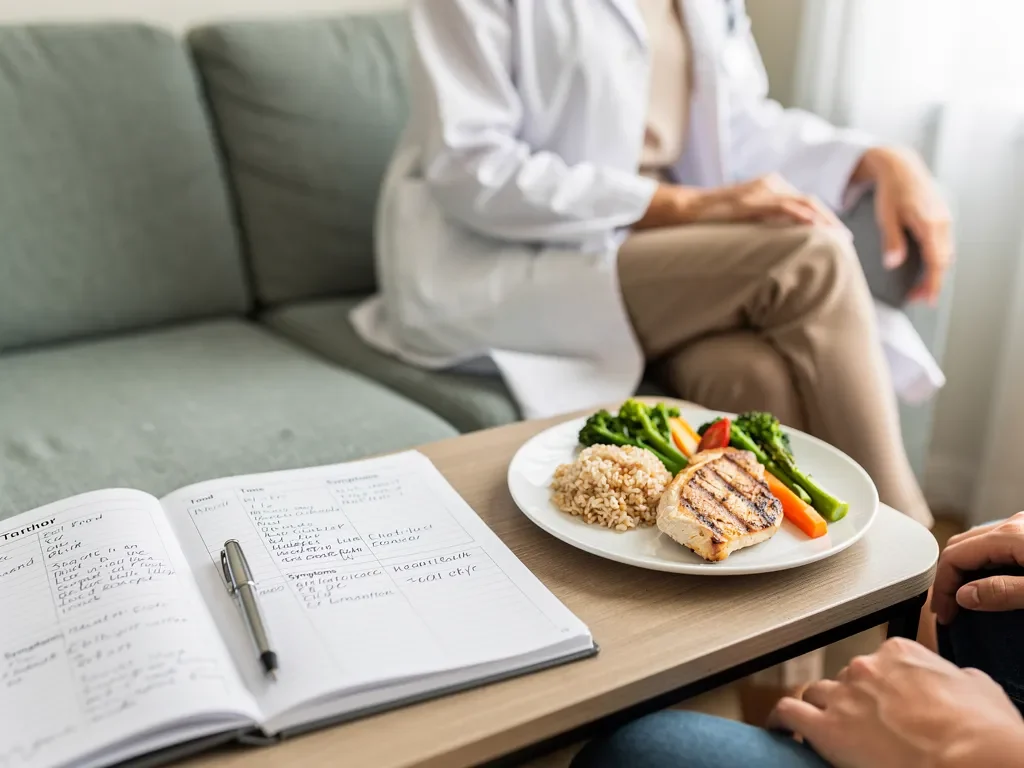
A well-designed food trial should answer a specific question. Removing gluten, dairy, caffeine, sugar, alcohol, soy, and meat simultaneously may change symptoms, but it will not reveal which change mattered.
A structured process allows patients to evaluate one suspected trigger while keeping the rest of their routine reasonably stable. It can also prevent a temporary trial from becoming an increasingly restrictive long-term diet.
Establish a Baseline Before Making Changes
Begin by documenting your usual diet and symptoms before removing anything. A baseline helps show whether symptoms actually improve after a change rather than relying on memory.
A food-and-symptom record may include:
-
Meals, snacks, and beverages
-
Approximate portions
-
Pelvic pain location and intensity
-
Abdominal bloating or pressure
-
Constipation, diarrhea, or bowel urgency
-
Pain before, during, or after bowel movements
-
Menstrual-cycle timing
-
Sleep quality
-
Medication changes
-
Unusual stress or physical exertion
The record does not need to be perfect. Its purpose is to reveal patterns rather than account for every calorie or nutrient.
Change One Dietary Variable at a Time
Choose one clearly defined variable based on a repeated symptom pattern. For example, instead of starting a broad “anti-inflammatory diet,” a patient might evaluate whether lactose-containing dairy consistently contributes to bloating.
Keep other major aspects of the diet as stable as reasonably possible during the trial. If several foods are removed while meal timing, exercise, medication, and sleep also change, the results will be difficult to interpret.
Patients with significant medical conditions, nutritional deficiencies, food allergies, celiac disease, diabetes, pregnancy, or a history of disordered eating should consult an appropriate professional before starting an elimination diet.
Track Repeated Patterns Rather Than Isolated Reactions
Symptoms can change for many reasons, including the menstrual cycle, constipation, stress, medication, poor sleep, physical activity, and the natural variability of chronic pelvic pain.
One reaction after one meal is not enough to identify a trigger. Look for a repeatable relationship:
-
Does the same symptom occur after several exposures?
-
Does it happen at approximately the same time after eating?
-
Does the symptom improve when the suspected food is removed?
-
Does it return when the food is reintroduced?
-
Could another ingredient in the meal be responsible?
This process reduces the likelihood of blaming a food based on coincidence.
Reintroduce Foods When It Is Safe to Do So
Reintroduction is an important part of determining whether a suspected food genuinely affects symptoms. Without reintroduction, a person may continue avoiding a food indefinitely even though the original improvement came from another change.
A controlled reintroduction generally involves adding the food back while monitoring symptoms and keeping other variables consistent.
Reintroduction is not appropriate for known food allergies, diagnosed celiac disease, or another medical condition requiring strict avoidance. In those situations, follow the guidance of the treating clinician or registered dietitian.
Know When to Involve a Registered Dietitian
Professional guidance becomes particularly important when dietary changes are extensive or nutritional risk is present. Consider consulting a registered dietitian when:
-
Several food groups are being removed
-
Symptoms are limiting the amount or variety of food consumed
-
Unintentional weight loss is occurring
-
There is a history of disordered eating
-
The patient is pregnant or trying to conceive
-
Gastrointestinal symptoms are severe or persistent
-
Iron, calcium, vitamin D, protein, or fiber intake may be inadequate
-
A low-FODMAP or another structured elimination diet is being considered
A dietitian familiar with endometriosis, pelvic pain, or gastrointestinal disorders can help design a more precise trial and plan appropriate food replacements.
Replace Removed Foods to Protect Nutritional Adequacy
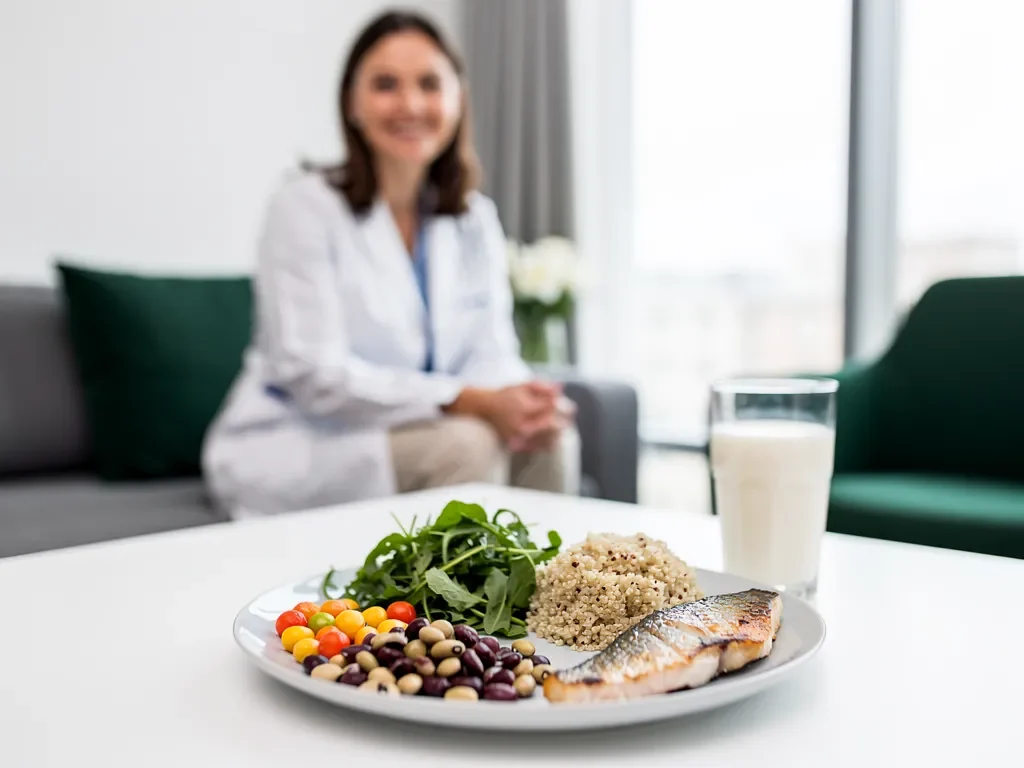
An elimination diet should not consist only of taking foods away. Every major food category contributes nutrients, convenience, enjoyment, or structure to daily meals. When a food is removed, the replacement should fulfill a similar nutritional role.
This is particularly important when a temporary trial becomes longer than expected. A diet that initially feels manageable can gradually become low in fiber, protein, calcium, iron, or total calories.
Replace the Nutrient, Not Just the Ingredient
Selecting a replacement involves considering what the removed food provided.
For example:
-
Dairy products may need to be replaced with calcium- and vitamin D-fortified alternatives.
-
Wheat-based products can be replaced with fiber-containing options such as oats labeled gluten-free when necessary, quinoa, buckwheat, brown rice, or other tolerated grains.
-
Processed meat can be replaced with fish, poultry, eggs, beans, lentils, tofu, or another suitable protein.
-
Sugary snacks can be replaced with options containing protein or fiber, such as fruit with nut butter, yogurt according to tolerance, or whole-grain crackers with a protein source.
-
Fried meals can be replaced with baked, grilled, roasted, or sautéed alternatives.
The replacement does not need to be an exact imitation of the original food. It should help maintain a balanced and satisfying eating pattern.
Increase Fiber Gradually
Fiber supports bowel regularity, but increasing it too quickly can cause additional gas, bloating, and abdominal discomfort. Patients who suddenly add large amounts of vegetables, legumes, seeds, or whole grains may mistakenly conclude that a healthier diet is worsening their endometriosis.
Increase fiber gradually and adjust portions according to tolerance. Fluid intake and regular movement may also support bowel function.
Patients with severe constipation, pain with bowel movements, a sensation of obstruction, or cyclical bowel symptoms should not assume that fiber alone will solve the problem. Those symptoms may require medical and pelvic floor evaluation.
Maintain Adequate Protein and Iron Intake
Patients who remove meat or several other protein sources should ensure that meals still contain adequate protein. Depending on individual preferences and tolerance, options may include fish, poultry, eggs, dairy, beans, lentils, soy foods, nuts, seeds, or other alternatives.
Iron also deserves attention, particularly in patients who experience heavy menstrual bleeding or have previously been diagnosed with iron deficiency. Food sources and supplements are not interchangeable, and iron supplementation should be based on individual needs and professional guidance.
Prioritize Consistency Over a Perfect Diet
An eating pattern does not need to be perfect to be supportive. Strict rules can increase stress, make social situations difficult, and create fear around food without producing a meaningful change in symptoms.
A sustainable approach usually includes regular meals, adequate nutrients, sufficient energy intake, and flexibility. The objective is to identify repeatable symptom patterns while preserving a varied and practical diet.
A food should not be labeled “bad” simply because it appears on a generic endometriosis list. The most relevant information is whether that food affects the individual patient, how strong the effect is, and whether avoiding it creates additional nutritional or lifestyle problems.
When Food Changes Are Not Addressing the Source of Pelvic Pain
Dietary changes may reduce bloating, bowel urgency, constipation, or other gastrointestinal symptoms for some patients. However, food restriction cannot diagnose endometriosis, remove lesions, or address every contributor to chronic pelvic pain.
Persistent symptoms do not necessarily mean that a patient has failed to find the correct diet. Pain may involve endometriosis lesions, adhesions, pelvic floor dysfunction, bowel or bladder involvement, or changes in how the nervous system processes persistent pain.
The Endometriosis Center of Excellence provides personalized, multidisciplinary care addressing pelvic pain, bowel and bladder health, fertility concerns, and emotional well-being. Treatment recommendations are based on the patient’s full clinical picture rather than one symptom or intervention.
Symptoms That Deserve Specialist Evaluation
Consider seeking specialist evaluation when symptoms include:
-
Pelvic pain that disrupts work, sleep, exercise, or normal activities
-
Severe or progressively worsening menstrual pain
-
Pain during or after intercourse
-
Painful bowel movements or urination
-
Cyclical bowel or bladder symptoms
-
Persistent abdominal bloating with pelvic pressure
-
Difficulty emptying the bowel or bladder
-
Symptoms that continue despite dietary changes or routine treatment
-
Recurrent pain after previous endometriosis treatment
Severe pain should not be normalized solely because it occurs during menstruation. Endometriosis symptoms vary, and a comprehensive assessment may be needed even when imaging has been inconclusive.
Why Nutrition Cannot Treat Endometriosis Lesions
Nutrition may support general health and help some patients manage selected symptoms, especially those related to digestion. It cannot confirm the location or extent of endometriosis and has not been established as a method for removing lesions.
Endometriosis-associated pain may be treated with medications, surgery, or a combination of approaches depending on symptoms, priorities, previous treatment, and clinical findings.
Diet should therefore complement appropriate medical care rather than replace it.
How Multidisciplinary Care Addresses Different Pain Contributors
Chronic pelvic pain can have several overlapping sources. Endometriosis may be present alongside pelvic floor muscle tension, bladder symptoms, constipation, gastrointestinal sensitivity, scar tissue, or musculoskeletal pain.
A multidisciplinary plan may involve:
-
Gynecologic evaluation
-
Medical symptom management
-
Pelvic floor physical therapy
-
Gastrointestinal evaluation when indicated
-
Nutrition support
-
Mental health or pain-coping support
-
Minimally invasive surgery when appropriate
Pelvic floor dysfunction can contribute to pain during intercourse, bowel difficulty, urinary symptoms, and persistent pelvic pain. Treating the lesions alone may not fully resolve muscle guarding or myofascial pain, which is why coordinated rehabilitation may be important for selected patients.
Where Excision Surgery May Fit Into Treatment
Endometriosis excision surgery is a minimally invasive approach used to identify and remove visible endometriosis lesions. It may be considered when symptoms are significant, medical treatment has not provided adequate relief, deep disease is suspected, or surgery otherwise aligns with the patient’s treatment goals.
The decision to proceed with surgery should follow a comprehensive evaluation. Diet and lifestyle measures may support overall well-being, but they should not delay specialist care when symptoms suggest that endometriosis or another pelvic condition requires further assessment.
Frequently Asked Questions
Is There One List of Inflammatory Foods Everyone With Endometriosis Should Avoid?
No universal avoidance list has been established. Some patients report that particular foods affect pain, bloating, bowel symptoms, or fatigue, while others tolerate the same foods without difficulty.
Rather than eliminating several categories based on a general list, identify the symptom being investigated and test suspected triggers systematically.
Should I Stop Eating Gluten or Dairy?
Gluten and dairy do not need to be removed automatically.
A strict gluten-free diet is required for diagnosed celiac disease. Dairy adjustments may help people with lactose intolerance, but some patients tolerate lactose-free milk, yogurt, hard cheese, or smaller portions.
Before removing either category indefinitely, determine whether there is a diagnosed condition or consistent symptom pattern supporting the change.
Can an Anti-Inflammatory Diet Cure Endometriosis?
No. Diet cannot cure endometriosis or remove existing lesions.
A nutrient-dense eating pattern may support general health, and individualized dietary changes may help some people manage digestive symptoms or other aspects of daily well-being. These measures should complement, not replace, appropriate endometriosis treatment.
How Can I Tell Whether a Food Is Triggering Pelvic Pain?
Record the food, portion, timing, type of symptom, menstrual-cycle phase, bowel changes, and other relevant factors. Look for the same reaction across multiple exposures.
When appropriate, remove one suspected trigger temporarily and reintroduce it in a controlled manner. A registered dietitian can help when symptoms are complex or several foods are being considered.
Can Food Changes Replace Endometriosis Treatment?
Dietary changes cannot replace medical assessment or treatment when pelvic pain is persistent, severe, or disruptive.
Endometriosis care may include medication, pelvic floor physical therapy, surgery, and other individualized services. The appropriate plan depends on the patient’s symptoms, priorities, medical history, and examination findings.
When Should I See an Endometriosis Specialist?
Consider specialist evaluation when pain interferes with normal activities, symptoms are worsening, intercourse or bowel movements are painful, bowel or bladder symptoms follow a cyclical pattern, or current treatment is not providing sufficient relief.
A specialist can evaluate whether symptoms may be related to endometriosis, pelvic floor dysfunction, gastrointestinal concerns, or multiple overlapping conditions.
Conclusion
Food can influence bloating, bowel habits, energy, and overall comfort, but there is no universal endometriosis diet and no single list of inflammatory foods that every patient must avoid. Removing several food groups without a clear plan may create nutritional gaps while making it harder to identify the true source of symptoms.
A more effective approach is to define the symptom under investigation, establish a baseline, test one variable at a time, and appropriately replace restricted foods. Professional dietary guidance can be valuable when the changes are complex or when symptoms affect the ability to eat a varied diet.
Most importantly, dietary changes should not delay evaluation for persistent or severe pelvic pain. Nutrition may support symptom management, but specialized care is needed to assess endometriosis lesions, pelvic floor dysfunction, bowel or bladder involvement, and other possible contributors.
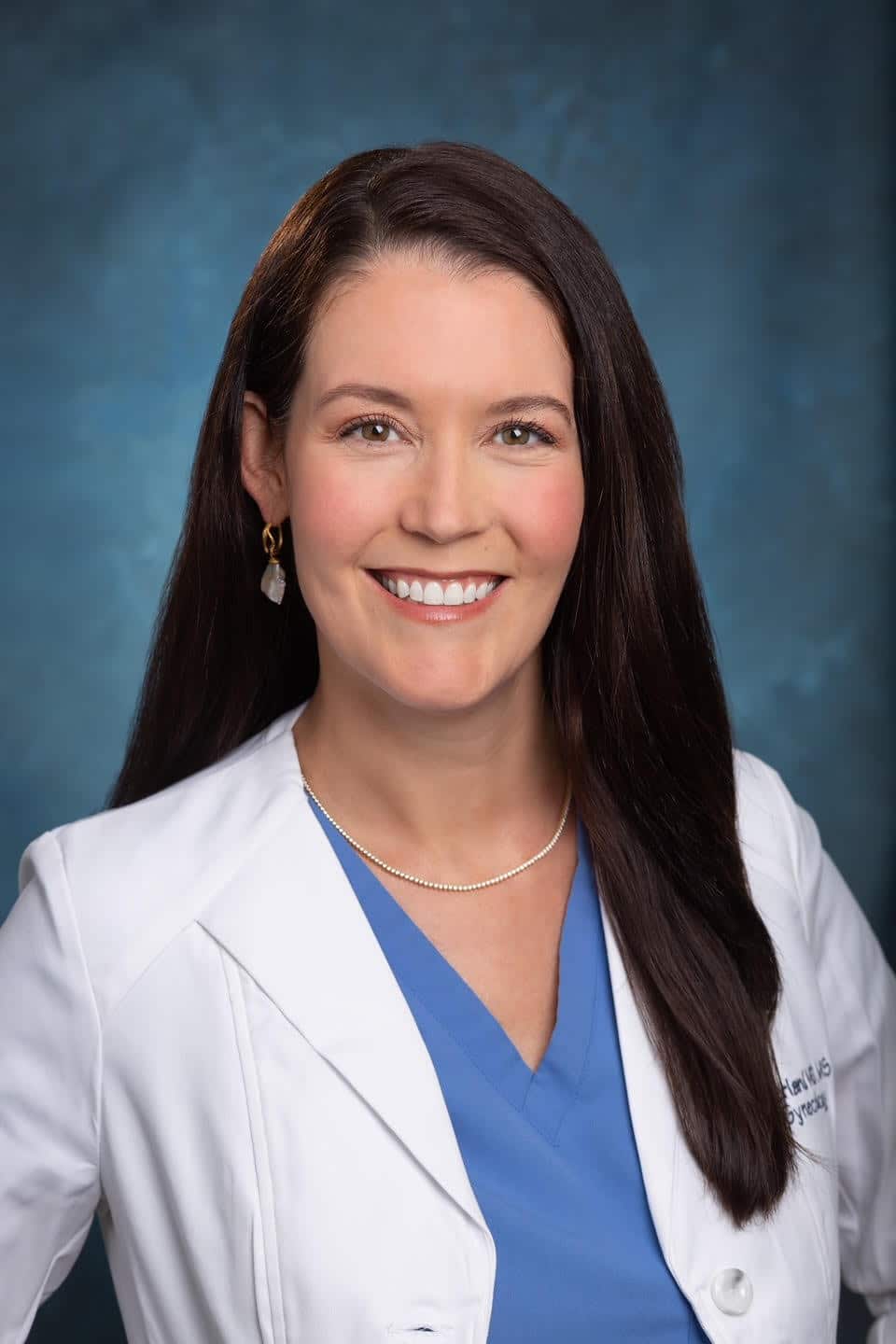
The Endometriosis Center of Excellence offers personalized, multidisciplinary evaluation and treatment for patients experiencing endometriosis and complex pelvic pain. Schedule a consultation with Dr. Rachael Haverland to discuss your symptoms and determine which medical, surgical, rehabilitative, and supportive options may be appropriate for your needs.