
Endometriosis is a chronic gynecological condition that affects millions of women worldwide, often causing severe pelvic pain, painful menstrual cycles, infertility, and reduced quality of life. For many individuals living with endometriosis, the road to diagnosis and effective treatment can be long and frustrating. While medication and hormonal therapies may help manage symptoms temporarily, laparoscopic surgery has transformed the way endometriosis is diagnosed and treated.
Laparoscopic surgery is considered one of the most advanced and effective approaches for managing endometriosis because it allows surgeons to both identify and remove endometrial lesions with greater precision and less disruption to surrounding tissue. Compared to traditional open surgery, laparoscopy offers faster recovery times, smaller incisions, reduced pain, and improved long-term outcomes for many patients. We cover this further in Assess Your Endometriosis: When to Consider Advanced Surgery.
Understanding how laparoscopic surgery works and why it plays such a significant role in endometriosis care can help patients make informed treatment decisions and better advocate for their health.
Understanding Endometriosis
Endometriosis occurs when tissue similar to the lining of the uterus grows outside the uterus. These growths, often referred to as lesions or implants, can develop on the ovaries, fallopian tubes, pelvic lining, bladder, intestines, and other surrounding structures. Although the condition is common, it is frequently misunderstood and underdiagnosed, leaving many women struggling with symptoms for years before receiving proper medical attention.
During the menstrual cycle, this tissue responds to hormonal changes just like the uterine lining. However, because the tissue has no way to exit the body, it can trigger inflammation, scar tissue formation, adhesions, and chronic pain. Over time, the condition may worsen and begin affecting fertility, digestive health, bladder function, and overall quality of life. The severity of symptoms does not always match the severity of the disease, which can make diagnosis even more complicated.
Common Symptoms of Endometriosis
Symptoms can vary from person to person, but some of the most common include:
- Severe menstrual cramps
- Chronic pelvic pain
- Pain during intercourse
- Heavy menstrual bleeding
- Painful bowel movements or urination
- Fatigue
- Infertility
- Lower back pain
- Digestive discomfort
Some women experience debilitating symptoms that interfere with daily life, while others may have minimal symptoms despite extensive disease progression.
Why Endometriosis Is Difficult to Diagnose
Endometriosis is often misunderstood or mistaken for other conditions such as irritable bowel syndrome, pelvic inflammatory disease, or hormonal imbalances. Because symptoms overlap with several other disorders, many women spend years searching for answers before receiving an accurate diagnosis.
Imaging tests like ultrasounds and MRIs can sometimes identify ovarian cysts or larger lesions, but they may not detect smaller implants or deep infiltrating endometriosis. This is one reason laparoscopic surgery has become such an important diagnostic and treatment tool.
What Is Laparoscopic Surgery?
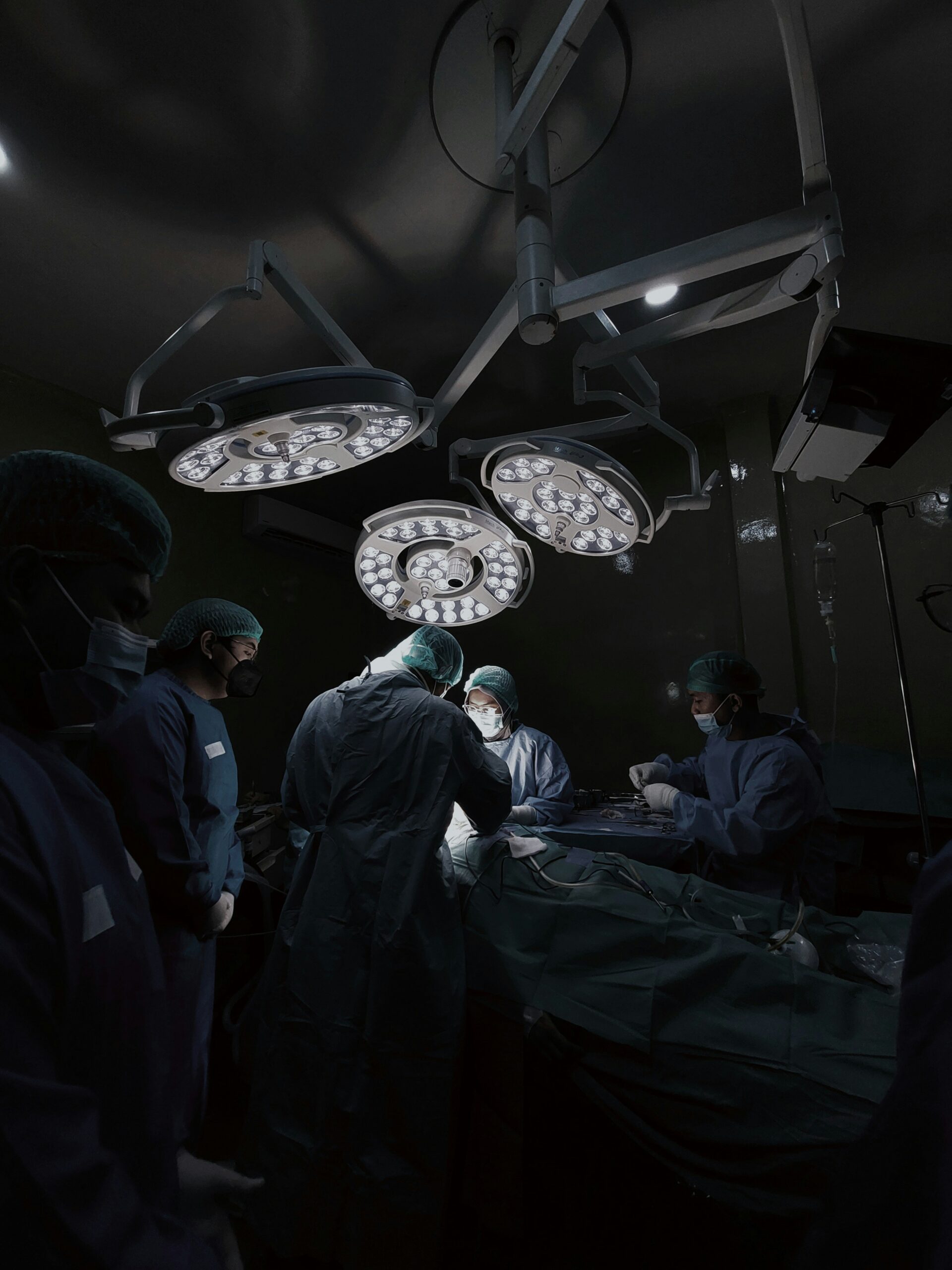
Laparoscopic surgery, sometimes referred to as minimally invasive surgery, is a surgical technique that uses small incisions and specialized instruments to examine and treat internal organs. Unlike traditional open surgery, which requires larger incisions and longer recovery periods, laparoscopy allows surgeons to perform highly detailed procedures with minimal disruption to surrounding tissues.
During the procedure, a surgeon inserts a thin instrument called a laparoscope through a small incision near the abdomen. The laparoscope contains a camera and light source that project magnified images onto a monitor, allowing the surgeon to view pelvic organs in detail. This enhanced visualization helps physicians identify even small or hidden endometrial lesions that may otherwise go undetected.
Additional small incisions are made for surgical instruments used to remove or destroy endometrial tissue. Because the procedure is minimally invasive, patients often experience less pain, reduced scarring, and faster healing compared to traditional surgical methods.
How the Procedure Works
The surgery is typically performed under general anesthesia. Once the patient is asleep, the abdomen is inflated with carbon dioxide gas to create space for visualization and instrument movement.
The surgeon then carefully examines the pelvic cavity for signs of:
- Endometrial implants
- Scar tissue
- Adhesions
- Ovarian cysts
- Organ involvement
Depending on the severity and location of the disease, the surgeon may remove lesions through excision or destroy them using ablation techniques.
Excision vs. Ablation
There are two primary surgical methods used during laparoscopy:
Excision Surgery
Excision involves cutting out endometrial lesions entirely. Many specialists consider excision to be the gold standard for treating endometriosis because it removes diseased tissue more completely.
Excision may reduce recurrence rates and improve pain relief outcomes for many patients.
Ablation Surgery
Ablation destroys surface lesions using heat, laser energy, or electrical current. While this method can help reduce symptoms, it may not remove deeper tissue involvement as effectively as excision.
The best surgical approach depends on the patient’s symptoms, disease severity, fertility goals, and surgeon expertise.
How Laparoscopic Surgery Improves Diagnosis
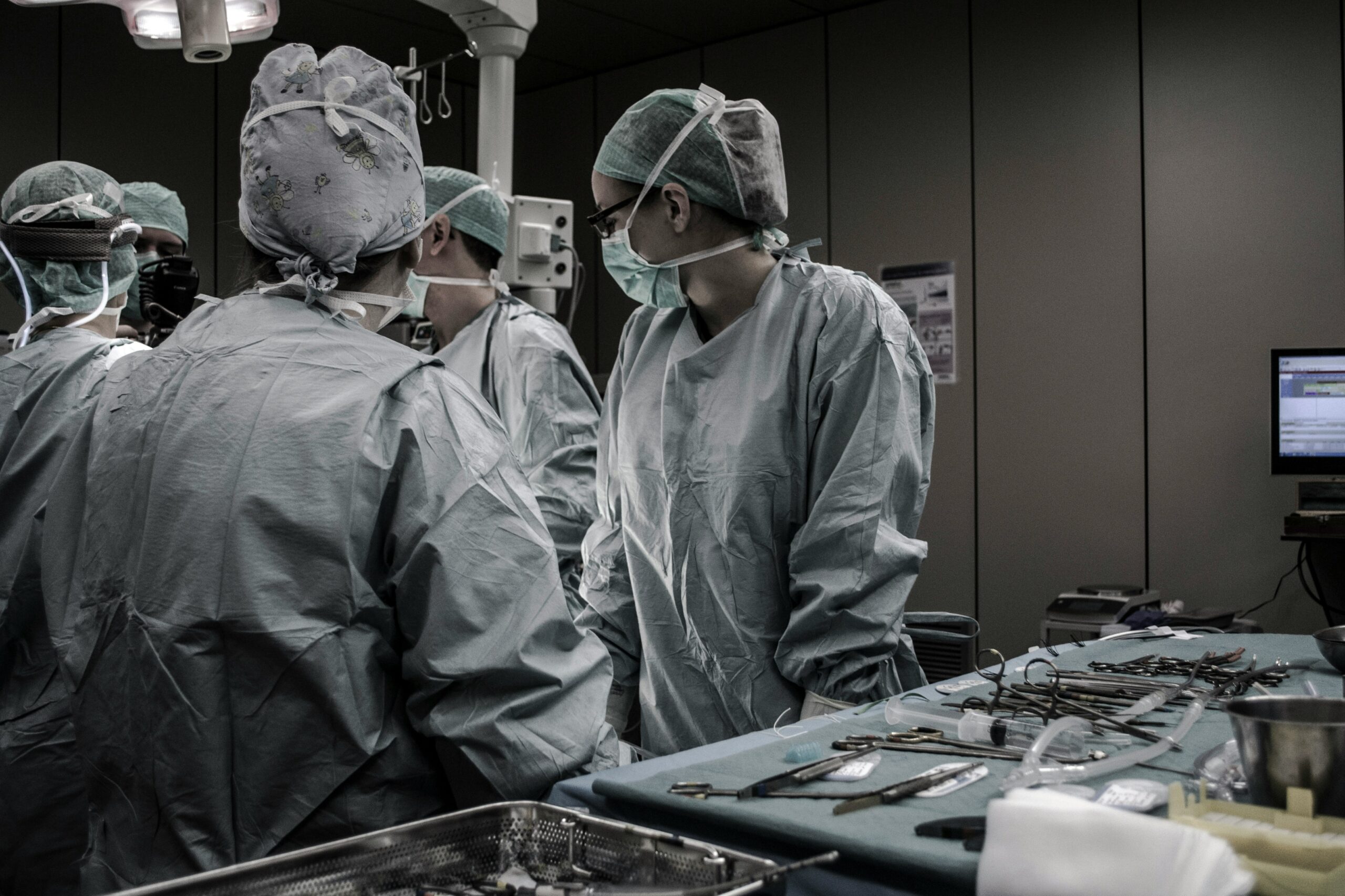
One of the most transformative aspects of laparoscopic surgery is its ability to provide direct visualization of endometriosis. Because many imaging tests fail to detect smaller lesions or deeply infiltrating disease, laparoscopy allows physicians to examine the pelvic cavity in real time and identify abnormalities with greater accuracy.
This direct access allows surgeons to diagnose endometriosis earlier and more confidently than relying solely on symptoms or imaging studies. Earlier diagnosis can help patients avoid years of unmanaged pain and repeated medical consultations while also reducing the risk of disease progression and complications.
Confirming a Diagnosis
Although symptoms and imaging studies can strongly suggest endometriosis, laparoscopy remains the most reliable method for confirming the condition.
During surgery, physicians can identify lesions that may not appear on imaging scans. Tissue samples may also be collected and sent for pathological analysis to confirm the diagnosis.
This direct confirmation can provide clarity for patients who have struggled for years with unexplained pain or infertility.
Identifying Disease Severity
Endometriosis can range from minimal superficial lesions to extensive deep infiltrating disease involving multiple organs. Laparoscopy allows surgeons to determine:
- The extent of lesion spread
- Presence of adhesions
- Organ involvement
- Ovarian cyst formation
- Pelvic anatomy distortion
This information helps physicians develop more personalized treatment plans.
Benefits of Laparoscopic Surgery for Endometriosis
Laparoscopic surgery has significantly changed the landscape of endometriosis treatment because it offers several advantages over traditional open surgery. The minimally invasive nature of the procedure allows patients to receive effective treatment while reducing many of the physical burdens associated with conventional surgical approaches.
In addition to improving symptom relief, laparoscopic surgery often supports better fertility outcomes, shorter recovery periods, and improved overall quality of life. These benefits have made laparoscopy one of the most widely recommended treatment options for moderate to severe endometriosis cases.
Smaller Incisions and Less Scarring
Traditional surgery often requires large abdominal incisions, which can result in greater tissue trauma and visible scarring. Laparoscopic surgery uses much smaller incisions, typically only a few millimeters long. These smaller entry points reduce damage to surrounding tissues and help minimize postoperative discomfort.
For many patients, the cosmetic benefits are also important. Smaller scars can improve confidence and reduce concerns about long-term visible surgical marks. Additionally, reduced tissue trauma may lower the risk of complications such as infections and excessive scar tissue formation.
This minimally invasive approach often leads to:
- Reduced postoperative pain
- Minimal scarring
- Lower infection risk
- Improved cosmetic outcomes
For many patients, the smaller incisions also contribute to a more comfortable recovery process.
Faster Recovery Time
Recovery after open surgery may take several weeks or even months. In contrast, laparoscopic surgery usually allows patients to return to normal activities much sooner. Because the procedure involves smaller incisions and less disruption to the body, healing tends to occur more efficiently. For more detail, see our article Guide to Choosing Between Open and Laparoscopic Surgery.
Many patients appreciate being able to resume work, family responsibilities, and daily routines more quickly. Shorter recovery periods can also reduce emotional stress and financial strain associated with extended time away from normal activities.
What Recovery Typically Looks Like
Many patients can:
- Return home the same day
- Resume light activities within days
- Return to work sooner
- Experience less postoperative discomfort
Recovery time varies depending on the complexity of the surgery and the extent of disease removal, but minimally invasive techniques generally shorten downtime considerably.
Improved Pain Relief
One of the primary reasons patients seek surgical treatment is chronic pelvic pain. Laparoscopic surgery can significantly improve pain symptoms by removing inflammatory lesions and scar tissue. Many women experience relief from symptoms that have interfered with their daily lives for years. For more detail, see our article Why Choose Laparoscopic Surgery for Endometriosis Relief.
Pain reduction can have a major impact on emotional well-being, sleep quality, physical activity, and personal relationships. Although outcomes vary from patient to patient, many individuals report substantial improvements in their ability to function after surgery.
Reducing Chronic Inflammation
Endometrial lesions can trigger ongoing inflammation that irritates surrounding nerves and tissues. Removing these lesions may help reduce:
- Menstrual pain
- Pelvic pressure
- Pain during intercourse
- Lower back discomfort
- Painful bowel symptoms
While surgery may not permanently eliminate endometriosis in every case, many patients experience substantial symptom improvement.
Enhanced Fertility Outcomes
Endometriosis is commonly associated with infertility, particularly when scar tissue or adhesions interfere with reproductive organs. In some cases, the disease can distort pelvic anatomy and make conception more difficult.
Laparoscopic surgery may improve fertility by restoring normal pelvic function and removing barriers that interfere with reproductive health. For women hoping to conceive naturally or pursue fertility treatments, surgical intervention can play an important role in improving outcomes.
Restoring Pelvic Anatomy
Laparoscopic surgery can improve fertility by: Read more in Is Laparoscopic Surgery Right for Your Endometriosis.
- Removing adhesions
- Restoring fallopian tube mobility
- Eliminating ovarian cysts
- Reducing inflammation
- Improving ovarian access
For women trying to conceive, surgical treatment may increase the likelihood of natural pregnancy or improve outcomes for assisted reproductive treatments such as IVF.
Supporting Reproductive Health
Many fertility specialists recommend laparoscopic evaluation for patients with unexplained infertility, especially when endometriosis symptoms are present.
Addressing the disease early may help preserve reproductive function and reduce complications associated with advanced disease progression.
Treating Deep Infiltrating Endometriosis
Some cases of endometriosis extend deeply into pelvic structures such as the bowel, bladder, or ligaments supporting the uterus. These advanced cases can be especially painful and difficult to manage. Deep infiltrating endometriosis often requires highly specialized surgical expertise because lesions may involve delicate organs and nerve pathways.
Laparoscopic techniques allow highly skilled surgeons to precisely remove deep lesions while minimizing damage to surrounding organs. The enhanced visualization provided by laparoscopic cameras helps surgeons navigate complex anatomy more safely and effectively.
Precision and Visualization
The magnified camera view provided during laparoscopy gives surgeons enhanced visibility compared to traditional surgery. This precision can be especially valuable when operating near delicate structures such as:
- Ureters
- Bladder
- Intestines
- Pelvic nerves
- Blood vessels
Advanced laparoscopic techniques have greatly expanded treatment options for patients with severe disease.
Emotional and Quality-of-Life Benefits
Endometriosis affects more than physical health. Chronic pain, infertility struggles, delayed diagnosis, and repeated medical visits can have a major emotional impact. Many women experience anxiety, depression, frustration, and exhaustion after years of unmanaged symptoms.
Successful laparoscopic treatment can help patients regain a sense of control over their lives. Reduced pain and improved physical function often contribute to better emotional well-being and stronger personal relationships.
Regaining Daily Function
For many patients, successful laparoscopic treatment can improve:
- Sleep quality
- Energy levels
- Ability to work
- Physical activity
- Intimacy and relationships
- Mental well-being
Living with chronic pain often creates emotional exhaustion and anxiety. Symptom improvement may help restore confidence and quality of life.
Feeling Validated After Diagnosis
Receiving a confirmed diagnosis through laparoscopy can also provide emotional relief. Many women spend years being told their symptoms are “normal” or exaggerated.
A surgical diagnosis can validate the patient’s experience and open the door to more targeted treatment and support.
Risks and Limitations of Laparoscopic Surgery
Although laparoscopic surgery offers many advantages, it is still a surgical procedure and carries certain risks. Patients should understand both the benefits and limitations before deciding on treatment.
While complications are relatively uncommon, factors such as disease severity, surgical complexity, and overall health can influence outcomes. Discussing expectations and potential risks with an experienced surgeon is an important part of the decision-making process.
Potential Surgical Risks
Possible complications may include:
- Bleeding
- Infection
- Injury to surrounding organs
- Scar tissue formation
- Anesthesia-related complications
These risks are generally lower compared to traditional open surgery but should still be discussed with a qualified surgeon.
Recurrence of Endometriosis
Endometriosis can recur even after successful surgery. Some patients may require additional treatment over time, especially if hormonal factors continue stimulating lesion growth.
Long-term management may include:
- Hormonal therapy
- Lifestyle adjustments
- Pelvic floor therapy
- Pain management strategies
- Fertility planning
Choosing an experienced endometriosis specialist may help reduce recurrence risks and improve long-term outcomes.
Choosing the Right Surgeon Matters
The success of laparoscopic surgery often depends heavily on the surgeon’s experience and expertise. Endometriosis can present in many different forms, and treating advanced disease requires specialized training and surgical precision.
Patients should take time to research providers, ask questions, and seek care from physicians experienced in minimally invasive gynecologic surgery and endometriosis treatment. Choosing the right surgeon can significantly influence both short-term recovery and long-term symptom relief.
Why Specialist Experience Is Important
Endometriosis can appear in many forms and locations, making diagnosis and treatment highly complex. Surgeons with advanced endometriosis training are often better equipped to:
- Identify subtle lesions
- Perform complete excision
- Treat deep infiltrating disease
- Protect fertility
- Minimize complications
Patients should feel comfortable asking questions about a surgeon’s experience, surgical approach, and treatment philosophy.
Questions to Ask Before Surgery
Before proceeding with treatment, patients may want to ask:
- How many endometriosis surgeries do you perform each year?
- Do you specialize in excision surgery?
- What is your experience with advanced cases?
- How do you approach fertility preservation?
- What should I expect during recovery?
Being informed can help patients feel more confident in their treatment decisions.
Recovery After Laparoscopic Surgery
Recovery experiences vary depending on the extent of surgery and individual health factors. While many patients recover relatively quickly, healing is still a gradual process that requires rest, follow-up care, and patience.
Understanding what to expect after surgery can help reduce anxiety and support a smoother recovery experience. Physicians may provide individualized recommendations based on the complexity of the procedure and the patient’s overall health.
Immediate Recovery
Patients may experience:
- Mild abdominal discomfort
- Fatigue
- Shoulder pain from surgical gas
- Temporary bloating
- Light spotting
Most symptoms improve gradually over the first few days or weeks.
Long-Term Healing
Following surgery, physicians may recommend:
- Gradual return to activity
- Pelvic floor rehabilitation
- Hormonal management
- Follow-up monitoring
- Nutritional support
Maintaining ongoing care is important because endometriosis is often a chronic condition requiring long-term management.
The Future of Endometriosis Treatment

Advances in minimally invasive surgery continue improving outcomes for patients with endometriosis. Researchers and specialists are working to develop more accurate diagnostic tools, less invasive treatment methods, and personalized care strategies that improve long-term symptom management.
As awareness grows, more women are seeking earlier evaluation and treatment, which may help reduce diagnostic delays and improve overall quality of life for future patients.
Emerging Technologies
New developments in surgical imaging, robotic-assisted laparoscopy, and precision excision techniques are helping surgeons treat complex cases more effectively.
Researchers are also exploring improved diagnostic tools, earlier detection methods, and personalized treatment strategies to reduce diagnostic delays and improve long-term quality of life.
Growing Awareness and Advocacy
Greater awareness surrounding endometriosis has encouraged more women to seek medical attention for symptoms that were previously dismissed.
As education improves and minimally invasive surgical techniques continue evolving, patients may gain earlier access to accurate diagnosis and more effective treatment options.
Frequently Asked Questions
1. How can I prepare for laparoscopic surgery?
Preparing for laparoscopic surgery involves several steps, including pre-operative evaluations and consultations with your surgeon. Patients may need to undergo blood tests, imaging studies, or other diagnostic procedures to assess their condition. It’s also important to discuss any medications you are currently taking and follow the surgeon’s advice regarding dietary restrictions. Generally, you will be advised to avoid food and drink for a certain period before the surgery. Arranging for someone to drive you home post-surgery is also recommended.
2. What can I expect during my recovery from laparoscopic surgery?
The recovery process after laparoscopic surgery varies based on the extent of the procedure and individual health factors. Patients may experience mild abdominal discomfort and fatigue, which usually subside within a few days. Many can return to light activities quickly, often within a week, but complete recovery can take longer. Following your surgeon’s post-operative care instructions, which may include restrictions on physical activities and scheduled follow-up appointments, can help ensure a smooth recovery and mitigate complications.
3. Are there any lifestyle changes I should consider post-surgery?
After laparoscopic surgery for endometriosis, adopting certain lifestyle changes can enhance recovery and overall health. Incorporate a balanced diet rich in fruits, vegetables, and whole grains, which may aid in healing and maintaining a healthy weight. Staying hydrated and engaging in light exercises, like walking, can promote circulation and recovery. Additionally, consider relaxation techniques or yoga to manage stress, as emotional well-being is critical in navigating chronic conditions like endometriosis.
4. How does laparoscopic surgery affect fertility?
Laparoscopic surgery can significantly improve fertility outcomes for women with endometriosis. By removing endometrial lesions and adhesions, the surgery helps restore normal anatomy and function of pelvic organs, which is crucial for conception. Studies show that many women who have laparoscopic surgery experience improved chances of natural pregnancy or more favorable outcomes with assisted reproductive techniques like IVF. However, individual results may vary, so discussing fertility goals with your healthcare provider is essential.
5. What should I do if I experience complications after surgery?
If you encounter complications post-surgery, such as increased pain, fever, or unusual bleeding, it’s critical to contact your healthcare provider immediately. These symptoms could indicate potential complications like infection or internal bleeding. Prompt communication allows your medical team to assess your condition and provide necessary interventions. Keeping follow-up appointments is also crucial for monitoring recovery and addressing any issues that arise.
6. Can endometriosis return after laparoscopic surgery?
Yes, endometriosis can recur even after laparoscopic surgery. While the procedure can significantly reduce symptoms and improve quality of life, it does not guarantee a permanent cure. Patients might need ongoing monitoring and additional treatments, such as hormonal therapy or lifestyle modifications, to manage any recurrence. Engaging in regular follow-up with your healthcare provider helps in tracking the condition and adjusting treatment as necessary.
7. What advancements are being made in endometriosis treatment?
Research in endometriosis treatment is ongoing, focusing on new surgical techniques, enhanced imaging methods, and medical therapies. Innovations like robotic-assisted surgery and precision excision techniques aim to improve surgical outcomes. Moreover, advances in diagnostics aim to detect endometriosis earlier, facilitating timely intervention. Awareness campaigns are also promoting better understanding of the condition, leading to increased access to care and support for women affected by endometriosis. See how endometriosis excision surgery is performed by our team.
Conclusion
Laparoscopic surgery has transformed endometriosis treatment by offering a minimally invasive, highly effective approach to both diagnosis and symptom management. Through smaller incisions, enhanced precision, reduced recovery times, and improved fertility outcomes, laparoscopy has become a cornerstone of modern endometriosis care. You may also find How Laparoscopic Surgery Aids in Endometriosis Diagnosis helpful.
For many women, the procedure provides not only physical relief but also emotional validation and renewed hope after years of unexplained symptoms and chronic pain. While surgery may not cure endometriosis entirely, it can play a critical role in improving quality of life and supporting long-term reproductive and pelvic health.
Anyone experiencing persistent pelvic pain, severe menstrual symptoms, or infertility concerns should speak with a qualified healthcare provider or endometriosis specialist to explore appropriate evaluation and treatment options.