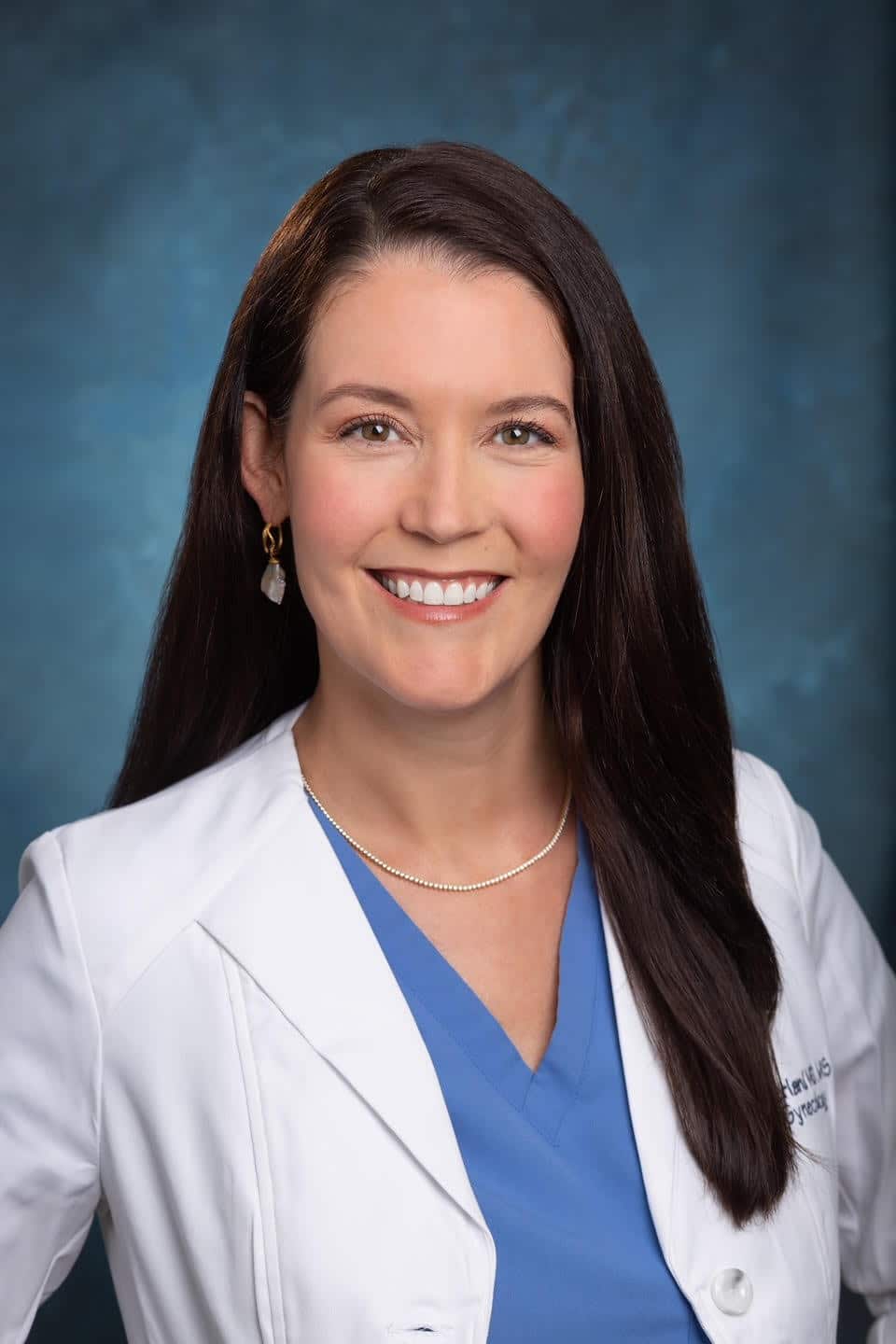

Laparoscopic surgery is one of the most effective and widely used treatments for endometriosis. This minimally invasive procedure allows surgeons to diagnose, evaluate, and remove endometrial-like tissue growing outside the uterus while preserving as much healthy tissue as possible. By using small incisions, specialized instruments, and a high-definition camera, laparoscopic surgery can reduce pain, improve quality of life, and support fertility goals for many patients. Understanding how the procedure works, who may benefit from it, and what to expect before and after surgery can help patients make informed decisions about their treatment options.
What Happens During Laparoscopic Surgery for Endometriosis?

Laparoscopic surgery follows a structured process designed to accurately identify and treat endometriosis while minimizing damage to surrounding tissues. The procedure serves both diagnostic and therapeutic purposes, making it a valuable tool in comprehensive endometriosis care.
How Surgeons Access and Visualize Endometriosis Lesions
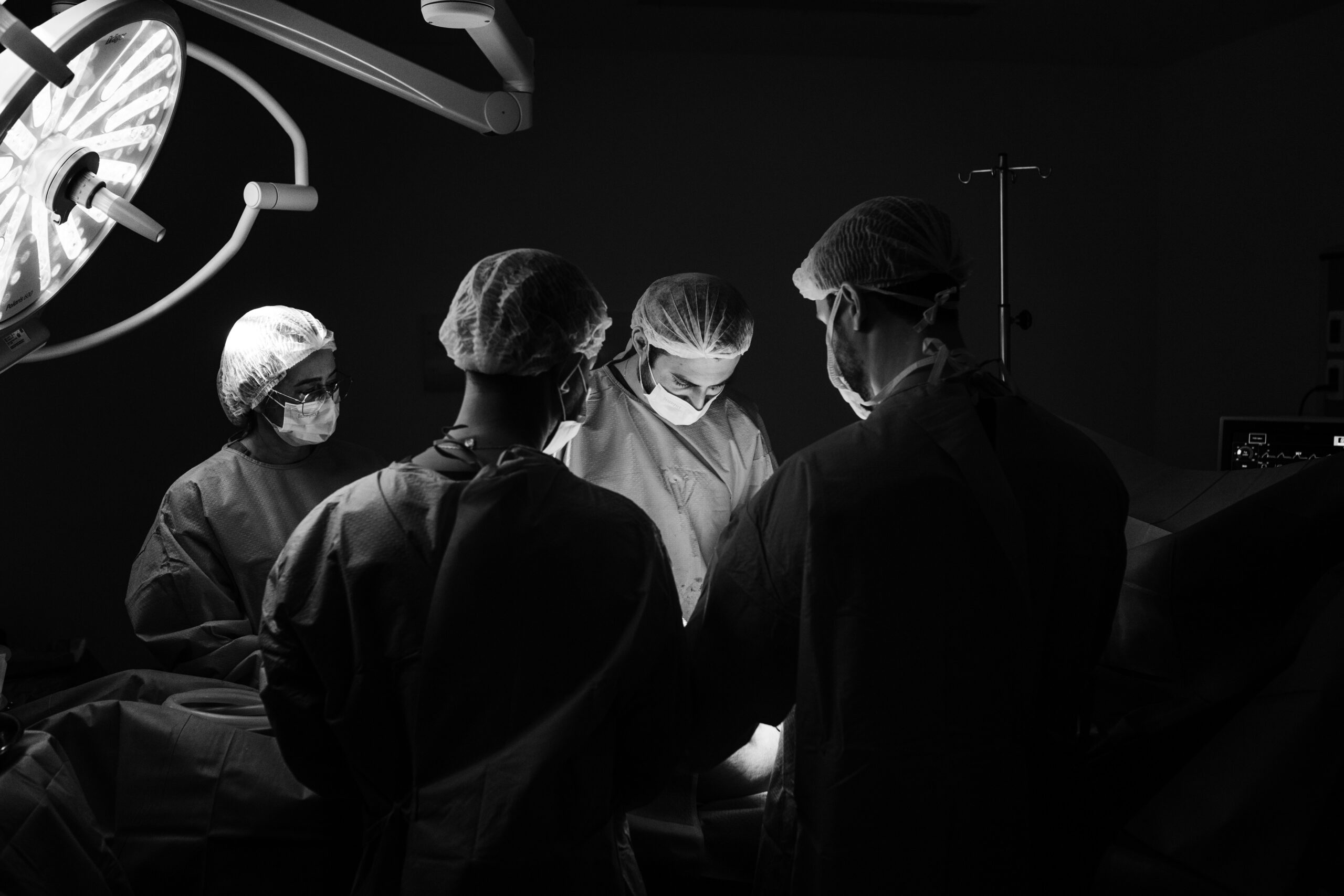
The procedure is performed under general anesthesia. A small incision is made near the navel, allowing the surgeon to insert a laparoscope, a thin instrument equipped with a camera and light source. Carbon dioxide gas is used to gently inflate the abdomen, creating space for clear visualization of the pelvic organs and surrounding structures.
The laparoscope transmits detailed images to a monitor, allowing the surgeon to inspect the pelvis for endometriosis lesions, adhesions, inflammation, and other abnormalities. This direct visualization helps provide an accurate assessment of the disease and guides treatment decisions during the procedure.
How Endometriosis Tissue Is Removed
Once endometriosis lesions are identified, specialized surgical instruments are inserted through additional small incisions. Surgeons carefully remove or excise the affected tissue while preserving healthy organs and reproductive structures whenever possible. Adhesions and scar tissue may also be released to restore normal anatomy.
In cases involving more advanced disease, additional procedures may be required to address endometriosis affecting structures such as the bladder, bowel, or ureters. Tissue removed during surgery is often sent for laboratory analysis to confirm the diagnosis.
How Minimally Invasive Techniques Improve Outcomes
One of the primary advantages of laparoscopic surgery is its minimally invasive nature. Small incisions result in less tissue trauma, reduced blood loss, and lower levels of postoperative discomfort compared to traditional open surgery.
The enhanced visualization provided by modern laparoscopic equipment also allows surgeons to perform more precise dissections and identify disease that may be difficult to see during other surgical approaches. These factors contribute to improved recovery experiences and better long-term outcomes for many patients.
Who Is a Candidate for Laparoscopic Endometriosis Surgery?
Not every patient with endometriosis requires surgery. The decision to proceed with laparoscopic treatment depends on symptom severity, treatment history, fertility goals, and overall health. Careful evaluation helps determine whether surgery is the most appropriate option.
Patients With Persistent or Severe Symptoms
Individuals experiencing chronic pelvic pain, painful periods, pain during intercourse, or other symptoms that significantly affect their quality of life may be candidates for laparoscopic surgery. Surgery is often considered when symptoms persist despite medication or hormonal treatment.
For many patients, removing endometriosis lesions can provide substantial symptom relief and improve daily functioning. The goal is to reduce pain while, whenever possible, restoring normal pelvic anatomy.
Individuals Experiencing Fertility Challenges
Endometriosis can contribute to infertility by causing inflammation, adhesions, and anatomical distortions that interfere with conception. Patients who are struggling to become pregnant may benefit from surgical evaluation to determine whether endometriosis is affecting reproductive function.
Laparoscopic excision may improve fertility outcomes by removing lesions and restoring normal relationships between reproductive organs. Treatment plans are often tailored to each patient’s reproductive goals and overall fertility profile.
Factors Considered During Specialist Evaluation
Specialists assess multiple factors before recommending surgery. Medical history, previous treatments, imaging results, symptom severity, fertility plans, and overall health are all important considerations. Patients with complex diseases or previous abdominal surgeries may require additional evaluation and planning. We cover this further in Assess Your Endometriosis: When to Consider Advanced Surgery.
The decision-making process is highly individualized and often involves shared discussions between the patient and their healthcare team. This ensures that treatment recommendations align with both clinical needs and personal goals.
Benefits and Risks of Laparoscopic Excision Surgery
Like any medical procedure, laparoscopic surgery offers potential benefits as well as risks. Understanding both sides of the decision helps patients develop realistic expectations and make informed choices about treatment.
Potential Benefits for Pain Relief and Quality of Life
One of the primary benefits of laparoscopic excision surgery is symptom relief. Removing endometriosis lesions can reduce inflammation, alleviate pelvic pain, and improve overall physical function. Many patients report improvements in sleep, exercise tolerance, work productivity, and day-to-day comfort following treatment. For more detail, see our article Is Laparoscopic Surgery Worth the Investment for Endometriosis.
The procedure may also reduce reliance on pain medications and improve emotional well-being by addressing a chronic source of discomfort. These quality-of-life improvements often represent some of the most meaningful outcomes for patients.
Fertility and Reproductive Benefits
For patients concerned about fertility, laparoscopic surgery may offer additional advantages. By removing lesions and correcting anatomical abnormalities, surgery can improve the conditions necessary for conception. Surgeons often use fertility-preserving techniques to protect ovarian tissue and reproductive structures during treatment. We cover this further in How Laparoscopic Surgery Transforms Endometriosis Treatment.
Although fertility outcomes vary depending on age, disease severity, and other factors, many patients experience improved reproductive potential following successful excision surgery.
Risks and Potential Complications
Despite its strong safety profile, laparoscopic surgery carries certain risks. Potential complications include bleeding, infection, injury to surrounding organs, blood clots, and anesthesia-related issues. In rare situations, conversion to an open procedure may be necessary to safely complete the operation. We cover this further in Guide to Choosing Between Open and Laparoscopic Surgery.
Patients should also understand that symptom recurrence remains possible, even after successful treatment. Discussing risks, benefits, and realistic expectations with a specialist is an essential part of the decision-making process.
What Should Patients Expect Before and After Surgery?
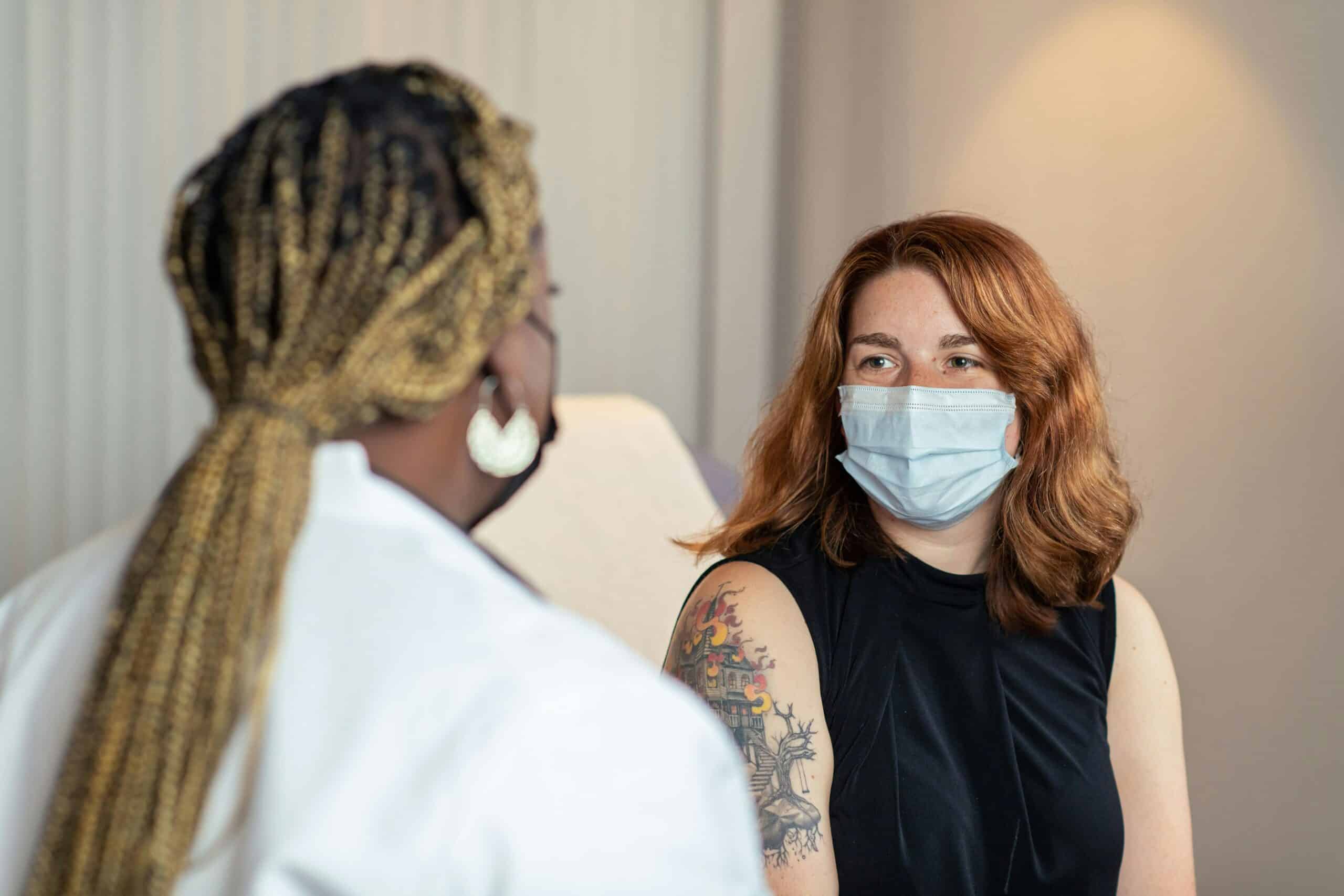
Preparation and recovery are important components of successful laparoscopic treatment. Knowing what to expect can reduce anxiety and help patients feel more confident throughout the process.
Preparing for Laparoscopic Surgery
Preoperative preparation typically includes consultations, imaging studies, laboratory testing, and a review of medications. Patients may receive instructions regarding fasting, medication adjustments, and lifestyle modifications before surgery.
Healthcare providers often discuss expected outcomes, recovery timelines, and postoperative care requirements during these appointments. This preparation ensures that patients understand the procedure and are ready for recovery.
Recovery Timeline and Postoperative Care
Most patients experience a shorter recovery period following laparoscopic surgery compared to traditional open procedures. Light activities are often resumed within one to two weeks, while full recovery may take several weeks, depending on the extent of the surgery. For more detail, see our article How Laparoscopic Surgery Aids in Endometriosis Diagnosis.
Postoperative care focuses on pain management, wound care, gradual increases in activity, and monitoring for complications. Follow-up appointments allow healthcare providers to evaluate healing and address any concerns that arise during recovery.
The Importance of Long-Term Follow-Up
Recovery does not end once the incisions heal. Long-term follow-up helps monitor symptom improvement, evaluate fertility outcomes, and identify any signs of recurrent disease. Some patients may benefit from additional therapies such as hormonal management, pelvic physiotherapy, or fertility treatment.
Maintaining communication with healthcare providers allows treatment plans to be adjusted as needed and supports better long-term outcomes following surgery.
How Specialist Expertise Improves Surgical Outcomes

The experience and training of the surgical team can significantly influence both the success of the procedure and the patient’s recovery experience. Specialized care often leads to better outcomes and more comprehensive treatment planning.
Benefits of Fellowship-Trained Endometriosis Surgeons
Fellowship-trained surgeons receive advanced education in minimally invasive gynecologic surgery and complex endometriosis management. Their expertise allows them to perform precise excision techniques while minimizing risks to surrounding structures.
This specialized training often results in improved surgical accuracy, lower complication rates, and better long-term symptom control for patients.
The Value of Multidisciplinary Care
Complex endometriosis cases frequently require input from multiple healthcare professionals. Collaboration between gynecologists, fertility specialists, pain management providers, physiotherapists, and other experts ensures patients receive comprehensive care tailored to their needs.
This multidisciplinary approach supports every stage of treatment, from diagnosis and surgical planning to recovery and long-term management.
Why Specialized Centers Matter
Specialized endometriosis centers often offer coordinated care pathways that streamline treatment and improve the patient experience. Access to advanced imaging, experienced surgeons, fertility counseling, and rehabilitation services allows for more personalized treatment planning.
By bringing together a team of experts, these centers help patients navigate complex decisions and achieve the best possible outcomes from their care.
Frequently Asked Questions
What is the typical recovery time after laparoscopic surgery for endometriosis?
Recovery timelines vary, but many patients resume light activities within one to two weeks. Pain is usually less after open surgery, though full recovery depends on the extent of the disease and individual health factors. Discuss personalized timelines with your surgeon.
Can laparoscopic surgery improve fertility outcomes for women with endometriosis?
Yes. Laparoscopic excision can improve fertility for some women by removing lesions and restoring pelvic anatomy. Patients should discuss fertility goals with their healthcare team to determine the optimal surgical and reproductive strategy.
How are complications managed if they arise during laparoscopic surgery?
Complications such as bleeding, infection, or organ injury are uncommon but recognised. Surgeons are trained to identify and manage complications intraoperatively, including conversion to open surgery if required, and postoperative monitoring facilitates prompt intervention.
What are the criteria for considering laparoscopic surgery as a treatment option?
Criteria include symptom severity, impact on fertility, and failure of conservative therapies. Each case is assessed individually; a specialist consultation will clarify whether surgery is appropriate.
How does laparoscopic excision surgery differ from ablation techniques?
Excision removes endometrial tissue at its base, offering more complete disease clearance, whereas ablation destroys surface tissue without excision and may have higher recurrence rates. Excision is often recommended for deep or extensive disease.
What preoperative preparations should patients undertake before laparoscopic surgery?
Preoperative preparation typically involves following medical instructions on medications and fasting, attending a preoperative consultation, and optimizing general health through a sensible diet and activity to reduce surgical risk.
What should patients consider when discussing laparoscopic surgery with their healthcare provider?
When discussing surgery, patients should review symptom history, prior treatments, fertility goals, and concerns about risks and recovery. A thorough discussion enables informed, patient-centered decisions.
Conclusion
Laparoscopic surgery for endometriosis is an effective, minimally invasive option that can reduce pain and improve quality of life for many patients. The technique offers faster recovery and reduced postoperative discomfort when performed by experienced clinicians. Consultation with specialists such as Dr. Rachael Haverland provides tailored evaluation and coordinated care to align treatment with individual clinical and reproductive goals.
Decisions about surgery should be made collaboratively, with transparent discussion of benefits, limitations, and alternatives. For patients with complex disease or fertility concerns, multidisciplinary planning and clear postoperative follow‑up are central to achieving durable, patient-centered outcomes. If you have questions about your own symptoms, you can schedule an appointment with our endometriosis specialists.