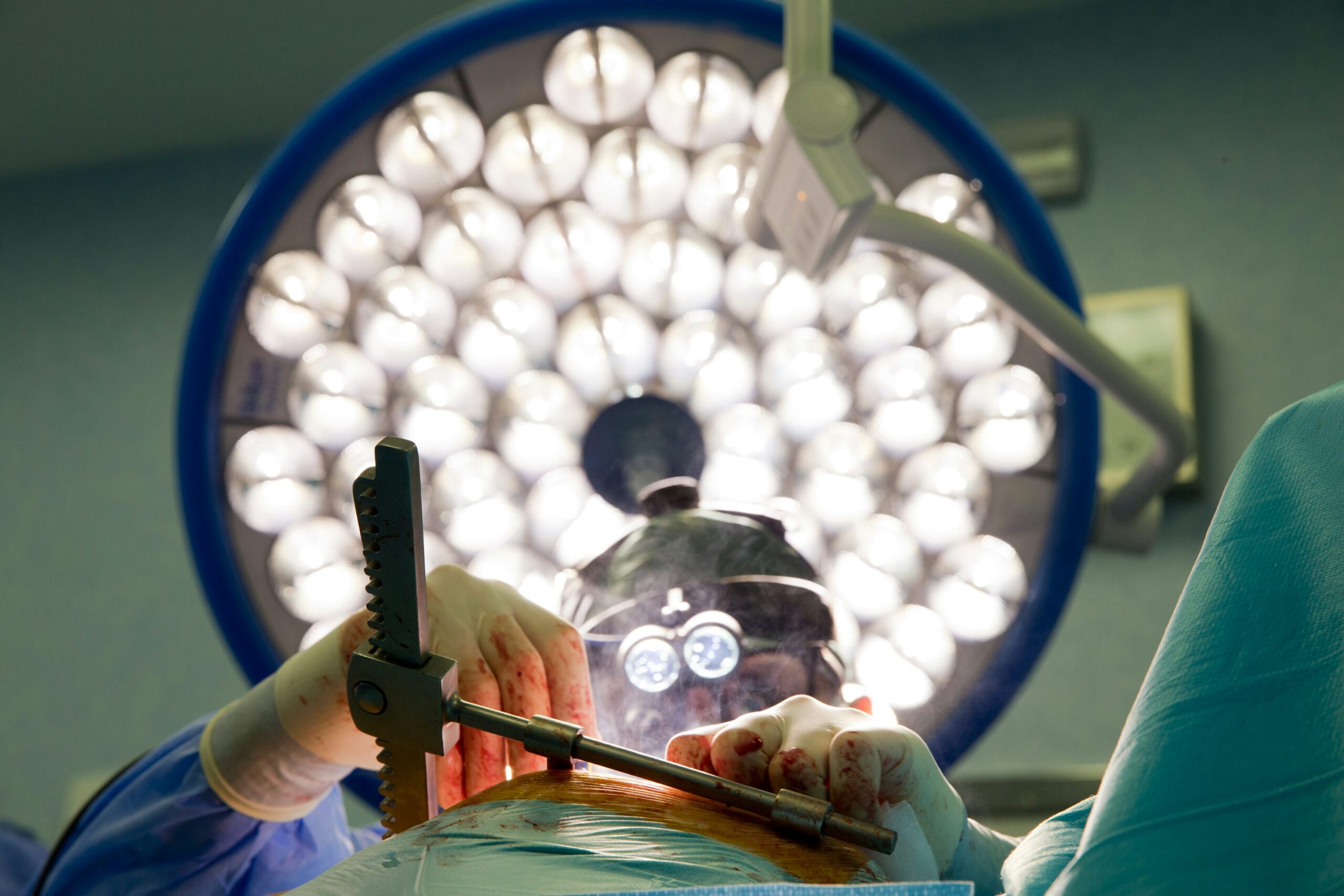
Laparoscopic surgery is a principal treatment option for patients with endometriosis, a condition that frequently causes substantial pelvic pain and infertility. As a minimally invasive technique, it offers measurable advantages over open surgery, including shorter convalescence and improved clinical outcomes. This article summarizes the clinical benefits, typical results, and the role of specialist surgeons in achieving optimal care. A clear understanding of these factors helps patients make informed decisions and supports better long-term quality of life.
Indications for laparoscopic management include persistent pain despite medical therapy, suspicion of significant anatomic disease such as ovarian endometrioma or deep infiltrating lesions, and fertility goals that may be assisted by surgical restoration of pelvic anatomy. The decision to proceed to surgery is individualized: it balances symptom burden, imaging findings, prior treatments, reproductive plans, and patient preference. Patients should expect a structured pathway from consultation and preoperative assessment through surgery and tailored postoperative care.
Benefits of Laparoscopic Surgery for Endometriosis

Laparoscopic procedures deliver several clinically relevant benefits for endometriosis management. The minimally invasive approach typically shortens recovery time and reduces postoperative pain, enabling earlier return to daily activities. It provides effective symptom control, which directly improves patient function and well-being. Importantly, surgical excision via laparoscopy can restore pelvic anatomy and is associated with improved fertility outcomes for many patients.
Beyond the immediate advantages of smaller incisions and less scarring, laparoscopy offers improved visualization of the pelvis through magnified imaging. This enhanced view enables surgeons to identify subtle lesions, perform precise dissection, and preserve healthy tissue. For patients with adhesions, careful adhesiolysis can relieve organ tethering and restore mobility of pelvic structures, thereby contributing to symptom relief and potentially improving fertility.
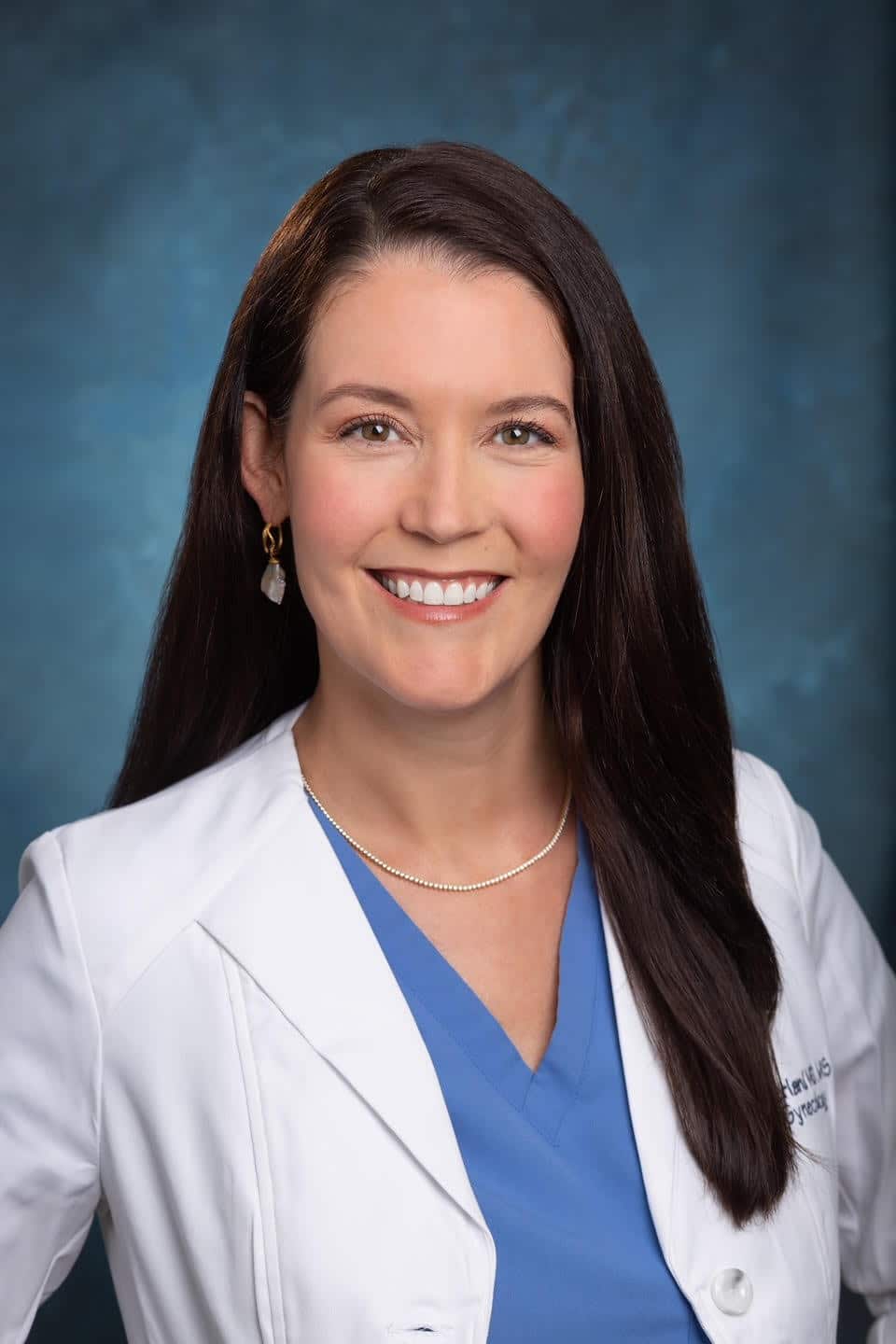
For patients seeking specialized care, the Endo Excellence Center, led by Dr. Rachael Haverland, offers advanced laparoscopic techniques for endometriosis. Dr. Haverland’s expertise in complex endometriosis excision ensures individualized surgical planning and care tailored to each patient’s presentation. Specialist centers often provide multidisciplinary coordination so that complex disease involving the bowel, bladder, or ureter can be managed safely, sometimes with intraoperative involvement from colorectal or urology colleagues when necessary.
These clinical advantages explain why laparoscopic excision is increasingly adopted as a preferred surgical strategy for endometriosis management. Patient selection, timing of surgery relative to reproductive plans, and postoperative follow-up are all important contributors to the degree of benefit observed.
Expected Outcomes of Laparoscopic Surgery

Patients treated with laparoscopic surgery commonly experience significant symptom reduction and improved quality of life. Many report substantial pain relief and decreased symptom severity after surgery. Effective long-term management requires scheduled follow-up and individualized treatment plans to monitor for recurrence and address ongoing needs.
Outcomes vary with disease extent, lesion type, prior interventions, and whether comprehensive excision was achieved. Some patients experience immediate and sustained relief, while others may have gradual improvement over weeks to months as inflammation subsides and tissues heal. Recurrence is possible and should be anticipated in follow-up planning; monitoring enables timely intervention if symptoms re-emerge.
Patient Experiences
Patient reports frequently describe shorter hospital stays and reduced disruption to daily routines after laparoscopy. These outcomes often contribute to a greater sense of control over health. Patient education about the procedure, expected recovery, and realistic outcomes is a key determinant of satisfaction.
Many patients appreciate clear preoperative counseling about pain expectations, activity progression, and strategies to manage fatigue and emotional strain in the early recovery period. Peer support and access to rehabilitation resources such as pelvic physiotherapy or specialist pain services often improve coping during recovery and may enhance functional outcomes.
Role of Experienced Surgeons
Surgeon expertise directly influences surgical safety and effectiveness. Experienced endometriosis surgeons reduce perioperative risk and improve lesion clearance. Their familiarity with complex pelvic anatomy and advanced laparoscopic excision techniques supports comprehensive care that addresses both symptom relief and overall patient health.
An experienced surgeon will provide a thorough preoperative assessment, discuss realistic goals, and outline potential intraoperative strategies should unexpected findings arise. Operative planning includes consideration of whether additional specialists should be present, what instruments and energy modalities are most appropriate, and how to minimize collateral tissue damage while achieving adequate disease removal.
How Does Laparoscopic Surgery Affect Fertility Outcomes in Endometriosis Patients?

Laparoscopic excision can positively influence fertility by removing lesions and restoring normal pelvic anatomy. For many patients, surgical correction of the disease improves the probability of conception and is a key option for those pursuing pregnancy.
When infertility is a primary concern, surgical planning emphasizes restoring tubal patency, removing obstructing endometriomas that may impair ovarian reserve or access, and minimizing further damage to ovarian tissue during cyst removal. Coordination with reproductive medicine specialists allows combination strategies, for example, timing surgery relative to assisted reproductive technologies when indicated to optimize outcomes.
Clinical Evidence on Fertility Improvement Post-Surgery
Clinical studies demonstrate that laparoscopic excision is associated with increased conception rates in selected patients with endometriosis. Long-term reproductive outcomes are more favorable when surgery is integrated into individualized reproductive care plans. You may also find Laparoscopic Surgery vs. Traditional Methods for Endometriosis helpful.
Key determinants of fertility response include baseline ovarian reserve, male partner factors, the extent of pelvic disease, and whether additional fertility interventions are used. Discussion with a fertility specialist can help estimate likely benefits and plan a coordinated approach that aligns with the patient’s reproductive timeline.
Personalized Treatment Plans to Optimize Reproductive Health
Individualized plans are fundamental to optimizing reproductive outcomes. Close coordination with reproductive specialists and a thorough assessment of each patient’s reproductive profile enhance the likelihood of surgical and fertility success.
Plans commonly include preoperative counseling about the risks and benefits relative to fertility, potential impact on ovarian reserve, and alternatives such as proceeding directly to assisted reproductive technologies when appropriate. Shared decision-making ensures that the timing and extent of surgery reflect the patient’s goals and the best available clinical judgment.
Who Is Dr Rachael Haverland and What Expertise Does She Bring to Endometriosis Surgery?
Dr. Rachael Haverland is a fellowship-trained specialist in complex endometriosis excision. Her focused training and clinical experience enable delivery of high-quality, evidence-informed care for patients with advanced disease. Dr. Haverland emphasizes individualized surgical planning and multidisciplinary collaboration in her practice.
Specialist training equips surgeons to manage deep infiltrating disease and coordinate intraoperative decision-making when multi-organ involvement is encountered. Patients benefit from care teams that prioritize both symptom relief and preservation of function, and from clear communication about anticipated outcomes and recovery pathways.
Fellowship Training and Board Certification in Complex Endometriosis Excision
Dr. Haverland’s fellowship training and board certification in complex excision provide advanced operative skills for managing intricate disease. This training supports safe execution of detailed procedures and attention to perioperative safety to optimize patient outcomes.
Fellowship-trained surgeons typically gain additional experience in advanced laparoscopic techniques, multidisciplinary care coordination, and management of complications—skills that are important when addressing complex pelvic pathology and when counseling patients with significant disease burden. Read more in Assess Your Endometriosis: When to Consider Advanced Surgery.
Multidisciplinary Approach to Patient Care and Surgical Planning
A multidisciplinary model is essential for comprehensive endometriosis care. Coordination among gynecology, pain management, reproductive medicine, and allied services produces thorough surgical planning and enhances the overall patient experience.
Multidisciplinary teams often include pelvic physiotherapists, pain specialists, mental health professionals, dietitians, and, when needed, colorectal or urology surgeons. This collaborative approach ensures that surgical decisions are made within the broader context of the patient’s health, goals, and support needs.
What Is the Patient Journey and Recovery Process After Laparoscopic Endometriosis Surgery?

The patient pathway includes preoperative assessment, the operative procedure, and postoperative care. Clear communication about each stage helps set realistic expectations and supports a structured recovery process.
Expected Recovery Timeline and Postoperative Care
Typical recovery after laparoscopic excision ranges from one to two weeks, with variable discomfort during the early postoperative period. Adherence to postoperative instructions, awareness of warning signs, and scheduled follow-up visits are important for safe recovery and early identification of complications.
Immediate postoperative care emphasizes pain control, early ambulation to reduce thromboembolic risk, and wound care. Most patients are discharged on the same day or after an overnight observation depending on the extent of surgery and individual recovery. Activity restrictions are individualized: light walking is encouraged early, while heavy lifting and strenuous exercise are usually deferred for several weeks to allow healing. Return-to-work timing depends on job demands and symptom resolution; many patients with desk jobs resume work within one to two weeks, while those with physically demanding roles may need a longer recovery period. Read more in Laparoscopic Surgery vs. Traditional Surgery: Endometriosis.
Managing Pelvic Pain and Enhancing Long-Term Outcomes
Comprehensive pain management after surgery may include physical therapy, pharmacologic strategies, and targeted lifestyle modifications. These interventions, combined with ongoing clinical review, support sustained symptom control and improved functional outcomes.
Analgesic strategies commonly employ multimodal approaches that may include acetaminophen, nonsteroidal anti-inflammatory drugs, short courses of opioids for severe acute pain when appropriate, and adjuvant agents for neuropathic pain when indicated. Pelvic floor physical therapy, graded exercise, and techniques for pacing activities are useful adjuncts. Mental health support and cognitive-behavioral strategies may be beneficial for coping with chronic pain and improving quality of life.
What Are the Risks and Considerations Associated with Laparoscopic Excision Surgery?

Although laparoscopic excision is generally safe, patients should be informed of potential risks, including bleeding, infection, and inadvertent injury to adjacent organs. Discussing these considerations with the surgical team allows patients to weigh benefits and risks as part of informed consent. For more detail, see our article What Are the Benefits of Laparoscopic Surgery for Endometriosis.
Potential Surgical Risks and How They Are Minimized
Experienced surgical teams reduce perioperative risk through thorough preoperative assessment, meticulous operative technique, and close intraoperative and postoperative monitoring. These measures are central to promoting safety and favorable outcomes.
Specific steps to minimize risk include preoperative imaging to anticipate complex anatomy, intraoperative strategies such as careful dissection and hemostasis, and involvement of appropriate subspecialists when organ-specific resection or repair is anticipated. Prophylactic measures like perioperative antibiotics, venous thromboembolism prevention, and standardized postoperative monitoring further enhance safety.
Patient Selection Criteria and Preoperative Evaluation
Appropriate patient selection is key to surgical success. Detailed preoperative evaluation identifies clinical factors that influence operative planning and expected outcomes, ensuring the chosen intervention is suitable for the patient’s disease presentation.
Preoperative evaluation typically includes a complete medical history, pelvic examination, imaging studies when indicated (such as ultrasound or MRI to characterize ovarian cysts and deep disease), assessment of comorbid conditions, and discussion of reproductive goals. Optimization of medical comorbidities, medication review, and planning for perioperative support at home are standard components of preparation.
How Do Personalized Treatment Plans Enhance Surgical Success and Patient Satisfaction?
Customized treatment plans improve both clinical and patient-reported outcomes. Matching surgical technique to the specific disease distribution enables more effective lesion removal. Integrating patient preferences and multidisciplinary planning further enhances satisfaction and recovery.
Personalized care means that decisions about the extent of dissection, the need for fertility-preserving techniques, and postoperative adjuncts such as hormonal suppression are made collaboratively with the patient and care team. Clear goals of care—including pain reduction targets, fertility expectations, and acceptable recovery timelines—help align surgical planning with what matters most to the individual.
Tailoring Surgical Techniques to Individual Disease Presentation
Individualized surgical strategies are essential. Endometriosis varies in extent and depth; selecting the appropriate operative approach for each stage optimizes lesion clearance and functional recovery.
For example, isolated superficial peritoneal disease may be managed with targeted excision, whereas deep infiltrating disease affecting the bowel may require segmental resection or shaving techniques, each with specific implications for recovery and long-term outcomes. The surgeon’s experience informs these nuanced choices.
Integrating Patient Preferences and Multidisciplinary Planning
Incorporating a patient’s values and goals into care planning promotes engagement and shared decision-making. Multidisciplinary coordination ensures comprehensive consideration of all health domains when formulating treatment strategies.
Preoperative discussions should address alternatives to surgery, expected benefits and limitations, and the potential need for adjunctive therapies. This collaborative process supports informed consent and aligns the care pathway with the patient’s priorities.
Frequently Asked Questions
What should I expect during the recovery process after laparoscopic surgery for endometriosis?
Recovery after laparoscopic excision typically lasts one to two weeks. Mild to moderate discomfort is common early on, and most patients can resume light activities within several days. Follow your surgeon’s postoperative instructions regarding wound care, medications, and activity restrictions. Scheduled follow-up visits are necessary to assess healing and address any concerns.
Expect variability: some patients notice major symptom improvement within days, while others experience a gradual decline in pain over several weeks as inflammation settles. If drains or catheters are used during more complex procedures, your care team will provide specific removal and care guidance. Keep a clear line of communication with your surgical team to report any unexpected symptoms promptly.
Are there any long-term effects of laparoscopic surgery for endometriosis?
Many patients experience lasting benefits, including reduced pain and improved quality of life. Recurrence of disease or symptoms can occur in some cases. Long-term follow-up and individualized management plans help monitor recurrence risk and support sustained health outcomes.
Long-term effects may include improved fertility for some patients and reduced need for ongoing pain medications. A small subset of patients may experience persistent pain despite adequate excision, which may reflect chronic pain conditions or central sensitization requiring multidisciplinary management.
How can I prepare for laparoscopic surgery for endometriosis?
Preparation includes a comprehensive preoperative assessment, review of medical history, and physical examination. Discuss all current medications, allergies, and medical conditions with your surgeon. You may receive instructions to discontinue specific medications before surgery. Arranging postoperative support at home facilitates a safer and smoother recovery.
Other preparatory steps can include stopping smoking to reduce wound and pulmonary complications, optimizing nutrition and hydration, and arranging transport home after surgery. Your team will provide specific instructions about fasting and perioperative medications.
What lifestyle changes can support recovery after laparoscopic surgery?
Adopting supportive lifestyle measures aids recovery. Maintain a nutrient-rich diet, stay adequately hydrated, and gradually reintroduce physical activity as advised by your healthcare team. Employing stress-reduction techniques, such as relaxation exercises, may assist recovery. Continue regular follow-up so recommendations can be adjusted as needed.
Specific recommendations often include avoiding heavy lifting and high-impact exercise for several weeks, incorporating gentle walking to reduce thrombotic risk, and engaging in pelvic floor rehabilitation when recommended. Sleep hygiene, balanced meals, and social support are important for holistic recovery.
What are the signs of complications after laparoscopic surgery for endometriosis?
Contact your healthcare provider promptly if you experience severe abdominal pain, heavy or uncontrolled bleeding, fever, or unusual discharge from incision sites. Early recognition and timely intervention are important for managing complications and protecting recovery.
Other signs that require prompt review include persistent nausea or vomiting, difficulty urinating, sudden swelling or redness at port sites, and symptoms suggestive of infection or thromboembolism such as calf pain or sudden shortness of breath.
How does laparoscopic surgery compare to other treatment options for endometriosis?
Laparoscopic excision is often preferred when the therapeutic goal is definitive removal of lesions. Compared with medical therapy or ablation, excision more directly addresses disease burden and is associated with lower recurrence in many cases. Medical therapy may alleviate symptoms but does not remove disease; therefore, surgery remains a primary option for patients seeking durable symptom relief and fertility restoration. For more detail, see our article Endometriosis Relief: The Advantages of Laparoscopic Surgery.
The optimal treatment plan is individualized. For some patients, a trial of medical therapy is appropriate before considering surgery; for others, especially those with structural disease or infertility concerns, earlier surgical intervention may be recommended. Shared decision-making with your care team helps determine the best approach for your situation.
Conclusion
Laparoscopic excision is a clinically effective option for endometriosis relief, offering reduced recovery time, meaningful pain reduction, and potential fertility benefits. Selecting a minimally invasive approach and consulting an experienced specialist, such as Dr. Rachael Haverland, supports individualized care and optimal outcomes. Review your options with a multidisciplinary team to determine the most appropriate path to symptom relief and improved quality of life.
Patients considering surgery should seek a thorough preoperative discussion that outlines realistic expectations, potential benefits, and possible risks. With appropriate selection, experienced surgical care, and structured postoperative support, many patients experience significant improvements in pain and function that translate into better daily living and progress toward personal health and fertility goals.