

Endometriosis can cause pelvic pain, painful periods, pain during sex, bowel symptoms, bladder symptoms, adhesions, ovarian endometriomas, and fertility concerns. For many patients, these symptoms are not only disruptive; they can affect work, relationships, daily function, and long-term quality of life.
Laparoscopic surgery is one of the most important tools used to diagnose and treat endometriosis. Through small incisions, a surgeon can view the pelvis with a camera, identify visible endometriosis lesions, evaluate adhesions or distorted anatomy, and treat disease during the same procedure when appropriate.
At Endometriosis Center of Excellence, laparoscopic endometriosis surgery is approached through personalized care, gold-standard excision, minimally invasive techniques, and multidisciplinary coordination when complex disease involves structures such as the ovaries, bowel, bladder, ureters, or pelvic sidewall.
What Is Laparoscopic Surgery for Endometriosis?
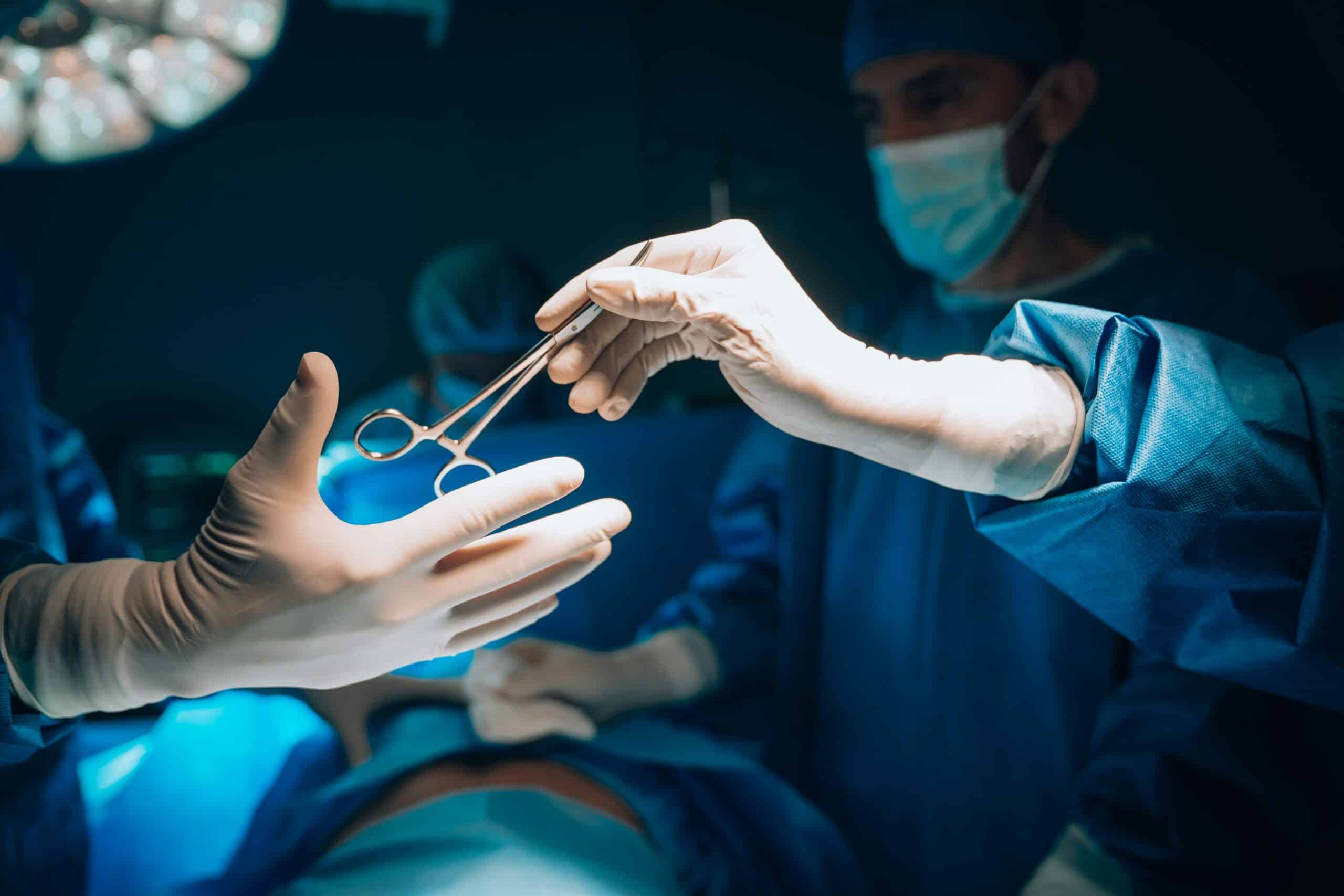
Laparoscopic surgery is a minimally invasive surgical approach that uses small abdominal incisions, a camera, and specialized instruments. The camera gives the surgeon a detailed view of the pelvis, including the uterus, ovaries, fallopian tubes, pelvic sidewalls, bowel, bladder, and surrounding tissues.
For patients with suspected or confirmed endometriosis, laparoscopy may allow the surgeon to evaluate:
- Endometriosis lesions
- Adhesions or scar tissue
- Ovarian endometriomas
- Distorted pelvic anatomy
- Deep infiltrating disease
- Involvement near the bowel, bladder, ureters, or pelvic nerves
When surgery is planned for treatment, laparoscopy may include excision of endometriosis, adhesiolysis, endometrioma management when appropriate, and treatment of disease affecting nearby structures. The exact surgical plan depends on the patient’s symptoms, imaging, exam findings, prior surgeries, fertility goals, and intraoperative findings.
Diagnostic Laparoscopy vs. Laparoscopic Excision
Patients may hear the terms diagnostic laparoscopy and laparoscopic excision. These are related, but they are not the same.
Diagnostic laparoscopy allows the surgeon to look inside the pelvis and identify possible endometriosis. In some cases, tissue may be biopsied and sent to pathology. Diagnostic laparoscopy can be helpful when symptoms strongly suggest endometriosis but imaging does not fully explain the patient’s pain.
Laparoscopic excision goes a step further. With excision, the surgeon removes identified endometriosis lesions from the tissue. This allows surgery to serve both a diagnostic and therapeutic purpose when appropriate.
Before surgery, patients should understand whether the goal is diagnosis only, treatment, or both. For many patients with significant symptoms, suspected deep disease, endometriomas, adhesions, or persistent pain despite prior treatment, a treatment-focused surgical plan may be more appropriate than diagnosis alone.
Why Imaging May Not Show Everything
Ultrasound and MRI can be valuable in endometriosis care. Ultrasound may help identify ovarian endometriomas and some signs of pelvic anatomy changes. MRI may be useful when deep infiltrating endometriosis, bowel involvement, bladder involvement, or complex disease is suspected.
However, imaging does not always show every endometriosis lesion. Some lesions are small, superficial, hidden behind adhesions, or located in areas that are difficult to visualize on imaging. A patient can have significant symptoms even when imaging is normal or inconclusive.
This is one reason specialist evaluation matters. Imaging should be interpreted alongside symptoms, pelvic exam findings, surgical history, fertility goals, and the patient’s overall clinical picture.
Why Excision Surgery Is Considered the Gold Standard
When surgery is recommended for endometriosis, excision is often considered the gold-standard surgical approach. Excision focuses on removing identified endometriosis lesions from tissue rather than only treating the surface.
The goal is not simply to “burn spots.” The goal is to treat visible disease, address associated scar tissue when appropriate, and preserve healthy anatomy as much as possible.
Excision vs. Ablation
Ablation treats the surface of visible lesions, often by burning or destroying the tissue. Excision removes identified lesions from the tissue.
This distinction matters because endometriosis can extend below the surface. If only the surface is treated, deeper disease may remain. Excision allows the surgeon to remove visible disease more thoroughly and, when appropriate, send tissue for pathology.
Excision does not guarantee that endometriosis will never recur, and it does not guarantee complete symptom relief for every patient. Endometriosis is complex, and pain can have multiple contributors. However, excision is often preferred when the goal is comprehensive treatment of visible disease and long-term symptom planning.
Treating Disease at the Source
Endometriosis lesions can contribute to inflammation, scarring, adhesions, pain, and organ irritation. When lesions are removed through excision, the goal is to reduce the disease burden that may be contributing to symptoms.
Depending on the patient’s disease pattern, excision surgery may help address:
- Chronic pelvic pain
- Painful periods
- Pain during sex
- Adhesions
- Ovarian endometriomas
- Bowel-related symptoms
- Bladder-related symptoms
- Distorted pelvic anatomy
- Fertility-conscious surgical planning
Treatment should be individualized. Not every symptom is caused only by visible endometriosis lesions, and not every patient needs surgery. A careful evaluation helps determine whether excision is appropriate.
Preserving Healthy Structures
Endometriosis may occur near delicate pelvic structures, including the ovaries, fallopian tubes, bowel, bladder, ureters, pelvic nerves, and blood vessels. Advanced excision surgery requires careful dissection and planning, especially when disease is deep or involves multiple organs. We cover this further in Assess Your Endometriosis: When to Consider Advanced Surgery.
A key goal of endometriosis surgery is to remove disease while preserving healthy anatomy whenever possible. This is especially important when the ovaries, fallopian tubes, bowel, bladder, or ureters are involved.
Surgical expertise matters because endometriosis can be subtle, complex, and difficult to separate from normal tissue. In complex cases, multidisciplinary coordination may be needed to support safe and complete care.
How Laparoscopic Surgery Helps Treat Endometriosis Symptoms
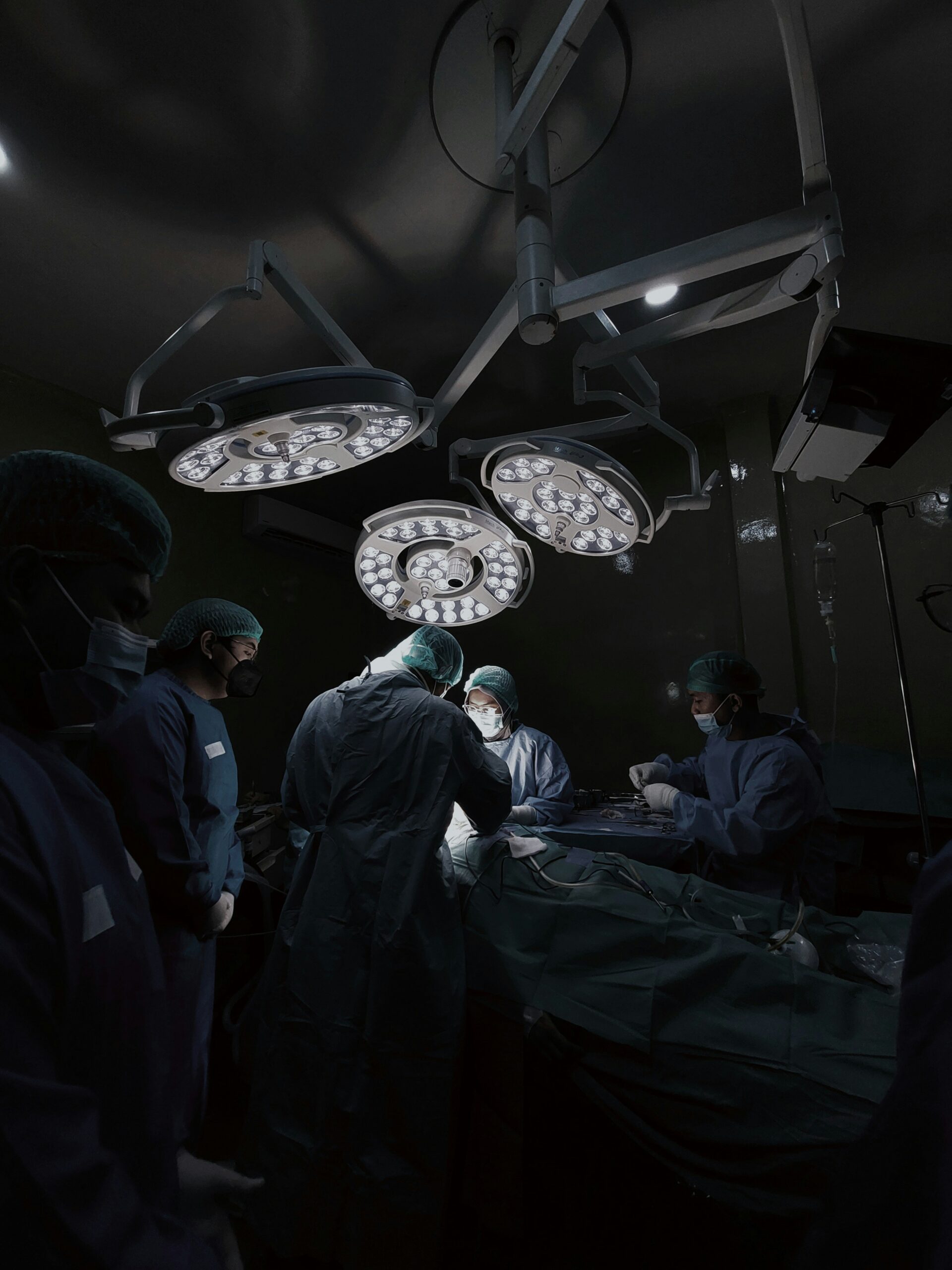
Endometriosis symptoms can vary widely. Some patients have severe pain with limited visible disease, while others have extensive disease with less pain. Laparoscopic excision can help selected patients when symptoms are related to visible lesions, adhesions, endometriomas, or distorted anatomy.
Pelvic Pain and Painful Periods
Pelvic pain and painful periods are among the most common symptoms associated with endometriosis. Pain may come from inflammation, lesions, adhesions, deep infiltrating disease, nerve irritation, or pelvic floor muscle guarding.
Laparoscopic excision may help by removing visible disease and releasing adhesions that contribute to pain or restricted pelvic mobility. Pain improvement can vary. Some patients notice improvement within weeks, while others improve more gradually over several months.
Persistent pain after surgery does not always mean surgery failed. Some patients also have pelvic floor dysfunction, nerve sensitization, adenomyosis, interstitial cystitis, irritable bowel syndrome, or other overlapping pain contributors that may require additional care.
Pain During Sex
Pain during sex can be caused by deep endometriosis, adhesions, inflammation, pelvic floor muscle tension, or pain sensitization. For some patients, excision surgery may help when visible disease is contributing to deep pelvic pain.
However, pain during sex may not resolve with surgery alone, especially if pelvic floor muscles have been guarding for a long time. Pelvic floor physical therapy may be appropriate when muscle tension, painful penetration, bladder discomfort, bowel symptoms, or movement-related pelvic pain persists after surgery.
Bowel and Bladder Symptoms
Endometriosis can affect or irritate structures near the bowel and bladder. Some patients experience bowel pain, painful bowel movements, constipation, diarrhea, bloating, urinary urgency, bladder pain, or symptoms that worsen around the menstrual cycle.
When bowel or bladder symptoms are present, careful evaluation is important. Advanced imaging may be recommended, and surgical planning may involve multidisciplinary coordination. If deep disease involves the bowel, bladder, or ureters, colorectal or urology support may be appropriate.
Laparoscopic surgery can be used to evaluate and treat disease in these areas when clinically indicated, but the surgical plan should be individualized based on symptoms, imaging, anatomy, and safety.
Adhesions and Distorted Pelvic Anatomy
Adhesions are bands of scar tissue that can tether pelvic organs. In endometriosis, adhesions may involve the ovaries, fallopian tubes, uterus, bowel, bladder, or pelvic sidewalls.
Adhesions can contribute to pain, restricted organ movement, bowel or bladder discomfort, and fertility concerns. Laparoscopic surgery may allow the surgeon to release adhesions and improve anatomy where possible.
It is important to avoid overpromising. Pelvic anatomy cannot always be fully restored, especially in complex or recurrent disease. The goal is to treat visible disease, improve function where possible, and reduce symptoms while protecting healthy structures.
Benefits of a Minimally Invasive Laparoscopic Approach
Laparoscopy is commonly used in endometriosis surgery because it allows detailed visualization and treatment through small incisions. When appropriate, this approach can offer several practical and clinical benefits.
Smaller Incisions
Laparoscopic surgery uses small incisions rather than one large open incision. For many patients, smaller incisions may mean less wound discomfort, smaller scars, and a more manageable early recovery. You may also find Guide to Choosing Between Open and Laparoscopic Surgery helpful.
Internal healing still takes time, especially after complex excision. Even when the incisions look small, the work performed inside the pelvis may be significant.
Magnified Visualization
The laparoscopic camera provides a magnified view of pelvic structures. This can help the surgeon identify visible lesions, adhesions, endometriomas, and distorted anatomy.
Magnified visualization is especially useful in endometriosis surgery because lesions can vary in color, size, depth, and appearance. Some disease may be obvious, while other disease may be subtle.
Shorter Recovery Compared With More Invasive Approaches
Many patients recover more quickly from minimally invasive surgery than from open surgery. Smaller incisions may reduce wound-related discomfort and allow earlier movement.
However, recovery time still depends on the extent of surgery, disease location, prior surgeries, baseline pain, and individual healing. Patients should not expect a fixed recovery timeline based only on the word “laparoscopic.” You may also find How Laparoscopic Surgery Aids in Endometriosis Diagnosis helpful.
A patient who has superficial disease treated may recover differently from a patient who has deep excision, endometrioma surgery, adhesiolysis, or surgery near the bowel or bladder.
Ability to Treat Multiple Areas During One Procedure
Endometriosis can affect multiple areas of the pelvis. Laparoscopic surgery may allow the surgeon to evaluate and treat visible disease, adhesions, endometriomas, and anatomical changes during the same procedure. Read more in Why Choose Laparoscopic Surgery for Endometriosis Relief.
For complex disease, surgery may require coordination with other specialists. The goal is to create a surgical plan that addresses the full pattern of disease while prioritizing safety and function.
Laparoscopic Surgery vs. Medical Management

Endometriosis treatment may include medical management, surgery, or a combination of both. The right approach depends on symptoms, disease pattern, fertility goals, prior treatment, and patient preferences.
What Medical Management Can Do
Medical management may help reduce pain and suppress endometriosis activity. Hormonal therapy may include combined hormonal contraceptives, progestins, GnRH medications, or other clinician-selected options. Non-hormonal pain strategies may also be used.
Medical management can be useful when:
- Symptoms are manageable with medication
- Surgery is not needed or not desired
- Pregnancy is not an immediate goal
- A patient needs symptom control before or after surgery
- A long-term suppression plan is appropriate
Medications may reduce symptoms, but they do not remove existing endometriosis lesions or adhesions. For some patients, this distinction is important.
When Surgery May Be Considered
Surgery may be considered when symptoms persist despite medical management, when imaging suggests endometriomas or deep disease, when adhesions or distorted anatomy are suspected, or when bowel or bladder symptoms raise concern for complex endometriosis.
Surgery may also be considered when a patient wants diagnosis and treatment through direct visualization, or when fertility-conscious planning requires evaluation of pelvic anatomy.
Common reasons to discuss laparoscopic excision include:
- Persistent pelvic pain
- Painful periods despite treatment
- Pain during sex
- Ovarian endometriomas
- Suspected deep infiltrating endometriosis
- Bowel or bladder symptoms
- Adhesions or distorted anatomy
- Prior surgery with recurring symptoms
- Fertility concerns related to pelvic anatomy
- Need for pathology confirmation
Surgery is not the right choice for every patient. A specialist consultation can help clarify the benefits, risks, and alternatives.
Why Shared Decision-Making Matters
Endometriosis care should be individualized. A patient’s treatment plan should reflect symptoms, imaging, health history, fertility goals, pain severity, prior treatments, and personal preferences.
Shared decision-making helps patients understand:
- What surgery may address
- What surgery may not address
- What medical management can and cannot do
- What recovery may involve
- Whether pelvic floor therapy may be needed
- Whether fertility specialist coordination is appropriate
- What follow-up care will look like
The best plan is one that is medically sound and aligned with the patient’s goals.
Is Robotic-Assisted Surgery the Same as Laparoscopic Surgery?
Robotic-assisted surgery is a form of minimally invasive laparoscopic surgery. Instead of the surgeon holding the laparoscopic instruments directly, the surgeon controls robotic instruments from a console. The robotic platform can provide enhanced visualization and instrument control, which may be useful in selected complex cases.
Robotic-assisted surgery is not automatically better for every patient. Outcomes depend more on surgeon expertise, surgical planning, disease complexity, tissue preservation, and careful dissection than on the platform alone.
For some patients, traditional laparoscopy may be appropriate. For others, robotic-assisted surgery may support precise treatment of complex disease. The surgical approach should be selected based on the patient’s anatomy, disease pattern, safety considerations, and treatment goals.
Fertility Considerations With Laparoscopic Endometriosis Surgery
Endometriosis may affect fertility through inflammation, adhesions, ovarian endometriomas, fallopian tube disruption, and altered pelvic anatomy. Some patients with endometriosis conceive naturally, while others need fertility specialist care.
This section is not intended to replace a full fertility evaluation. Instead, it explains how laparoscopic endometriosis surgery may fit into fertility-conscious planning.
How Endometriosis May Affect Fertility
Endometriosis may interfere with conception by affecting the ovaries, fallopian tubes, pelvic anatomy, or inflammatory environment. Adhesions may restrict the movement of the ovaries or fallopian tubes. Endometriomas may be associated with changes in ovarian reserve in some patients. Deep disease or pain during sex may make timed intercourse more difficult.
Fertility outcomes vary widely. Age, ovarian reserve, tubal function, partner fertility factors, prior surgeries, and the duration of trying to conceive all matter.
How Surgery May Support Fertility Planning
Laparoscopic excision may support fertility planning in selected patients by treating visible disease, releasing adhesions, improving anatomy where possible, and addressing endometriomas when appropriate.
However, surgery does not guarantee pregnancy. In some cases, fertility specialist evaluation may be recommended before surgery, especially if ovarian reserve is low, endometriomas involve the ovaries, or IVF or egg freezing may be part of the broader plan.
Coordination With Fertility Specialists
Endometriosis Center of Excellence focuses on endometriosis care, including evaluation, excision surgery, medical management, fertility-conscious surgical planning, and coordination when appropriate.
Fertility treatments such as IVF, IUI, egg freezing, embryo freezing, ovarian stimulation, egg retrieval, embryo transfer, and cryostorage are typically performed by reproductive endocrinologists or fertility clinics.
When fertility is a goal, coordination between the endometriosis specialist and fertility specialist can help determine whether surgery should happen before fertility treatment, after fertility treatment, or only if symptoms or anatomy make surgery necessary.
What to Expect During Recovery After Laparoscopic Endometriosis Surgery
Recovery after laparoscopic endometriosis surgery depends on the extent of surgery, disease location, prior surgeries, baseline pain, and overall health. Many patients move through phases of recovery rather than feeling fully healed by a single date.
Common early symptoms may include:
- Incision soreness
- Abdominal bloating
- Shoulder discomfort from surgical gas
- Fatigue
- Constipation
- Pelvic soreness
- Mild nausea
- Temporary appetite changes
Patients may resume light activities before they are fully healed internally. More strenuous activity, lifting, exercise, sex, and full stamina may take longer. The surgical team should provide specific guidance about returning to work, driving, exercise, pelvic activity, and follow-up care.
When to Contact the Surgical Team
Patients should follow their discharge instructions and contact the surgical team if they are concerned about symptoms.
Potential warning signs may include:
- Fever or chills
- Severe or worsening pain
- Heavy bleeding
- Worsening incision redness, warmth, swelling, drainage, or odor
- Chest pain
- Shortness of breath
- Calf swelling or severe leg pain
- Inability to urinate
- Persistent vomiting
- Inability to keep fluids down
- Severe abdominal bloating with concerning symptoms
- New or worsening bowel or bladder symptoms
Urgent symptoms such as chest pain, shortness of breath, fainting, or signs of a blood clot should be evaluated immediately.
Frequently Asked Questions
What is laparoscopic surgery for endometriosis?
Laparoscopic surgery for endometriosis is a minimally invasive procedure performed through small incisions using a camera and specialized instruments. It allows the surgeon to evaluate the pelvis and treat identified endometriosis lesions, adhesions, endometriomas, or anatomy changes when appropriate.
Is laparoscopic excision different from ablation?
Yes. Excision removes identified endometriosis lesions from tissue, while ablation treats the surface of lesions. Excision is often preferred when the goal is thorough treatment of visible disease and pathology confirmation when appropriate.
Why is excision considered the gold standard for endometriosis?
Excision is considered the gold standard when surgery is recommended because it removes identified disease rather than only treating the surface. It may also allow tissue confirmation through pathology. The goal is to treat visible disease while preserving healthy anatomy whenever possible.
Can laparoscopic surgery help pelvic pain?
Laparoscopic excision may help selected patients by removing visible endometriosis lesions and releasing adhesions that contribute to pain. Pain improvement varies, especially when pelvic floor dysfunction, nerve sensitization, adenomyosis, bladder pain, bowel conditions, or other pain contributors are also present.
Can laparoscopic surgery help bowel or bladder symptoms?
It may help when bowel or bladder symptoms are related to endometriosis lesions, adhesions, or deep disease affecting nearby structures. Patients with bowel or bladder symptoms may need advanced imaging and multidisciplinary planning with colorectal or urology specialists when appropriate.
Can laparoscopic endometriosis surgery improve fertility?
Laparoscopic excision may support fertility planning in selected patients by treating visible disease, releasing adhesions, improving anatomy where possible, or addressing endometriomas when appropriate. It does not guarantee pregnancy. Fertility outcomes depend on age, ovarian reserve, tubal function, partner factors, prior treatment, and other individual factors.
Does Endometriosis Center of Excellence provide IVF or egg freezing?
Endometriosis Center of Excellence focuses on endometriosis care, including evaluation, excision surgery, medical management, fertility-conscious surgical planning, and coordination with fertility specialists when appropriate. IVF, IUI, egg freezing, embryo freezing, egg retrieval, embryo transfer, and cryostorage are typically performed by reproductive endocrinologists or fertility clinics.
How long does recovery take after laparoscopic endometriosis surgery?
Recovery varies depending on disease extent, surgical complexity, areas treated, prior surgeries, baseline pain, and overall health. Some patients return to light activities within days to a couple of weeks, while deeper healing and return to more strenuous activity may take longer. The surgical team should provide individualized recovery guidance.
Is robotic-assisted surgery better than laparoscopy?
Robotic-assisted surgery is a minimally invasive laparoscopic platform that may be useful in selected complex cases. It is not automatically better for every patient. Outcomes depend on surgeon expertise, disease complexity, surgical planning, and tissue preservation.
What should I ask before choosing laparoscopic endometriosis surgery?
Ask whether you are a candidate for excision, whether the goal is diagnosis or treatment, whether deep disease is suspected, whether the ovaries, bowel, bladder, or ureters may be involved, what recovery may look like, and whether fertility specialist coordination or pelvic floor physical therapy may be appropriate.
Conclusion
If you are considering laparoscopic surgery for endometriosis, a specialist evaluation can help clarify whether excision surgery, medical management, additional imaging, pelvic floor support, or multidisciplinary coordination may be appropriate.
Endometriosis Center of Excellence provides personalized endometriosis care, including minimally invasive excision surgery, postoperative guidance, and coordination with specialists when needed.
Schedule a consultation to discuss your symptoms, imaging, prior treatment history, surgical options, and long-term care plan.