
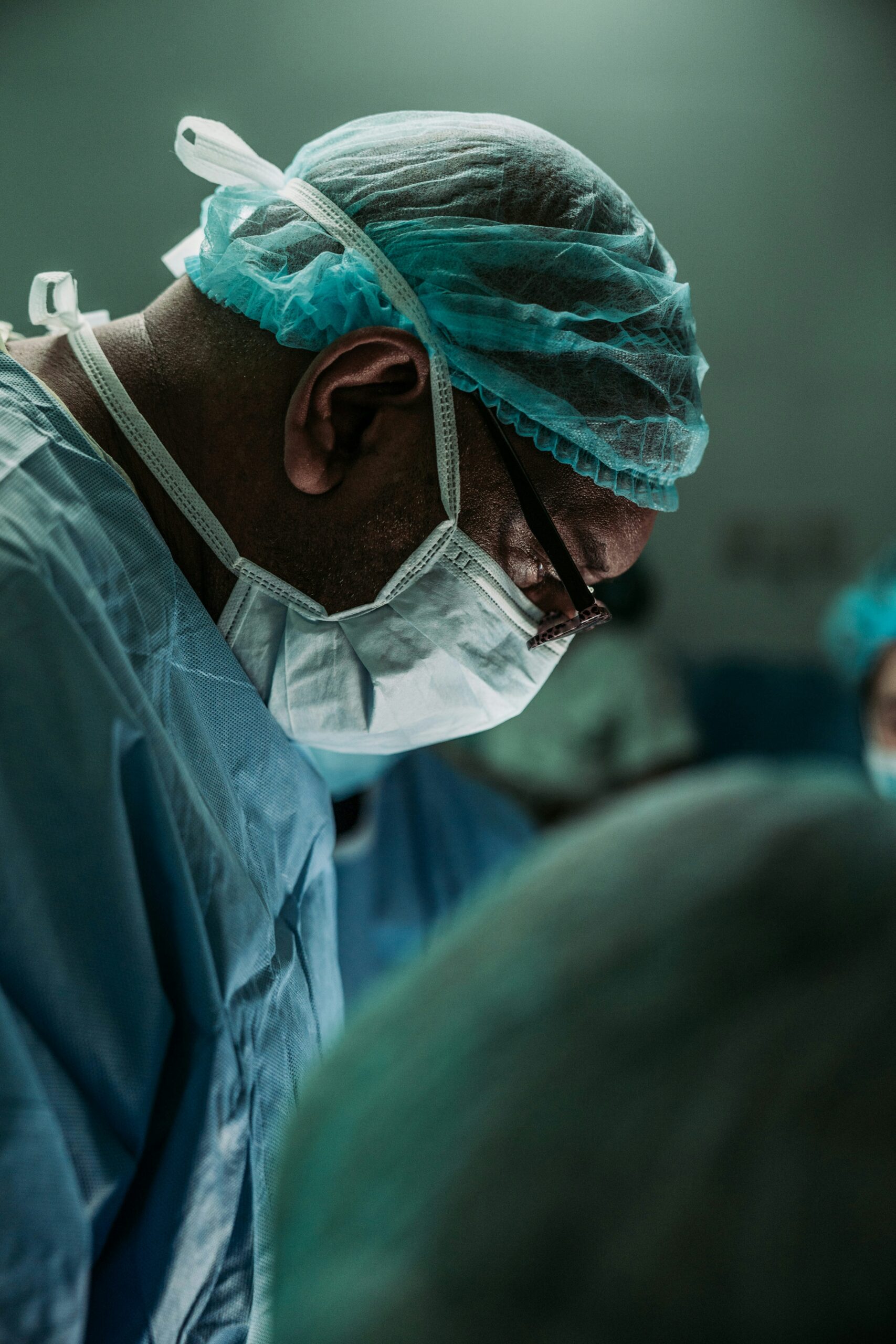
Laparoscopic and traditional open surgery represent the primary operative strategies for managing endometriosis, a disorder defined by endometrial‑like implants outside the uterine cavity. Clear differentiation of these approaches is essential for patients and clinicians when selecting an evidence‑based treatment plan. This article presents a structured comparison of both techniques evaluating efficacy, procedural risks, anticipated recovery timelines, and reported patient outcomes to assist informed decision‑making and reduce uncertainty during the treatment pathway. It also outlines typical preoperative planning, intraoperative considerations and postoperative follow‑up so patients and referring clinicians can better anticipate the care pathway and shared decision steps.
Comparison of Laparoscopic Surgery vs. Traditional Surgery for Endometriosis

Assessment of laparoscopic versus open laparotomy techniques is fundamental for patients with endometriosis. Each approach carries distinct technical and clinical implications that influence surgical planning. Laparoscopy, as a minimally invasive modality, is generally associated with reduced postoperative pain and shorter convalescence, whereas open surgery requires larger incisions and typically entails a prolonged recovery period. The following sections examine comparative effectiveness, complication profiles and outcome measures. Where appropriate, emphasis is placed on individualising the choice based on disease distribution, prior surgeries and patient priorities such as pain control, fertility goals and occupational needs.
Effectiveness
Both laparoscopic excision and open procedures can achieve symptomatic relief, but reported success rates differ. Published series and comparative studies indicate that laparoscopic excision yields higher rates of pain reduction and quality‑of‑life improvement, with 70–90% of patients noting pain relief after minimally invasive surgery versus approximately 50–80% following open techniques. Laparoscopy also appears more favourable for fertility outcomes in selected patients, an important consideration when reproductive potential is a treatment objective. Beyond symptom scores, effectiveness should be considered in terms of recurrence risk, need for reoperation and restoration of normal pelvic anatomy; for many patients the precision of laparoscopic dissection and magnified visualisation facilitates lesion removal while minimising collateral tissue trauma, which may underlie some of the observed functional benefits.
Effectiveness also depends on surgeon experience and the availability of multidisciplinary support for complex cases. Centres that routinely perform advanced laparoscopic excision and have protocols for comprehensive perioperative care generally report improved patient‑reported outcomes. Preoperative imaging and diagnostic laparoscopy can refine expectations and guide whether a minimally invasive approach is feasible or if conversion to open access may be required for safety and complete disease clearance.
Risks
Both surgical strategies carry inherent risks. Laparoscopic procedures may be complicated by haemorrhage, infection or inadvertent injury to adjacent organs, though these events are relatively uncommon and reported in under 5% of cases in experienced centres. Open laparotomy is associated with a higher overall burden of perioperative morbidity, longer hospital stays and an increased likelihood of postoperative adhesions and chronic pain, which should be weighed during preoperative counselling. Risk assessment should include patient factors (comorbidities, prior abdominal operations), disease factors (deep infiltrating disease, bowel or bladder involvement) and procedural factors (anticipated length of surgery, requirement for bowel or urinary reconstruction).
In all cases, transparent informed consent that discusses possible intraoperative findings, the potential need for additional procedures and the likelihood of staged operations improves patient understanding. Surgeons may also describe contingency plans, such as intraoperative consultation with colorectal or urology colleagues when necessary, and discuss measures used to reduce complications, including prophylactic antibiotics, thromboprophylaxis and meticulous haemostasis.
Recovery Times
Recovery trajectory is a major determinant of patient satisfaction. Most patients undergoing laparoscopic surgery resume routine activities within one to two weeks, whereas recovery after open surgery commonly extends to six to twelve weeks. Individual factors such as the extent of disease, concurrent procedures and baseline health status affect recovery duration. The reduced tissue trauma of laparoscopy typically facilitates earlier functional recovery. Early mobilisation, attention to wound care and a graded return to activity are standard components of postoperative protocols designed to reduce complications and speed rehabilitation.
Patients undergoing more extensive procedures, for example those requiring bowel resection or reconstruction, may need prolonged inpatient observation and a slower phased recovery plan that includes dietary modifications, physiotherapy and coordinated outpatient follow‑up. Clear discharge instructions and scheduled postoperative appointments help identify issues such as infection, bowel dysfunction or persistent pain that may require timely intervention.
Patient Outcomes
Patient‑reported outcomes favour minimally invasive management in many series. Higher satisfaction after laparoscopy is commonly attributed to faster convalescence, reduced analgesic requirement and smaller scars. Effective postoperative pain control and comprehensive follow‑up contribute to sustained symptom relief and improved quality of life, with laparoscopy demonstrating favourable long‑term outcomes for many patients compared with traditional open approaches. Longitudinal follow‑up that includes symptom tracking, fertility counselling when relevant, and timely management of recurrence is essential to maintaining the initial benefits of surgery.
Outcome measurement often includes validated pain scores, quality‑of‑life instruments and assessment of reproductive outcomes when applicable. Shared decision‑making that sets realistic expectations about the likelihood of symptom improvement, the possibility of recurrence and the potential need for additional treatment increases patient satisfaction and aligns surgical goals with overall care plans.
What Are the Surgical Options for Treating Endometriosis?

A spectrum of operative options exists for endometriosis, selected according to disease severity, anatomical distribution and patient goals. Surgical planning should be individualised, integrating clinical assessment, imaging findings and reproductive plans to optimise outcomes. The choice of procedure also depends on available expertise and the ability to assemble a multidisciplinary team for cases involving the bowel, bladder or ureters.
Surgical Options for Treating Endometriosis: Laparoscopic Surgery vs. Traditional Surgery
The principal surgical modalities include laparoscopic excision, open laparotomy and, in select refractory cases, hysterectomy. Each option has specific indications, expected outcomes and implications for recovery and fertility. Decision discussions typically cover the extent of excision required, the likelihood of preserving ovarian tissue, and the planned approach to any adhesions or organ‑involving disease identified on imaging or at the time of surgery.
Laparoscopic Surgery:
Laparoscopic surgery is a minimally invasive approach using small port incisions to perform excision of endometriotic lesions and adhesiolysis. This technique reduces postoperative pain and shortens recovery while enabling precise dissection that can improve symptomatic control and, when appropriate, preserve fertility. Intraoperative tools such as high‑definition cameras, fine dissection instruments and energy devices allow surgeons to address lesions on the peritoneum, ovaries, and bowel serosa with targeted therapy and minimal collateral damage.
Patients may undergo diagnostic laparoscopy, therapeutic excision, or a combination of procedures such as cystectomy for ovarian endometriomas and adhesiolysis to restore normal anatomy. The laparoscopic approach also facilitates careful inspection of deep pelvic recesses and the ability to perform fertility‑preserving techniques when desired.
Traditional Surgery (Laparotomy):
Open laparotomy involves a larger abdominal incision to provide direct access for excision of extensive disease. Although effective for some advanced presentations, it carries a greater risk of perioperative morbidity and prolonged rehabilitation compared with minimally invasive alternatives. Laparotomy may still be the safest option for cases with massive adhesions, need for extensive bowel resection or when combined multivisceral resections are anticipated and require complex reconstruction that is more safely performed through an open approach.
When laparotomy is indicated, perioperative planning should include detailed preoperative imaging, discussion of possible ostomy formation in select cases, and arrangement for postoperative support such as specialised nursing or rehabilitation where appropriate.
Hysterectomy:
Hysterectomy, with or without bilateral salpingo‑oophorectomy, may be considered for severe, refractory endometriosis when conservative measures fail and when fertility preservation is not a goal. This option eliminates uterine‑related symptoms but also terminates reproductive potential and requires careful multidisciplinary discussion. Decisions about removal of ovaries are complex because bilateral oophorectomy induces surgical menopause and necessitates discussion of hormone replacement therapy and its risks and benefits.
Hysterectomy may be combined with excision of extrauterine disease to address persistent pelvic pain; however, patients should be counselled that hysterectomy does not guarantee complete resolution of symptoms if endometriotic implants remain on other organs.
How Does Laparoscopic Excision Surgery Address Endometriosis?
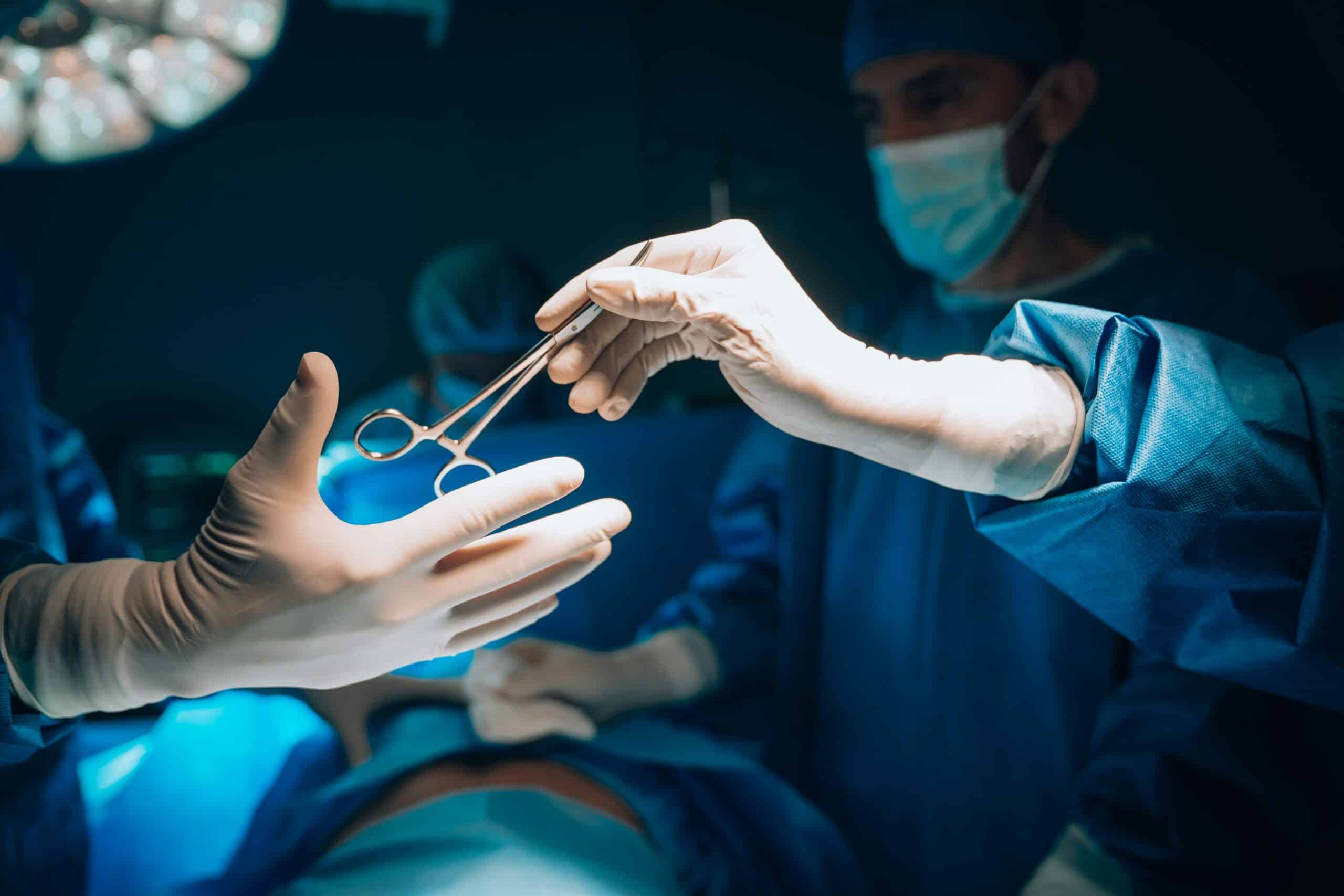
Laparoscopic excision entails the surgical removal of visible endometriotic lesions and adhesions using specialised instrumentation under magnified vision. The technique prioritises removal of disease while sparing normal structures, which preserves organ function and reproductive potential. Precise excision reduces residual disease burden and supports improved postoperative recovery and symptom control. The surgeon’s aim is to balance thorough disease clearance with maximal preservation of healthy tissue, particularly around the ovaries and fallopian tubes.
Intraoperative strategies include careful mapping of disease, staged excision where appropriate, and selective use of hemostatic agents. When lesions involve the bowel or urinary tract, collaboration with colorectal or urological surgeons allows simultaneous definitive management that reduces the need for repeat procedures.
What Defines Traditional Open Surgery for Endometriosis?
Open laparotomy provides wide exposure to address extensive or deeply infiltrating disease that may not be amenable to laparoscopic access. While indicated in certain complex cases, it typically requires a longer convalescence and carries a higher risk of postoperative complications; these factors should inform surgical choice when less invasive options are feasible. Open surgery can offer better tactile feedback for dense adhesions and may be preferred when multiple abdominal or pelvic organs are involved and require direct repair or reconstruction.
Surgeons choosing open access will often discuss expected incision types, potential blood loss and the necessity for postoperative drains or temporary bowel rest. Postoperative planning in these cases frequently includes a longer hospital stay and a structured rehabilitation plan to support recovery.
What Are the Key Benefits of Minimally Invasive Laparoscopic Surgery Compared to Traditional Surgery?
Minimally invasive laparoscopy confers several clinically relevant advantages over open surgery, which include:
- Reduced Recovery Time: Patients typically recover faster, with reduced time off work and everyday activities.
- Less Pain: Smaller incisions lead to less postoperative pain and a lower need for pain medication.
- Minimal Scarring: The small incisions involved result in less noticeable scarring compared to larger traditional incisions.
Together, these benefits frequently translate into improved patient satisfaction and a more rapid return to baseline function. Additionally, the magnified visualisation provided by laparoscopy often allows for more precise excision of lesions, which can improve symptom control with less collateral damage to normal tissues.
How Does Laparoscopy Improve Recovery Time and Patient Outcomes?
Laparoscopy reduces iatrogenic tissue trauma and operative blood loss, which accelerates wound healing and shortens hospital stay. These physiological advantages underpin the observed improvements in postoperative pain, early mobilisation and overall patient‑reported outcomes following minimally invasive procedures. When combined with enhanced recovery after surgery (ERAS) protocols such as minimised fasting, multimodal analgesia and early mobilisation, laparoscopic approaches can support faster functional recovery and reduced perioperative stress.
Education before surgery about expected milestones during recovery, wound care, and signs of complications further improves outcomes by promoting timely problem recognition and adherence to recommended activity progression.
What Advantages Does Advanced Excision Surgery Provide Over Ablation Methods?
Advanced excision entails complete surgical removal of endometriotic implants rather than surface destruction by ablation. Its principal benefits include:
- Complete Lesion Removal: Excision is more effective for total removal of endometriosis, reducing the chance of recurrence.
- Preservation of Healthy Tissue: Excision can spare surrounding healthy tissue, which is essential for maintaining other bodily functions.
- Improved Long-term Outcomes: Research suggests that patients who undergo excision report better long-term symptom relief and lower recurrence rates when compared to ablation methods.
Excision may be particularly advantageous for deep infiltrating disease or ovarian endometriomas where surface ablation alone might leave residual disease. The choice between excision and ablation should be made based on lesion depth, location and the surgeon’s skill set, with the overarching aim of durable symptom control and minimised harm to normal structures.
What Are the Risks and Limitations of Traditional Open Surgery for Endometriosis?
Open laparotomy retains a role for extensive or anatomically complex disease but carries specific risks and limitations, including:
- Higher Complication Rates: Complications such as infections, excessive bleeding, and adverse reactions to anesthesia are more common.
- Longer Recovery: Patients can expect extended recovery periods, which may interfere with their daily lives.
- Potential for Chronic Pain: Some patients report ongoing pain following traditional surgery primarily due to scarring or nerve damage.
Given these considerations, many patients and clinicians prefer minimally invasive techniques when clinically appropriate. For specialised assessment and comprehensive management, consultation with the Endometriosis Center of Excellence is recommended. When open surgery is necessary, careful perioperative planning and postoperative rehabilitation can reduce some of the adverse impacts associated with larger operations.
What Are the Common Surgical Risks Associated with Open Procedures?
Open procedures carry several well‑recognised risks:
- Infection: Surgical sites can become infected, leading to prolonged healing and additional treatment.
- Blood Clots: Surgery increases the risk of developing blood clots, particularly during longer recovery periods.
- Nerve Damage: Larger incisions may lead to nerve damage, resulting in chronic pain or discomfort.
Awareness of these potential complications is essential for informed consent and preoperative planning. Strategies to mitigate these risks include appropriate perioperative antibiotics, thromboprophylaxis where indicated, early mobilisation and nerve‑sparing surgical techniques where feasible.
How Do These Risks Compare with Those from Laparoscopic Surgery?
Laparoscopic techniques generally demonstrate a lower complication profile than open surgery. Reduced incision size and diminished tissue handling decrease the likelihood of wound infections and nerve injury, contributing to a more favourable recovery and fewer adverse events in experienced hands. Nonetheless, laparoscopy is not risk‑free; specific hazards such as gas embolism, port‑site complications and difficulty controlling bleeding in a restricted field require surgeon awareness and technical skill.
Choosing the safest approach involves weighing these relative risks against the anticipated benefits for the individual patient, and discussing the possibility of conversion from laparoscopy to laparotomy if intraoperative conditions make continuing laparoscopically unsafe.
How Does Surgery Impact Fertility for Patients with Endometriosis?
Surgical management can substantially influence fertility prospects. Procedures that prioritise meticulous excision of lesions and careful adhesiolysis aim to restore normal pelvic anatomy while preserving ovarian and tubal function, thereby improving the probability of conception. Conversely, more extensive open procedures may increase the risk of adhesion formation and tissue damage that can adversely affect fertility. Decisions about ovary‑sparing techniques, timing of conception attempts after surgery, and integration with assisted reproductive technologies are central to fertility planning.
Patients desiring pregnancy should have early discussions with reproductive specialists to coordinate timing, consider fertility preservation where appropriate, and to understand how surgery may fit within a broader fertility strategy.
Can Laparoscopic Excision Surgery Enhance Fertility Outcomes?
Data indicate that laparoscopic excision can improve fertility outcomes for many women with endometriosis by removing obstructive lesions and resolving adhesions that impair conception. This surgical approach should be considered within a comprehensive fertility plan developed with reproductive specialists when conception is an objective. The magnitude of benefit varies by disease severity, patient age and baseline fertility status; therefore, personalised counselling is essential.
What Fertility Treatment Options Complement Surgical Care?
Postoperative fertility strategies often complement surgical treatment to maximise conception chances:
- In Vitro Fertilization (IVF): Often recommended for those who struggle with natural conception post-surgery.
- Hormonal Treatments: Medications can help regulate menstrual cycles and enhance fertility potential.
- Lifestyle Changes: Consulting specialists for dietary and lifestyle changes may improve overall reproductive health.
These options should be discussed with the treating clinician and reproductive endocrinologist to individualise the care pathway. Timing of IVF relative to surgery, the role of ovarian stimulation and the potential need for repeat surgical interventions are topics typically covered when building a combined surgical and fertility plan.
What Is the Typical Recovery Timeline After Laparoscopic Surgery for Endometriosis?

Most patients can expect to resume routine activities within one to two weeks after laparoscopic surgery, although complete physiological healing may take longer depending on operative extent and individual health. Adherence to postoperative instructions and graded return to activity support optimal recovery. Many centres provide written recovery milestones and telephone follow‑up to address concerns during the early postoperative period.
Specific recommendations often include limiting heavy lifting for several weeks, gradually increasing aerobic activity, and attending scheduled wound checks and follow‑up imaging when indicated. Addressing sleep, nutrition and mental health needs during recovery also contributes to better outcomes and satisfaction.
What Are Postoperative Pain Management Strategies?
Multimodal pain management improves postoperative recovery. Effective strategies include:
- Pain Medications: Prescription pain relievers help manage discomfort effectively.
- Physical Therapy: Gentle physical therapy can assist in reducing pain and improving mobility.
- Ice and Heat Therapy: Alternating between ice packs and heat can help soothe pain and improve comfort.
Individualised regimens, developed in collaboration with the surgical team and pain specialists, optimise analgesia while minimising opioid exposure. Additional non‑pharmacological measures such as relaxation techniques, guided breathing, and gradual graded exercise can complement medications and accelerate recovery. For patients with longstanding pelvic pain, referral to chronic pain specialists or pelvic floor physio may be beneficial as part of a multimodal rehabilitation plan.
When Can Patients Resume Normal Activities and Work?
Most patients can typically resume normal activities within one to two weeks after laparoscopic surgery, but timing should be personalised based on surgical extent and occupational demands. Patients should follow their surgeon’s specific guidance regarding activity restrictions and progressive return to work. For example, desk‑based occupations often allow an earlier return than physically demanding jobs that require lifting, prolonged standing, or heavy manual tasks, which may need extended restriction.
Employers can be provided with general guidance from the treating team about expected limitations and phased return recommendations to facilitate workplace planning and minimise the risk of premature return that could compromise healing.
How Do Fellowship-Trained Specialists Enhance Surgical Outcomes in Endometriosis Care?
Fellowship‑trained specialists bring advanced surgical skills and focused expertise in endometriosis management. Their training supports meticulous excision techniques, multidisciplinary planning and evidence‑based decision‑making, all of which contribute to improved perioperative safety and long‑term patient outcomes. These surgeons are often experienced in complex pelvic anatomy, are familiar with advanced laparoscopy and are more likely to collaborate routinely with colorectal and urological colleagues for comprehensive care of multifocal disease.
Who Is Dr. Rachael Haverland and What Is Her Surgical Philosophy?
Dr. Rachael Haverland is a fellowship‑trained specialist at the Endometriosis Center of Excellence who provides evidence‑based, patient‑centred care. Her surgical philosophy emphasises individualized assessment, precise excision of disease and collaborative care planning to optimise functional outcomes and quality of life. Her approach typically includes preoperative counselling, thorough intraoperative documentation of disease mapping, and structured postoperative follow‑up to ensure continuity of care and to address recurrence or ongoing symptoms promptly.
Why Is Multidisciplinary Care Essential for Complex Endometriosis?
Complex endometriosis often requires coordinated input from pain specialists, fertility experts, colorectal and urological surgeons, and allied health professionals. A multidisciplinary approach ensures comprehensive assessment and integrated treatment planning, improving symptom control and long‑term outcomes. Team‑based clinics that offer a single point of referral and co‑ordinated appointment scheduling reduce fragmentation of care and streamline decision‑making for patients with multisystem disease involvement.
How Can Patients Schedule a Personalized Consultation for Expert Endometriosis Surgery?
Patients seeking evaluation of surgical options can schedule a consultation with Dr. Rachael Haverland at the Endometriosis Center of Excellence. The visit will include a focused assessment, review of imaging and prior treatments, and development of a tailored surgical and perioperative plan to support optimal recovery and outcomes. During the consultation patients can discuss expected timelines, fertility goals, potential need for additional specialties and the logistics of surgery including preoperative optimisation and postoperative support services.
Frequently Asked Questions
1. What should I consider when choosing between laparoscopic and traditional surgery for endometriosis?
Key considerations include disease extent, prior surgical history, overall health and reproductive goals. Discuss potential benefits, risks and expected recovery with your surgical team to select the approach that best aligns with your clinical needs and personal priorities. Consider asking about surgeon experience with advanced excision techniques, the likely need for multidisciplinary input, and typical recovery pathways used by the treating centre.
2. How can I prepare for laparoscopic surgery for endometriosis?
Preparation typically involves a preoperative assessment with instructions on fasting, medication adjustments and perioperative planning. Arrange transport home after surgery and raise any clinical concerns with your surgeon beforehand to ensure clear expectations and reduce perioperative anxiety. Optimising chronic conditions such as anaemia, diabetes, or smoking cessation before surgery can improve healing and reduce complication risk. Patients may also find it helpful to prepare their home for recovery with easy access to necessities and a plan for assistance during the first few days after discharge.
3. What factors influence the cost of laparoscopic vs. traditional surgery?
Cost determinants include geographic location, facility fees, surgeon’s charges and insurance coverage. Advanced laparoscopic techniques may incur higher immediate costs due to specialised equipment and expertise, but shorter recovery can reduce indirect costs. Review financial considerations with your provider and insurer. Ask for detailed estimates, including potential additional costs such as specialist consultations, imaging, pathology and rehabilitation services, to plan effectively.
4. Can endometriosis return after surgery?
Recurrence can occur after either laparoscopic or open surgery. Complete excision tends to lower recurrence risk, but new lesions or symptoms may develop over time. Regular follow‑up and symptom monitoring are essential for early detection and management of recurrence. When symptoms recur, options may include medical therapy, repeat surgery or fertility interventions depending on the clinical scenario and patient goals.
5. What lifestyle changes can help manage endometriosis after surgery?
Postoperative management may include anti‑inflammatory dietary measures, graded exercise, weight optimisation and stress‑reduction strategies. Collaborating with your care team can produce a tailored postoperative wellness plan that supports long‑term symptom control. Attention to sleep hygiene, balanced nutrition and gradual increase in physical activity may also help reduce chronic pelvic pain and improve overall wellbeing.
6. How do pain management strategies differ between laparoscopic and traditional surgery?
Pain intensity and analgesic requirements are generally lower after laparoscopy due to smaller incisions and less tissue disruption. Open surgery frequently necessitates more intensive pain control. A preoperative analgesic plan should be established with the surgical team to address individual needs. This plan may include scheduled non‑opioid medications, short courses of opioids when necessary, and adjunctive therapies such as local anaesthetic infiltration or peripheral nerve blocks depending on the procedure.
7. What should I expect during the recovery phase after laparoscopic surgery?
Recovery commonly involves mild to moderate discomfort managed with analgesia, progressive return to activity over one to two weeks and scheduled postoperative follow‑up. Patients may experience transient fatigue or spotting; prompt reporting of fever, wound changes or severe pain is important to detect complications early. If bowel or urinary symptoms occur, or if there is increasing pain or wound drainage, contacting the surgical team for earlier assessment helps protect recovery and ensures any complications are treated promptly.
Conclusion
When clinically appropriate, laparoscopic excision offers meaningful advantages shorter recovery, reduced postoperative pain and improved patient satisfaction while supporting fertility preservation. Open surgery remains indicated for select extensive cases but is associated with greater morbidity. Patients are advised to review these options with their healthcare team to determine the most appropriate, individualized plan. For specialised evaluation, contact the Endometriosis Center of Excellence to arrange a personalised consultation.