
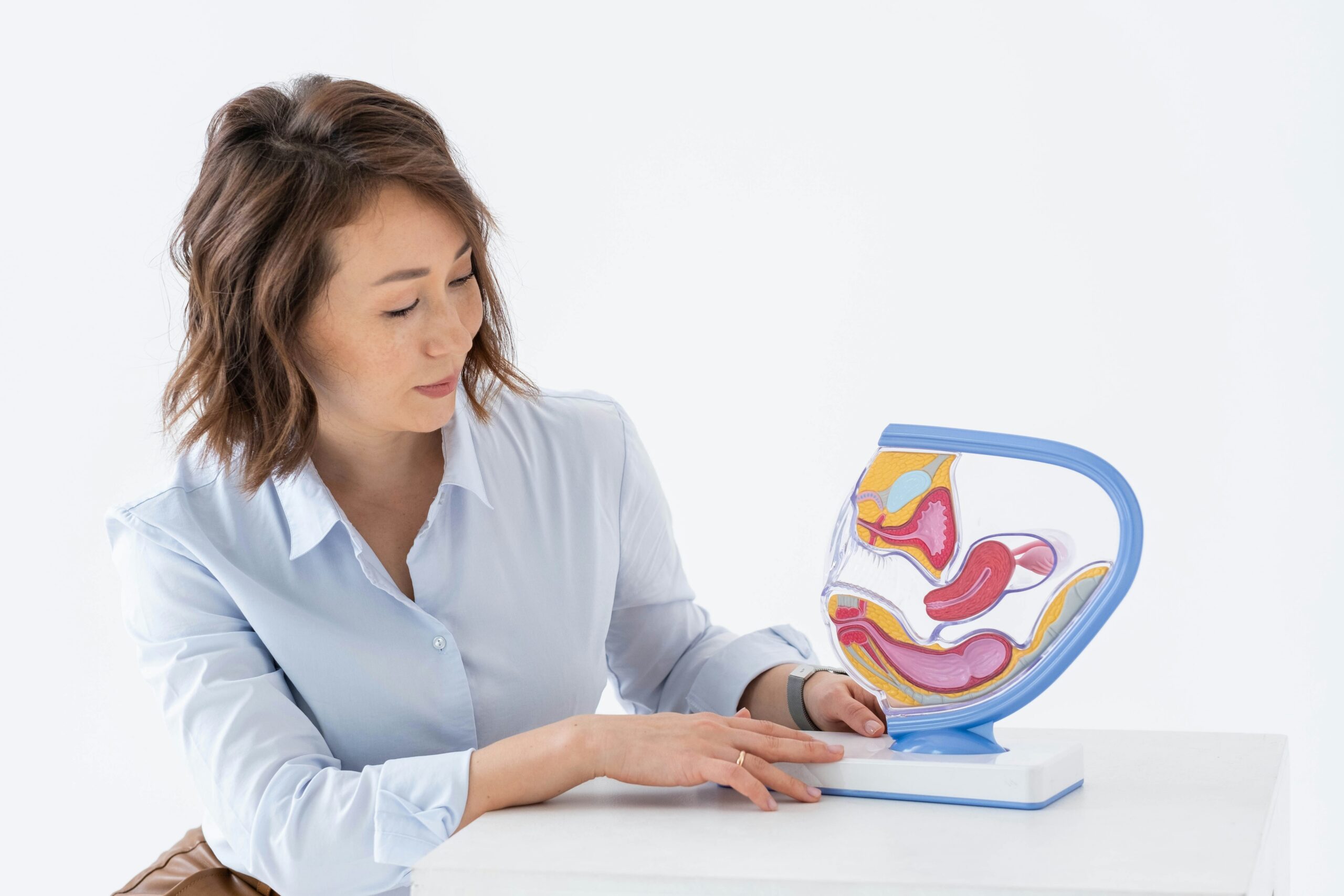
Endometriosis is often described as a gynecologic condition, but it also involves inflammation and immune-system activity. In endometriosis, tissue similar to the lining of the uterus grows outside the uterus, where it can trigger inflammatory responses, pain signaling, scarring, and symptoms that may change across the menstrual cycle.
Researchers are still studying exactly how the immune system contributes to endometriosis. Current evidence suggests that immune cells, inflammatory signaling, and altered immune surveillance may play a role in how endometriosis develops and persists. However, endometriosis should not be described simply as a “weak immune system,” and it does not automatically mean a patient is immunocompromised.
Understanding the immune and inflammatory side of endometriosis can help patients make sense of symptoms such as pelvic pain, flares, fatigue, and overlapping health concerns. At the Endometriosis Center of Excellence, Dr. Rachael Ann Haverland evaluates endometriosis in the context of the whole patient, including pain patterns, menstrual symptoms, fatigue, prior treatments, fertility goals, and quality-of-life impact.
What Is the Connection Between Endometriosis and the Immune System?

Endometriosis is closely linked with inflammation and immune-system activity. In this condition, tissue similar to the lining of the uterus grows outside the uterus, where it can irritate surrounding structures and trigger an inflammatory response. This immune activity is one reason endometriosis is often described as more than a “period problem.”
The immune system normally helps the body identify and clear abnormal tissue, repair injury, and regulate inflammation. In endometriosis, researchers believe that immune signaling may work differently in ways that allow endometriosis lesions to survive, inflame nearby tissue, and contribute to ongoing pain. However, this does not mean every patient with endometriosis has a weak immune system or is immunocompromised.
Endometriosis as a Chronic Inflammatory Condition
Endometriosis is commonly associated with chronic inflammation. When endometriosis lesions are present outside the uterus, they can release inflammatory signals that affect nearby nerves, blood vessels, muscles, and pelvic organs. This may contribute to symptoms such as pelvic pain, painful periods, pain with sex, bowel or bladder discomfort, and fatigue.
Inflammation can also make the surrounding pelvic environment more sensitive. Over time, this may contribute to pain that feels more intense, lasts longer, or occurs outside the menstrual period. While inflammation is an important part of endometriosis, it is usually only one piece of a larger symptom pattern.
Why Immune Activity May Help Lesions Persist
Researchers are studying why endometriosis lesions can attach, grow, and persist outside the uterus. One theory is that changes in immune surveillance may make it harder for the body to recognize and clear endometriosis-like cells in the pelvis.
Immune cells and inflammatory messengers may also create an environment that supports lesion survival, blood vessel growth, scarring, and nerve irritation. This can contribute to a cycle in which lesions trigger inflammation, inflammation irritates surrounding tissue, and symptoms continue or worsen over time.
This process is complex and still being studied. Endometriosis should not be simplified as an immune deficiency, but immune-system activity appears to play a meaningful role in how the condition develops and behaves.
What Researchers Are Still Learning
Researchers are continuing to investigate how immune cells, inflammatory signals, hormones, genetics, the microbiome, and the nervous system interact in endometriosis. These connections may help explain why symptoms vary so much from patient to patient and why some people experience pain, fatigue, fertility concerns, or overlapping inflammatory conditions.
There is also ongoing research into whether immune-related patterns could help guide future diagnosis or treatment. At this time, however, endometriosis care is still based on the patient’s symptoms, exam findings, imaging when appropriate, fertility goals, prior treatments, and overall quality-of-life impact, not on a single immune-system test.
How Can Inflammation Affect Endometriosis Symptoms?

Inflammation may influence how endometriosis symptoms feel and how often they flare. For some patients, inflammation-related activity may contribute to pelvic pain, cramping, bloating, fatigue, and increased sensitivity around the menstrual cycle. It may also interact with hormones, stress, sleep, and the nervous system. However, inflammation is not the only reason patients experience symptoms. Endometriosis pain can also be affected by lesion location, adhesions, pelvic floor muscle tension, nerve sensitivity, bowel or bladder involvement, hormonal changes, and other overlapping conditions. A complete evaluation helps identify which factors may be contributing for each patient.
Pain Sensitivity and Inflammatory Signaling
Inflammatory signals can irritate nerves and surrounding tissues, which may make pain feel stronger or more persistent. This can contribute to severe period cramps, chronic pelvic pain, pain during sex, pain with bowel movements, or discomfort that spreads to the back, hips, abdomen, or legs.
In some patients, repeated inflammation and pain signaling may make the nervous system more sensitive over time. This means the body may respond more strongly to pain triggers, even when symptoms fluctuate from month to month.
Symptom Flares and Fatigue
Many patients notice that symptoms become worse before or during their period. Hormonal shifts, bleeding, inflammation, poor sleep, stress, and pain can all contribute to these flares. During this time, patients may experience more cramping, pelvic pressure, bowel symptoms, bladder discomfort, bloating, or exhaustion.
Fatigue can also be part of the symptom pattern. Living with chronic inflammation, pain, heavy bleeding, disrupted sleep, and the emotional burden of symptoms can leave patients feeling depleted. Severe or persistent fatigue should still be evaluated, because anemia, thyroid disease, vitamin deficiencies, sleep disorders, mood changes, and medication effects can also contribute.
Why Inflammation Is Only One Part of the Symptom Picture
Although inflammation plays an important role in endometriosis, it does not explain every symptom by itself. Two patients with endometriosis may have very different experiences depending on lesion location, pain sensitivity, pelvic floor function, bowel or bladder symptoms, fertility goals, prior surgeries, and other health conditions.
This is why treatment should be individualized. Managing endometriosis may involve medical therapy, pain management, pelvic floor physical therapy, lifestyle support, surgical evaluation when appropriate, or coordination with other specialists. At the Endometriosis Center of Excellence, Dr. Rachael Ann Haverland evaluates symptoms in context so care can address the full pattern rather than focusing on inflammation alone.
Is Endometriosis an Autoimmune Disease?
Endometriosis involves immune-system activity, but it is not currently classified as an autoimmune disease. Autoimmune diseases occur when the immune system mistakenly attacks the body’s own tissues. Endometriosis is different: it is a chronic inflammatory condition in which endometriosis-like tissue grows outside the uterus and interacts with hormones, immune cells, inflammatory signals, nerves, and surrounding pelvic structures.
That said, researchers continue to study the relationship between endometriosis and immune-mediated conditions. Some studies suggest that patients with endometriosis may have higher rates of certain autoimmune or inflammatory conditions, but this does not mean endometriosis itself is autoimmune or that every patient needs autoimmune testing.
Why Endometriosis Is Not Currently Classified as Autoimmune
Endometriosis is not defined by the immune system attacking one specific organ or tissue in the same way as many autoimmune diseases. Instead, the condition appears to involve a complex mix of hormonal signaling, inflammation, immune response changes, genetics, pain processing, and pelvic tissue changes.
The immune system may contribute to how endometriosis lesions survive and cause inflammation, but that is not the same as saying the immune system is directly attacking the body. For patients, this distinction matters because endometriosis care is usually focused on symptom control, inflammation-related pain, fertility goals, and lesion management rather than autoimmune suppression.
What Research Suggests About Autoimmune Associations
Research has explored possible links between endometriosis and autoimmune or immune-mediated conditions. These associations may reflect shared inflammatory pathways, genetic factors, hormonal influences, diagnostic overlap, or other mechanisms that are still being studied.
Patients who have endometriosis and symptoms such as unexplained rashes, joint swelling, persistent fevers, unusual fatigue, mouth ulcers, recurrent swollen glands, or other systemic symptoms should discuss them with a healthcare provider. These symptoms may not be caused by endometriosis and may need separate evaluation.
When to Ask About Autoimmune Testing or Referral
Autoimmune testing is not automatically needed for every patient with endometriosis. However, it may be appropriate when symptoms suggest another condition may be present. Patients should ask their clinician about further evaluation if they have persistent unexplained symptoms outside the typical endometriosis pattern.
This may include joint pain with swelling, unexplained fevers, recurring rashes, unusual weakness, numbness, severe dry eyes or dry mouth, abnormal bloodwork, or a personal or family history of autoimmune disease. In these cases, referral to a rheumatologist or another specialist may be helpful.
Does Endometriosis Make You Get Sick More Often?

Endometriosis is associated with inflammation and immune-system changes, but having endometriosis does not automatically mean a patient is immunocompromised. It should not be assumed that endometriosis directly causes frequent colds, recurrent infections, or poor immune defense. Some patients with endometriosis may feel run down because of chronic pain, fatigue, poor sleep, heavy bleeding, stress, inflammation-related symptoms, or medication effects. Feeling unwell or exhausted can make it seem like the immune system is not working properly, but recurrent infections should be evaluated on their own rather than automatically attributed to endometriosis.
Endometriosis Does Not Necessarily Mean You Are Immunocompromised
Being immunocompromised generally means the body has a reduced ability to fight infections because of a medical condition, medication, or immune disorder. Endometriosis alone is not usually described this way.
Patients with endometriosis may have inflammatory symptoms, pain flares, fatigue, or overlapping health concerns, but that does not mean their immune system is too weak to protect them. If a patient is getting sick frequently, the cause may be unrelated or only indirectly connected through stress, poor sleep, nutritional deficiencies, anemia, medication effects, or another medical condition.
Recurrent Infections Should Be Evaluated Separately
Frequent infections deserve a separate medical evaluation. This may include recurrent sinus, urinary, yeast, respiratory, or skin infections; fevers; or infections that are unusually severe or slow to resolve.
A clinician may consider factors such as blood counts, iron levels, diabetes risk, immune history, medication use, sleep quality, nutrition, stress, hygiene factors, sexual health, urinary symptoms, and other medical conditions. This helps ensure that treatable causes are not missed.
Symptoms That Should Prompt Medical Evaluation
Patients should talk with a healthcare provider if they experience frequent infections, repeated fevers, unexplained weight loss, night sweats, swollen lymph nodes, persistent fatigue, unusual bruising, shortness of breath, recurrent urinary symptoms, or infections that require repeated antibiotics.
These symptoms should not be dismissed as “just endometriosis.” Endometriosis may contribute to inflammation and overall symptom burden, but recurrent illness, fever, or signs of infection should be evaluated carefully so the right diagnosis and treatment plan can be made.
How Are Immune and Inflammatory Symptoms Managed in Endometriosis Care?
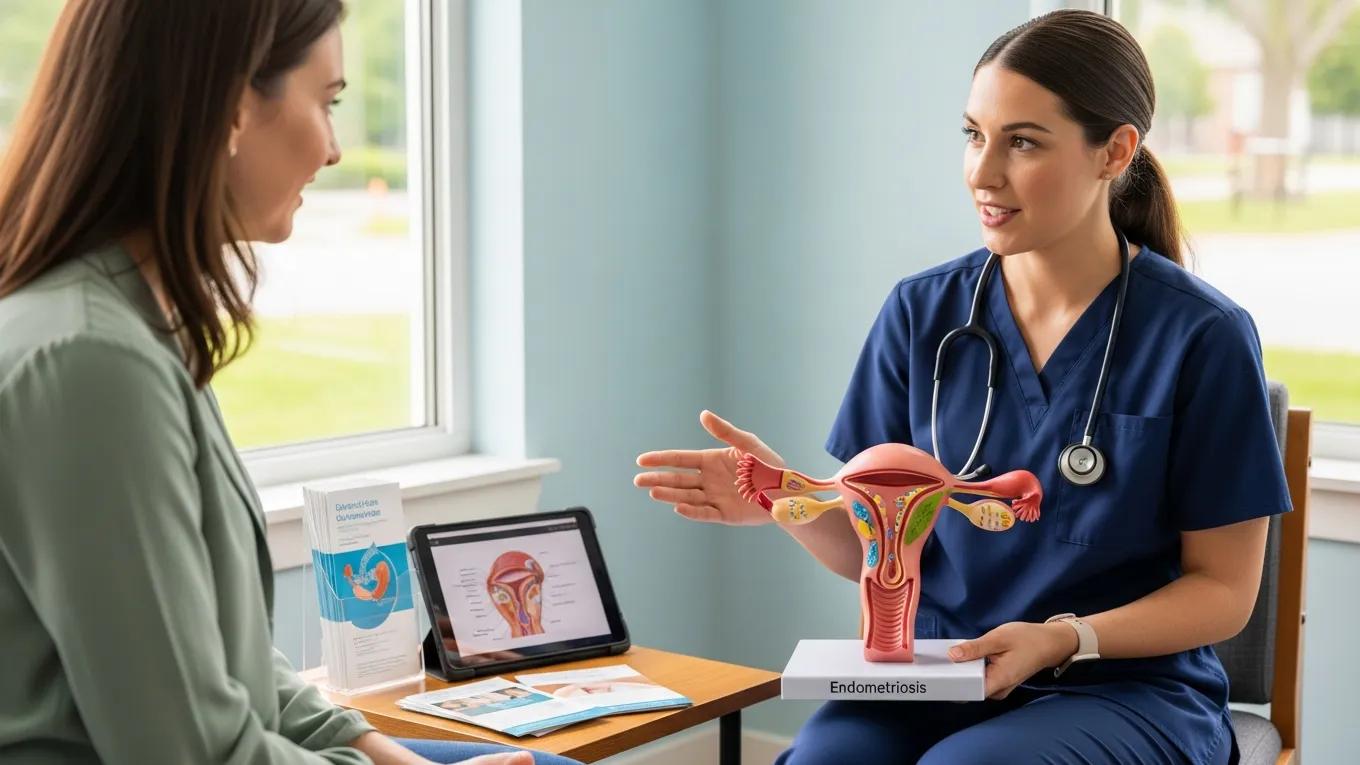
Managing inflammation-related symptoms in endometriosis usually means addressing the full symptom pattern rather than treating the immune system directly. Endometriosis care may include pain management, hormonal treatment, pelvic floor physical therapy, supportive lifestyle strategies, and surgical evaluation when appropriate. The goal is to reduce symptom flares, improve daily function, and support long-term quality of life.
There is no single immune-system treatment that works for every patient with endometriosis. Because symptoms can be influenced by pain, hormones, inflammation, sleep, stress, bowel or bladder symptoms, fatigue, and other health conditions, care should be individualized. Patients should also avoid assuming that supplements, restrictive diets, or “immune-boosting” treatments can replace medical evaluation.
Treating Pelvic Pain and Inflammation-Related Symptoms
Pelvic pain may be influenced by inflammatory signaling, lesion location, nerve sensitivity, pelvic floor muscle tension, adhesions, bowel or bladder symptoms, and hormonal changes. Treatment may include anti-inflammatory pain relief when appropriate, hormonal therapy, pelvic floor physical therapy, heat therapy, lifestyle support, or other physician-guided options.
The best approach depends on the patient’s symptoms and goals. For example, a patient with severe cycle-related pain may need a different plan than someone with chronic pelvic pain throughout the month, painful sex, bowel symptoms, or fertility concerns.
Medical, Surgical, and Supportive Treatment Options
Medical treatment may help reduce cycle-related flares, bleeding, inflammation-related pain, and symptom severity. Hormonal options may be considered for some patients, while others may need non-hormonal pain strategies, especially if they are trying to conceive or cannot tolerate certain medications.
For selected patients, minimally invasive surgery may be considered when symptoms are severe, imaging suggests endometriosis, fertility planning requires more information, or symptoms have not improved with conservative care. Surgery may reduce lesion burden and improve pain for appropriate candidates, but it should not be described as a direct immune-system treatment.
Supportive care can also play a role. Sleep, stress management, balanced nutrition, movement within tolerance, and treatment of overlapping conditions may help reduce overall symptom burden. These strategies work best as part of a comprehensive care plan, not as a substitute for endometriosis treatment.
Why Care Should Be Individualized
Patients should consider specialist evaluation when endometriosis symptoms are persistent, worsening, difficult to manage, or affecting daily life. This is especially important when pelvic pain occurs with fatigue, inflammatory flares, bowel or bladder symptoms, painful sex, fertility concerns, or symptoms that have not improved with standard care. patient’s pain pattern, menstrual history, imaging, prior treatments, medication tolerance, fertility goals, fatigue, sleep quality, bowel and bladder symptoms, and quality-of-life impact. This helps create a treatment plan that addresses the whole clinical picture rather than focusing on inflammation alone.
When Should You Talk to a Specialist?

Patients should consider specialist evaluation when endometriosis symptoms are persistent, worsening, difficult to manage, or affecting daily life. This is especially important when pelvic pain occurs with fatigue, inflammatory flares, bowel or bladder symptoms, painful sex, fertility concerns, or symptoms that have not improved with standard care. A specialist can help determine whether symptoms may be related to endometriosis, another pelvic pain condition, an immune-mediated condition, or several overlapping factors. The goal is to avoid assumptions and build a care plan based on the patient’s full symptom pattern.
Pelvic Pain With Fatigue, Flares, or Systemic Symptoms
Pelvic pain should be evaluated when it is severe, recurring, or associated with symptoms such as intense fatigue, worsening flares, heavy bleeding, poor sleep, bowel symptoms, bladder discomfort, or pain during sex. These symptoms may reflect a more complex endometriosis pattern or another condition that needs attention. Patients should also mention symptoms that feel more systemic, such as frequent exhaustion, body aches, low-grade fevers, swollen lymph nodes, rashes, joint swelling, or unexplained weight changes. These symptoms should not automatically be blamed on endometriosis, but they can help guide further evaluation.
Known Autoimmune Disease or Recurrent Unexplained Symptoms
Patients with a personal or family history of autoimmune disease should tell their endometriosis specialist. This information may affect evaluation, medication choices, referrals, and overall care planning. Recurrent unexplained symptoms should also be discussed. These may include repeated fevers, persistent fatigue, recurring infections, unexplained inflammation markers, unusual rashes, joint swelling, severe dry eyes or dry mouth, or symptoms that do not fit the usual endometriosis pattern. In some cases, referral to a rheumatologist, immunologist, gastroenterologist, urologist, or another specialist may be appropriate.
Symptoms That Do Not Improve With Standard Care
Specialist care may be helpful when symptoms continue despite over-the-counter pain relief, hormonal therapy, prior surgery, lifestyle changes, or general gynecologic care. Persistent symptoms do not always mean treatment has failed, but they may signal that the diagnosis, contributing factors, or treatment plan should be reassessed. At the Endometriosis Center of Excellence, Dr. Rachael Ann Haverland evaluates pelvic pain, menstrual symptoms, fatigue, fertility goals, prior treatments, imaging, and quality-of-life concerns together. This whole-patient approach helps identify the most appropriate next steps for patients with suspected or confirmed endometriosis.
Frequently Asked Questions
Is endometriosis caused by a weak immune system?
Endometriosis is not simply caused by a weak immune system. Researchers believe immune-system activity may play a role in how endometriosis develops, persists, and causes inflammation, but the condition is much more complex than immune weakness alone. Endometriosis involves interactions between hormones, inflammatory signaling, immune cells, genetics, pain pathways, pelvic tissue changes, and possibly the microbiome. Having endometriosis does not automatically mean the body cannot fight infections.
Is endometriosis an autoimmune disease?
Endometriosis is not currently classified as an autoimmune disease. Autoimmune diseases occur when the immune system mistakenly attacks the body’s own tissues. Endometriosis is better understood as a chronic inflammatory condition involving endometriosis-like tissue outside the uterus, immune activity, hormonal influence, and pain signaling. Some studies suggest endometriosis may be associated with certain autoimmune or immune-mediated conditions, but association does not mean endometriosis itself is autoimmune. Patients with symptoms such as joint swelling, recurring rashes, unexplained fevers, severe dry eyes or dry mouth, or abnormal immune-related bloodwork should discuss further evaluation with a clinician.
Can endometriosis cause inflammation throughout the body?
Endometriosis is associated with inflammatory activity, especially in the pelvic environment. Some patients also report symptoms such as fatigue, body aches, flares, or feeling generally unwell, but these symptoms can have many causes. It is more accurate to say that endometriosis may contribute to an inflammatory symptom burden rather than claiming it always causes body-wide inflammation. Persistent fatigue, fevers, unexplained weight changes, swollen lymph nodes, or worsening systemic symptoms should be evaluated separately.
Does endometriosis make infections more likely?
Endometriosis does not automatically mean a person is immunocompromised or more likely to develop infections. Some patients may feel run down because of pain, fatigue, poor sleep, heavy bleeding, stress, or medication effects, but recurrent infections should not be assumed to be caused by endometriosis. Patients should talk with a healthcare provider if they have frequent infections, repeated fevers, recurrent urinary symptoms, slow-healing infections, infections requiring repeated antibiotics, or symptoms that feel unusual for them.
Can treating endometriosis improve immune symptoms?
Endometriosis treatment may help reduce pain, flares, fatigue, and inflammation-related symptoms for some patients, especially when symptoms are connected to pelvic disease activity, menstrual cycles, or chronic pain. However, endometriosis treatment should not be described as a direct immune-system treatment. If symptoms suggest another immune, autoimmune, infectious, or inflammatory condition, those concerns should be evaluated separately. A comprehensive care plan may include endometriosis treatment along with referrals or testing for other conditions when appropriate.
Conclusion
Endometriosis is closely connected with inflammation and immune-system activity, but it should not be simplified as a weak immune system or classified as an autoimmune disease. Researchers are still studying how immune cells, inflammatory signals, hormones, pain pathways, and other factors interact in the development and persistence of endometriosis.
For patients, the most important takeaway is that immune and inflammatory symptoms should be evaluated in context. Pelvic pain, painful periods, fatigue, flares, bowel or bladder symptoms, painful sex, and fertility concerns may be related to endometriosis, but recurrent infections, fevers, rashes, joint swelling, or unexplained systemic symptoms may need separate evaluation.
At the Endometriosis Center of Excellence, Dr. Rachael Ann Haverland takes a whole-patient approach to care. By considering pelvic pain, menstrual symptoms, fatigue, prior treatments, fertility goals, imaging, and quality-of-life concerns together, patients can receive a treatment plan tailored to their individual needs. If endometriosis symptoms, inflammatory flares, fatigue, or unexplained health concerns are affecting your daily life, a specialist evaluation can help clarify what may be contributing and what treatment options may be appropriate.