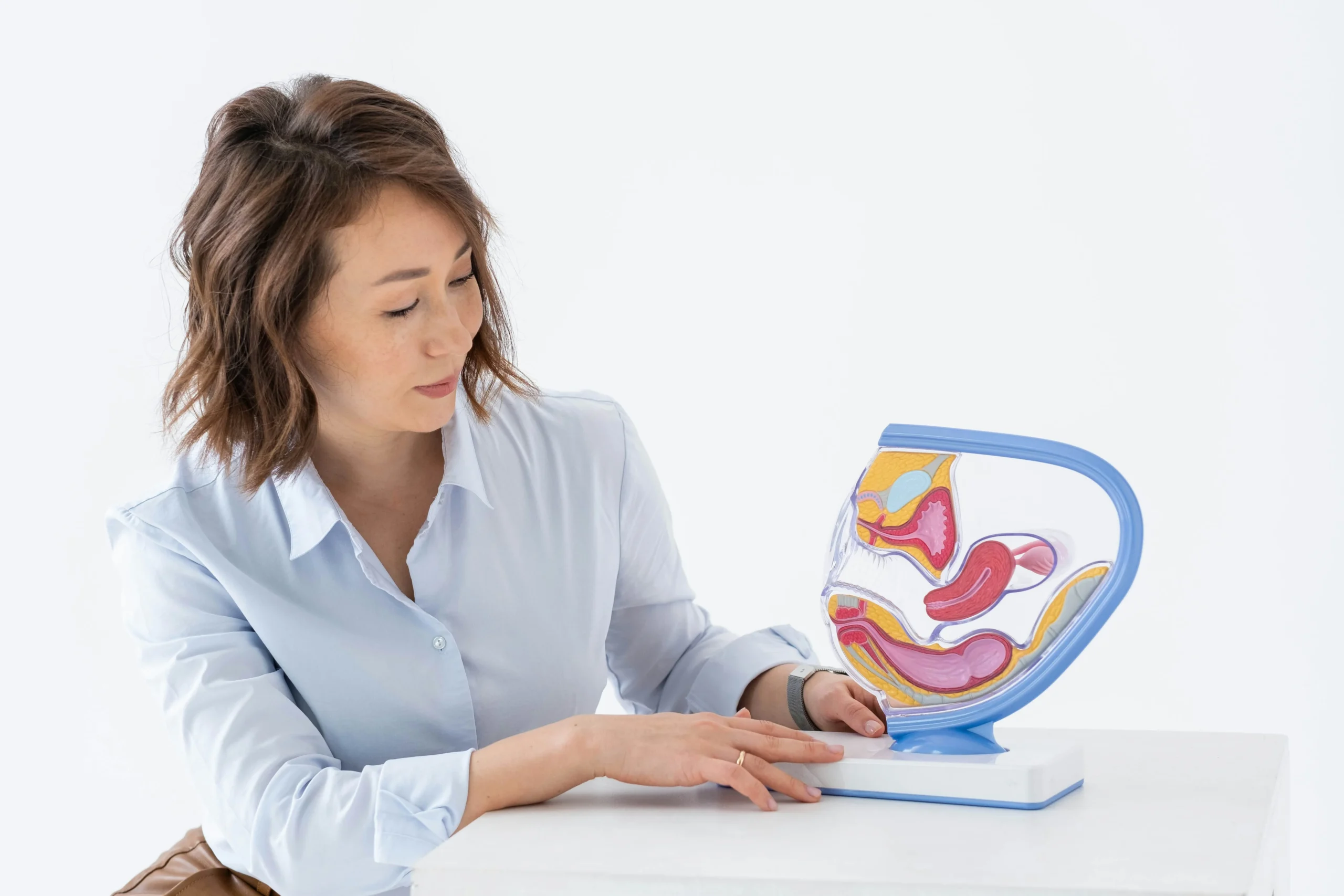
Accurate diagnosis is crucial for effective management of endometriosis. This section discusses the various diagnostic techniques, including physical examination, imaging tests, and laparoscopy, and provides an overview of the different stages of endometriosis based on the severity of the condition.
Understanding the stage of endometriosis helps healthcare providers develop personalized treatment plans. Factors such as the location, depth, and extent of the endometrial lesions are considered when determining the stage, which ranges from minimal to severe. Knowing the stage enables patients to make informed decisions about their care and explore appropriate treatment options.
Endometriosis and Fertility Considerations
Endometriosis can have a significant impact on a woman's fertility. This section explores the relationship between endometriosis and infertility, discussing the potential factors that contribute to reduced fertility, such as anatomical distortions, hormonal imbalances, and inflammatory responses.
Patients with endometriosis may require specialized fertility treatments, including assisted reproductive technologies, to improve their chances of conception. The section also provides guidance on discussing fertility concerns with healthcare providers and navigating the complex landscape of endometriosis-related infertility management.
Endometriosis Pain Management Strategies
Managing the pain associated with endometriosis is a crucial aspect of patient care. This section delves into various pain management techniques, including pharmacological interventions, such as pain medications and hormonal therapies, as well as non-pharmacological approaches, such as physical therapy, acupuncture, and lifestyle modifications.
The section emphasizes the importance of a multidisciplinary approach to pain management, where healthcare providers work collaboratively to develop personalized pain management plans that address the unique needs and preferences of each patient. By exploring a range of pain management strategies, individuals with endometriosis can find effective ways to alleviate their symptoms and improve their quality of life.
Endometriosis and Comorbidities
Endometriosis is often accompanied by other medical conditions, known as comorbidities. This section explores the potential connections between endometriosis and various comorbidities, such as chronic pelvic pain, gastrointestinal disorders, neurological conditions, and mental health issues.
Understanding the relationship between endometriosis and comorbidities is crucial for comprehensive patient care. By addressing these associated conditions, healthcare providers can develop a more holistic approach to managing endometriosis and improving the overall well-being of individuals living with this complex disease.
Accurate diagnosis is crucial for effective management of endometriosis. This section discusses the various diagnostic techniques, including physical examination, imaging tests, and laparoscopy, and provides an overview of the different stages of endometriosis based on the severity of the condition.
Understanding the stage of endometriosis helps healthcare providers develop personalized treatment plans. Factors such as the location, depth, and extent of the endometrial lesions are considered when determining the stage, which ranges from minimal to severe. Knowing the stage enables patients to make informed decisions about their care and explore appropriate treatment options.
Endometriosis and Fertility Considerations
Endometriosis can have a significant impact on a woman's fertility. This section explores the relationship between endometriosis and infertility, discussing the potential factors that contribute to reduced fertility, such as anatomical distortions, hormonal imbalances, and inflammatory responses.
Patients with endometriosis may require specialized fertility treatments, including assisted reproductive technologies, to improve their chances of conception. The section also provides guidance on discussing fertility concerns with healthcare providers and navigating the complex landscape of endometriosis-related infertility management.
Endometriosis Pain Management Strategies
Managing the pain associated with endometriosis is a crucial aspect of patient care. This section delves into various pain management techniques, including pharmacological interventions, such as pain medications and hormonal therapies, as well as non-pharmacological approaches, such as physical therapy, acupuncture, and lifestyle modifications.
The section emphasizes the importance of a multidisciplinary approach to pain management, where healthcare providers work collaboratively to develop personalized pain management plans that address the unique needs and preferences of each patient. By exploring a range of pain management strategies, individuals with endometriosis can find effective ways to alleviate their symptoms and improve their quality of life.
Endometriosis and Comorbidities
Endometriosis is often accompanied by other medical conditions, known as comorbidities. This section explores the potential connections between endometriosis and various comorbidities, such as chronic pelvic pain, gastrointestinal disorders, neurological conditions, and mental health issues.
Understanding the relationship between endometriosis and comorbidities is crucial for comprehensive patient care. By addressing these associated conditions, healthcare providers can develop a more holistic approach to managing endometriosis and improving the overall well-being of individuals living with this complex disease.