Understanding the Endometriosis Condition
Endometriosis is a chronic and often debilitating condition where the endometrial tissue, which normally lines the inside of the uterus, grows outside of the uterus on other organs. This can cause severe pelvic pain, heavy menstrual bleeding, and other symptoms that can significantly impact a person's quality of life.
Endometriosis is a complex and multifaceted condition, and its causes are not fully understood. However, research suggests that factors such as genetics, hormonal imbalances, and immune system dysfunction may play a role in its development.
Navigating the Endometriosis Treatment Landscape
There are a variety of treatment options available for individuals with endometriosis, ranging from medication to surgical interventions. The most appropriate treatment plan will depend on the severity of the condition, the individual's symptoms, and their overall health and lifestyle.
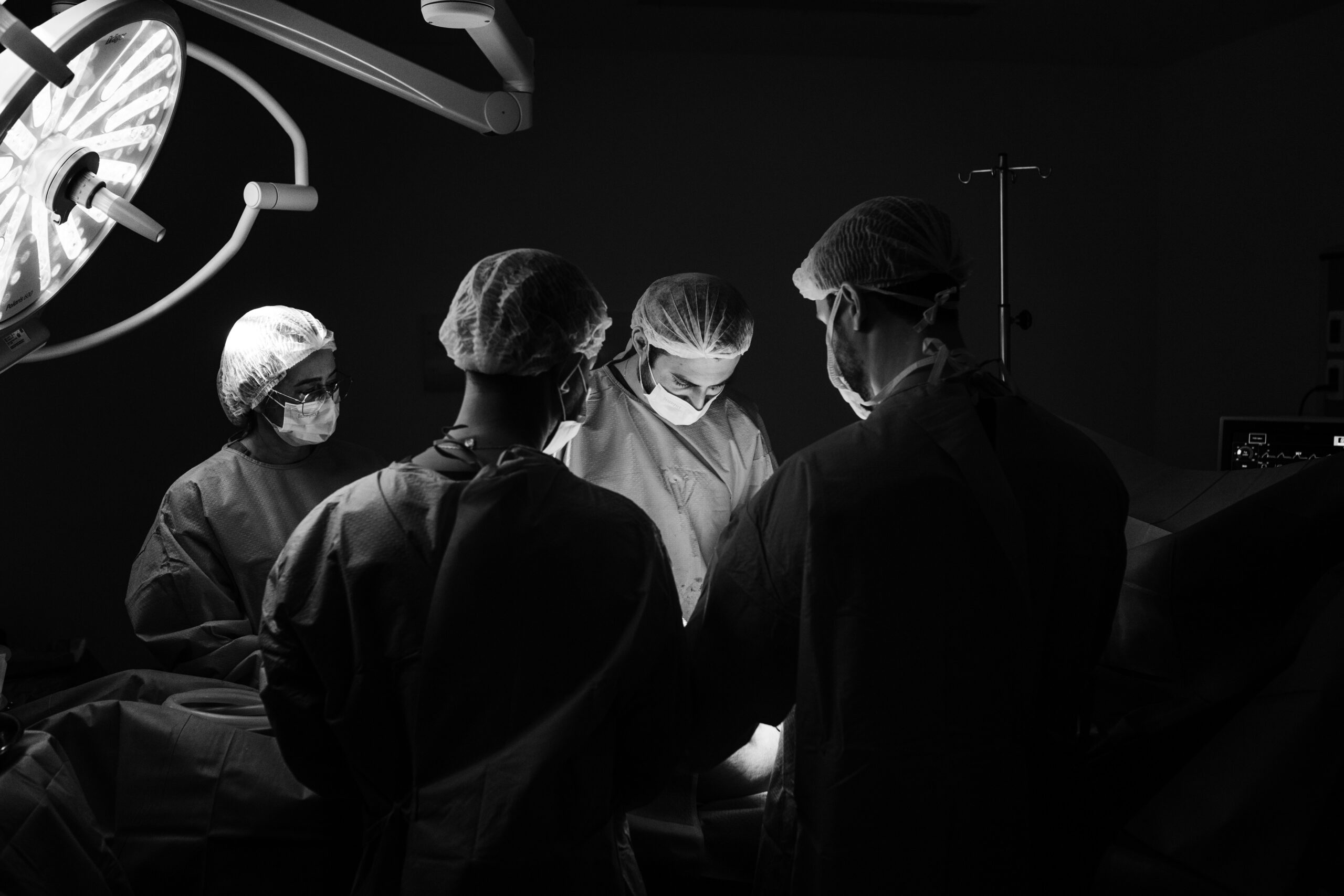
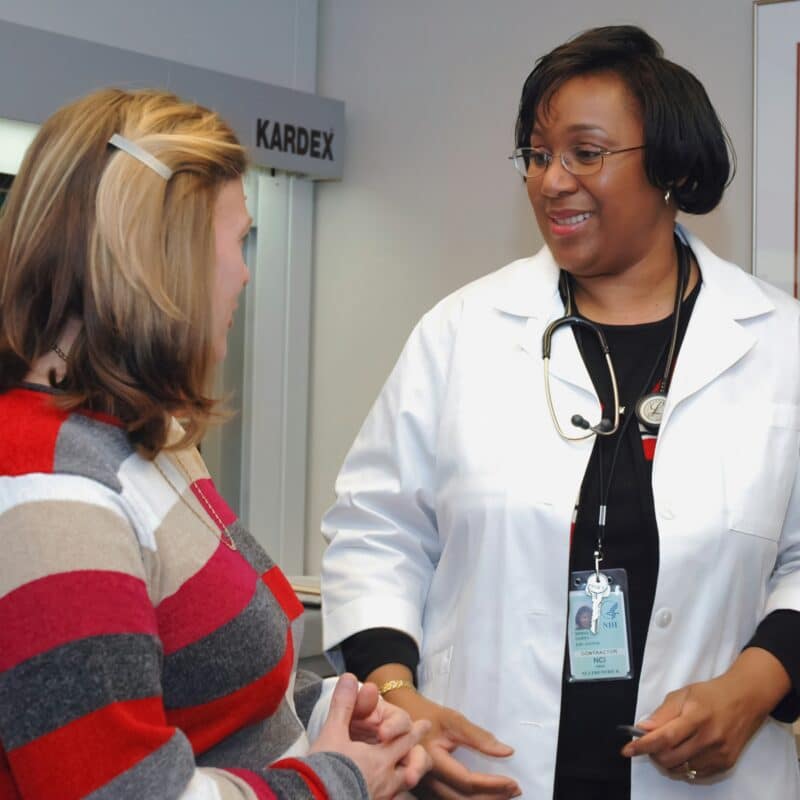
Some common treatment approaches include pain management medications, hormonal therapy, and laparoscopic surgery to remove endometrial implants. It's important for individuals with endometriosis to work closely with their healthcare providers to develop a personalized treatment plan that addresses their unique needs and goals.
Building a Support Network for Endometriosis
Living with endometriosis can be a challenging and isolating experience, but it's important to remember that you are not alone. There are numerous resources and support communities available to help individuals with endometriosis navigate their journey.
These resources may include online forums, support groups, and advocacy organizations that can provide emotional support, practical advice, and information on the latest research and treatment options. Connecting with others who understand the daily challenges of endometriosis can be a crucial part of the healing process.
Strategies for Coping with Endometriosis Symptoms
In addition to medical treatment, there are a variety of lifestyle and self-care strategies that can help individuals with endometriosis manage their symptoms and improve their overall quality of life.
These strategies may include pain management techniques, such as heat therapy or relaxation exercises, as well as dietary changes and stress-reducing activities. By incorporating a comprehensive approach to care, individuals with endometriosis can learn to better manage their condition and find ways to thrive despite the challenges they face.