Living with endometriosis can be frustrating, especially when pelvic pain affects your period, work, relationships, fertility, or daily routine. Many patients spend years trying to understand whether their symptoms are normal, hormonal, digestive, or connected to a deeper pelvic condition. Asking the right questions during a specialist visit can help you better understand your diagnosis and treatment options.
For patient, preparing for an endometriosis consultation can make the appointment more productive. A specialist can help explain what may be causing pelvic pain, whether additional testing is needed, and which treatment options may fit your symptoms and goals. Bringing organized questions helps you advocate for yourself and leave the visit with clearer next steps. Read more in Choosing Your Endometriosis Specialist: A Guide to Finding the Right Fit.
Questions About Endometriosis Pelvic Pain

Endometriosis pelvic pain can vary from mild discomfort to severe, life-disrupting pain. It may happen during periods, intercourse, bowel movements, urination, or daily activities. Understanding why the pain is happening is the first step toward better care.
What Could Be Causing My Pelvic Pain?
Ask the specialist whether your pain pattern could be related to endometriosis, adhesions, inflammation, ovarian cysts, pelvic floor dysfunction, bowel involvement, bladder symptoms, or another condition. Endometriosis can affect nearby tissues and nerves, which may explain pain that feels deep, radiating, or difficult to pinpoint.
Are My Symptoms Consistent With Endometriosis?
Important symptoms to discuss include painful periods, chronic pelvic pain, painful intercourse, heavy bleeding, pain with bowel movements, urinary discomfort, bloating, fatigue, and fertility concerns. Ask whether your symptoms fit a common endometriosis pattern or whether other conditions should also be considered.
When Should Pelvic Pain Be Treated as Urgent?
Ask which symptoms should prompt faster medical attention. Severe pain, sudden worsening, unusual bleeding, fever, vomiting, fainting, or new bowel or urinary problems may need timely evaluation. Knowing the warning signs can help you respond appropriately if symptoms change.
Questions About Diagnosis and Testing

An endometriosis diagnosis often requires a careful review of symptoms, physical examination, imaging, and sometimes a minimally invasive surgery. Because imaging does not always show every case, it is important to understand what each test can and cannot confirm.
What Tests Do I Need?
Ask whether you need a pelvic exam, ultrasound, MRI, bloodwork, or additional evaluation for bowel, bladder, or pelvic floor symptoms. The specialist should explain why each test is recommended and what information it may provide. This helps you understand the diagnostic plan instead of feeling like tests are being ordered without context.
Can Imaging Rule Out Endometriosis?
Ultrasound and MRI can help identify ovarian endometriomas, deep disease, fibroids, cysts, or other pelvic conditions. However, normal imaging does not always rule out endometriosis. Ask your specialist how they interpret imaging results and what the next step would be if symptoms continue despite normal scans.
Is Laparoscopy Needed for Diagnosis?
Laparoscopy allows the surgeon to look inside the pelvis and evaluate suspected endometriosis directly. In some cases, lesions can be removed during the same procedure. Ask whether laparoscopy is appropriate for your case, what the benefits and risks are, and whether surgery would be diagnostic, therapeutic, or both.
Questions About Treatment Options
Treatment should be based on your symptoms, diagnosis, fertility goals, pain severity, and prior response to medications. Some patients benefit from medical management, while others may need surgery or a multidisciplinary plan.
What Non-Surgical Treatments Are Available?
Ask about hormonal therapies, anti-inflammatory medications, pelvic floor physical therapy, lifestyle support, pain management strategies, and mental health support for chronic pain. These options may help manage symptoms, but the right plan depends on your body, goals, and tolerance for side effects.
Would Surgery Help My Symptoms?
If your pain is severe, persistent, or not improving with conservative care, ask whether surgery may be appropriate. Minimally invasive laparoscopic surgery may be used to evaluate and remove endometriosis lesions. Ask what type of surgery the specialist recommends and how it may affect pain, recovery, and long-term symptom control.
What Is the Difference Between Excision and Ablation?
Excision removes endometriosis lesions, while ablation destroys tissue on the surface. Ask which technique the specialist uses, why they prefer it, and how they handle deep or complex disease. This question is especially important for patients with severe pelvic pain, suspected deep endometriosis, or fertility concerns. You may also find Questions to Ask Your Doctor for Accurate Endometriosis Diagnosis helpful.
Questions About Fertility and Quality of Life
Endometriosis can affect fertility, sexual health, energy levels, and emotional well-being. Even if pregnancy is not an immediate goal, it is important to discuss how treatment may affect future options and daily quality of life.
Could Endometriosis Affect My Fertility?
Ask whether your symptoms, imaging, or surgical findings suggest possible fertility involvement. Endometriosis may affect fertility in different ways, including inflammation, adhesions, ovarian cysts, or changes in pelvic anatomy. Early discussion can help you make informed decisions about timing and treatment. Read more in Essential Questions to Ask During Endometriosis Assessments.
How Can Treatment Support My Daily Life?
Ask how each treatment option may affect pain, work, exercise, intimacy, sleep, and daily function. The goal is not only to reduce symptoms, but also to help you function better. A good care plan should consider your lifestyle and what improvement would realistically look like for you.
Do I Need Multidisciplinary Care?
Some patients benefit from a team approach that may include pelvic floor physical therapy, fertility specialists, pain management, gastrointestinal care, urology, or mental health support. Ask whether your symptoms suggest the need for additional specialists. This can be especially helpful when pain involves bowel, bladder, back, hip, or nerve symptoms.
Questions About Choosing the Right Specialist

Choosing an endometriosis specialist matters because the condition can be complex and symptoms may overlap with other diagnoses. Patients should feel comfortable asking about training, experience, surgical approach, and follow-up care.
What Is Your Experience With Endometriosis Surgery?
Ask how often the specialist treats endometriosis, what types of cases they manage, and whether they handle complex or deep disease. Experience can be especially important when lesions involve sensitive areas near the bowel, bladder, pelvic ligaments, or nerves.
Are You Fellowship-Trained in Minimally Invasive Surgery?
Fellowship training can provide advanced surgical experience in complex pelvic conditions and minimally invasive techniques. Ask about the specialist’s training, certifications, and approach to endometriosis care. This can help you understand whether their experience fits your needs. You may also find Essential Questions to Ask Your Doctor for Endometriosis Care helpful.
What Should I Expect After Treatment?
Ask about recovery, follow-up visits, symptom monitoring, recurrence risk, fertility planning, and long-term management. Endometriosis often requires ongoing care, even after surgery. Clear expectations can help you feel more prepared and avoid confusion after treatment begins.
How to Prepare for Your Endometriosis Consultation
A well-prepared consultation can help your specialist understand your symptoms faster and recommend a more personalized plan. You do not need to have perfect records, but bringing useful information can make the visit more productive.
Bring a Symptom Diary
Track when pain happens, how severe it is, where it occurs, and whether it connects to your period, intercourse, bowel movements, urination, or physical activity. Note what helps and what makes symptoms worse. This pattern can give the specialist important clues.
Gather Medical Records
Bring prior imaging, surgery reports, lab results, medication lists, and treatment history. If you have tried hormonal therapy, pain medication, pelvic floor therapy, or previous surgery, write down how you responded. This helps avoid repeating steps that did not work.
Schedule Specialized Care
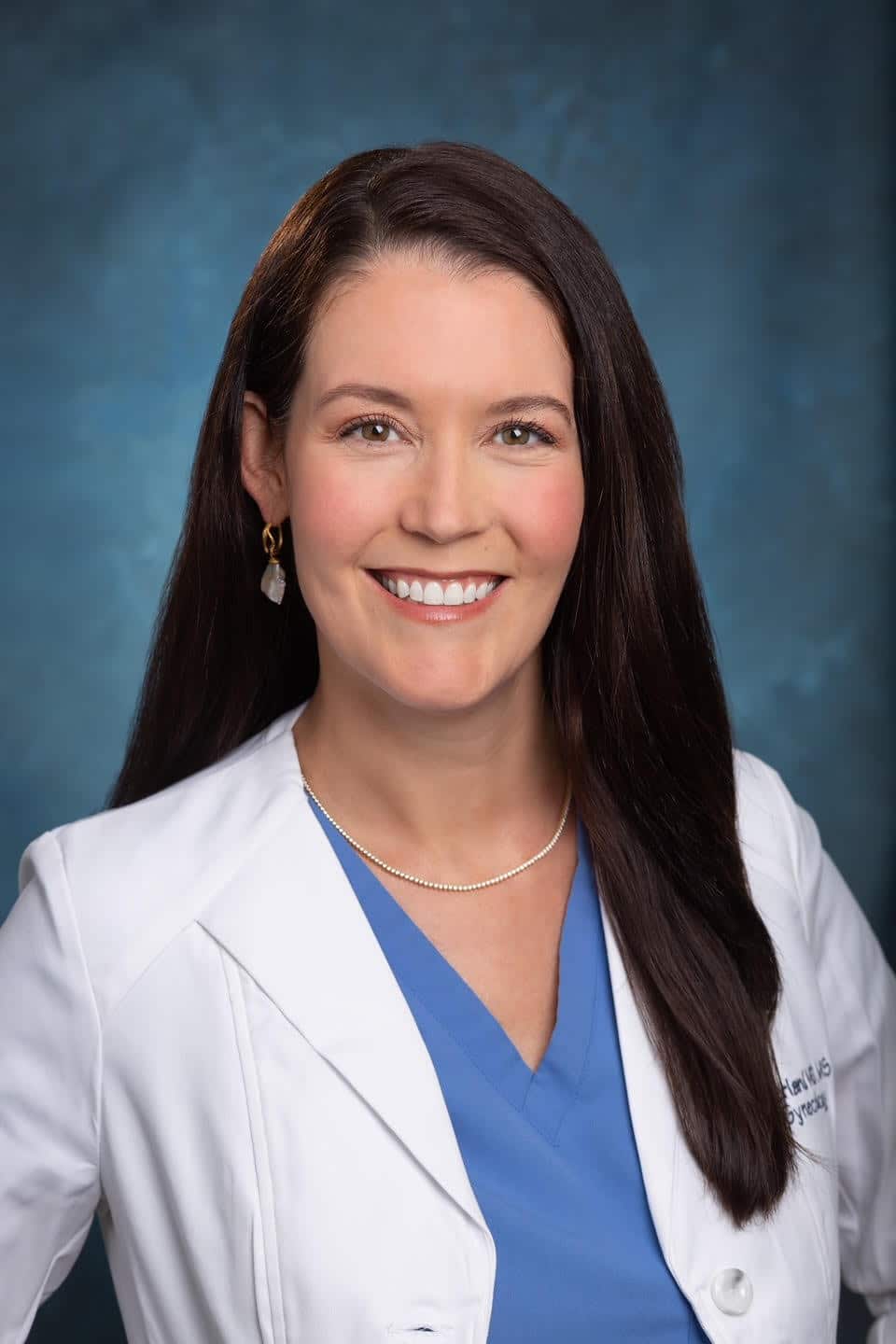
Patients with severe periods, chronic pelvic pain, painful intercourse, fertility concerns, or bowel and bladder symptoms should consider specialist evaluation. Dr. Rachael Haverland provides endometriosis-focused care, including diagnostic evaluation, treatment planning, minimally invasive surgery, and support for complex pelvic pain. For more detail, see our article When Should You See a Doctor for Pelvic Pain.
You can read more about Dr. Rachael Haverland and her approach to endometriosis care.
Conclusion
Understanding and effectively managing endometriosis can significantly improve quality of life and overall well-being. Engaging with a specialist and asking the right questions ensures you gain valuable insights tailored to your unique situation. By taking proactive steps in your care, you can navigate treatment options with confidence and clarity. Schedule your consultation with us today to explore personalized solutions for your endometriosis journey.