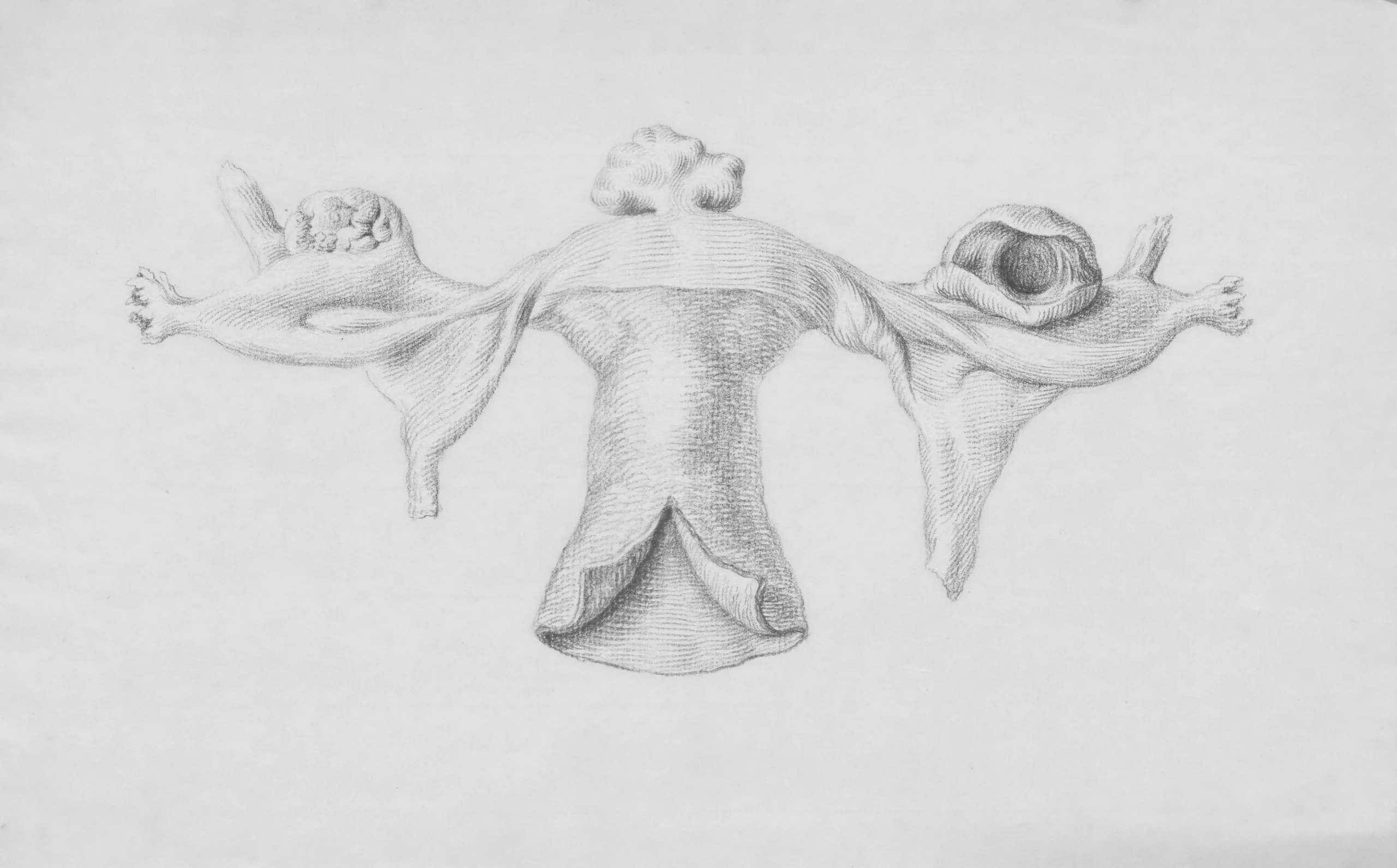
Endometriosis Diagnosis and Symptom Evaluation Understanding the symptoms and diagnostic process for endometriosis is crucial for timely treatment and management. This section will explore the common signs of endometriosis, the importance of early diagnosis, and the various diagnostic methods available. Endometriosis can present with a wide range of symptoms, including pelvic pain, heavy or irregular menstrual bleeding, painful intercourse, and infertility. Recognizing these symptoms and seeking medical evaluation is essential for obtaining an accurate diagnosis and initiating appropriate treatment. Surgical and Non-Surgical Endometriosis Treatment Options Endometriosis treatment can involve a combination of surgical and non-surgical approaches, depending on the severity of the condition and the individual's specific needs. This section will provide an overview of the available treatment options, including their benefits, risks, and suitability for different stages of the disease. Surgical interventions, such as laparoscopic excision or ablation of endometrial lesions, can help alleviate symptoms and reduce the progression of the disease. Non-surgical options, including hormonal therapy, pain medication, and lifestyle modifications, can also play a significant role in managing endometriosis and improving the quality of life for patients. Endometriosis and Fertility Considerations Endometriosis can have a significant impact on a woman's fertility, and addressing this connection is crucial for patients who desire pregnancy. This section will explore the relationship between endometriosis and fertility, including the potential effects on IVF success rates and strategies for improving fertility outcomes. Factors such as the location and extent of endometrial implants, the presence of adhesions, and the individual's response to fertility treatments can all influence the chances of conception for endometriosis patients. Understanding these considerations and exploring tailored fertility solutions can help patients make informed decisions and increase their chances of successful pregnancy. Emotional and Psychological Aspects of Endometriosis Living with endometriosis can have a profound impact on an individual's emotional and mental well-being. This section will delve into the emotional challenges associated with the condition, including the influence on anxiety, depression, and overall quality of life. Strategies for coping with the emotional and psychological aspects of endometriosis, such as mindfulness techniques, support groups, and mental health counseling, will be discussed. Addressing the emotional well-being of endometriosis patients is crucial for their overall health and the management of the condition.