

Rare and complex endometriosis occurs when endometriosis extends beyond commonly affected pelvic structures or deeply infiltrates surrounding organs, creating symptoms that are often difficult to recognize and diagnose. While many women associate endometriosis with painful periods and pelvic pain, complex cases may involve the bowel, bladder, diaphragm, nerves, or other structures, leading to symptoms that resemble gastrointestinal, urinary, neurological, or respiratory disorders. Because these presentations vary widely, patients frequently experience delayed diagnosis and years of unanswered questions. Understanding the warning signs of complex endometriosis, learning how specialists diagnose the condition, and exploring available treatment options can help patients access appropriate care sooner. With individualized evaluation and expert treatment, many women achieve meaningful symptom relief, improved daily function, and a better quality of life.
Understanding Rare and Complex Endometriosis

Although endometriosis commonly affects the ovaries, pelvic lining, and reproductive organs, some patients develop disease that extends beyond these areas. Complex endometriosis often involves deeper tissue infiltration or multiple organ systems, making diagnosis and treatment significantly more challenging.
Recognizing the unique nature of complex disease allows patients to seek specialized care before symptoms continue to progress.
What Makes Endometriosis Complex?
Complex endometriosis generally refers to advanced disease that affects structures beyond the superficial pelvic lining. Understanding where deep infiltrating endometriosis can develop can help explain how lesions may involve the bowel, bladder, ureters, diaphragm, pelvic nerves, or other organs.
The location of these lesions determines the symptoms patients experience. For example, bowel involvement may lead to digestive symptoms, while nerve involvement can cause pain radiating into the legs or lower back.
Because these symptoms frequently mimic other medical conditions, many patients spend years seeking answers before receiving an accurate diagnosis.
Why Early Recognition Is Important
Early recognition allows patients to begin treatment before chronic inflammation, scar tissue, and adhesions become more extensive. Prompt diagnosis may also reduce the physical and emotional burden associated with persistent pain and delayed treatment.
Patients who understand how symptoms relate to their menstrual cycle are often better equipped to communicate important details during medical evaluations.
Seeking specialized care early creates more opportunities for personalized treatment planning, making it important to understand how to choose an endometriosis specialist for complex disease.
Recognizing the Symptoms of Complex Endometriosis

Symptoms vary depending on which organs are affected and how deeply endometriosis has infiltrated surrounding tissues. While pelvic pain remains one of the most common complaints, many women experience symptoms that extend far beyond the reproductive system.
Understanding these symptoms helps patients recognize when further evaluation may be necessary.
Common Symptoms That Should Not Be Ignored
Although symptom severity differs from one patient to another, several warning signs commonly appear in complex endometriosis. These symptoms often become worse during the menstrual cycle but may eventually persist throughout the month.
Patients experiencing recurring symptoms that interfere with daily activities should seek evaluation from an experienced endometriosis specialist.
Common symptoms include:
Recognizing these symptoms early may help shorten the time to diagnosis and improve treatment outcomes. For more detail, see our article Endometriosis: Symptoms, Causes, and Treatment.
-
Chronic pelvic pain
-
Heavy menstrual bleeding
-
Severe fatigue
-
Pain during intercourse
-
Digestive or urinary symptoms linked to menstruation
-
Fertility concerns
Chronic pelvic pain
Heavy menstrual bleeding
Severe fatigue
Pain during intercourse
Digestive or urinary symptoms linked to menstruation
Fertility concerns
While these symptoms can occur in other conditions, their cyclical pattern often provides an important diagnostic clue.
Symptoms Beyond the Pelvis
Complex endometriosis may affect multiple body systems depending on where lesions develop. Patients may experience bowel pain, painful urination, chest pain, shoulder pain, leg pain, or neurological symptoms that initially appear unrelated to a gynecological condition.
Some women also develop chronic inflammation that contributes to fatigue, reduced mobility, digestive problems, and decreased quality of life. Because symptoms differ so widely, comprehensive evaluation is essential for identifying the underlying cause. Read more in Comprehensive Guide to Recognizing Endometriosis Symptoms.
Understanding that endometriosis can affect organs outside the pelvis helps explain why diagnosis is often delayed without specialized assessment.
How Rare and Complex Endometriosis Is Diagnosed

Accurate diagnosis begins with a detailed understanding of symptom patterns, menstrual history, and previous treatments. Since complex endometriosis frequently resembles other medical conditions, diagnosis often requires advanced imaging and evaluation by experienced specialists.
A comprehensive assessment provides the information needed to develop an individualized treatment plan.
Clinical Evaluation and Advanced Imaging
The diagnostic process starts with a detailed consultation covering pelvic pain, digestive symptoms, urinary complaints, fertility concerns, and the relationship between symptoms and the menstrual cycle. Physical examination findings are combined with imaging studies to evaluate disease extent.
Advanced imaging techniques such as pelvic MRI and transvaginal ultrasound help identify deep infiltrating endometriosis and assess involvement of nearby organs. Although imaging provides valuable information, not every lesion can be detected before surgery.
Healthcare providers interpret imaging results alongside the patient’s symptoms to improve diagnostic accuracy. You may also find Recognizing Endometriosis: Key Symptoms to Watch For helpful.
The Role of Laparoscopy and Specialist Evaluation
For many patients, minimally invasive laparoscopy remains the most reliable method for confirming complex endometriosis. The procedure allows surgeons to directly visualize lesions, determine disease severity, and often remove visible endometriosis during the same operation.
A comprehensive diagnostic evaluation may include:
Each component helps specialists understand the full extent of disease before recommending treatment.
-
Detailed medical and menstrual history
-
Pelvic examination
-
MRI or transvaginal ultrasound
-
Minimally invasive laparoscopic evaluation when appropriate
-
Assessment by an experienced multidisciplinary endometriosis team
Detailed medical and menstrual history
Pelvic examination
MRI or transvaginal ultrasound
Minimally invasive laparoscopic evaluation when appropriate
Assessment by an experienced multidisciplinary endometriosis team
Accurate diagnosis forms the foundation for personalized treatment and improves the likelihood of achieving long-term symptom relief.
Treatment Options for Rare and Complex Endometriosis
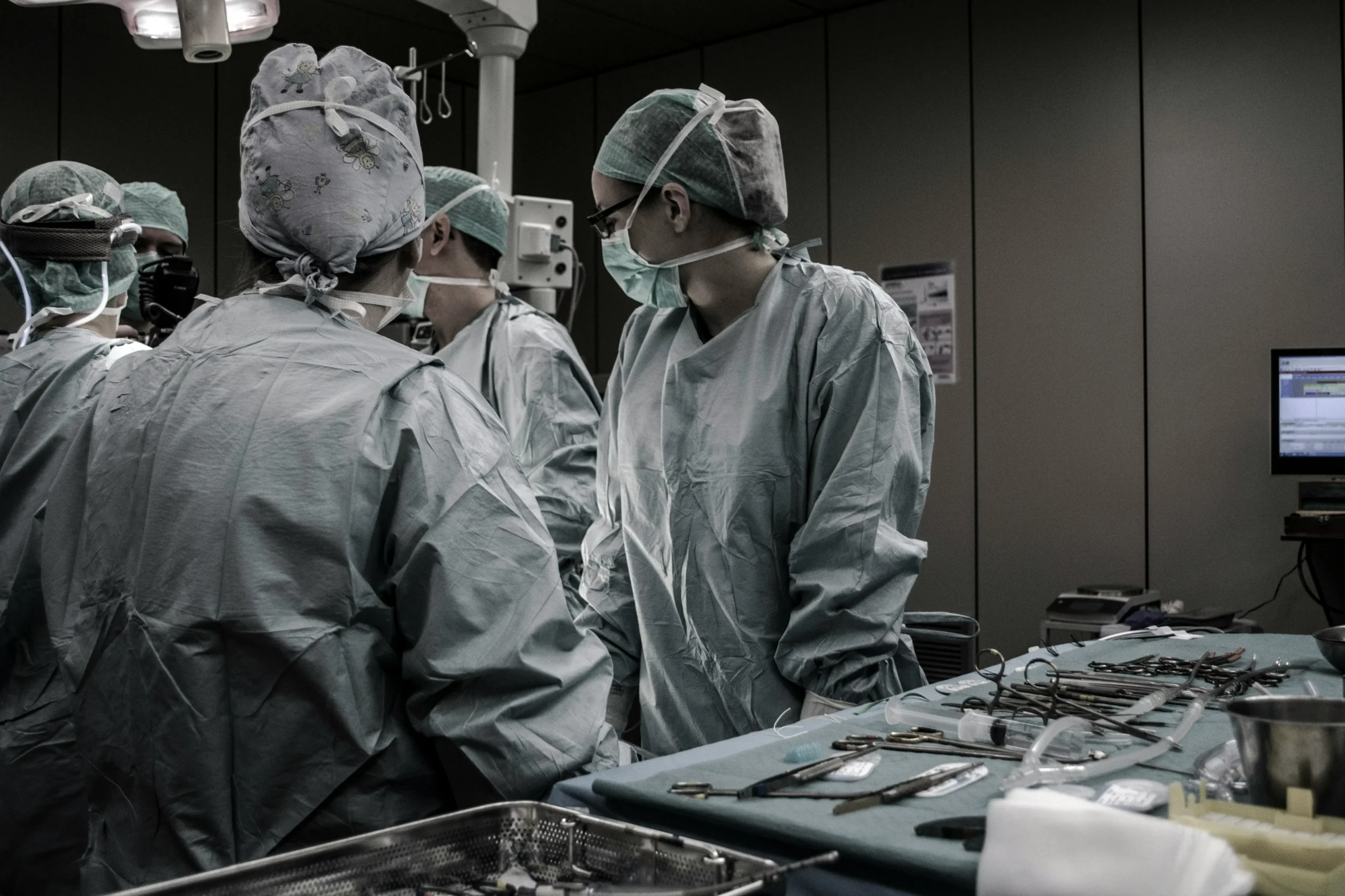
Treatment for rare and complex endometriosis depends on the location of the disease, symptom severity, fertility goals, and each patient’s overall health. Because no two patients experience the condition in the same way, treatment plans are individualized to relieve pain, preserve organ function, and improve long-term quality of life.
Specialized care is particularly important when endometriosis affects multiple organs or requires advanced surgical management.
Medical Management
For some patients, conservative treatment may help manage symptoms before surgery is considered. Hormonal therapies are commonly used to suppress disease activity, while pain management strategies can improve comfort during daily activities.
Medical treatment may also be recommended alongside lifestyle modifications and pelvic floor rehabilitation depending on the patient’s symptoms. Although these therapies may reduce symptom severity, they do not remove existing endometriosis lesions.
Regular follow-up allows healthcare providers to monitor disease progression and adjust treatment recommendations when necessary.
Minimally Invasive Excision Surgery
For patients with persistent symptoms or deep infiltrating disease, laparoscopic excision surgery is often considered the most effective treatment. Rather than simply controlling symptoms, excision surgery removes endometriosis lesions while preserving healthy surrounding tissue whenever possible.
Complex cases may require collaboration between specialists with expertise in minimally invasive gynecologic surgery, colorectal surgery, urology, or thoracic surgery depending on the organs involved. Careful surgical planning improves precision while helping protect fertility, organ function, and overall pelvic health.
Many patients experience meaningful improvements in pain, mobility, digestive function, urinary symptoms, and quality of life following successful excision surgery.
Why Specialized Care Makes a Difference

Managing rare and complex endometriosis requires more than treating symptoms alone. Because the disease may involve multiple organ systems, patients benefit from coordinated care provided by specialists experienced in diagnosing and treating advanced endometriosis. Read more in Recognizing the Early and Advanced Symptoms of Endometriosis.
A multidisciplinary approach ensures every aspect of the condition receives appropriate evaluation and management.
The Value of a Multidisciplinary Team
Complex endometriosis often requires collaboration between multiple healthcare professionals. Minimally invasive gynecologic surgeons, radiologists, pain specialists, pelvic floor therapists, fertility specialists, and other experts work together to create comprehensive treatment plans tailored to each patient’s needs.
This coordinated approach improves communication between specialists while ensuring treatment decisions consider both symptom relief and long-term health goals.
Patients also benefit from consistent follow-up that allows treatment plans to evolve as recovery progresses.
Personalized Care for Long-Term Success
Every patient experiences endometriosis differently, making personalized treatment essential. Healthcare providers evaluate disease location, imaging findings, fertility goals, previous treatments, and symptom severity before developing an individualized care plan.
Long-term management often includes ongoing monitoring, rehabilitation when appropriate, and education that empowers patients to recognize symptom changes early. Personalized care supports not only physical recovery but also emotional well-being and confidence throughout treatment.
Receiving specialized care helps patients make informed decisions while improving their overall quality of life.
Frequently Asked Questions
What Is Considered Complex Endometriosis?
Complex endometriosis refers to disease that deeply infiltrates tissues or affects organs such as the bowel, bladder, diaphragm, ureters, or pelvic nerves, often requiring specialized evaluation and treatment.
How Is Rare Endometriosis Diagnosed?
Diagnosis typically involves a detailed medical history, pelvic examination, advanced imaging such as MRI or ultrasound, and minimally invasive laparoscopy when necessary to confirm the presence and extent of disease.
Is Surgery Always Necessary?
Not always. Some patients achieve symptom relief through hormonal therapy and conservative management. Surgery is generally recommended when symptoms persist, organ function is affected, or deep infiltrating endometriosis is present.
Why Should I See an Endometriosis Specialist?
Specialists have experience recognizing uncommon disease patterns, coordinating multidisciplinary care, and performing advanced minimally invasive procedures for complex cases that may not be managed effectively through general treatment alone.
Taking the Next Step Toward Specialized Endometriosis Care
Rare and complex endometriosis can affect multiple organs, produce a wide range of symptoms, and significantly impact daily life when left untreated. Recognizing that endometriosis extends beyond typical pelvic pain is the first step toward receiving an accurate diagnosis and effective treatment. With comprehensive evaluation, advanced imaging, and personalized treatment planning, many patients experience meaningful improvements in symptom control, fertility outcomes, and overall quality of life. Read more in Recognizing Endometriosis Pain Symptoms: A Clear Guide.
At the Endometriosis Center of Excellence, our experienced multidisciplinary team specializes in diagnosing and treating even the most complex forms of endometriosis. Through advanced diagnostic evaluation, minimally invasive excision surgery, and individualized care plans, we help patients find lasting relief while protecting long-term reproductive and pelvic health. Schedule a consultation today to explore treatment options designed specifically for your unique needs and goals.