
Choosing the right endometriosis specialist is one of the most important decisions you can make after receiving an endometriosis diagnosis. Because this chronic condition often affects multiple organs and may require advanced surgical treatment, finding a physician with specialized training and extensive experience can significantly influence your long-term health, pain relief, fertility outcomes, and quality of life. While many gynecologists diagnose and treat endometriosis, complex cases frequently benefit from the expertise of a fellowship trained endometriosis surgeon who offers comprehensive, patient centered care. Understanding what qualifications to look for and what questions to ask during your consultation can help you confidently choose the specialist who best meets your needs. We cover this further in Choosing Your Endometriosis Specialist: A Guide to Finding the Right Fit.
What Qualifications Should an Endometriosis Specialist Have?

Finding the right surgeon involves evaluating education, surgical expertise, and commitment to providing individualized care. These factors often play a significant role in treatment success and long-term outcomes.
Fellowship Training and Advanced Surgical Expertise
Fellowship training provides surgeons with advanced education in minimally invasive laparoscopic surgery and the treatment of complex endometriosis. This specialized training develops a deeper understanding of pelvic anatomy and advanced surgical techniques that improve the ability to safely remove endometriosis while preserving healthy surrounding tissue. Patients treated by fellowship trained specialists often benefit from improved surgical precision and comprehensive disease management.
Board Certification and Clinical Experience
Board certification demonstrates that a physician has completed rigorous training in obstetrics and gynecology while maintaining high professional standards. Equally important is a surgeon’s experience treating endometriosis, particularly complex cases involving deep infiltrating disease. Specialists actively involved in clinical research, education, or advocacy often remain current with evolving treatment techniques and evidence based care.
Expertise in Minimally Invasive Surgery
Many leading endometriosis specialists perform minimally invasive laparoscopic excision surgery because it allows complete removal of endometriosis lesions while minimizing recovery time, postoperative pain, and surgical complications. When discussing treatment options, patients should ask whether the surgeon routinely performs laparoscopic excision and how that approach compares with alternative techniques for their specific condition. For more detail, see our article Pelvic Floor Physical Therapy: A Multidisciplinary Approach to Endometriosis Pain.
What Should You Expect During Your Consultation?

Your initial consultation provides an opportunity to evaluate not only the surgeon’s qualifications but also whether their communication style and treatment philosophy align with your personal health goals.
Preparing for Your Appointment
Bringing a detailed medical history, previous imaging studies, operative reports, and a symptom diary helps your specialist better understand your condition. Following an endometriosis consultation preparation checklist can help you organize important information before your appointment.
Preparing questions about treatment options, fertility concerns, recovery expectations, and long-term management also allows for a more productive discussion. Thorough preparation helps ensure the consultation addresses your individual needs.
Communication and Shared Decision Making
A qualified endometriosis specialist encourages open communication and actively involves patients in treatment decisions. Rather than offering a one size fits all solution, the physician should explain available treatment options, discuss benefits and risks, answer questions clearly, and incorporate your personal priorities into the treatment plan. Shared decision making builds trust and supports better long-term outcomes.
Comprehensive Diagnostic Evaluation
Accurate diagnosis is essential before developing a treatment plan. Depending on your symptoms, the specialist may recommend pelvic examinations, ultrasound, MRI, or other imaging studies to assess the extent of disease. For patients with suspected deep infiltrating endometriosis, advanced imaging can provide valuable information for surgical planning while helping determine whether additional specialists should participate in care. You may also find Understand Endometriosis Diagnosis from Leading Specialists helpful.
Choosing a Specialist Who Provides Comprehensive Care

Successful endometriosis treatment extends beyond surgery alone. Comprehensive care includes personalized treatment planning, multidisciplinary collaboration, and ongoing follow up tailored to each patient’s evolving needs.
Multidisciplinary Treatment Planning
Many patients benefit from coordinated care involving gynecologic surgeons, fertility specialists, pain management physicians, pelvic floor physical therapists, and radiologists. For complex cases, understanding when a multi-specialty endometriosis surgery team may be needed can help patients prepare for coordinated treatment. This multidisciplinary approach ensures that every aspect of the patient’s health is considered when developing a personalized treatment strategy, particularly for individuals with complex disease or fertility concerns.
Evaluating Surgical Outcomes and Credentials
When researching a specialist, consider their experience, patient outcomes, professional affiliations, research involvement, and commitment to evidence based care. Leading endometriosis centers often emphasize ongoing education, advanced surgical techniques, and continuous quality improvement to provide patients with the highest standard of care. Reviewing these credentials helps patients make informed decisions when selecting a surgeon.
Finding the Right Specialist Near You
Patients can identify qualified endometriosis specialists through professional medical associations, trusted physician referrals, healthcare organizations, and reputable online resources. Reading patient reviews, verifying board certification, and researching fellowship training can further assist in narrowing your options and selecting a provider with extensive experience treating endometriosis.
Frequently Asked Questions
Why is fellowship training important for endometriosis surgeons?
Fellowship training provides advanced education in minimally invasive surgery and complex pelvic anatomy, allowing surgeons to perform more comprehensive endometriosis excision procedures.
What surgical technique should an endometriosis specialist offer?
Many specialists consider laparoscopic excision surgery the preferred surgical treatment because it removes endometriosis lesions completely while preserving healthy surrounding tissue whenever possible.
What questions should I ask during my consultation?
Patients should discuss the surgeon’s experience, treatment recommendations, surgical techniques, expected recovery, fertility considerations, and long-term management plans. Bringing a prepared list of questions helps ensure important topics are addressed.
How can I verify a specialist’s qualifications?
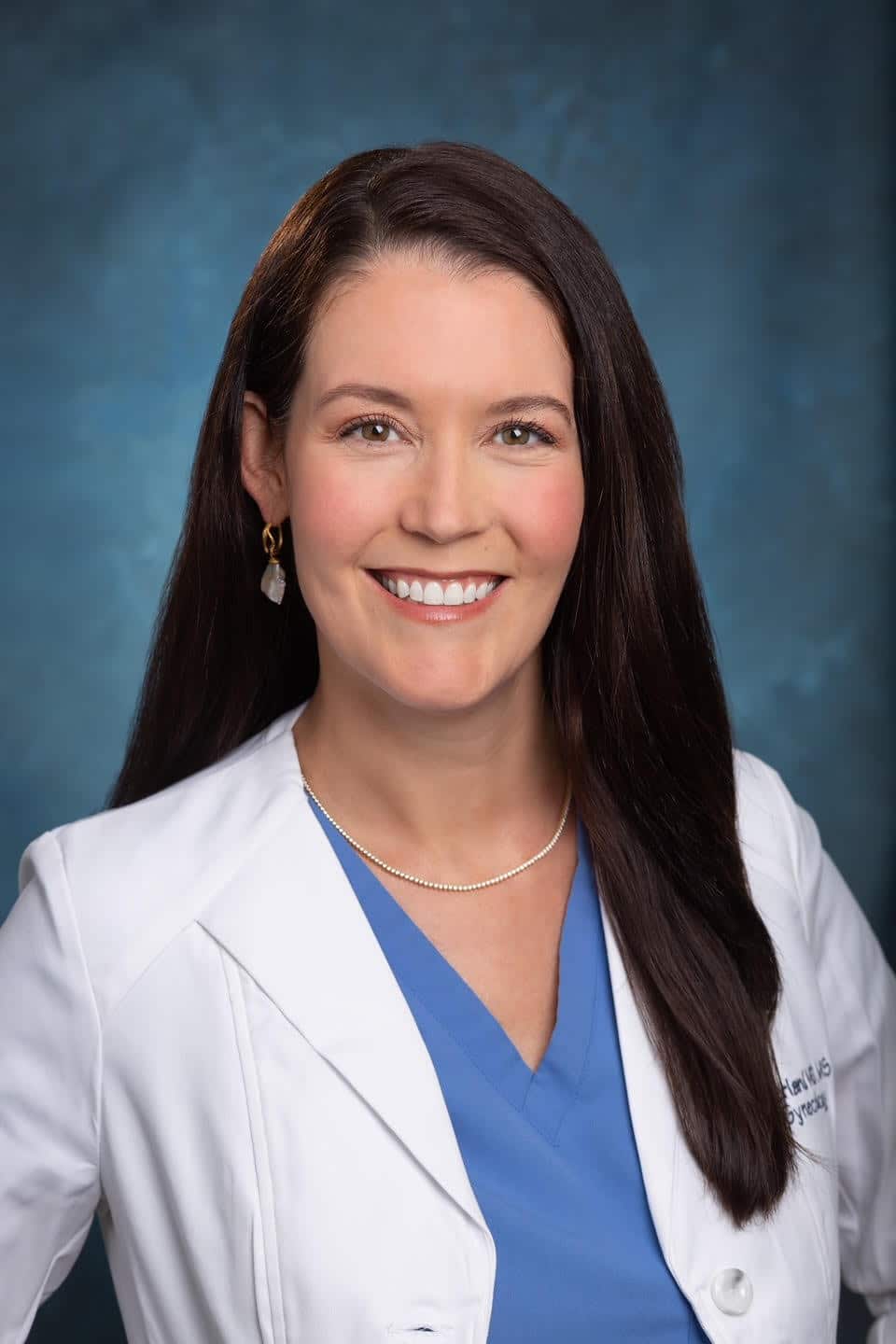
You can review board certification, fellowship training, clinical experience, professional affiliations, published research, patient reviews, and verified medical directories when evaluating a specialist. You can read more about Dr. Rachael Haverland and her approach to endometriosis care.
Do I need a multidisciplinary team?
Patients with complex endometriosis, fertility concerns, or disease involving multiple organs often benefit from multidisciplinary care that includes collaboration among several healthcare specialists. For more detail, see our article Steps to Take When Doctors Overlook Endometriosis Concerns.
Conclusion
Choosing the right endometriosis specialist is an investment in your long-term health and quality of life. A physician with fellowship training, extensive surgical experience, and a patient centered approach is well equipped to diagnose complex disease, develop individualized treatment plans, and provide advanced minimally invasive care. Taking the time to research qualifications, ask thoughtful questions, and evaluate communication style can help you feel confident in your decision. With expert guidance and comprehensive care, many patients achieve meaningful symptom relief, improved fertility outcomes, and a better overall quality of life. You may also find How to Choose the Right Endometriosis Specialist helpful.